
For many, the mention of Florida conjures images of sun-drenched beaches, theme parks, and vibrant nightlife. Yet, beneath the surface of this popular travel destination lies a world teeming with aquatic life, offering some of the most exhilarating fishing experiences in the United States. Among the most coveted inshore game fish is the snook, known for its powerful runs, acrobatic leaps, and challenging fight. These silver-sided predators are not only a thrill to catch but also a hallmark of healthy estuarine ecosystems. Understanding when and where to pursue them, however, is key to a successful and responsible fishing adventure.
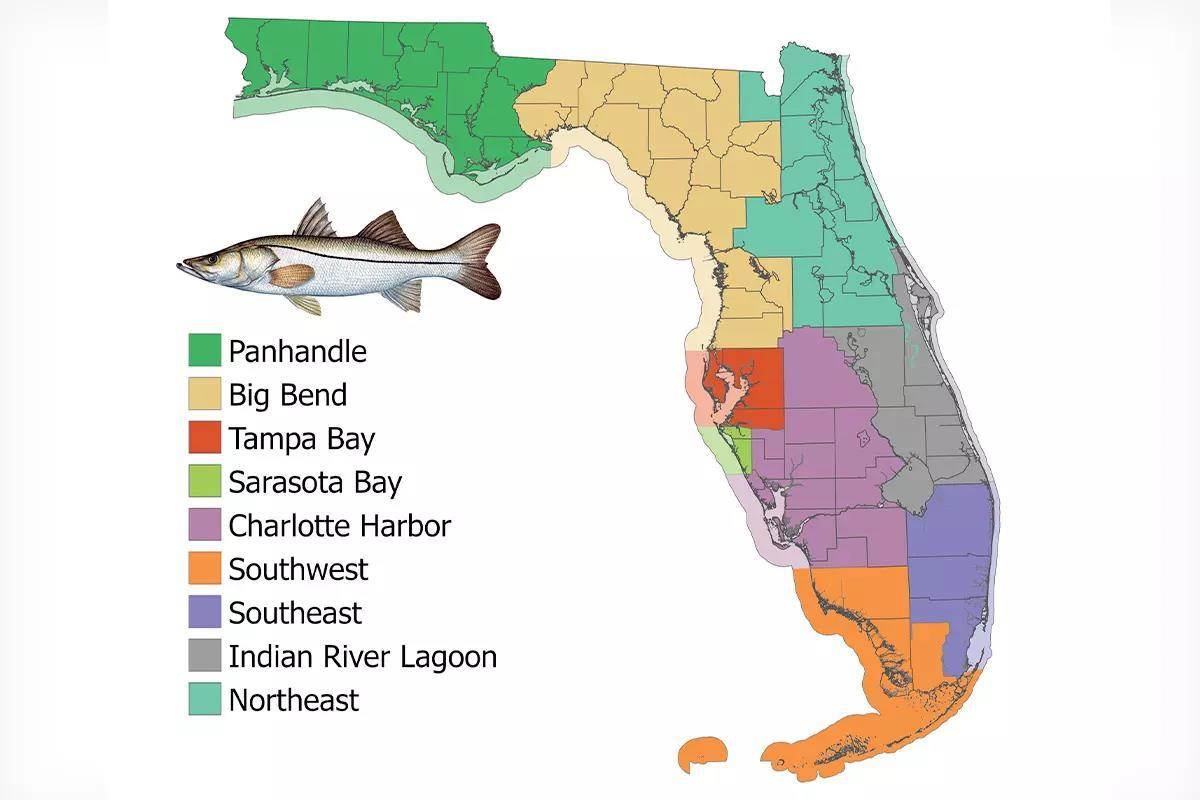
Snook fishing in Florida is more than just a pastime; it’s a deeply ingrained part of the local culture and a significant draw for tourism. Anglers from around the globe plan their entire trips around the elusive snook season, seeking the perfect combination of ideal weather, active fish, and compliant regulations. Whether you’re a seasoned angler dreaming of a trophy catch or a curious traveler looking to experience a unique aspect of Florida’s natural beauty, knowing the intricacies of snook season is paramount. This guide will navigate you through the complex yet rewarding world of Florida snook fishing, from understanding the official seasons and regulations to planning your perfect angling getaway, ensuring a memorable and sustainable experience.
Understanding Florida’s Snook Regulations and Seasons
The Florida Fish and Wildlife Conservation Commission (FWC) is responsible for managing Florida’s diverse marine resources, including the highly sought-after snook. Their regulations are designed to protect the snook population, especially during critical spawning periods, ensuring future generations can enjoy this incredible fish. This means snook seasons vary depending on the coast and are subject to change based on scientific data and conservation needs. Staying informed about the latest FWC guidelines is crucial before planning any fishing trip.
The East Coast Snook Season
Florida’s East Coast, stretching from the northern reaches of the state down to the Florida Keys (excluding parts of Monroe County), offers distinct snook fishing opportunities. This region is famous for its extensive estuary systems, such as the Indian River Lagoon, and coastal rivers that provide ideal habitats for snook.
The open season for snook on the East Coast generally runs from February 1st through May 31st, and then again from September 1st through December 14th. This allows anglers to target snook during the cooler spring months when fish are often feeding actively, and then again in the fall as temperatures drop. The closed seasons are equally important. Snook fishing is prohibited from December 15th through January 31st and from June 1st through August 31st. The summer closure is primarily to protect snook during their peak spawning season, which typically occurs in the warmer waters of late spring and summer. During these periods, snook gather in large numbers to reproduce, making them particularly vulnerable to overfishing.
Popular destinations along the East Coast known for excellent snook fishing include Vero Beach, Fort Pierce, Melbourne, Stuart, Jupiter, Fort Lauderdale, and Miami. Each of these cities offers unique fishing environments, from the protected waters of the lagoon to the inlets connecting to the Atlantic Ocean. The vibrant local tourism in these areas means anglers can find numerous accommodations, fishing charters, and other amenities to support their trip.
The Gulf Coast Snook Season
On the western side of the state, the Florida Gulf Coast presents a different set of conditions and, consequently, slightly different snook seasons. The Gulf’s shallower, often warmer waters, and extensive mangrove coastlines create prime snook habitats. This region spans from the panhandle down to the southwestern tip of the peninsula.
The open season for snook on the Gulf Coast typically runs from March 1st through April 30th, and then again from September 1st through November 30th. These periods capitalize on the fish’s activity levels as they move between their wintering grounds and spawning areas. The closed seasons are crucial for conservation, extending from December 1st through the end of February and from May 1st through August 31st. Similar to the East Coast, the summer closure protects snook during their spawning cycle, which peaks in the warmer months. The winter closure is designed to protect snook from cold weather mortality, as they are highly susceptible to cold snaps and seek refuge in deeper, warmer waters or canals.
Renowned snook fishing locations on the Gulf Coast include Tampa Bay, Sarasota, Charlotte Harbor, Naples, Marco Island, Everglades National Park, St. Petersburg, and Clearwater. These areas offer diverse angling opportunities, from fishing deep into the backcountry mangroves to targeting snook around passes and artificial structures in larger bays. The tourism infrastructure along the Gulf Coast is well-developed, catering to various travel lifestyles, from luxury resorts to family-friendly hotels and budget-conscious stays.
Statewide Regulations Beyond Seasons
Beyond the specific open and closed seasons, several statewide regulations apply to snook fishing, irrespective of the coast. These rules are fundamental for sustainable fishing practices and angler compliance.
- Size Limit (Slot Limit): Snook have a strict slot limit, meaning only fish within a specific length range may be harvested. On both coasts, snook must be between 28 and 33 inches total length. This regulation protects juvenile fish, allowing them to mature and reproduce, and also safeguards large, older breeder fish that are vital to the population. Fish outside this slot limit must be immediately released unharmed.
- Bag Limit: The daily bag limit for snook is one fish per person per day. This low limit underscores the species’ value and vulnerability, promoting conservation over quantity.
- Snook Stamp and License Requirements: To legally harvest snook, anglers must possess a valid Florida saltwater fishing license and a snook stamp. These can be purchased online through the FWC website or at local tackle shops and sporting goods stores. The revenue generated from these stamps directly supports snook research and habitat restoration efforts, playing a critical role in their conservation. Even if you plan on catch-and-release fishing, it’s advisable to have a fishing license, especially if you’re chartering a boat, as some charter licenses cover passenger licenses.
- Gear Restrictions: While many methods are permissible, the use of a cast net for harvesting snook is prohibited. This rule helps prevent the indiscriminate capture of snook, especially large spawning aggregations.
- Conservation: All anglers are strongly encouraged to practice catch-and-release, especially for snook outside the slot limit or during closed seasons. Using appropriate handling techniques, such as proper de-hooking tools, supporting the fish horizontally, and minimizing air exposure, significantly increases the chances of survival for released fish.
These regulations are dynamic and can be updated by the FWC. Always check the most current rules before heading out to fish. The FWC website (MyFWC.com) is the authoritative source for the latest information.
Planning Your Florida Snook Fishing Getaway
A snook fishing trip to Florida is more than just throwing a line in the water; it’s an immersive travel experience. From choosing the optimal time to visit to securing the right accommodation and exploring local attractions, thoughtful planning ensures a seamless and unforgettable adventure. This section delves into how to best organize your trip, aligning with the “Travel,” “Hotels,” and “Lifestyle” aspects of your journey.
Best Times to Visit for Snook Fishing
While the official open seasons dictate when you can harvest snook, certain periods within these windows offer prime fishing conditions. Understanding these nuances can significantly enhance your chances of success.
- Spring (March – May): For both coasts, late spring is often considered one of the best times. As water temperatures rise after the winter, snook become more active, moving out of their colder weather refuges and aggressively feeding. This period often precedes the peak spawning months, meaning fish are actively bulking up. The weather is typically pleasant, avoiding the intense heat and humidity of summer.
- Fall (September – November): Autumn is another peak season, especially after the summer spawning closures. Cooler temperatures often invigorate snook, and they are frequently found in shallower waters, making sight-fishing a popular and exciting technique. As baitfish migrate, snook follow, creating excellent feeding frenzies in passes and along beaches. This time of year also avoids the peak hurricane season, offering more stable weather patterns.
- Avoiding Peak Summer and Winter: While snook may be present, fishing during the closed summer season (June-August) means strict catch-and-release only. The intense summer heat can also make fishing less comfortable for anglers. Similarly, the winter closed season (December-February) on the Gulf Coast is crucial for snook survival during cold fronts, making fishing challenging and potentially harmful to stressed fish.
Beyond snook, considering other species available during your chosen timeframe can add variety to your trip. Many of the same guides and locations that target snook also offer opportunities for redfish, seatrout, tarpon, and various snapper species, further enriching your angling lifestyle.
Choosing Your Destination: Fishing Hotspots and Nearby Attractions
Florida’s vast coastline offers a plethora of snook fishing destinations, each with its unique charm and surrounding tourist attractions. Your choice of destination will depend on your preferred fishing style, desired travel experience, and overall budget.
- Southwest Florida (Gulf Coast): Areas like Charlotte Harbor, Naples, and Everglades National Park are renowned for their extensive mangrove estuaries, offering incredible backcountry snook fishing. The pristine waters and abundant wildlife of the Everglades provide a unique natural immersion. Nearby, Sarasota offers beautiful beaches, art museums, and a vibrant culinary scene, catering to a diverse travel experience.
- Central West Florida (Gulf Coast): Tampa Bay, St. Petersburg, and Clearwater are urban fishing hubs with excellent inshore fishing around docks, bridges, and grass flats. These cities also boast world-class beaches, family-friendly attractions, and a bustling nightlife, blending fishing with broader tourism appeal.
- Southeast Florida (East Coast): From Miami and Fort Lauderdale in the south to Stuart and Jupiter further north, this region offers diverse fishing environments including ocean inlets, intercoastal waterways, and coastal rivers. These areas are known for their luxury travel options, high-end resorts, and a plethora of dining and entertainment choices, perfect for those seeking a blend of angling and upscale lifestyle experiences.
- Space Coast (East Coast): Melbourne and Vero Beach are prime locations within the Indian River Lagoon, offering vast shallow-water fishing grounds. Beyond fishing, visitors can explore the Kennedy Space Center or enjoy the quieter, natural beaches.
- Florida Keys: While technically part of the Gulf/Atlantic region, the Florida Keys offer a distinct fishing experience. Snook here often relate to the unique mangrove shorelines and deeper channels, sharing waters with tarpon and bonefish. The Keys are a world-renowned destination for all types of water activities, combining fishing with diving, snorkeling, and a laid-back island lifestyle.
No matter your chosen location, Florida’s destinations are well-equipped to combine an exhilarating snook fishing trip with memorable tourist activities and exploration of local landmarks.
Accommodation for Anglers: Hotels, Resorts, and More
Choosing the right accommodation is paramount for any travel experience, and for anglers, specific amenities can make all the difference. Florida offers a wide array of options, from luxurious resorts to practical, angler-friendly stays.
- Fishing Lodges and Hotels with Marina Access: Many specialized fishing lodges or hotels near major fishing hubs cater directly to anglers. These accommodations often provide boat docks, launch ramps, and sometimes even guide services directly on-site. Look for properties with amenities like fish cleaning stations, freezer space for bait, and ample parking for trailers.
- Luxury Resorts and Boutique Hotels: For those who prefer a more upscale experience, many of Florida’s premier resorts are located in coastal cities like Naples, Sarasota, Miami, and Fort Lauderdale. These offer world-class amenities, fine dining, spas, and often private beach access. While not always directly fishing-focused, many can arrange charter services and provide a luxurious base for your trip, blending fishing with a high-end lifestyle.
- Vacation Rentals (Apartments, Villas): Platforms offering vacation rentals are an excellent choice for groups, families, or those seeking a longer stay. Many properties, especially in destinations like Key West, Anna Maria Island, or along the Indian River Lagoon, feature private docks, fully equipped kitchens, and more space, offering a “home away from home” experience. This is often a preferred accommodation type for those bringing their own boats.
- Budget-Friendly Hotels and Motels: For the budget-conscious traveler, numerous motels and smaller hotels are available in all major coastal towns. These typically offer essential amenities and serve as a comfortable, affordable base, allowing more of the travel budget to be allocated to charters or other experiences.

When booking, consider the proximity to fishing spots, boat ramps, and local tackle shops. Reading reviews and comparing options focused on angler needs can help you find the perfect match for your accommodation preferences and lifestyle.
Enhancing Your Snook Fishing Trip: Guides, Gear, and Local Insights
To truly maximize your snook fishing experience in Florida, tapping into local expertise and preparing with the right gear is invaluable. This is where the “Tourism” and “Lifestyle” aspects of your trip come into full play, transforming a simple fishing outing into a rich cultural and adventurous journey.
Hiring a Professional Fishing Guide
For both novice and experienced anglers, hiring a professional fishing guide is one of the best investments you can make. Florida’s fishing guides are not just boat operators; they are local experts who spend countless hours on the water, understanding the intricate behaviors of snook and the ever-changing conditions of the estuaries.
- Local Knowledge: Guides possess unparalleled knowledge of the local waters, including the best fishing spots (which can change daily), tide patterns, and snook feeding habits. They know where snook hide in mangroves, under docks, and along grass flats.
- Gear and Boat: A reputable guide will provide all necessary fishing gear, including high-quality rods, reels, lines, and an array of lures and live bait. Their boats are typically custom-built for inshore fishing, offering stability, shallow draft capabilities, and comfortable seating, along with all required safety equipment. This eliminates the need for travelers to transport their own gear or worry about boat rentals and navigation.
- Permits and Licenses: Charter boats operate under a blanket license, meaning you typically won’t need to purchase an individual Florida fishing license or snook stamp if you’re fishing with a licensed guide. Always confirm this when booking.
- Instruction and Techniques: Guides are excellent teachers, offering valuable insights into casting techniques, lure presentation, and fish fighting strategies. They can quickly adapt to an angler’s skill level, ensuring everyone has a rewarding experience.
- Types of Guides: You can choose between inshore guides, who specialize in the shallow waters of bays, flats, and mangroves, or nearshore guides, who may venture slightly further out to target snook around coastal structures and nearshore reefs.
When selecting a guide, look for those with positive reviews, extensive local experience, and a strong commitment to ethical fishing practices and conservation. Many guides specialize in specific areas, so choose one known for the region you plan to visit, whether it’s the Everglades or the Indian River Lagoon.
Essential Gear for Snook Fishing
If you plan to fish independently, having the right gear is crucial. Snook are powerful fish, and your tackle needs to be robust enough to handle their strength and the harsh saltwater environment.
- Rods and Reels: A medium-heavy spinning or baitcasting rod (7-8 feet) paired with a 3000-5000 size reel is ideal. The rod should have a fast action for casting accuracy and backbone for fighting large fish.
- Line: Spool your reel with 15-30 lb braided line for its sensitivity and strength, topped with a 30-50 lb fluorocarbon leader. Fluorocarbon is less visible in water and abrasion-resistant, essential for snook that often hide around structure.
- Lures: Snook respond well to a variety of artificial lures. Topwater plugs are exciting for surface strikes, while soft plastic paddle tails, jerkbaits, and twitchbaits mimic baitfish effectively. Hard-bodied plugs and bucktail jigs are also popular, especially around inlets and deeper water. Match your lure size and color to the local baitfish and water clarity.
- Live Bait: When artificials aren’t working, live bait can be irresistible. Pilchards, threadfin herring, mullet, and shrimp are common and highly effective. Knowing how to cast net for your own bait or where to buy it fresh is a valuable skill.
- Conservation Tools: Always carry a de-hooker to safely remove hooks, especially from fish destined for release. A measuring device is essential to ensure compliance with slot limits.
- Personal Protection: Florida’s sun can be intense. Pack polarized sunglasses (crucial for spotting fish), a wide-brimmed hat, UPF-rated clothing (long-sleeve shirts, fishing buffs), and plenty of sunscreen. Hydration is also key.
Investing in quality gear ensures a more enjoyable and successful trip, and it aligns with a lifestyle of preparedness and respect for the outdoor elements.
Local Culture and Culinary Experiences
Your snook fishing trip doesn’t have to be solely about angling. Integrating into the local culture and savoring the culinary delights can significantly enrich your travel experience.
- Fresh Seafood: After a successful day of fishing (within the legal harvest limits), there’s nothing quite like enjoying fresh, local seafood. Many Florida coastal towns boast fantastic seafood restaurants that prepare their catches of the day. Snook, when legally harvested, is a delicious white-fleshed fish, often pan-fried or grilled. Exploring local markets also offers a chance to see the diverse bounty of Florida’s waters.
- Beyond Fishing: Most fishing destinations are also vibrant tourist hubs. Take time to explore local landmarks, historical sites, art galleries, and nature trails. Visit the beautiful beaches of Sarasota or Clearwater, experience the nightlife in Miami or Fort Lauderdale, or delve into the unique ecosystem of Everglades National Park.
- Local Festivals and Events: Check the local calendar for fishing tournaments, seafood festivals, or cultural events happening during your visit. These can provide excellent opportunities to interact with locals, learn more about the region, and enjoy unique entertainment.
Embracing these elements turns a focused fishing trip into a holistic travel experience, showcasing the diverse lifestyle and attractions Florida has to offer.
Conservation and Sustainable Snook Fishing
The thrill of catching a snook comes with a responsibility to protect this magnificent species for future generations. “Tourism” and “Lifestyle” also encompass mindful interaction with the environment and supporting the longevity of natural attractions. Sustainable fishing practices are not just rules; they are a commitment to conservation.
Why Conservation Matters
Snook are not only prized by anglers but also play a critical role in Florida’s estuarine ecosystems. As apex predators, they help maintain the balance of their habitat.
- Ecological Importance: Snook feed on smaller fish and crustaceans, contributing to a healthy food web. Their presence is an indicator of a thriving estuarine environment.
- Economic Impact: Snook fishing drives significant tourism revenue, supporting guides, tackle shops, hotels, and restaurants across the state. A healthy snook population translates to a healthy local economy.
- Vulnerability: Snook are highly sensitive to environmental changes, including cold weather, red tides, and habitat loss due to coastal development. Overfishing can quickly deplete populations, making robust regulations and angler compliance essential.
Understanding the broader impact of your fishing activities fosters a deeper appreciation for the species and the environment.
Practicing Catch and Release
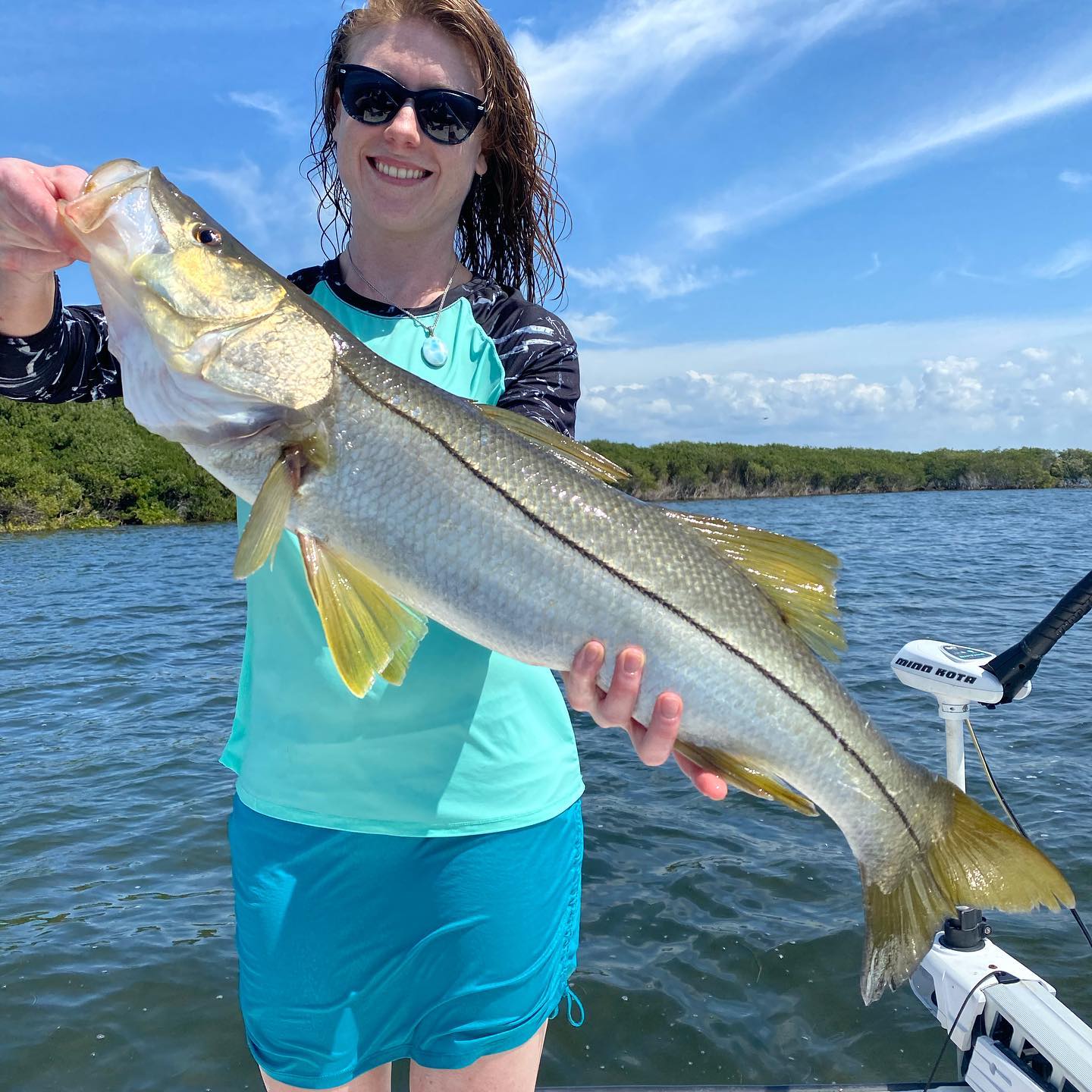
Even when fishing during the open season and within the slot limit, many anglers choose to practice catch and release to further aid conservation efforts. For fish outside the slot limit or during closed seasons, proper catch and release is mandatory.
- Minimize Fight Time: Bring the fish to the boat as quickly as possible to reduce stress.
- Use Proper Gear: Use appropriate tackle to avoid excessively long fights that exhaust the fish.
- Handle with Care:
- Keep the fish in the water as much as possible. If you must lift it, support its entire body horizontally, especially heavier fish. Avoid holding snook vertically by the jaw, as this can damage their internal organs and spine.
- Use wet hands or a wet towel when handling to protect their protective slime coat.
- Remove hooks carefully with pliers or a de-hooking tool. If the hook is deeply swallowed, cut the line as close to the hook as possible.
- Revive the Fish: If the fish appears sluggish, gently hold it upright in the water, allowing water to flow over its gills (if in current) or gently move it back and forth until it regains strength and swims away on its own.
These practices significantly improve the survival rate of released snook, ensuring they can continue to grow and reproduce.
Supporting Local Conservation Efforts
Anglers can further contribute to snook conservation by actively supporting organizations and regulations designed to protect them.
- Purchase Licenses and Stamps: The fees from Florida fishing licenses and snook stamps directly fund the FWC’s research, management, and habitat restoration programs.
- Report Violations: If you witness illegal fishing activity, such as harvesting snook out of season or outside the slot limit, report it to the FWC. This vigilance helps enforce regulations and protect the resource.
- Participate in Citizen Science: Some organizations conduct tagging programs or habitat restoration projects where volunteers can contribute valuable data or labor.
- Educate Others: Share your knowledge of responsible fishing practices with fellow anglers, promoting a culture of conservation.
By being a responsible and informed angler, you become an integral part of the effort to ensure that snook fishing remains a vibrant and sustainable part of the Florida experience for generations to come.
In conclusion, understanding when snook season is in Florida is the first step toward an unforgettable angling adventure. However, a truly enriching trip encompasses much more: strategic planning, embracing local culture, utilizing expert guidance, and, most importantly, committing to sustainable practices. From the lively shores of Miami to the serene backcountry of the Everglades, Florida offers a unparalleled snook fishing experience that blends thrilling sport with responsible tourism and a deep appreciation for nature’s bounty. So pack your bags, check the regulations, and get ready to cast a line into the shimmering waters of the Sunshine State.
LifeOutOfTheBox is a participant in the Amazon Services LLC Associates Program, an affiliate advertising program designed to provide a means for sites to earn advertising fees by advertising and linking to Amazon.com. Amazon, the Amazon logo, AmazonSupply, and the AmazonSupply logo are trademarks of Amazon.com, Inc. or its affiliates. As an Amazon Associate we earn affiliate commissions from qualifying purchases.