
The allure of a white Christmas or a picturesque winter wonderland often draws visitors to New York State, particularly its iconic metropolitan heart. Understanding the typical patterns of snowfall can be crucial for planning a visit, whether you’re seeking the magic of a snow-dusted Times Square or the quiet beauty of a winter hike in the Adirondacks. While predicting the exact date of the first snowfall is as elusive as a perfectly timed Broadway curtain call, historical data and climatic trends offer a reliable guide for those hoping to experience New York under a blanket of snow.

Understanding New York’s Winter Climate
New York experiences a temperate climate with four distinct seasons, making winter a significant period characterized by colder temperatures and the potential for snowfall. The state’s varied geography, from the coastal plains of Long Island to the higher elevations of upstate, influences the timing and amount of snow received. Generally, winter officially begins in December and extends through February, but the meteorological definition of winter often sees its effects starting earlier and lingering longer.
Early Winter: December’s Anticipation
December is typically the month when the first significant snowfalls begin to grace New York. For New York City, the average first measurable snow often occurs in the latter half of December, though this can vary considerably. Historically, some Decembers have been surprisingly mild with little to no snow, while others have delivered early winter storms that transform the cityscape into a festive scene just in time for the holiday season. The probability of snow increases as the month progresses.
Factors Influencing Early Snowfall
Several meteorological factors contribute to early snowfall. The arrival of cold air masses from the north or west, combined with moisture-laden systems moving in from the Atlantic, creates the perfect conditions for precipitation. When temperatures are at or below freezing (0° Celsius or 32° Fahrenheit) from the ground up through the cloud layers where the snow forms, snowflakes are more likely to reach the surface intact.
Mid-Winter: January and February’s Snowy Peak
January and February are generally the snowiest months for most of New York. During this period, the state is most susceptible to nor’easters, powerful storms that can bring heavy snow, strong winds, and coastal flooding. These months often see the most substantial accumulations and the highest likelihood of prolonged periods of snow cover.
Regional Snowfall Differences
Upstate New York, particularly regions like the Catskill Mountains and the Adirondacks, tends to receive more snow than New York City and its surrounding suburbs. The higher altitudes and greater distance from the moderating influence of the Atlantic Ocean contribute to colder temperatures and more frequent, heavier snowfalls. Areas like Buffalo and Rochester, situated near the Great Lakes, can also experience lake-effect snow, where cold air passing over the warmer waters picks up moisture and deposits it as snow downwind.
Late Winter: March’s Lingering Frost
While February is typically the peak of winter, snow can still fall in New York well into March. Late-season snowfalls, sometimes referred to as “late-winter thaws” or “spring storms,” can occur, especially in the northern and western parts of the state. These events are often a mix of snow, sleet, and rain as temperatures fluctuate around the freezing mark. By April, significant snowfall becomes increasingly rare, though not entirely impossible in the highest elevations.
Planning Your Snowy New York Experience
For travelers specifically seeking a snowy landscape in New York, understanding these patterns is key to maximizing your chances of experiencing winter’s beauty.
Optimal Visiting Times for Snow Enthusiasts
If your primary goal is to witness a snow-covered New York, the period from mid-January through February generally offers the highest probability of encountering snow. This timeframe aligns with the coldest temperatures and the peak of winter storm activity. However, for those dreaming of a white Christmas, early to mid-December can be a gamble, offering the potential for festive snow but also a chance of milder weather.
Considering Accommodation and Activities

When planning a winter trip, especially for snow, booking accommodations in advance is highly recommended, particularly around popular holiday periods or during significant storm forecasts. Consider areas known for consistent snowfall if a winter wonderland is paramount. Resorts in the Catskills or Adirondacks are excellent choices for winter sports and picturesque snowy scenery. For those visiting New York City, a snowfall can transform familiar landmarks like the Central Park into breathtaking vistas.
What to Expect During a Snowy Visit
A snowy New York offers a unique set of experiences. In the city, snow can dampen the usual hustle and bustle, creating a quieter, more ethereal atmosphere. Streets can become charming, and the lights of Times Square sparkle even more brilliantly against a white backdrop. Outdoor activities like ice skating at Rockefeller Center or walking through snow-laden Central Park are quintessential winter pastimes.
Travel Considerations During Winter Weather
It’s important to be prepared for potential travel disruptions during the winter months. Snowstorms can cause flight delays or cancellations at airports like JFK International Airport and LaGuardia Airport. Road conditions can also deteriorate rapidly, affecting driving and public transportation. Flexibility in your itinerary is advisable, and always check weather forecasts and travel advisories before and during your trip. Packing warm clothing, sturdy, waterproof footwear, and essentials for potentially being indoors longer than planned is also prudent.
Historical Snowfall Patterns and Anomalies
While averages provide a general guideline, New York’s snowfall can be highly variable from year to year. Examining historical data reveals periods of exceptionally heavy snowfall as well as unusually mild winters.
Record-Breaking Snow Events
New York has a history of experiencing significant snowstorms that have reshaped daily life and become part of the state’s lore. Major blizzards have impacted the region, bringing feet of snow and significant disruptions. For instance, the blizzard of 1888 was a historic event that paralyzed the Northeast, burying cities in snow and leading to widespread power outages and transportation halts. More recent events, such as the winter storm of January 2016 or the blizzard of January 2024, have also demonstrated the potential for intense snowfall across the state.
The Impact of Climate Change
Like many regions globally, New York is experiencing shifts in its climate patterns, which can influence winter weather. While overall global temperatures are rising, this doesn’t necessarily mean an end to snow. Instead, it can lead to more erratic weather. This might manifest as warmer winters with less consistent snow cover, punctuated by intense, short-lived snowstorms when cold air does descend. The timing of snow can also shift, with potential for later starts and earlier finishes to the snow season. Monitoring current weather forecasts and seasonal outlooks remains the most reliable way to gauge imminent snow activity.
Experiencing Snow Beyond the City
While New York City offers a unique urban winter experience, the rest of New York State provides a more traditional, immersive winter landscape.
Winter Activities in Upstate New York
Upstate regions such as the Adirondack Mountains and the Catskill Mountains are prime destinations for snow sports enthusiasts. Towns like Lake Placid, home to two Winter Olympic Games, offer world-class skiing, snowboarding, and bobsledding. Smaller ski resorts and numerous state parks provide opportunities for cross-country skiing, snowshoeing, and enjoying the serene beauty of snow-covered forests. The chance of consistent snow cover is much higher in these areas compared to the metropolitan region.
Snow-Related Festivals and Events
Many communities across New York host winter festivals and events that celebrate the snow and cold. These can range from charming village celebrations with ice sculptures and sleigh rides to more robust winter carnivals featuring outdoor concerts and sporting events. Checking local tourism calendars for specific towns and regions you plan to visit is advisable to discover these seasonal happenings.
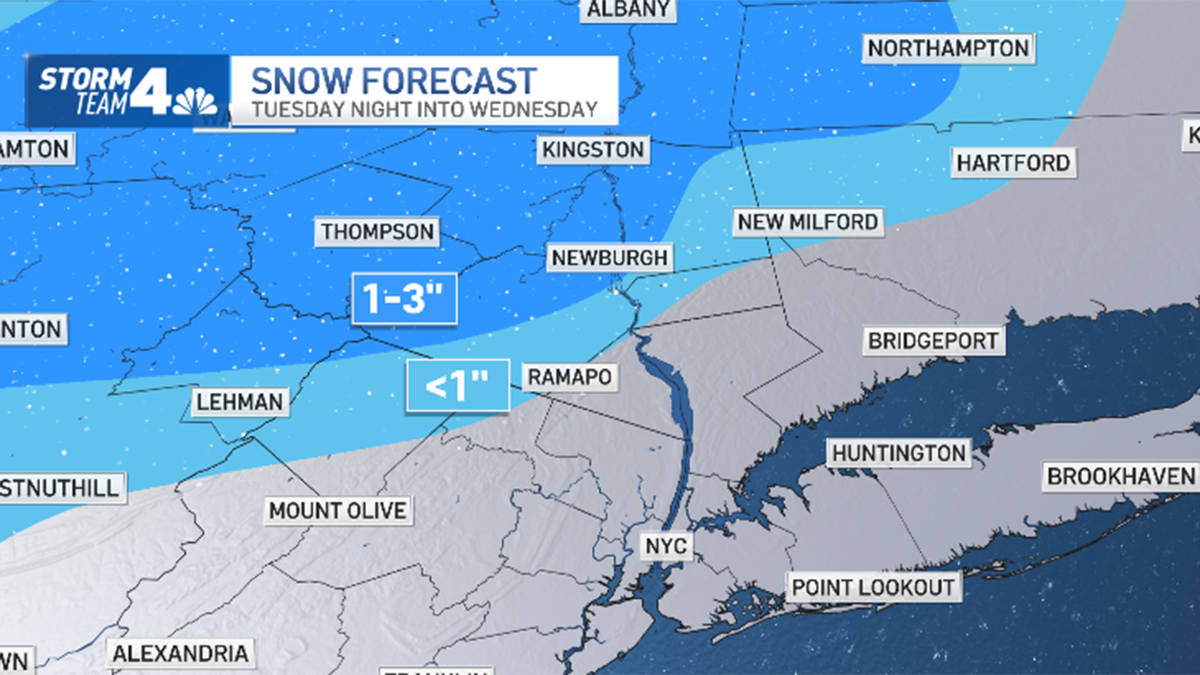
Conclusion: Embracing New York’s Winter Charm
The question of when snow is expected in New York is one that invites a nuanced answer. While early December offers the hope of a white Christmas, and January and February present the highest statistical probability of significant snowfall, winter’s arrival and intensity are subject to the ever-changing dynamics of weather systems. For travelers, understanding these general patterns, coupled with a willingness to be flexible and informed by current forecasts, will greatly enhance the chances of experiencing the magical, snow-covered landscapes that make a New York winter so captivating. Whether you dream of navigating the snowy avenues of New York City or exploring the pristine, snow-laden wilderness of its upstate regions, a well-timed winter visit can indeed be a truly unforgettable experience.
LifeOutOfTheBox is a participant in the Amazon Services LLC Associates Program, an affiliate advertising program designed to provide a means for sites to earn advertising fees by advertising and linking to Amazon.com. Amazon, the Amazon logo, AmazonSupply, and the AmazonSupply logo are trademarks of Amazon.com, Inc. or its affiliates. As an Amazon Associate we earn affiliate commissions from qualifying purchases.