
Spring break in Oregon offers a diverse range of experiences, catering to families, students, and solo travelers alike. While the official school and university schedules dictate the exact dates for many, understanding the broader “spring break season” for travel in Oregon allows for better planning and the opportunity to capitalize on unique regional events and milder weather. This guide delves into the typical timing of spring break in Oregon and explores the best ways to make the most of this transitional period.
Understanding Oregon’s Spring Break Timing
Oregon’s spring break period is not a single, fixed week for everyone. Instead, it’s a staggered affair, primarily determined by the academic calendars of its various educational institutions. This creates several waves of travelers and different peak periods for specific activities and destinations.

K-12 School District Schedules
Most public school districts across Oregon tend to observe spring break in late March or early April. These dates can vary by district, often aligning with Easter weekend or falling a week or two before or after it. Parents planning family trips often need to consult their local school district’s official calendar to pinpoint the exact week their children will be off. This is typically a busy period for family-friendly attractions and destinations within the state.
Higher Education Institutions
Oregon’s colleges and universities, including prominent institutions like the University of Oregon and Oregon State University, generally schedule their spring breaks slightly earlier than K-12 districts. Many university spring breaks fall in mid-to-late March. This means that popular destinations might see an initial surge in visitors from college students before the younger crowds arrive.
The Broader “Spring Break Season”
Beyond the specific academic calendars, the concept of “spring break” for travel purposes in Oregon can encompass a longer window, roughly from early March through mid-April. During this time, weather conditions begin to improve, offering a pleasant transition from winter. Many tourism businesses, especially those in coastal towns and mountainous regions, start to ramp up their offerings and adjust their operating hours in anticipation of increased visitor numbers. Travelers who are not bound by specific school schedules might find it advantageous to visit during the shoulder weeks of this period to potentially avoid the largest crowds and secure better rates on accommodations.
Factors Influencing Break Dates
It’s important to note that some private schools or specialized educational programs might have different break schedules. Additionally, while Easter’s timing is a common influence, it’s not the sole determinant. The goal of many school districts is to provide a mid-semester break that allows students and families a period for rest and rejuvenation before the final push towards the end of the academic year.
Top Spring Break Destinations and Activities in Oregon
Oregon’s diverse geography means that spring break can be celebrated in a multitude of ways, from sun-drenched coastlines to snow-capped mountains, and vibrant urban centers.
Coastal Escapes
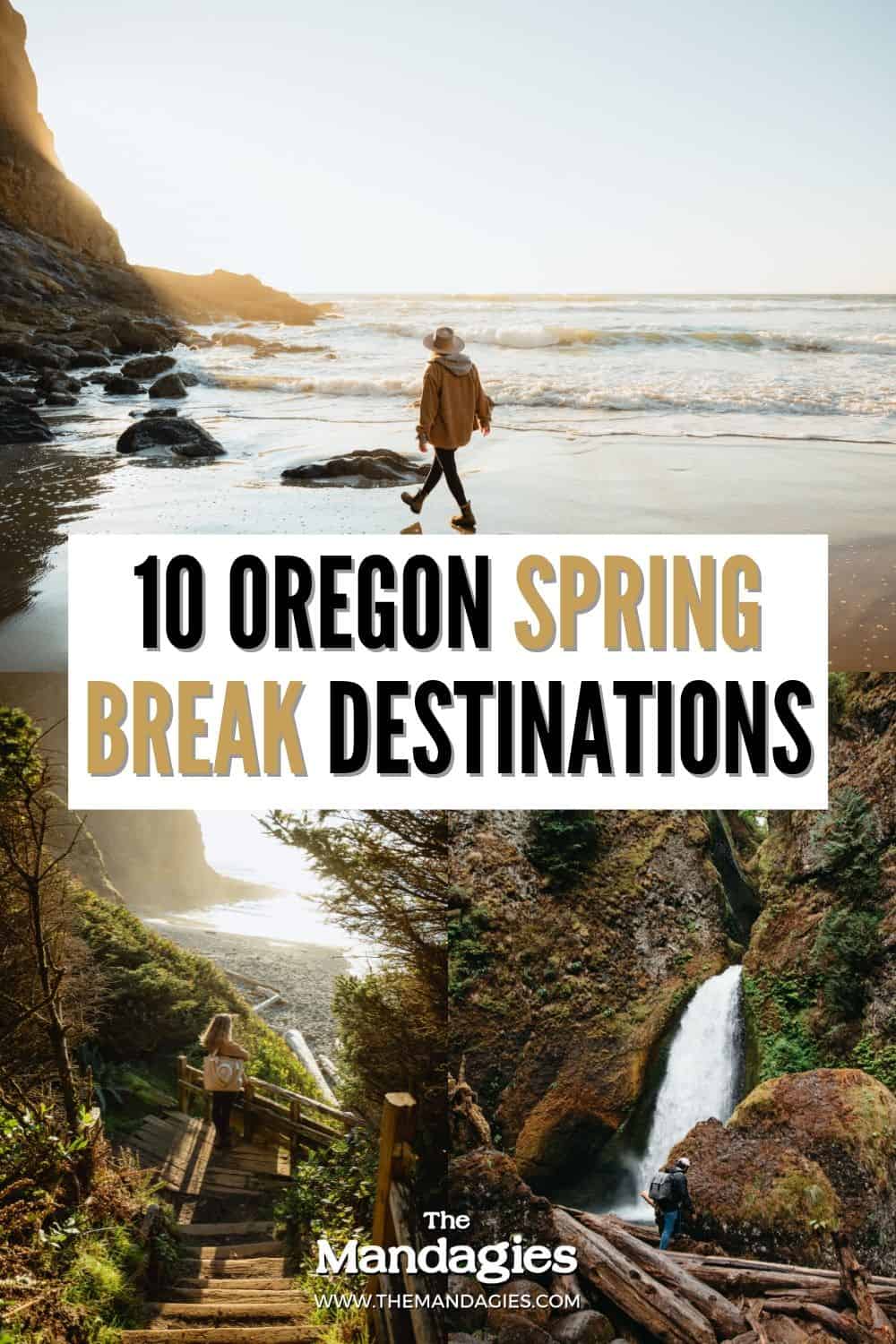
The Oregon Coast is a perennial favorite during spring break. While the weather can be unpredictable, featuring dramatic storms and sunnier days, the allure of the ocean, sandy beaches, and charming seaside towns is undeniable.
Seaside and Astoria
Towns like Seaside offer classic boardwalk amusements and family-friendly arcades, making them ideal for those traveling with younger children. Further north, Astoria provides a rich historical backdrop, with attractions like the Astoria Column and the Columbia River Maritime Museum. The dramatic landscapes of the Columbia River mouth are particularly captivating during spring.
Cannon Beach and Tillamook
Cannon Beach, famous for its iconic Haystack Rock, offers breathtaking natural beauty, tide pooling opportunities, and a more serene atmosphere. Nearby, the Tillamook Creamery is a popular stop for families seeking delicious ice cream and an insight into dairy production.
Southern Oregon Coast
For those seeking rugged beauty, the southern coast, including areas around Bandon with its sea stacks and Gold Beach, offers stunning vistas and opportunities for whale watching as migrations begin.
Mountain Adventures
While the ski season may be winding down in some areas, certain mountain destinations in Oregon still offer winter sports and begin to reveal their spring allure.
Mount Hood
Mount Hood remains a prime destination for late-season skiing and snowboarding at resorts like Timberline Lodge and Mount Hood Meadows. As the snow begins to melt at lower elevations, hiking trails start to open up, offering spectacular views of the surrounding Cascade Range. The historic Timberline Lodge, a National Historic Landmark, is a destination in itself, offering stunning architecture and panoramic vistas.
Crater Lake National Park
Crater Lake National Park, though often still snow-covered in early spring, becomes increasingly accessible as the season progresses. While access to the full Rim Drive may be limited, the sheer beauty of the deep blue caldera lake is a sight to behold. Park rangers often offer programs, and snowshoeing or cross-country skiing can be popular activities on the snow-covered trails.
Urban Exploration and Cultural Experiences
Oregon’s cities provide a vibrant alternative for spring break travelers, offering a wealth of cultural attractions, dining, and entertainment.
Portland
Portland, the state’s largest city, is a hub of activity. Spring break is an excellent time to explore its renowned food scene, from food carts to fine dining. The International Rose Test Garden begins to bloom, offering a riot of color. Museums like the Portland Art Museum and the Oregon Museum of Science and Industry are perfect for educational outings. The city’s numerous parks and the Portland Japanese Garden offer peaceful respites.
Salem and Eugene
Salem, the state capital, offers historical sites such as the Oregon State Capitol Building. Eugene, home to the University of Oregon, has a lively arts scene, numerous breweries, and proximity to outdoor recreation in the Willamette Valley.
Willamette Valley Wine Country
As the vines begin to bud and the landscape turns a vibrant green, the Willamette Valley wine region becomes a picturesque destination. Many wineries offer tastings and tours, with fewer crowds than during the peak harvest season. It’s a perfect time for wine enthusiasts to explore Pinot Noir and other varietals in a relaxed setting.
Planning Your Oregon Spring Break
Successfully navigating Oregon’s spring break season requires a bit of foresight and flexibility. Here are some tips to ensure a memorable trip.
Booking Accommodations and Activities
Given the staggered nature of spring break, popular destinations can experience multiple peaks in visitor numbers. It is highly advisable to book accommodations well in advance, especially if traveling during the traditional K-12 spring break weeks or around major holidays. This applies to hotels in cities like Portland, beachfront rentals along the Oregon Coast, and lodges near mountain resorts.
Similarly, popular attractions, tours, and even some sought-after dining reservations should be secured in advance to avoid disappointment. This is particularly true for family-oriented activities or experiences that have limited capacity.
Weather Preparedness
Oregon’s weather in early spring is notoriously variable. Visitors should be prepared for a range of conditions, from sunny and mild to rainy and windy, and even snow at higher elevations. Layering clothing is essential.
- Coastal Areas: Expect brisk winds, rain, and occasional sunshine. Waterproof and windproof outer layers are a must.
- Mountain Regions: Snow is likely at higher elevations, and temperatures can be cold. Waterproof gear and warm layers, including hats and gloves, are crucial.
- Valley and Urban Areas: Weather can be milder but still prone to rain showers. Comfortable walking shoes are essential for exploring cities and natural areas.
Transportation Considerations
Driving is a common way to explore Oregon. Roads are generally well-maintained, but travelers should check road conditions, especially for mountain passes, which may still have winter closures or require chains.
- Rental Cars: Book rental cars early, as demand can be high during peak travel times.
- Public Transportation: Major cities like Portland have robust public transportation systems, including MAX light rail and bus services, which can be a convenient way to navigate the city and avoid parking challenges.
Budgeting for Your Trip
Spring break in Oregon can accommodate a range of budgets.
- Budget-Friendly: Camping (where sites are available and conditions permit), staying in hostels or budget motels, and self-catering meals can significantly reduce costs. Exploring free natural attractions like beaches and parks also helps.
- Mid-Range: Hotels, vacation rentals, and dining at casual restaurants offer a comfortable experience. Many of Oregon’s wineries and breweries offer affordable tasting experiences.
- Luxury: High-end hotels, fine dining, private tours, and spa treatments are available in major urban centers and popular resort areas.
Engaging with Local Culture
Spring break is also an excellent opportunity to experience Oregon’s unique culture.
- Local Events: Keep an eye out for local festivals, farmers’ markets, and community events that often take place during this time.
- Food Scene: From the iconic Voodoo Doughnut in Portland to fresh seafood on the coast and farm-to-table experiences in the Willamette Valley, Oregon’s culinary landscape is diverse and engaging.
- Arts and Crafts: Explore local artisan shops, galleries, and studios, particularly in smaller towns along the coast and in the valley.
Embracing the Transition: Spring Break’s Unique Appeal
Spring break in Oregon is a period of transition, bridging the winter months with the vibrant energy of spring. This duality offers a unique set of opportunities for travelers. The lingering possibility of winter sports in the mountains, combined with the awakening of coastal landscapes and the blossoming of urban gardens, creates a multifaceted travel experience.
The Lure of Less Crowded Destinations
For those who can travel outside the primary K-12 break weeks, the shoulder periods in early March or late April can offer a more tranquil experience. Destinations that are typically bustling during the summer months can be enjoyed with fewer crowds, allowing for a more intimate connection with the natural beauty and local charm of Oregon. This also often translates to better availability and potentially more competitive pricing for accommodations and activities.
Outdoor Recreation in Transition
The thawing landscapes of Oregon offer a dynamic playground for outdoor enthusiasts.
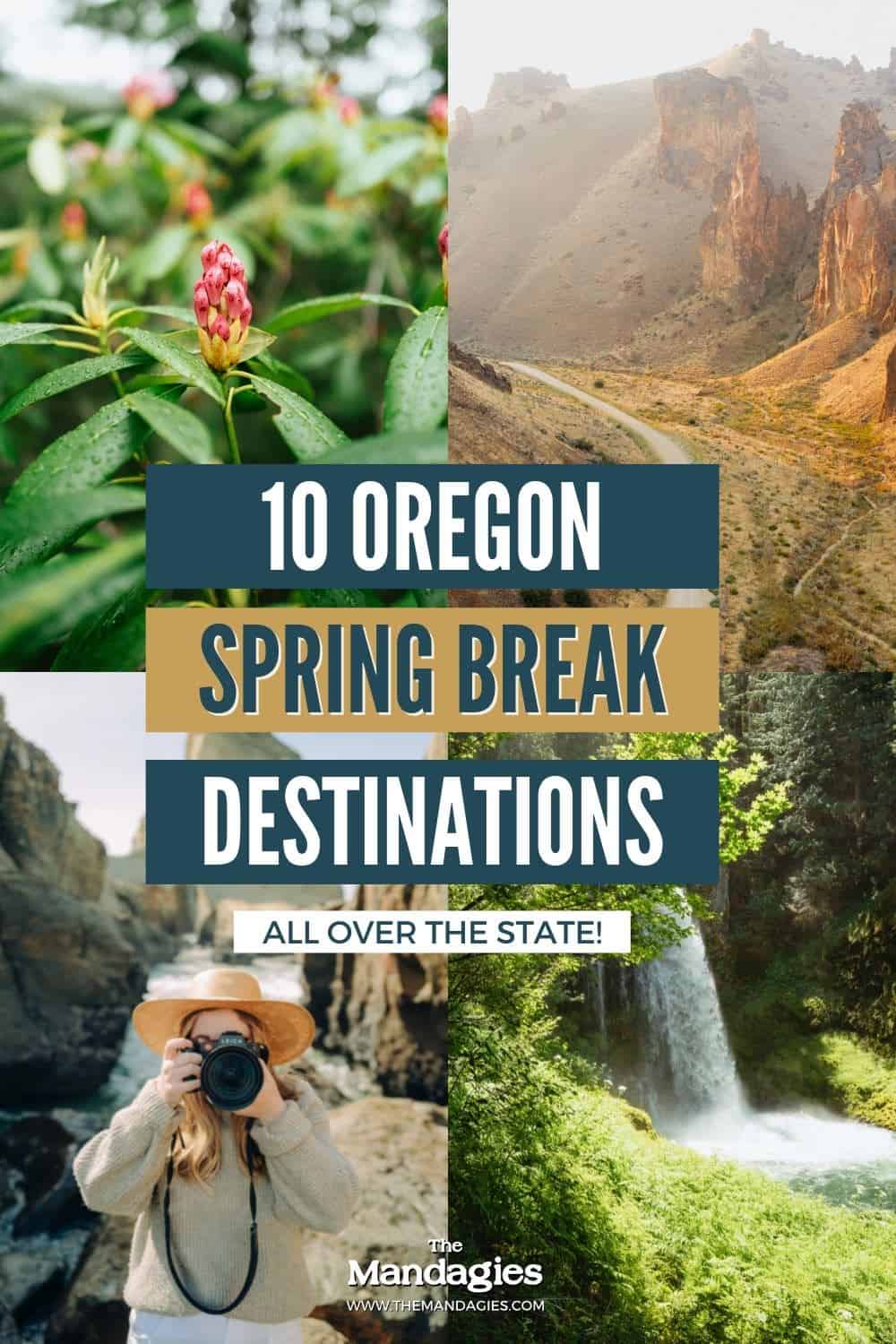
- Hiking: As snow recedes from lower and mid-elevation trails, a vast network of hiking opportunities opens up. From the lush forests of the Columbia River Gorge to the coastal paths overlooking the Pacific, spring offers a refreshing backdrop for exploration.
- Water Sports: While the ocean can be cold, the warmer weather may allow for kayaking, paddleboarding, and even early-season surfing for the brave. River trips also become more viable as water levels rise.
- Wildlife Viewing: Spring is a time of renewed activity for many of Oregon’s native species. Birdwatching is particularly rewarding as migratory birds return. Keep an eye out for marine life along the coast, such as seals and migrating whales.
Cultural and Culinary Delights
Beyond the natural attractions, Oregon’s cities and towns come alive with seasonal offerings.
- Spring Bloom: Parks and gardens across the state begin to burst with color. The aforementioned International Rose Test Garden in Portland is a prime example, but many smaller communities also boast beautiful public gardens.
- Local Produce: Early spring signals the arrival of fresh produce at farmers’ markets. Asparagus, radishes, and early greens begin to appear, offering a taste of the season.
- Craft Beverages: Oregon’s renowned craft beer and wine scene is a year-round attraction, but during spring break, it provides a cozy and enjoyable way to experience local flavors, often with fewer patrons in breweries and wineries.
Maximizing Your Spring Break Experience
Whether you are a family seeking educational fun, students looking for adventure, or individuals desiring a peaceful retreat, Oregon provides a diverse array of options during its spring break season. Understanding the timing, planning strategically, and embracing the unique transitional nature of the season will pave the way for an unforgettable Oregonian spring break. From the dramatic cliffs of the Oregon Coast to the serene beauty of the Willamette Valley and the vibrant cultural tapestry of its cities, Oregon promises a spring break experience rich in discovery and enjoyment.
LifeOutOfTheBox is a participant in the Amazon Services LLC Associates Program, an affiliate advertising program designed to provide a means for sites to earn advertising fees by advertising and linking to Amazon.com. Amazon, the Amazon logo, AmazonSupply, and the AmazonSupply logo are trademarks of Amazon.com, Inc. or its affiliates. As an Amazon Associate we earn affiliate commissions from qualifying purchases.