
As the snow begins to melt and the vibrant hues of spring emerge, many travelers start planning their getaways. For those with an eye on the majestic Rocky Mountains, Colorado offers a captivating spring break destination. While the traditional notion of spring break often conjures images of sun-drenched beaches, Colorado presents a unique alternative, blending the thrill of late-season skiing with the awakening of its stunning natural landscapes. Understanding when this vibrant period truly unfolds in the Centennial State is crucial for crafting the perfect itinerary, whether you’re seeking powdery slopes or hiking trails emerging from winter’s slumber.
Navigating Colorado’s Spring Break Calendar
The concept of “spring break” in Colorado is multifaceted, largely dictated by the lingering presence of winter’s snow and the eager anticipation of warmer weather activities. Unlike destinations with a singular, universally recognized spring break period, Colorado’s timing is influenced by various factors, including school schedules, ski resort operating dates, and the natural progression of the seasons. This allows for a more extended window of opportunity for visitors, offering a diverse range of experiences depending on the specific weeks chosen.
The University and K-12 Influence
A significant driver of spring break timing in Colorado, as in many parts of the United States, stems from the academic calendars of its universities and school districts. While there isn’t a single, monolithic spring break week that encompasses all educational institutions, a common cluster of weeks typically falls between mid-March and early April.
- Mid-March to Early April: This period is when most Colorado colleges and universities observe their spring break. This often translates into increased family travel as parents may align their vacation time with their children’s school breaks.
- K-12 School Districts: Public school districts across Colorado also generally schedule their breaks within this same mid-March to early April timeframe. Some districts might opt for a single week, while others might extend it to a ten-day period.
- Flexibility for Travelers: This widespread academic break creates a peak period for family-oriented travel and activities. However, it also means that popular resorts and attractions may experience higher demand and prices. Those seeking a more tranquil experience might consider traveling slightly before or after this concentrated period.
Ski Season’s Extended Embrace
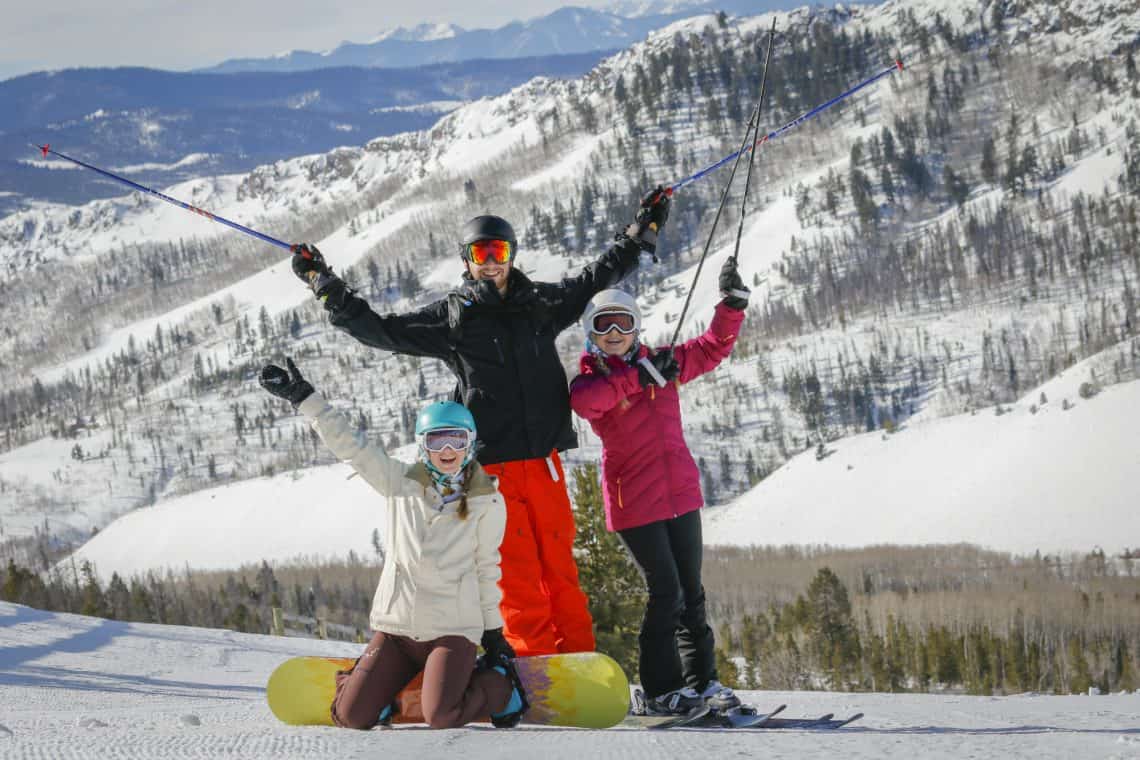
Colorado is world-renowned for its exceptional skiing and snowboarding. The prolonged winter season, particularly in the higher elevations, means that many of its premier ski resorts continue to operate well into spring. This extends the viable “spring break” window for snow enthusiasts considerably.
- Late March: By late March, some lower-elevation resorts might begin to see their operations wind down, but the major players, such as Vail Ski Resort, Aspen Snowmass, and Breckenridge Ski Resort, are typically still in full swing. The snow conditions can remain excellent, often with softer, more forgiving spring snow, affectionately known as “corn snow.”
- April Skiing: For dedicated skiers and snowboarders, April in Colorado can be a hidden gem. Resorts like Winter Park Resort and Steamboat Ski Resort often remain open through the first half of April, and some, like Arapahoe Basin, famously stay open into June. The longer daylight hours offer more time on the slopes, and the atmosphere can be more relaxed compared to the peak winter months.
- Spring Skiing Advantages: Beyond the extended season, spring skiing offers several benefits. Lift tickets and lodging can sometimes be more affordable than during the height of winter. The weather is generally milder, making for more pleasant days on the mountain. Furthermore, spring break crowds at ski resorts often consist of fewer families and more college students and experienced skiers who appreciate the unique conditions.
The Transition to Outdoor Adventures
As March gives way to April, Colorado undergoes a remarkable transformation, ushering in a season ripe for a different set of adventures. While the high country may still hold onto its snow, lower elevations begin to shed their winter coat, revealing a landscape ready for exploration.
- Early to Mid-April: This is when many of Colorado’s famous hiking trails begin to become accessible. The foothills around cities like Denver and Boulder often see early-season wildflowers, and areas like Garden of the Gods near Colorado Springs offer stunning scenery without the need for snowshoes.
- Mountain Biking: For mountain biking enthusiasts, April marks the beginning of the season in many lower-elevation areas. Trails near places like Fruita and Grand Junction are often dry and ready for riders well before the high mountain passes are clear.
- National Parks and Monuments: Iconic natural wonders such as Rocky Mountain National Park start to open more of their roads and trails. While higher elevations may remain snow-covered, the lower sections of the park, including areas around Estes Park, offer breathtaking vistas and wildlife viewing opportunities. Mesa Verde National Park, in the southwestern part of the state, is also an excellent spring break destination, with its Ancestral Puebloan cliff dwellings and hiking trails becoming more accessible.
- The “Mud Season” Caveat: It’s important to acknowledge that early spring in the mountains can sometimes bring about what locals affectionately call “mud season.” This is a transitional period where melting snow creates muddy trails and potentially challenging driving conditions at higher altitudes. Travelers should always check local conditions and be prepared for variable weather.
Planning Your Colorado Spring Break
With a nuanced understanding of Colorado’s spring break timing, travelers can strategically plan an unforgettable trip. The key lies in aligning personal preferences with the seasonal offerings of this diverse state.

Tailoring Your Trip to the Calendar
The “when” of your Colorado spring break directly impacts the “what” of your experience. Consider these scenarios:
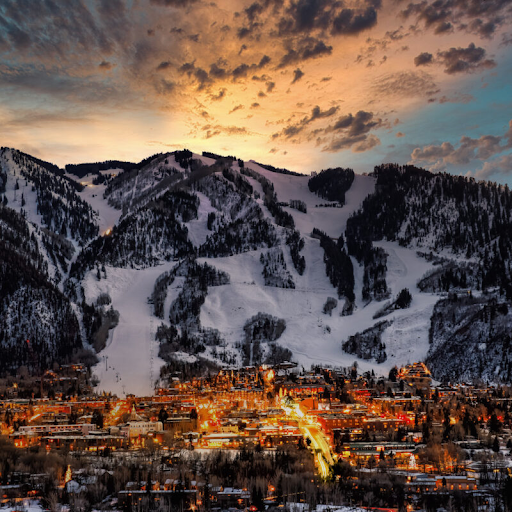
- For the Snow Enthusiast (Mid-March to Early April): If your primary goal is to hit the slopes, this is your prime time. Focus your attention on the world-class ski resorts in destinations like Aspen, Beaver Creek, Telluride, and Keystone Resort. Take advantage of the excellent snow conditions and the vibrant après-ski scene.
- For the Explorer and Nature Lover (Late March to Mid-April): As the snow recedes in lower and mid-elevations, focus your efforts on areas surrounding Denver, Boulder, and Colorado Springs. Explore the foothills, enjoy hiking and biking, and visit easily accessible natural attractions. This period offers a beautiful transition from winter to spring, with fewer crowds than the peak ski season.
- For the Adventurous & Flexible (Mid-April Onward): If you’re willing to travel a bit later, you can often find great deals and even more accessible trails and activities. Consider venturing further west to the desert landscapes of Grand Junction or exploring the southern reaches of the state. Some high-alpine areas may still offer late-season skiing, providing a unique dual-season experience.
Accommodation and Activity Booking Strategies
Regardless of when you choose to visit, proactive planning is essential for a smooth spring break in Colorado.
- Book in Advance: Especially if traveling during the university and K-12 break periods (mid-March to early April), booking flights and accommodations well in advance is highly recommended. Popular hotels, vacation rentals, and ski-in/ski-out properties in destinations like Beaver Creek Village and Park City (though technically in Utah, it’s a common destination for those looking at Colorado resorts) can fill up quickly.
- Consider Lodging Options: From luxury resorts in Beaver Creek to cozy cabins in Estes Park and budget-friendly hotels in Denver, Colorado offers a wide range of lodging. For families, vacation rentals can provide more space and amenities. For skiers, proximity to the slopes is often a key consideration.
- Activity Reservations: Many popular activities, especially guided tours, hot air balloon rides over the Rockies, or unique culinary experiences in Denver’s burgeoning food scene, may require advance reservations. If you plan to visit popular attractions like the Royal Gorge Bridge & Park or take a scenic train ride, check their booking requirements.
- Flexibility is Key: While planning is crucial, maintaining some flexibility can enhance your trip. Weather in the mountains can change rapidly, and sometimes a sudden snowfall can extend the ski season, or an early melt can open up hiking trails sooner than expected. Stay informed about local conditions and be prepared to adjust your plans if necessary.
Experiencing Colorado Beyond the Break Dates
The beauty of Colorado lies in its year-round appeal. While spring break offers a specific window, the essence of the state can be enjoyed at various times, with subtle differences in its offerings.
The Lure of Late-Season Skiing
The allure of spring skiing in Colorado is undeniable. As the sun gains strength, the snow transforms from hard-packed winter ice to softer, more pliable corn snow, which is incredibly forgiving and enjoyable to ski or ride on.
- Extended Season at High-Altitude Resorts: Resorts like Arapahai Basin, known for its challenging terrain and late-season operation, often remain open until early June, providing an unparalleled opportunity for late-season turns. Loveland Ski Area also frequently offers skiing into May.
- Warmer Weather on the Slopes: The milder temperatures of spring make for a more comfortable experience on the mountain. Think sunny skies, shed layers, and enjoyable breaks on sun-drenched patios.
- Spring Events and Festivals: Many ski resorts host end-of-season celebrations, including music festivals, pond-skimming competitions, and other quirky events that add to the festive spring break atmosphere.
Embracing the Thaw and Emerging Adventures
As the snow melts, a different kind of magic unfolds in Colorado. The landscape awakens, and a plethora of outdoor activities become readily available.
- Wildflower Season: By late April and May, lower elevation areas begin to burst with color as wildflowers emerge. Trails in places like the Foothills Trail System near Golden or areas surrounding Crested Butte (known as the wildflower capital of Colorado) offer stunning displays.
- Hiking and Backpacking: With trails clearing, Colorado becomes a hiker’s paradise. From iconic hikes like the Four Pass Loop (though higher sections may still be snow-covered early in spring) to more accessible day hikes, there’s an option for every fitness level.
- Rafting and Water Sports: As snowmelt swells the rivers, whitewater rafting season begins. Rivers like the Arkansas River and the Colorado River offer thrilling excursions, with the intensity of the rapids often being at their peak in late spring and early summer.
- Cycling and Mountain Biking: The state’s extensive network of trails, from paved bike paths along the Front Range to challenging singletrack in places like Fruita, becomes prime territory for cyclists.
By understanding the nuances of Colorado’s spring break calendar, travelers can plan a trip that perfectly suits their interests, whether they are chasing the last of the ski season’s snow or eagerly anticipating the vibrant awakening of the Rockies.
LifeOutOfTheBox is a participant in the Amazon Services LLC Associates Program, an affiliate advertising program designed to provide a means for sites to earn advertising fees by advertising and linking to Amazon.com. Amazon, the Amazon logo, AmazonSupply, and the AmazonSupply logo are trademarks of Amazon.com, Inc. or its affiliates. As an Amazon Associate we earn affiliate commissions from qualifying purchases.