
Planning a trip to the Sunshine State often involves navigating its vibrant seasonal rhythms, and few periods are as distinctive as Spring Break. For many travelers, understanding when this annual pilgrimage of students concludes is crucial, as it significantly impacts everything from crowd levels and accommodation prices to the overall atmosphere of Florida’s most popular destinations. While there isn’t a single, universally declared “end date,” Spring Break in Florida generally winds down by mid-April, with the peak intensity dissipating even earlier.
Understanding Florida’s Spring Break Calendar
The perception of Spring Break as one monolithic event is somewhat misleading. In reality, it’s a staggered phenomenon, driven by the varying academic calendars of educational institutions across the United States and beyond. This means that while some areas of Florida might experience peak crowds in early March, others might see their busiest period in late March or early April.

The Shifting Sands of University Schedules
The core of Spring Break’s reputation stems from college and university breaks. These typically fall within a window from late February through early April. Most higher education institutions schedule their breaks for one week within this six-to-seven-week period. Consequently, the first and last weeks of March are generally the most intense, as a large number of universities converge on these dates. Popular destinations like Miami Beach, Fort Lauderdale, Daytona Beach, and Panama City Beach are particularly affected by this influx of college students. By the second week of April, the vast majority of university Spring Breaks have concluded, leading to a noticeable decrease in crowds in these traditional hot spots.
K-12 Breaks: A Different Rhythm
Beyond the college crowd, K-12 school districts also have their own Spring Break schedules, which often extend the overall “Spring Break season” for family travelers. These breaks tend to be more spread out, sometimes starting as early as mid-March and extending into late April, often coinciding with Easter holidays. While K-12 breaks don’t typically draw the same demographic to the party-centric beaches as universities, they significantly impact family-friendly destinations like Orlando’s theme parks—Walt Disney World Resort and Universal Orlando Resort—and coastal areas popular with families, such as Clearwater Beach or the Florida Keys. The conclusion of K-12 breaks, especially after the Easter weekend, truly signals the end of the broader Spring Break period, typically by the third or fourth week of April.
The Impact of Spring Break on Florida Travel
The timing of Spring Break is a paramount consideration for anyone planning a visit to Florida, as it profoundly influences the travel experience. From the bustling energy of the beaches to the pricing of essential travel components, the effects are widespread and often dramatic.
Peak Season Crowds and What to Expect
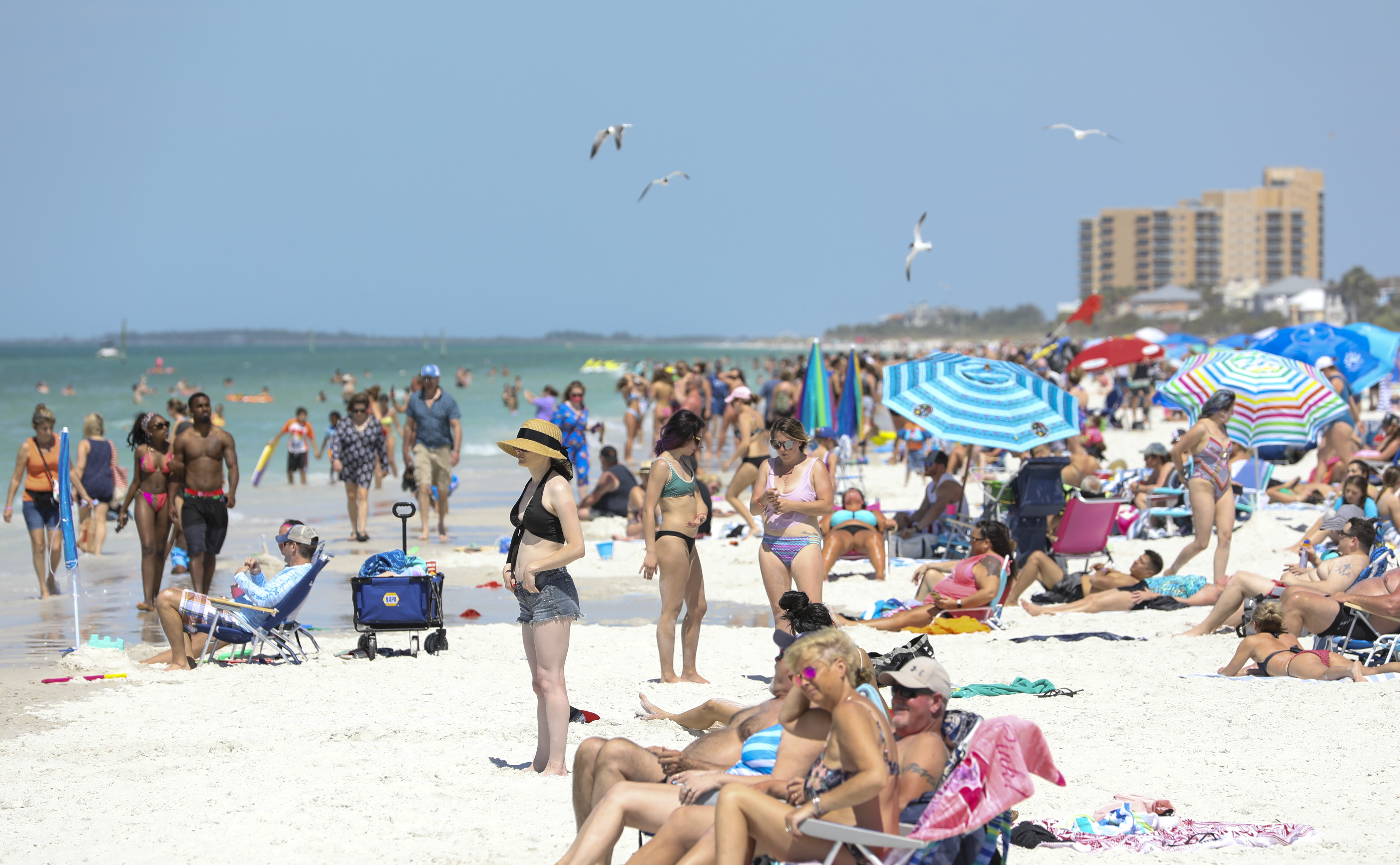
During the peak weeks of Spring Break, Florida’s most famous beaches and attractions swell with visitors. Expect larger crowds at theme parks, longer waits for popular rides, and packed restaurants. Coastal cities, particularly those with a reputation for nightlife, transform into high-energy hubs. Traffic congestion on major roadways leading to and within these destinations can increase significantly. While this vibrant atmosphere is precisely what some travelers seek, others prefer a more tranquil experience. Understanding the peak dates allows travelers to either immerse themselves in the festivities or strategically plan their visit to avoid the busiest periods. The intensity generally begins to subside after the first week of April, with a marked return to normalcy by the third week.
Navigating Accommodation and Flights
Perhaps the most tangible impact of Spring Break is on travel expenses. Accommodation rates in popular Spring Break destinations can skyrocket, with hotels, resorts, and vacation rentals often doubling or tripling their standard prices. Availability also becomes a major challenge, requiring bookings months in advance to secure desirable lodging. Similarly, airfares to Florida’s major airports (Miami International Airport, Orlando International Airport, Fort Lauderdale-Hollywood International Airport, Tampa International Airport) are typically at their highest during March and early April. Rental car prices also see a significant bump. As Spring Break concludes, usually by mid-April, these prices gradually recede, offering substantial savings and wider availability for those who can schedule their trip during the shoulder season.

Embracing the Post-Spring Break Sweet Spot
For many discerning travelers, the period immediately following Spring Break represents an ideal window to experience Florida. This “sweet spot,” typically from late April through May, offers a compelling blend of pleasant weather, fewer crowds, and more attractive pricing.
The Allure of Shoulder Season Travel
Once the last Spring Breakers have departed, Florida transitions into its shoulder season. The weather remains delightful—warm but not yet scorching hot and humid like the peak summer months. Sea temperatures are perfect for swimming, and the sunshine is abundant. Crucially, the reduced demand means that hotels and airlines often offer more competitive rates. Attractions, while still busy, operate with significantly shorter queues and a more relaxed pace. This period is particularly appealing for couples, empty-nesters, and families with flexible schedules who prioritize a more serene and cost-effective vacation experience. Exploring historic districts in St. Augustine, enjoying the art deco architecture of South Beach in Miami, or simply relaxing on the uncrowded beaches of the Emerald Coast becomes a much more enjoyable prospect.
Destination-Specific Timing: Beyond the General Dates
While mid-April serves as a general benchmark for the end of Spring Break, the precise timing of “over” can be destination-specific. For college-centric locales like Panama City Beach or South Beach, the change is almost instantaneous once the universities empty out. These areas return to a calmer atmosphere much quicker. For family destinations like Orlando, the winding down is more gradual, extending until after the last school district breaks have concluded, which can sometimes stretch into the final week of April, especially if Easter falls late in the month. Therefore, if a specific city or type of attraction is your primary focus, it’s wise to research local school calendars and university breaks to fine-tune your travel dates.
Planning Your Florida Escape: Strategies for Every Traveler
Armed with the knowledge of Florida’s Spring Break schedule, travelers can strategically plan their visits to align with their preferences and budget. Whether you’re seeking tranquility, value, or a family adventure, timing is everything.
For the Budget-Conscious Explorer
If affordability is your top priority, target your Florida trip from late April through May. This window consistently offers the best value for flights, accommodations, and even some attraction tickets. The crowds are thinner, allowing you to experience more for less. Consider staying in areas slightly off the main tourist drag to find even better deals. For example, instead of Miami Beach, explore options in Hollywood or Pompano Beach during this period. The weather is still excellent for outdoor activities, from kayaking in the Everglades to exploring the vibrant coral reefs off the Florida Keys (though Key West always maintains a lively atmosphere).
Seeking Serenity: Avoiding the Bustle
For those prioritizing a peaceful getaway, planning a visit after mid-April is highly recommended. Destinations like Sanibel Island, Anna Maria Island, or the quiet stretches of the Gulf Coast become even more tranquil. Even bustling locations like Sarasota or Naples experience a noticeable calm. This is an excellent time for nature exploration, leisurely beach days, and enjoying Florida’s diverse state parks without the peak season crowds. Consider visiting cultural attractions such as The Ringling in Sarasota or the numerous art galleries and museums throughout the state when they are less busy.
Family-Friendly Post-Break Adventures
Families with young children who aren’t bound by strict K-12 school schedules can also benefit significantly from a post-Spring Break visit. Orlando’s theme parks, including Walt Disney World Resort, Universal Orlando Resort, and SeaWorld Orlando, become much more manageable. Wait times for popular attractions decrease, dining reservations are easier to secure, and the overall pace is more relaxed. Likewise, attractions like LEGOLAND Florida Resort or Busch Gardens Tampa Bay offer a more enjoyable experience. The beautiful beaches, from Siesta Key to Amelia Island, also offer ample space for family fun once the peak crowds disperse, allowing for more intimate and memorable experiences.
In conclusion, while Spring Break in Florida can feel like an extended event, its peak intensity generally wanes by the second week of April, with most of the college crowds gone. The broader period, encompassing K-12 breaks, typically concludes by the third or fourth week of April. For those seeking fewer crowds, better value, and a more relaxed Florida experience, the sweet spot for travel truly begins from late April and extends into May, offering a perfect blend of beautiful weather and unhurried exploration.
LifeOutOfTheBox is a participant in the Amazon Services LLC Associates Program, an affiliate advertising program designed to provide a means for sites to earn advertising fees by advertising and linking to Amazon.com. Amazon, the Amazon logo, AmazonSupply, and the AmazonSupply logo are trademarks of Amazon.com, Inc. or its affiliates. As an Amazon Associate we earn affiliate commissions from qualifying purchases.