
Spring in Texas is a phenomenon marked by a vibrant tapestry of blooming wildflowers, pleasant temperatures, and a palpable shift in the state’s energy. While the astronomical start of spring often aligns with the vernal equinox around March 20th, for Texans, the season’s arrival is more a gradual unfolding, a symphony of natural and cultural cues that paint the Lone Star State in its most colorful and inviting hues. Understanding when to best experience this fleeting season requires looking beyond the calendar and embracing the nuanced changes across its diverse landscapes.
The Subtle Prelude: Late Winter’s Transition
The true prelude to spring in Texas begins long before March. As February wanes, a subtle warming trend often emerges, offering respite from the chillier winter months. This period, though still susceptible to late cold snaps, begins to stir the earth and awaken dormant plant life.
Early Bloomers and Migratory Visitors
Even in the depths of late winter, certain hardy plants begin their emergence. The delicate blossoms of the Texas mountain laurel, with their intoxicating grape-like scent, can sometimes be spotted as early as February, particularly in the southern and central regions of the state. Simultaneously, migratory birds that have spent the winter further south begin their northward journey. Birdwatchers often mark this period as the first tangible sign of spring’s imminent arrival, with the increased chatter and activity of avian life signaling a change in the air. The subtle, almost imperceptible shift in daylight hours also plays a role, subtly influencing the natural world’s rhythms.
The Grand Arrival: March’s Flourishing
March is undeniably the heart of Texas spring, a month where the season truly announces its presence with gusto. This is when the state transforms into a breathtaking spectacle of color and renewed life, drawing visitors and locals alike to celebrate its natural splendor.
The Wildflower Spectacle
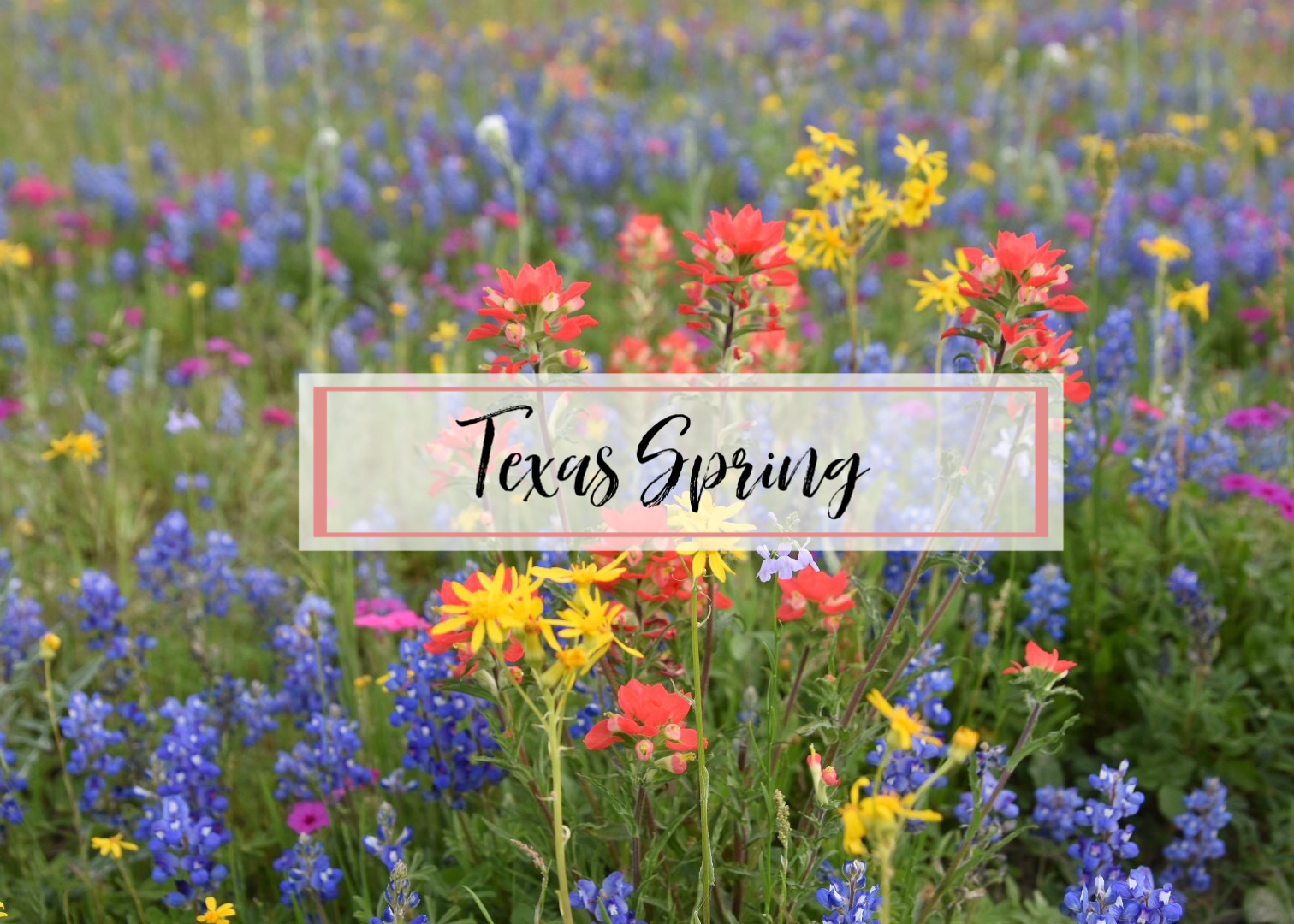
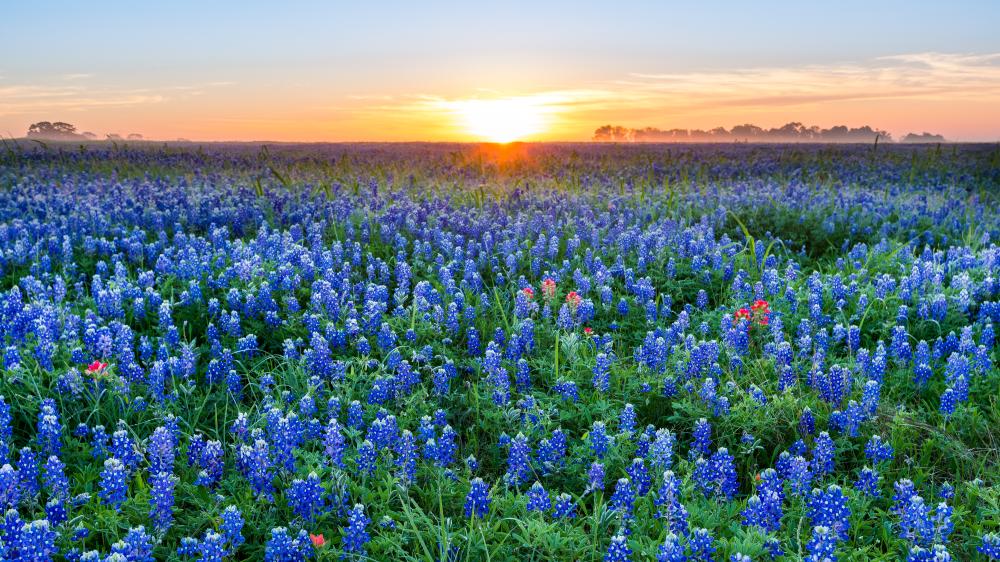
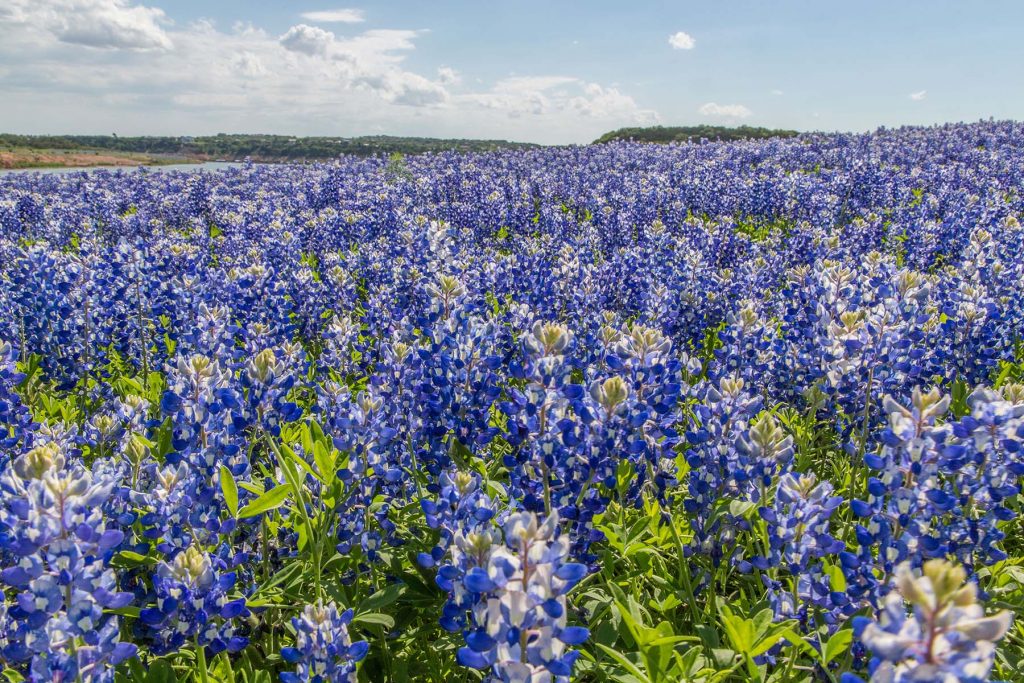
The most iconic symbol of Texas spring is undoubtedly its wildflowers, and March is when their most prolific displays begin. The Texas Department of Transportation’s efforts to sow wildflower seeds along highways result in stunning roadside carpets, most famously the vibrant bluebonnets. While the peak bloom can vary slightly year to year based on rainfall and temperature, late March typically heralds the most glorious showcasing of these beloved flowers. Other wildflowers like Indian paintbrush, redbuds, and Mexican plums join the chorus, painting the landscape in a riot of reds, yellows, and purples. Prime viewing locations, such as the Texas Hill Country and areas around Ennis, become prime destinations for photographers and nature enthusiasts.
Pleasant Temperatures and Outdoor Activities
Beyond the visual feast, March offers some of the most pleasant weather for outdoor pursuits across Texas. Temperatures typically range from the comfortable 60s to the low 80s Fahrenheit, providing an ideal climate for exploring the state’s many attractions. This is the perfect time for hiking in Big Bend National Park, exploring the historic streets of San Antonio, or enjoying a picnic in one of the state’s numerous city parks. Many outdoor festivals and events also kick off in March, capitalizing on the favorable weather and the public’s eagerness to embrace the outdoors after winter. The Houston Livestock Show and Rodeo, a quintessential Texas event, often begins in late February or early March, marking a significant cultural marker of spring’s arrival.
The Extended Embrace: April and May’s Lingering Charms
While March is often considered the peak, the Texas spring season gracefully extends into April and May, offering continued opportunities for enjoyment and exploration, albeit with some regional variations and a subtle shift in its character.
Continued Floral Displays and Shifting Landscapes
The wildflower displays, while perhaps past their absolute zenith in some areas by late April, continue to impress. Different species come into their own as the month progresses, offering a continually evolving floral landscape. In East Texas, the dogwood trees often begin to bloom in April, adding delicate white blossoms to the verdant forests. As May approaches, the focus shifts slightly from wildflowers to the lush greenery of the Texas landscape, with trees fully leafed out and the state appearing at its most vibrant. This is an excellent time for exploring the state’s many lakes and rivers, as temperatures become warm enough for water activities.
Regional Variations and Festival Season
Spring’s arrival and duration can vary significantly across Texas’s vast expanse. South Texas, with its warmer climate, often experiences earlier blooms and a longer spring season, sometimes starting as early as late January or February. Conversely, the Panhandle might see a slightly later emergence due to its more northerly latitude and harsher winters.
April and May are also a bustling period for festivals across the state. From the South Padre Island Songwriters Festival to the Fort Worth Stock Show & Rodeo (though often earlier in the year), and numerous local community events celebrating everything from barbecue to blues music, there’s always something happening. These events provide a fantastic opportunity to immerse oneself in the local Texas culture and experience the joyous spirit of the season. The Texas Bluebonnet Trail in the Hill Country remains a popular drive well into April.
Embracing the Spring Experience: Planning Your Visit
To truly savor the essence of Texas spring, thoughtful planning is essential. Understanding the nuances of the season and the state’s diverse regions will ensure an unforgettable experience.
Timing Your Wildflower Excursion
For those primarily interested in the iconic bluebonnet and other wildflower blooms, late March to mid-April is generally the optimal window. However, it’s crucial to monitor local wildflower reports, as rainfall and temperature fluctuations can influence the exact timing of peak bloom. Websites dedicated to Texas wildflowers and local tourism boards often provide real-time updates. Consider visiting Lady Bird Johnson Wildflower Center in Austin for expert insights and to learn more about the native flora.
Beyond the Blooms: Spring Activities
If wildflowers are not your sole focus, the extended spring months of April and May offer a wealth of other experiences. This period is ideal for exploring the natural beauty of Palo Duro Canyon State Park, visiting the historic missions in San Antonio, or enjoying the vibrant arts scene in Dallas and Fort Worth. The burgeoning culinary scene across Texas also comes alive in spring, with outdoor dining becoming a popular choice. Consider attending a local food festival or enjoying fresh, seasonal ingredients at one of the state’s acclaimed restaurants. The warmer evenings are perfect for experiencing live music, especially in cities like Austin, the “Live Music Capital of the World.”
Packing and Preparation
Spring weather in Texas can be dynamic. While days are generally warm and pleasant, evenings can still be cool, especially in the northern parts of the state. Packing layers is key, including a light jacket or sweater. Comfortable walking shoes are a must for exploring parks, historical sites, and festivals. Don’t forget sunscreen, a hat, and sunglasses, as the Texas sun can be strong even in spring. For those venturing into more remote natural areas, insect repellent might also be advisable. Checking weather forecasts closer to your travel date is always recommended.
By understanding that Texas spring is not a single date but a season of unfolding beauty and activity, visitors can better plan their trips to coincide with their specific interests, whether it’s the riot of wildflowers, the perfect hiking temperatures, or the lively festival scene that defines this cherished time of year in the Lone Star State.
LifeOutOfTheBox is a participant in the Amazon Services LLC Associates Program, an affiliate advertising program designed to provide a means for sites to earn advertising fees by advertising and linking to Amazon.com. Amazon, the Amazon logo, AmazonSupply, and the AmazonSupply logo are trademarks of Amazon.com, Inc. or its affiliates. As an Amazon Associate we earn affiliate commissions from qualifying purchases.