
For outdoor enthusiasts and those seeking a deeper connection with the natural landscape of Oklahoma, small game hunting represents a storied tradition. As the seasons shift across the Southern Plains, understanding the regulatory framework and the seasonal timing for squirrel hunting is essential for both novice and experienced hunters. The state, characterized by its diverse terrain—ranging from the dense oak-hickory forests of the east to the rolling grasslands of the west—provides a robust habitat for both Eastern Gray and Fox squirrels.
Understanding the Regulatory Calendar
The Oklahoma Department of Wildlife Conservation manages the wildlife resources of the state with precision, ensuring that hunting practices remain sustainable. Unlike some game species that are restricted to brief windows, squirrel season in Oklahoma is remarkably generous, reflecting the healthy population densities across the region.
The Standard Hunting Window
Typically, the squirrel season opens on May 15th and extends through February 28th of the following year. This long-duration window allows hunters to experience the variety of the state’s climate, from the lush, humid greenery of late spring to the crisp, dormant atmosphere of mid-winter. By providing such an extensive timeframe, the state encourages outdoor engagement throughout the majority of the year, providing ample opportunity for those who enjoy the pursuit of small game.
Daily Bag Limits and Possession
It is important for participants to remain cognizant of the limitations imposed by wildlife authorities. The current regulations stipulate a daily bag limit of 10 squirrels per person, with a possession limit of 20. These figures are subject to change based on annual population surveys, and hunters are strongly encouraged to consult the official Oklahoma Hunting Regulations guide issued annually. Adherence to these limits is a cornerstone of ethical hunting and conservation, ensuring that the ecological balance of regions like the Ozark Mountains or the Ouachita National Forest remains intact for future generations.
Strategic Timing for the Best Experience
While the legal season spans several months, the quality of the hunting experience fluctuates significantly depending on the time of year. Factors such as foliage density, temperature, and squirrel behavior patterns dictate when a hunter might find the most success.
Late Spring and Early Summer
When the season commences in mid-May, the forest canopy is lush and full. During this period, squirrels are highly active as they forage for new plant growth, budding nuts, and insects. Hunting in early summer requires a different level of skill; the heavy leaves provide excellent cover for the squirrels, demanding patience and keen observation from the hunter. It is also a period where early mornings offer a reprieve from the summer heat, making it an ideal time for those who enjoy the serenity of sunrise in the woods.
The Autumn Transition
As the calendar turns toward September and October, the hunting experience changes dramatically. As temperatures drop and the leaves begin to turn, the canopy thins. Squirrels become more visible and more focused on caching food for the winter months. This period is widely considered the peak of the season. In areas such as Tulsa or Broken Bow, the changing colors of the deciduous trees create a stunning backdrop for outdoor activities. During these months, squirrels are frequently found near oak and hickory trees, busily gathering mast, which allows hunters to identify productive locations with greater ease.

Winter Challenges
As the season enters its final phase in January and February, the landscape turns stark and quiet. For those who enjoy the solitude of the late winter, this is a prime time to hunt. Squirrels are less active during freezing temperatures and tend to spend more time in their dens, yet they must still venture out to feed. Hunters who are willing to brave the cold often find the quietest, most peaceful environments, with very little competition from other outdoorsmen.
Habitat and Location Selection
Success in the field is largely dependent on choosing the right environment. Oklahoma features a diverse geography that supports large squirrel populations, though knowing where to look is half the battle.
Identifying Productive Ecosystems
Eastern Gray and Fox squirrels have specific preferences. The Eastern Gray squirrel, generally smaller and faster, prefers the dense, mature hardwood forests, particularly those found in eastern Oklahoma. These animals are often found in high-canopy areas where they can traverse the trees with agility. Conversely, the Fox squirrel is larger and often more comfortable in open woodlands or along the edges of agricultural fields. They are frequently spotted in the transition zones where a forest meets a meadow, making them a common sight in the central parts of the state near Oklahoma City.
Public Lands Versus Private Property
The state offers a wealth of public land opportunities for those without access to private acreage. Wildlife Management Areas, often managed by the Oklahoma Department of Wildlife Conservation, provide thousands of acres of public access. Regions near the Wichita Mountains Wildlife Refuge provide unique terrain, though hunters must be careful to check specific area regulations, as some public lands may have unique restrictions or closures depending on the time of year or specific conservation initiatives in place.
Ethics and Conservation Stewardship
Hunting in Oklahoma is about more than just the harvest; it is about stewardship of the land and respect for the game. Practicing ethical hunting ensures that the sport remains viable and that the natural beauty of the state’s woodlands is preserved.
Responsible Hunting Practices
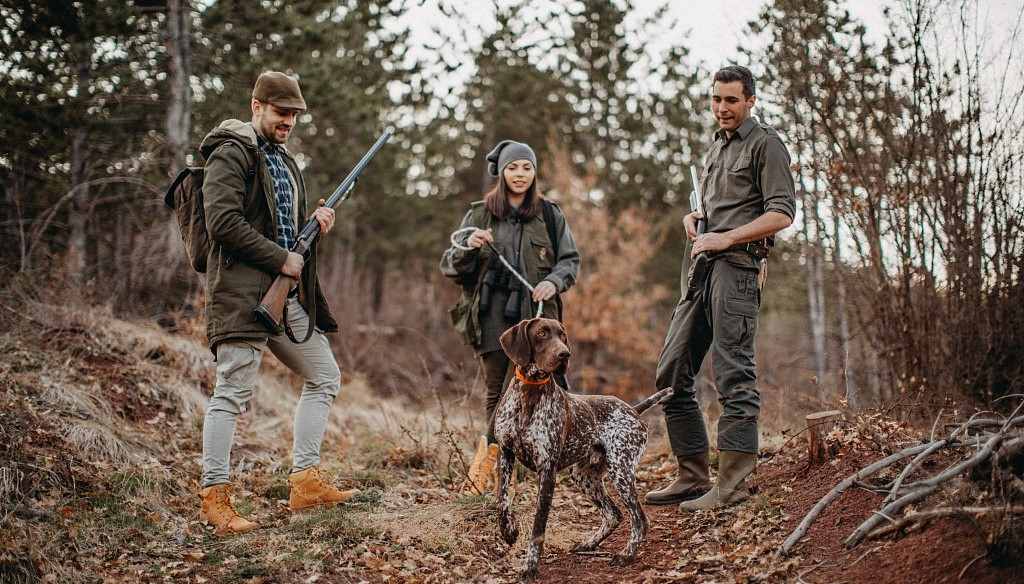
The core of ethical hunting lies in fair chase, proper identification, and minimal waste. Hunters are encouraged to use appropriate equipment and to ensure they have a clear understanding of the local ecology. When entering areas like the Green Country region, hunters should also be mindful of other forest users, including hikers and wildlife photographers. Practicing “Leave No Trace” principles is essential, ensuring that no trash is left behind and that the forest remains as pristine as it was found.
The Importance of Licensing
Every individual participating in the harvest of small game must possess the appropriate licenses. The funds generated through the sale of hunting licenses in Oklahoma are directly reinvested into habitat restoration and conservation projects. By participating, hunters are essentially financing the protection of the very landscapes they enjoy. Before heading out, one should ensure all documentation is in order and clearly understood. Whether you are a resident or a visitor looking to explore the natural heritage of the South Central United States, the state provides a welcoming environment for those who respect its rules and its rhythms.
By adhering to the established seasons and participating with a sense of environmental responsibility, hunters can enjoy the vibrant and productive landscapes of Oklahoma for many seasons to come. Whether you prefer the warmth of the late spring sun or the biting air of a February morning, the forests await with opportunities for reflection, skill-building, and a genuine connection to the wild.
LifeOutOfTheBox is a participant in the Amazon Services LLC Associates Program, an affiliate advertising program designed to provide a means for sites to earn advertising fees by advertising and linking to Amazon.com. Amazon, the Amazon logo, AmazonSupply, and the AmazonSupply logo are trademarks of Amazon.com, Inc. or its affiliates. As an Amazon Associate we earn affiliate commissions from qualifying purchases.