
For connoisseurs of fine seafood and travelers seeking authentic culinary experiences, the mention of Florida often conjures images of pristine beaches, vibrant culture, and, most importantly, the succulent delight of stone crabs. This unique crustacean offers a taste of the Sunshine State’s abundant marine life, but unlike many year-round delicacies, stone crabs are a seasonal treasure. Understanding when this season occurs is crucial for anyone planning a visit centered around savoring this highly sought-after delicacy, making it an essential piece of knowledge for tourism in the region. The stone crab season in Florida is not merely a period for harvesting; it’s a cultural phenomenon, a significant economic driver for coastal communities, and a highlight for culinary tourism.
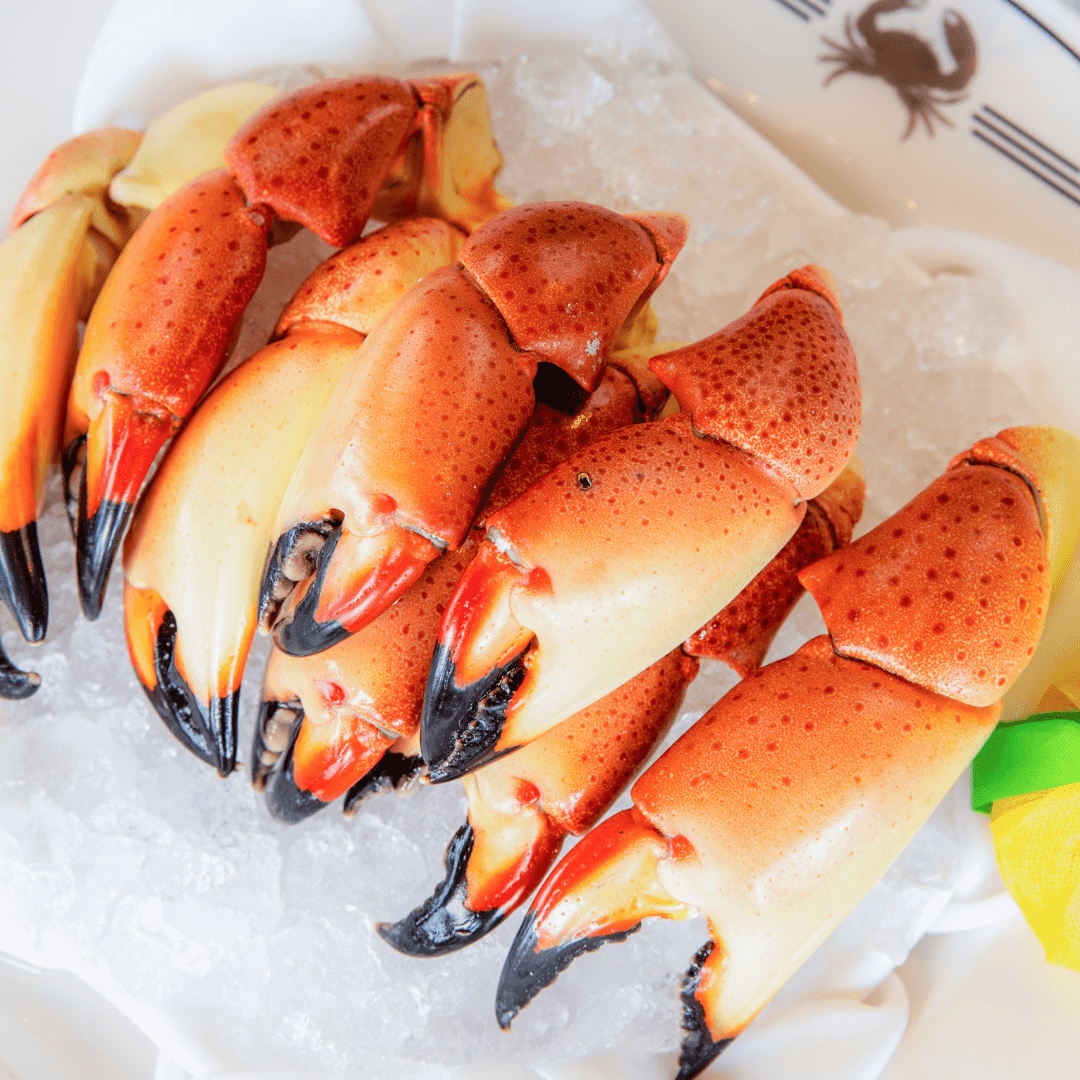
The Allure of Florida Stone Crabs: A Culinary Tradition
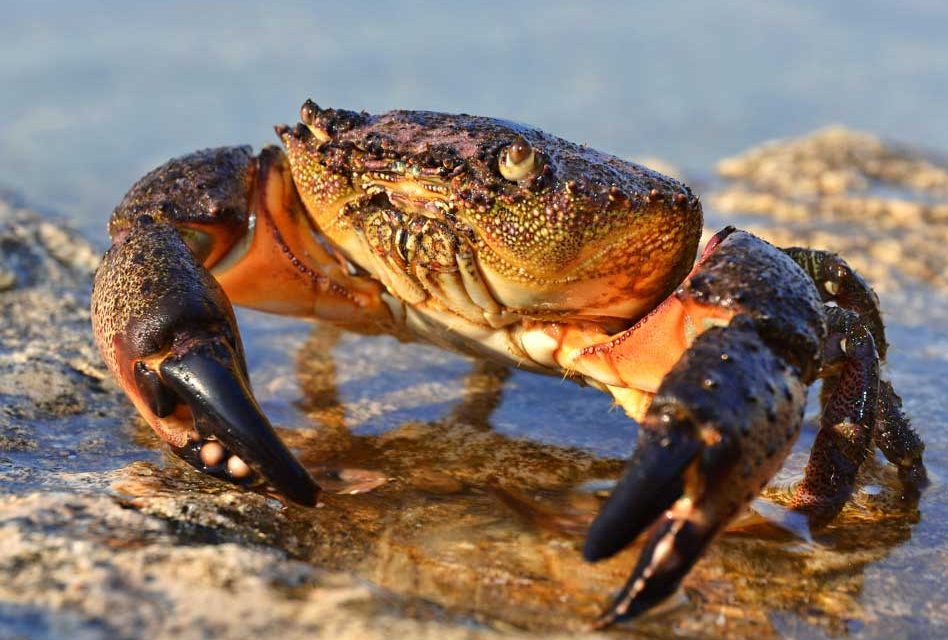
The stone crab (Menippe mercenaria) is more than just a menu item; it’s a symbol of Florida’s rich marine heritage and a testament to sustainable fishing practices. Its distinctive taste and unique harvesting method set it apart from other crab species, making it a must-try for any food-focused traveler.
A Brief History and Ecological Significance
Stone crabs have been a part of Florida’s coastal diet for centuries, initially by indigenous populations and later by European settlers. The commercial fishery, however, gained prominence in the 20th century, growing into a multi-million dollar industry. What makes the stone crab fishery particularly remarkable from an ecological standpoint is its sustainable nature: only the claws are harvested, and the live crab is returned to the ocean where it can regenerate its lost limb. This practice, unique in the seafood industry, ensures the long-term viability of the species and the health of the marine ecosystem. The crabs inhabit seagrass beds and oyster reefs, playing a vital role in their respective ecosystems. This sustainable approach is a point of pride for Florida’s tourism and fishing industries, aligning perfectly with responsible travel values. Many visitors are fascinated by this process, adding an educational layer to their culinary adventure.
The Distinctive Taste and Texture
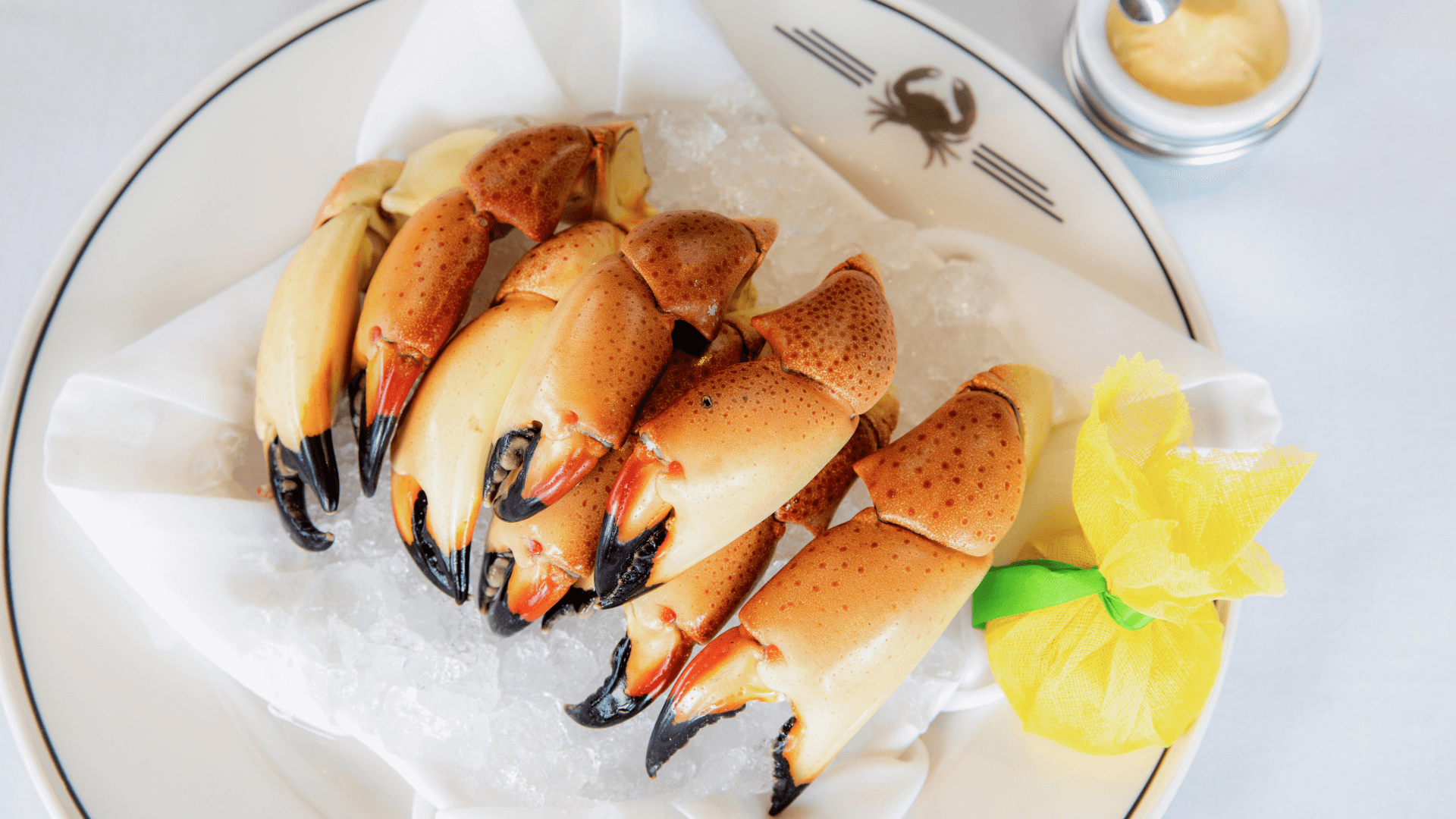
What sets stone crab claws apart is their firm, sweet meat, reminiscent of lobster but with its own distinct, delicate flavor. It’s often described as richer and slightly brinier than blue crab, yet less intense than king crab. The texture is notoriously dense and meaty, making it incredibly satisfying. Typically served chilled, often with a tangy mustard sauce, the simplicity of preparation allows the natural flavors of the crab to shine. This delicacy is not just about the taste; it’s an experience. Cracking open a stone crab claw is an engaging activity, a ritual that enhances the enjoyment. For tourists, encountering this unique flavor profile often becomes one of the most memorable aspects of their Florida trip, contributing significantly to the local food culture and overall tourism appeal.
Navigating the Stone Crab Season: Key Dates and Regulations
Understanding the official stone crab season dates and the regulations surrounding their harvest is paramount for both commercial fishermen and curious tourists alike. These guidelines are in place to ensure sustainability and the continued abundance of this precious resource.
Official Season Dates: Mark Your Calendar
The highly anticipated stone crab season in Florida officially begins on October 15th and concludes on May 15th of the following year. This seven-month window is when fresh stone crab claws are legally harvested and available to the public. Outside of these dates, it is illegal to harvest or possess stone crab claws, a regulation strictly enforced to protect the species during its spawning and growth periods. For travelers planning a culinary trip, timing their visit within this period is essential. Early season (October-November) often brings excitement and abundant catches, while late season (April-May) can still offer excellent quality but sometimes with higher demand. These dates are carved into the calendars of seafood enthusiasts and local businesses, shaping tourism cycles in coastal areas.
Understanding Harvesting Rules and Sustainability
The sustainable nature of the stone crab fishery is enshrined in its regulations. Only claws that meet a minimum size requirement (at least 2¾ inches in length, measured from the tip of the immovable finger to the first joint of the movable finger) can be harvested. Fishermen are allowed to take one or both claws, provided they meet the size criteria. The crab itself must be immediately returned to the water, allowing it to regenerate its lost limb within approximately 12 to 18 months. This unique “claw-only” harvest method is a cornerstone of the fishery’s long-term health, ensuring that crabs can continue to reproduce and contribute to the population. For tourists, knowing about these practices not only adds to the appreciation of their meal but also highlights Florida’s commitment to marine conservation, aligning with eco-tourism values. Public awareness campaigns often educate visitors on these rules, fostering a sense of shared responsibility.
Licensing and Conservation Efforts
Commercial stone crab harvesting requires specific licenses and adherence to strict guidelines enforced by the Florida Fish and Wildlife Conservation Commission (FWC). These regulations cover everything from trap design and placement to reporting requirements, all aimed at monitoring the population and preventing overfishing. Recreational harvesting is also permitted, but with even stricter limits (e.g., a daily bag limit of one gallon of claws per person or two gallons per vessel, whichever is less) and often requiring a recreational saltwater fishing license. The FWC continually monitors the stone crab population and adjusts regulations as needed, demonstrating a proactive approach to conservation. This commitment ensures that the stone crab remains a viable and celebrated part of Florida’s marine bounty for future generations of residents and tourists alike. Educating tourists about these efforts enhances their understanding of local culture and environmental stewardship.
Where to Savor the Fresh Catch: Prime Destinations and Dining
While stone crabs can be found across much of Florida’s coastline, certain regions and establishments have become synonymous with the ultimate stone crab experience, drawing in tourists from around the globe.
Top Florida Cities for Stone Crabs
Several Florida cities are renowned for their stone crab offerings, each providing a unique atmosphere for enjoying this delicacy. Miami boasts upscale restaurants and a vibrant nightlife where stone crabs are a seasonal highlight. Here, you can find them in chic establishments catering to an international clientele. Naples, on the Gulf Coast, offers a more relaxed, luxurious setting with numerous waterfront dining options known for their fresh catches. Key West, at the very tip of the Florida Keys, combines its quirky charm with excellent seafood shacks and fine dining experiences, often with a picturesque view of the sunset. Another hidden gem is Everglades City, often called the “Stone Crab Capital of the World,” a small, rustic town where many stone crab boats dock, offering an incredibly fresh, authentic, and no-frills experience right from the source. Other notable cities include Fort Lauderdale, Sarasota, St. Petersburg, and Tampa, each with their own local favorites and bustling seafood markets. These cities become significant tourist hubs during the season, with local businesses leveraging the popularity of the crab to attract visitors.
Renowned Restaurants and Seafood Markets
To truly experience stone crabs, visiting establishments that specialize in them is key. Many restaurants pride themselves on serving fresh-off-the-boat claws. Joe’s Stone Crab in Miami Beach is perhaps the most famous, an institution that has been serving stone crabs for over a century, drawing crowds from all over the world. While a visit to Joe’s is an iconic experience, countless other local establishments offer fantastic stone crabs, often with a more local flair. Seafood markets, particularly in coastal towns, are excellent places to purchase fresh claws to enjoy at your accommodation. Many of these markets will even crack the claws for you, making them ready to eat. Look for establishments that display signs proclaiming “Fresh Stone Crabs” during the season. Engaging with local fishermen or market vendors can also provide valuable insights into the industry and the best ways to enjoy the crabs, enriching the tourist’s experience of local culture and food.
Experiencing a Stone Crab Festival
Beyond individual restaurants, some communities embrace the stone crab season with dedicated festivals. These events are fantastic for tourists looking to immerse themselves in local culture and celebrate the culinary highlight. The Everglades City Seafood Festival, held annually, is a prime example, though it celebrates all seafood, stone crabs are undoubtedly the star. Other smaller local festivals or events may pop up throughout the season, especially in towns with strong fishing communities. These festivals often feature live music, arts and crafts, and, of course, an abundance of stone crab claws, offering a festive, family-friendly atmosphere. Attending such an event provides a deeper connection to the local community and is a memorable way to experience the stone crab season beyond just a meal. It’s a clear example of how food culture drives tourism and creates unique local activities.
Beyond the Plate: Stone Crab Season as a Tourist Experience
The allure of stone crab season extends beyond the culinary experience; it intertwines with broader travel and tourism opportunities, offering a unique lens through which to explore Florida’s diverse attractions.
Combining Culinary Delights with Florida Adventures
For the discerning traveler, stone crab season presents an ideal opportunity to combine world-class dining with other enriching activities. Imagine a day spent exploring the unique ecosystems of the Everglades National Park, followed by a delightful evening feasting on fresh stone crabs in Everglades City. Or perhaps, a morning on the white sand beaches of Naples, followed by a waterfront stone crab dinner. In Key West, the season perfectly complements sunset cruises, historic tours, and vibrant street performances. Even in bustling Miami, a visit to a museum or an art gallery can be wonderfully capped off with a premium stone crab meal. The seasonal nature of the crabs adds an element of exclusivity and urgency, encouraging tourists to plan their visits strategically to experience this unique combination of nature, culture, and gastronomy. This synergy enhances the overall tourism product of Florida, offering more than just sun and sand.
Tips for the Discerning Traveler
To make the most of your stone crab experience, a few tips are invaluable. First, always confirm the season dates if planning a trip specifically for stone crabs, as minor adjustments can occasionally occur due to environmental factors. Second, consider making reservations, especially at popular restaurants like Joe’s Stone Crab, as they can get extremely busy during peak season. Third, don’t be afraid to explore local seafood markets. Buying fresh claws directly from a market and enjoying them as a picnic on the beach or back at your accommodation can be a more intimate and often more cost-effective experience. Finally, be mindful of the cost; stone crabs are a luxury item, and prices can fluctuate based on supply and demand throughout the season. Embrace the process of cracking the claws; it’s part of the authentic experience! These insights help tourists plan better and engage more deeply with the local food scene, transforming a meal into a memorable travel activity.
Supporting Local Communities and Sustainable Tourism
By participating in the stone crab season, tourists directly contribute to the local economies of Florida’s coastal communities. The fishery supports thousands of jobs, from the crabbers themselves to restaurant staff and market vendors. Opting for locally caught stone crabs supports sustainable fishing practices and helps preserve a cherished cultural tradition. Choosing to dine at locally owned restaurants and purchase from independent seafood markets further amplifies this positive impact. This form of tourism not only satisfies culinary desires but also fosters a deeper connection between visitors and the communities they explore, promoting responsible and enriching travel. The stone crab season thus becomes a vital component of Florida’s tourism strategy, attracting visitors who value unique local experiences, environmental stewardship, and community support, ensuring the tradition thrives for generations to come.
LifeOutOfTheBox is a participant in the Amazon Services LLC Associates Program, an affiliate advertising program designed to provide a means for sites to earn advertising fees by advertising and linking to Amazon.com. Amazon, the Amazon logo, AmazonSupply, and the AmazonSupply logo are trademarks of Amazon.com, Inc. or its affiliates. As an Amazon Associate we earn affiliate commissions from qualifying purchases.