
Florida, affectionately known as the Sunshine State, is a premier destination for travelers worldwide, boasting pristine beaches, vibrant cities, world-class theme parks, and unparalleled natural beauty. From the magical enchantment of Orlando’s attractions to the Art Deco charm of Miami Beach, and the laid-back island vibes of the Florida Keys, there’s an adventure waiting for every type of explorer. However, for those planning a trip, understanding the state’s storm season is crucial for a smooth and enjoyable experience. While the allure of Florida remains strong year-round, awareness of potential weather patterns allows for better preparation, ensuring your vacation memories are filled with sunshine, not stress.
Navigating the nuances of Florida’s weather calendar is an essential part of responsible travel planning. This comprehensive guide aims to equip you with all the necessary information, from the official dates of hurricane season to practical tips for booking accommodations, travel insurance, and making the most of your journey regardless of the skies above. By understanding the storm season and integrating proactive planning into your itinerary, you can unlock the full potential of your Florida adventure, ensuring safety, comfort, and unforgettable experiences. Whether you’re a first-time visitor or a seasoned Florida enthusiast, this knowledge will empower you to travel smarter, enjoy deeper, and embrace all that this dynamic state has to offer.
Understanding Florida’s Hurricane Season
Florida’s unique geographical position, nestled between the Atlantic Ocean to the east and the Gulf of Mexico to the west, makes it particularly susceptible to tropical weather systems. The official Atlantic Hurricane Season, which affects Florida directly, runs for half the year, influencing travel decisions for millions. While the term “storm season” might conjure images of constant torrential downpours or severe weather, it’s vital to grasp that this period doesn’t mean non-stop disruption. Instead, it signifies an increased likelihood of tropical depressions, Tropical Storms, and Hurricanes forming and potentially impacting the state. Understanding the rhythm of this season, including its peak times and the types of weather events you might encounter, is the first step toward a well-prepared visit.
Key Dates and Peak Activity
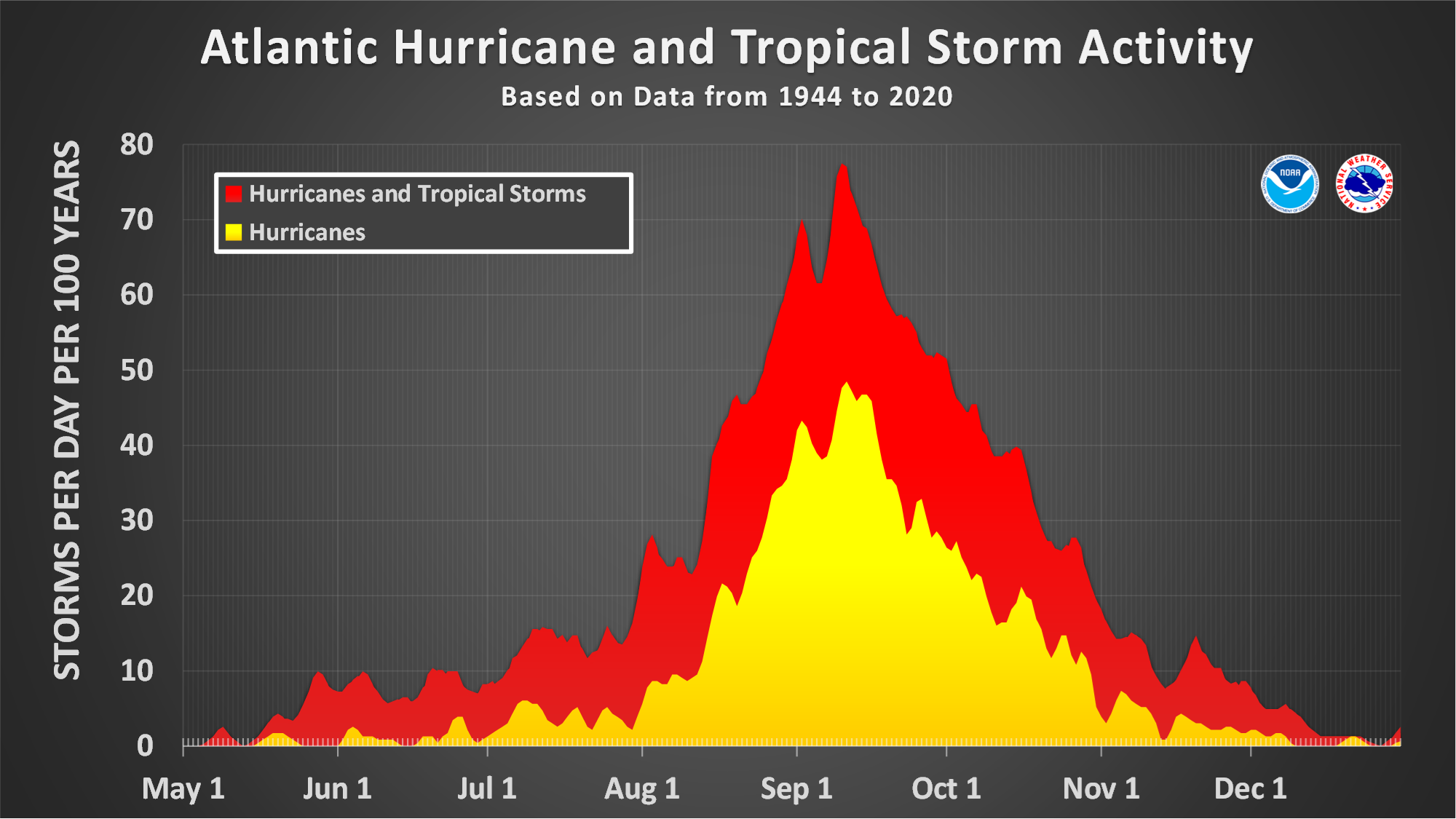
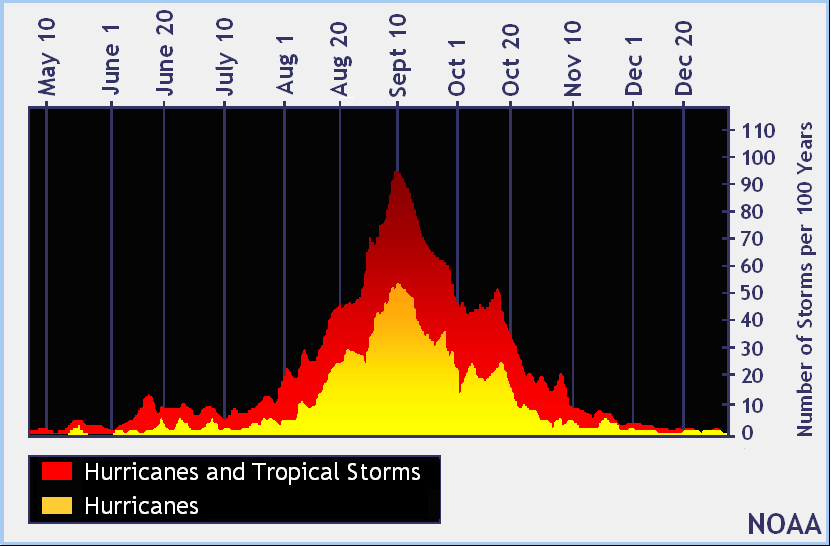
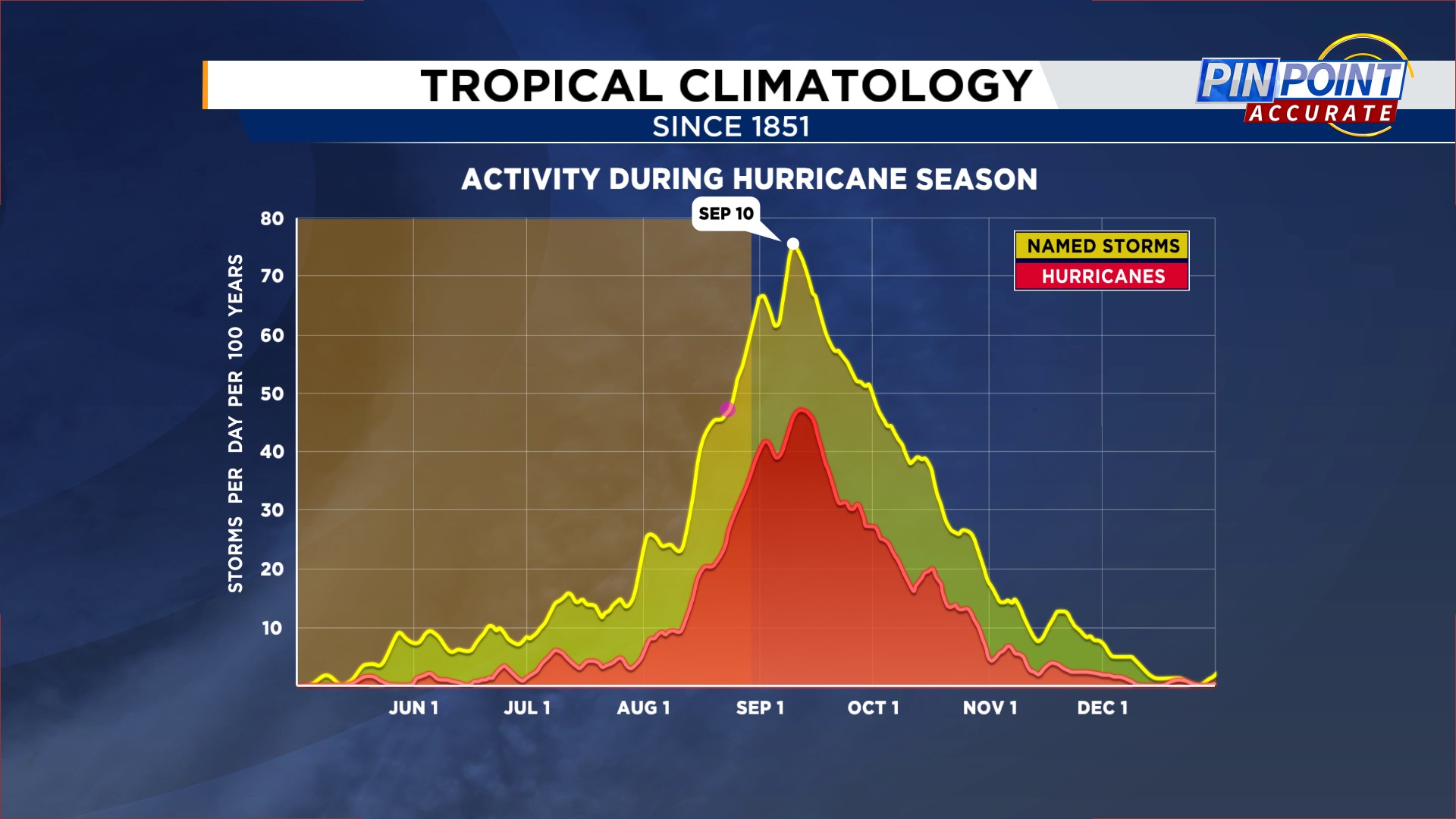
The Atlantic Hurricane Season officially begins on June 1st and concludes on November 30th each year. This six-month window is when conditions in the Atlantic Ocean, Caribbean Sea, and Gulf of Mexico are most conducive to the formation of tropical cyclones.
While the season spans half the year, it’s not uniformly active. The peak of hurricane season typically occurs from mid-August through late October, with September being historically the most active month. During this peak period, sea surface temperatures are warmest, and atmospheric conditions are often most favorable for storm development and intensification. This doesn’t mean storms don’t occur outside this window – they can, and sometimes do, in June, July, or November – but the probability of encountering a significant weather event is generally lower in the early and late parts of the season.
Forecasting services, such as the National Hurricane Center (NOAA), continuously monitor the tropics, providing updates and warnings well in advance. For travelers, this means there’s usually ample time to adjust plans if a significant storm threat emerges.
Types of Storms to Expect
During Florida’s storm season, visitors might encounter a range of weather phenomena:
- Tropical Depressions: These are organized systems of clouds and thunderstorms with a defined surface circulation and maximum sustained winds of less than 39 mph (62 km/h). They can bring heavy rain and gusty winds but are generally not considered dangerous to property or life, though localized flooding can occur.
- Tropical Storms: When a tropical depression intensifies, it becomes a Tropical Storm, with sustained winds ranging from 39 mph (63 km/h) to 73 mph (118 km/h). At this stage, the storm is given a name. Tropical Storms can bring significant rainfall, strong winds, and coastal flooding, potentially disrupting travel plans and outdoor activities.
- Hurricanes: A Tropical Storm becomes a Hurricane when its maximum sustained winds reach 74 mph (119 km/h) or higher. Hurricanes are categorized on the Saffir-Simpson Hurricane Wind Scale from Category 1 (minor damage) to Category 5 (catastrophic damage). A direct hit from a Hurricane can cause widespread damage, power outages, and severe flooding, often necessitating evacuations. While a powerful Hurricane is a rare occurrence for any single location, their potential impact is why comprehensive planning during storm season is so important.
- Pop-up Thunderstorms: Aside from tropical systems, Florida is famous for its daily afternoon thunderstorms, especially during the summer months (June, July, August). These are typically brief, intense downpours that clear up quickly, leaving behind sunny skies. While not part of “hurricane season” per se, they are a common feature of Florida’s warm climate and something visitors should be prepared for, especially if planning outdoor activities. They usually pose little threat beyond temporary inconvenience.
Planning Your Florida Trip During Storm Season
Traveling to Florida during hurricane season doesn’t have to be a deterrent; in fact, many travelers find it offers unique advantages like fewer crowds and potentially lower prices for flights and accommodations. However, it does necessitate a more strategic approach to planning. By prioritizing flexibility, protection, and preparedness, you can enjoy a fantastic Florida vacation with peace of mind. This section delves into the practical steps and considerations for a worry-free journey.
Travel Insurance and Flexible Bookings
One of the most critical aspects of planning a trip during storm season is securing adequate protection.
- Travel Insurance: Investing in comprehensive travel insurance is highly recommended. Look for policies that specifically cover trip cancellation or interruption due to weather events, including Hurricanes and Tropical Storms. Some policies offer “cancel for any reason” clauses, which provide ultimate flexibility, albeit at a higher premium. Be sure to read the fine print, as most policies require you to purchase insurance before a storm is named or becomes a credible threat. This precaution can safeguard your financial investment in flights, hotels, and activities should your plans be derailed by unforeseen weather.
- Flexible Bookings: When reserving flights and accommodations, prioritize options with flexible cancellation or rebooking policies. Many airlines and hotels, especially during the storm season, offer waivers or reduced fees for changes if a named storm threatens your destination. Opt for hotels and resorts that explicitly state their hurricane policies, detailing procedures for cancellations, refunds, or credits. This flexibility can be a game-changer if you need to adjust your travel dates or destination at the last minute. Look for options with free cancellation up to a certain point before check-in.
Choosing Accommodation Wisely
Your choice of accommodation plays a significant role in your storm season experience.
- Location, Location, Location: Consider the location of your resort or rental. Coastal properties, especially those directly on the beach, may be more vulnerable to storm surge and might be subject to mandatory evacuations sooner than inland accommodations. While the appeal of oceanfront views is undeniable, inland options in cities like Orlando (which is rarely directly impacted by severe hurricane winds due to its central location, though heavy rain and power outages can occur) or Gainesville might offer greater peace of mind.
- Hurricane Preparedness Plans: When booking hotels or resorts, especially larger establishments like a Ritz-Carlton or Four Seasons property, inquire about their hurricane preparedness plans. Reputable resorts often have robust procedures in place for guest safety, including emergency power generators, food and water supplies, secure shelters, and clear communication strategies. Many will communicate these plans proactively if a storm is on the horizon.
- Amenities and Services: If a storm does cause temporary disruptions, having access to on-site amenities like restaurants, indoor activities, and entertainment can make a significant difference. Consider resorts that offer a wide range of facilities, especially if you anticipate spending more time indoors. For example, Walt Disney World Swan and Dolphin Resort or Disney’s Grand Floridian Resort & Spa are known for their comprehensive services.
Best Practices for Staying Safe
Should a storm threaten your Florida vacation, these safety tips are paramount:
- Stay Informed: Monitor local weather forecasts from reliable sources like the National Hurricane Center (NOAA) or local news channels. Most hotels will also provide updates.
- Follow Official Guidance: Heed all warnings and evacuation orders issued by local authorities. Your safety is the top priority.
- Emergency Kit: While most hotels are prepared, it’s wise to carry a small personal emergency kit with essentials like medications, a power bank for your phone, a flashlight, and any vital documents.
- Communication Plan: Share your itinerary and contact information with family or friends back home. Have a plan for how you’ll communicate with them if cell service is disrupted.
- Don’t Underestimate Water: Tropical Storms and Hurricanes often bring heavy rainfall, which can cause significant inland flooding. Never drive or walk through flooded areas. Storm surge near coastal areas is also extremely dangerous.
Exploring Florida Outside the Peak Season
While the peak hurricane season (mid-August to late October) requires careful consideration, the shoulder seasons – late spring/early summer (June, early July) and late fall (November) – often present an ideal balance for visitors. These periods typically offer pleasant weather, fewer crowds, and attractive pricing, with a lower probability of major storm impacts compared to the core of the season.
Advantages of Shoulder Season Travel
Traveling during Florida’s shoulder seasons can significantly enhance your trip:
- Fewer Crowds: Outside of major holidays, you’ll likely encounter shorter lines at popular attractions in Orlando and theme parks, less congested beaches in Miami, Clearwater Beach, or St. Petersburg, and easier access to top restaurants and tour operators. This allows for a more relaxed and authentic experience, whether you’re exploring the historic streets of St. Augustine or venturing into the natural wonders of Everglades National Park.
- Lower Prices: Accommodation, flights, and even some activities tend to be more budget-friendly during the shoulder months. Hotels, from luxury resorts like The Breakers Palm Beach to family-friendly suites, often offer competitive rates to attract guests, presenting excellent value for those pursuing a “luxury travel” experience without the peak season price tag. This can be a boon for “budget travel” enthusiasts looking to stretch their vacation dollar further.
- Pleasant Weather (Mostly): While June and July can be hot and humid with daily thunderstorms (which usually pass quickly), November often brings cooler, drier, and wonderfully comfortable weather across much of the state, making it perfect for outdoor exploration. Even early June can be quite enjoyable before the most intense summer heat and before hurricane activity typically ramps up.
- Enhanced Experiences: With fewer people, you might find local cultural experiences more accessible and intimate. Whether it’s a cooking class in Sarasota, a wildlife tour near Naples, or simply enjoying a quiet sunrise on Cocoa Beach, the atmosphere is often more serene.
Alternative Destinations and Activities
Even if you find yourself in Florida during a period of inclement weather, there are numerous ways to salvage your trip and discover new facets of the state.
- Theme Park Resilience: Orlando’s major theme parks, including Walt Disney World Resort and Universal Orlando Resort, are exceptionally well-prepared for weather events. Many attractions are indoors, and the parks have robust safety protocols. They may close early or temporarily during severe weather but often reopen quickly. They also have excellent indoor dining and shopping options.
- Museums and Cultural Sites: Cities across Florida boast a wealth of museums, art galleries, and cultural centers. In Miami, explore the Pérez Art Museum Miami or the Phillip and Patricia Frost Museum of Science. Tampa offers the Salvador Dalí Museum in nearby St. Petersburg and the Tampa Museum of Art. St. Augustine has a plethora of historic indoor attractions like the Lightner Museum.
- Shopping and Entertainment Complexes: Large shopping malls and entertainment districts like Pointe Orlando, Mall at Millenia, or Sawgrass Mills near Fort Lauderdale offer hours of indoor enjoyment, from retail therapy to dining and movie theaters.
- Indoor Attractions: Consider attractions like the Kennedy Space Center Visitor Complex (which has many indoor exhibits), aquariums like Clearwater Marine Aquarium or SeaWorld Orlando (which also has indoor shows and exhibits), or even indoor water parks that some resorts offer. Busch Gardens Tampa Bay also has a mix of indoor and outdoor attractions.
Making the Most of Your Florida Adventure
Even with the possibility of storms, Florida remains an incredibly rewarding destination. The key is to approach your trip with a positive attitude and a flexible mindset. Acknowledging the weather realities of the storm season and preparing for them allows you to focus on the myriad of experiences that await, whether it’s soaking up the sun, exploring diverse cultures, or indulging in thrilling attractions.
Staying Informed and Prepared
Proactive engagement with reliable information sources is your best ally during storm season.
- Leverage Technology: Download weather apps that provide real-time updates and alerts. Follow official government social media accounts (e.g., Florida Emergency Management or local county emergency services) for immediate information.
- Hotel Communications: Your accommodation choice is often your first line of defense for local information. Large hotel chains and resorts, such as Marriott or Hilton, or specialized properties like Loews Portofino Bay Hotel at Universal Orlando Resort, are adept at communicating with guests during weather events, providing updates on park closures, amenities, and safety procedures. Pay close attention to any notices they provide.
- Local News: Tune into local TV or radio stations for highly localized weather updates and emergency instructions, which can be crucial if you are exploring areas like South Florida or the Florida Keys that are more exposed.
Embracing the “Plan B” Mindset
Part of enjoying Florida during storm season is being open to adjusting your plans.
- Flexibility is Key: A sudden thunderstorm doesn’t mean your day is ruined. It might be an opportunity to try that highly-rated indoor restaurant you saw, visit an unexpected museum, or simply enjoy the amenities of your resort.
- Resort Activities: Many Florida resorts are destinations in themselves. They often feature extensive indoor activities, kids’ clubs, spas, and multiple dining options. If outdoor plans are thwarted, these can provide a delightful alternative.
- Enjoy the Calm After the Storm: Often, storms pass quickly, leaving behind refreshingly clear skies and cooler temperatures. The air can feel crisp, and the landscape vibrant. Many travelers report that some of their most beautiful Florida moments have come right after a passing storm.
In conclusion, Florida’s storm season, from June 1st to November 30th, is a significant consideration for travelers, with the peak occurring from mid-August to late October. However, with careful planning, appropriate travel insurance, flexible bookings, and a proactive approach to safety and information, a fantastic and memorable Florida vacation is absolutely achievable. By understanding the weather patterns, choosing your accommodations wisely, and being prepared for potential changes, you can confidently explore all the stunning destinations, world-class attractions, and unique experiences that the Sunshine State has to offer, regardless of the season. Your adventure in Florida awaits, rain or shine.
LifeOutOfTheBox is a participant in the Amazon Services LLC Associates Program, an affiliate advertising program designed to provide a means for sites to earn advertising fees by advertising and linking to Amazon.com. Amazon, the Amazon logo, AmazonSupply, and the AmazonSupply logo are trademarks of Amazon.com, Inc. or its affiliates. As an Amazon Associate we earn affiliate commissions from qualifying purchases.