
As the golden sun bathes the Golden State in its warm glow, families and educators alike begin to ponder the inevitable question: when does summer break conclude for students in California? This seemingly simple query holds significant weight for numerous reasons, impacting everything from family vacations and travel plans to summer enrichment programs and the logistical preparations of educational institutions. Understanding the nuances of the California academic calendar is crucial for navigating these transitions smoothly.
The California Academic Calendar: A Framework for Summer Break
The California Department of Education, while setting broad guidelines, allows individual school districts significant autonomy in determining their specific academic calendars. This means there isn’t a single, universal end date for summer break across the entire state. Instead, the conclusion of summer vacation is dictated by the start of the fall semester for each respective school district.
District-Level Autonomy and Calendar Variations
Each of California’s over 1,000 school districts meticulously crafts its academic calendar, taking into account local needs, community input, and educational mandates. These calendars typically span from late August or early September to June. Consequently, the end of summer break, which coincides with the commencement of the academic year, will vary from district to district.
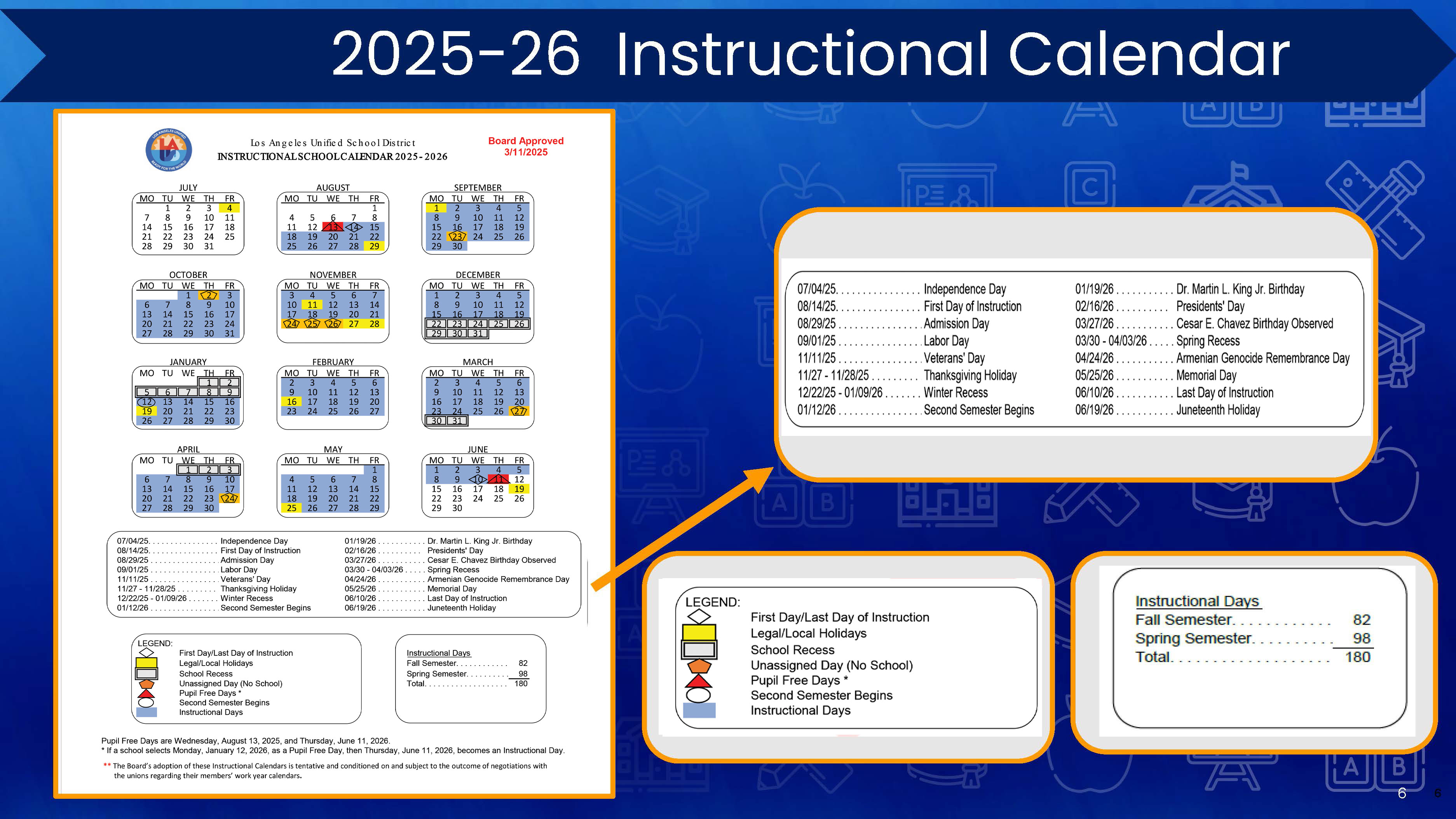
For instance, a school district in Southern California, such as the Los Angeles Unified School District, might have a slightly different start date than a district in Northern California, like the San Francisco Unified School District. These variations, though often only by a few days or a week, are important for families with children attending schools in different districts or for those planning travel that might intersect with the school reopening.
Key Factors Influencing Calendar Decisions
Several factors influence when school districts choose to begin their academic year, thereby signaling the end of summer break:
- Local Climate and Seasonal Activities: In some areas, the local climate might influence the start date. For example, districts in regions with prolonged hot weather might opt for an earlier start to avoid the peak heat of late summer. Conversely, areas with significant seasonal tourism might align their calendars to accommodate local economic factors.
- Teacher Professional Development: A crucial period before students return is dedicated to professional development for teachers. Districts schedule these sessions, which can influence the exact start date of the school year.
- Community Input and Traditional Rhythms: School boards often solicit feedback from parents, students, and community members. This can lead to calendars that align with traditional community rhythms, such as the end of harvest seasons or local festivals.
- State Mandates on Instructional Days: While districts have autonomy over the start and end dates, they must adhere to state requirements for the minimum number of instructional days per academic year. This often results in a similar overall length for the school year across different districts.
Planning Your Summer Adventures: The Importance of Knowing the Date
For families planning summer getaways, the exact end date of summer break is paramount. This information directly impacts the feasibility and enjoyment of various travel experiences.
Navigating Travel Deals and Peak Season
The period immediately preceding the start of the academic year often sees a surge in “back-to-school” travel as families squeeze in one last vacation before the academic year commences. Knowing the precise end date allows travelers to:
- Secure Better Deals: By booking flights and accommodations before the peak demand hits, families can often secure more favorable pricing. This might involve planning trips that conclude just before the official start of school.
- Avoid Crowds: Traveling during the shoulder season, which is the period immediately following the main summer rush and just before the academic year begins, can offer a more relaxed experience with fewer crowds at popular attractions.
- Maximize Family Time: Understanding the return-to-school dates allows for effective planning of family bonding experiences, whether it’s a road trip to Yosemite National Park, a beach holiday in San Diego, or exploring the cultural hubs of San Francisco or Los Angeles.
Summer Programs and Extracurricular Activities
Beyond traditional vacations, many students participate in summer programs, camps, and athletic training. These activities are often scheduled to conclude just before or at the very beginning of the academic year. Parents and guardians need to be aware of the school start dates to ensure their children can transition seamlessly from these programs back into their regular school routines. This includes:

- Summer Camps: From academic enrichment camps to outdoor adventure programs in places like the Sierra Nevada, the end dates are usually aligned with school reopening.
- Sports Camps and Clinics: Many aspiring athletes attend specialized camps during the summer. The conclusion of these often leads directly into fall sports tryouts.
- Summer Internships and Volunteer Work: Older students pursuing internships or volunteer opportunities need to coordinate their schedules with their educational commitments.
How to Find Your Specific School District’s Calendar
Given the decentralized nature of school calendar determination in California, the most reliable way to ascertain when summer break ends is to consult the official website of your child’s specific school district.
Steps to Access Calendar Information
- Identify Your School District: The first step is to confirm the name of the school district your child attends. This can usually be found on school registration documents or by checking your local property records.
- Visit the District Website: Navigate to the official website of your school district. Most districts have user-friendly websites that provide comprehensive information.
- Locate the “Calendar” or “Academic Calendar” Section: On the district’s website, look for sections labeled “Academic Calendar,” “School Calendar,” “District Calendar,” or similar. This is typically found in the main navigation menu or within a “Parents” or “Students” section.
- Review the Academic Year Schedule: The academic calendar will clearly outline the start date of the fall semester, which signifies the end of summer break. It will also detail other important dates such as holidays, mid-semester breaks, and the final day of school.
- Check for District-Wide Announcements: Sometimes, important updates or changes to the calendar are communicated through district-wide announcements or newsletters, which are often accessible on the website.
Examples of Major California School Districts and Their Typical Timelines
While specific dates shift annually, major California school districts generally follow a pattern:
- Los Angeles Unified School District: Typically begins its academic year in mid-to-late August.
- San Diego Unified School District: Often starts classes in late August or early September.
- Sacramento City Unified School District: Generally commences the school year in late August.
- San Francisco Unified School District: Usually opens its doors in late August.
It is imperative to verify these dates directly with the respective district for the current academic year, as slight variations can occur due to specific district policies or unforeseen circumstances. For instance, the Anaheim Elementary School District or the Fremont Unified School District will have their own specific start dates.
The Broader Implications for California Tourism and Lifestyle
The end of summer break in California has tangible effects on the state’s vibrant tourism sector and the lifestyle of its residents. As schools begin to reopen, the demographic of visitors shifts, and the rhythm of daily life changes.
Post-Summer Tourism Shifts
The latter part of August and early September mark a transition period for tourism in California. While the peak summer season, characterized by families and school-aged children, begins to wane, the state still attracts visitors.
- Increased Adult and Couple Travel: With children back in school, there’s often an uptick in travel among adults, couples, and solo travelers who can take advantage of potentially lower prices and fewer family-centric crowds. This can be an ideal time to visit destinations like Napa Valley for wine tasting or to explore the urban attractions of San Francisco without the summer rush.
- Fall Events and Festivals: As summer break concludes, California gears up for its rich fall event calendar. This includes harvest festivals, art fairs, and cultural celebrations that draw both local residents and tourists. The end of summer break often signals the beginning of these highly anticipated seasonal attractions.
- Outdoor Activities: The pleasant weather of early fall in many parts of California makes it an excellent time for outdoor activities. Hiking in the Redwood National and State Parks, exploring the beaches along the Pacific Coast Highway, or visiting national parks like Joshua Tree National Park can be particularly enjoyable during this transitional period.
Lifestyle Adjustments for Families
For families, the end of summer break represents a significant shift in daily routines and lifestyle.
- Return to Structured Schedules: The unstructured days of summer give way to the more regimented schedules of school, extracurricular activities, and homework. This requires a recalibration of family time and household management.
- Community Engagement: As schools reopen, community activities and local events often pick up pace. Parent-teacher organizations become more active, and local sports leagues commence their seasons, fostering a renewed sense of community engagement.
- Seasonal Transitions in Leisure: Leisure pursuits begin to adapt to the changing seasons. While beach days might still be popular in early September, the focus gradually shifts towards indoor activities, community gatherings, and preparation for the upcoming holiday seasons.
In conclusion, while the exact date for the end of summer break for students in California is not a fixed state-wide decree, it is a critical piece of information for effective planning. By understanding the district-level autonomy and actively seeking out the specific academic calendar for their local schools, families can optimize their remaining summer moments and prepare for a smooth transition into the academic year, while also appreciating the ripple effects on California’s dynamic tourism landscape and the lifestyle of its residents.
LifeOutOfTheBox is a participant in the Amazon Services LLC Associates Program, an affiliate advertising program designed to provide a means for sites to earn advertising fees by advertising and linking to Amazon.com. Amazon, the Amazon logo, AmazonSupply, and the AmazonSupply logo are trademarks of Amazon.com, Inc. or its affiliates. As an Amazon Associate we earn affiliate commissions from qualifying purchases.