
The mention of Alaska often conjures images of snow-capped peaks, vast frozen wilderness, and the shimmering dance of the Northern Lights. While these are indeed quintessential Alaskan experiences, there’s another side to the Last Frontier that bursts forth with unparalleled vibrancy: its summer. A season that, while fleeting, is nothing short of spectacular, offering an abundance of light, wildlife, and adventure that draws travelers from across the globe. For those dreaming of a journey to this majestic state, understanding when summer truly graces Alaska is the first step in planning an unforgettable trip. It’s a period defined by long days, flourishing landscapes, and an energy that revitalizes every corner of this wild United States state.
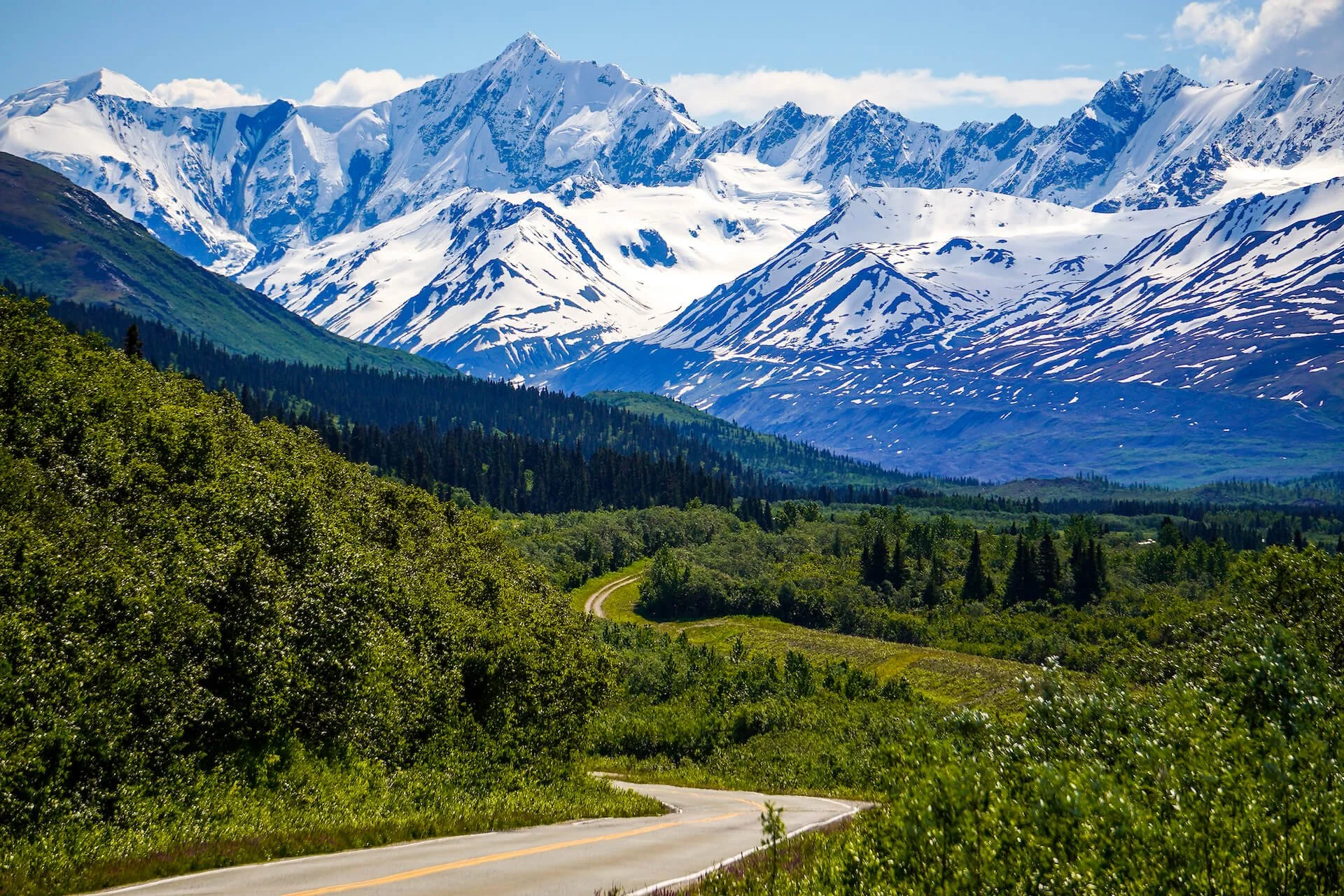
Unveiling Alaska’s Brief but Brilliant Summer Season
Alaska’s summer is not merely a change in temperature; it’s a dramatic transformation, a grand awakening where the land sheds its icy mantle and explodes with life. This season, though shorter than in many other parts of the world, is incredibly intense and packed with opportunities for exploration and discovery. From the bustling port cities to the quiet solitude of its vast national parks, the entire state hums with activity under the near-constant daylight.
Defining the Alaskan Summer Calendar
Generally, Alaskan summer runs from late May through early September. However, this broad window can be broken down further, with each month offering its own distinct charm and set of experiences.
-
May: The Awakening. Late May marks the true beginning of the season. Snow begins to melt rapidly, trees start to bud, and migratory birds return. Temperatures are cooler, averaging in the 40s to 50s Fahrenheit (4-15°C), and the landscape is a fresh, vibrant green. This is a shoulder season, offering fewer crowds and often better deals on accommodation and tours. Wildlife, particularly moose and bear cubs, are often visible. It’s an excellent time for scenic drives and early-season hiking, though some higher elevation trails might still be snowy. Fishing charters also start to ramp up as salmon begin their migration.
-
June: Peak Daylight and Blooming Wildflowers. June brings the longest days of the year, culminating around the Summer Solstice. Temperatures become more consistently mild, often reaching the 50s and 60s Fahrenheit (10-20°C). Wildflowers carpet the landscapes in a riot of color, creating breathtaking vistas, particularly in areas like Denali National Park and the Kenai Peninsula. This is a fantastic month for wildlife viewing, as animals are active and the long daylight hours extend opportunities for observation. Kayaking and rafting tours become popular, offering unique perspectives of Alaska’s waterways.
-
July: The Warmest Month and Prime Activity. Often considered the heart of Alaskan summer, July typically sees the warmest temperatures, occasionally reaching into the 70s Fahrenheit (20-25°C), especially in interior regions like Fairbanks. All activities are in full swing, from glacier cruises and deep-sea fishing to extensive hiking and backcountry explorations. This is peak season for tourism, meaning more crowds and higher prices for hotels and excursions. Booking well in advance is crucial during July if you want to secure your preferred experiences and lodging. Festivals celebrating local culture and produce also dot the calendar.
-
August: Berry Picking and Autumnal Hints. As August progresses, a subtle shift begins. While temperatures remain pleasant, the days gradually shorten, and the first hints of autumn’s vibrant golds and reds begin to appear, especially in the interior. This is prime time for berry picking (blueberries, cranberries, salmonberries) and the salmon run is often at its peak, attracting both anglers and bears. Wildlife viewing remains excellent, and migratory birds begin their southward journeys. Crowds start to thin towards the end of the month, making it a good balance between pleasant weather and reduced tourist traffic.
-
September: Fall Colors and Northern Lights Preview. Early September is another shoulder season gem. The landscape transforms into a breathtaking tapestry of fall colors, particularly in the interior and northern regions. Daytime temperatures are cooler (40s-50s F / 4-15°C), and the significantly shorter days mean that the Northern Lights (Aurora Borealis) can start to make an appearance again, especially further north in places like Fairbanks. Many tourism operators begin to close down towards mid-September, but for those seeking stunning photography opportunities and a chance to experience both summer’s lingering beauty and the onset of aurora season, it’s an ideal time.
The Phenomenon of the Midnight Sun
One of the most defining characteristics of an Alaskan summer is the “Midnight Sun.” Due to Alaska’s high latitude, the sun stays above the horizon for incredibly long periods during summer, particularly north of the Arctic Circle. In cities like Fairbanks, the sun might barely dip below the horizon for weeks on end around the Summer Solstice in June, resulting in 24 hours of daylight. Even in southern cities like Anchorage, you’ll experience 19-20 hours of daylight during peak summer.
This extended daylight significantly impacts the Alaskan lifestyle and travel experience. It allows for longer days of exploration, hiking late into the evening, and enjoying activities without the rush of impending darkness. Wildlife, including bears, moose, and various bird species, are active for longer periods, increasing your chances of memorable sightings. Many Alaskans embrace this period with boundless energy, gardening, fishing, and reveling in outdoor pursuits around the clock. Travelers often find themselves adjusting their internal clocks, enjoying an extra dinner or taking a midnight stroll under the perpetual twilight. It’s a truly unique phenomenon that adds an extraordinary dimension to any summer trip.
Experiencing the Best of Alaskan Summer Adventures
Alaska’s vast wilderness, rugged coastline, and pristine national parks come alive in the summer, offering a huge array of adventures for every type of traveler. From thrilling outdoor activities to immersive cultural experiences, the options are as limitless as the daylight hours.

Iconic Outdoor Activities and Wildlife Encounters
Summer in Alaska is synonymous with outdoor adventure and incredible wildlife viewing.
- Hiking and Backpacking: Trails ranging from easy strolls to challenging multi-day treks abound. Denali National Park offers unparalleled backcountry hiking with opportunities to spot grizzly bears, caribou, and Dall sheep. The Chugach Mountains near Anchorage provide numerous accessible trails with stunning vistas. For more remote experiences, consider areas like Wrangell-St. Elias National Park, the largest national park in the United States.
- Kayaking and Canoeing: Explore glacial lakes, serene rivers, and the protected waters of the Inside Passage. Kenai Fjords National Park offers unforgettable sea kayaking trips amidst calving glaciers and abundant marine life. Kayaking provides an intimate way to experience Alaska’s natural beauty.
- Fishing: Alaska is a world-renowned fishing destination, especially for salmon (King, Sockeye, Coho, Pink, Chum) and halibut. Rivers like the Kenai River and the waters around Homer are legendary among anglers. Guided fishing charters are readily available, catering to all skill levels.
- Wildlife Viewing: This is perhaps the biggest draw. Summer is prime time to see:
- Bears: Grizzlies, black bears, and even polar bears (in far northern regions like Utqiagvik) are active. Brooks Falls in Katmai National Park is famous for brown bears catching salmon, while Kodiak Island is home to the colossal Kodiak bear.
- Marine Mammals: Whale watching tours from Juneau, Seward, and Valdez often spot humpbacks, orcas, sea lions, otters, and porpoises. Glacier Bay National Park is another hotspot for marine life.
- Other Wildlife: Moose are commonly seen near roadsides and in urban areas. Caribou herds roam the tundra, and bald eagles are abundant along the coast.
Must-Visit Destinations and Cultural Highlights
Beyond the wild frontiers, Alaska’s towns and cities offer unique charm and cultural insights.
- Anchorage: As Alaska’s largest city, Anchorage serves as a common gateway for many visitors. It offers a mix of urban amenities, excellent restaurants, and easy access to wilderness areas. Don’t miss the Anchorage Museum for its insights into Alaskan history and Native cultures. The Tony Knowles Coastal Trail offers scenic views and opportunities for cycling or walking.
- Fairbanks: Located in the interior, Fairbanks is the gateway to the Arctic Circle and famous for its Midnight Sun during summer and Northern Lights in shoulder seasons. Visit Pioneer Park for a glimpse into gold rush history or take a cruise on the Chenna River.
- Juneau: The state capital, Juneau, is only accessible by air or sea. Nestled between mountains and the Gastineau Channel, it boasts the accessible Mendenhall Glacier and offers fantastic whale watching tours. The Alaskan Panhandle region, where Juneau is located, is a prime cruising destination with other charming towns like Sitka, Ketchikan, and Skagway.
- Seward: A picturesque port town on the Kenai Peninsula, Seward is the launching point for Kenai Fjords National Park cruises and offers incredible marine wildlife viewing and glacier access. The Alaska SeaLife Center is also a fantastic educational attraction.
- Denali National Park: Home to Mount Denali, North America’s highest peak, this park is a crown jewel of Alaska. Summer offers shuttle bus tours deep into the park road, providing unparalleled opportunities for wildlife viewing and awe-inspiring landscapes.
- Talkeetna: This quirky small town is a popular base camp for Mount Denali climbers and offers scenic flightseeing tours that land on glaciers. It’s a charming stop on the way to Denali National Park.
Beyond these specific locations, immersing yourself in local Alaskan culture is essential. Visit Native cultural centers to learn about indigenous traditions, art, and history. Attend local festivals, which often celebrate the summer bounty, fishing heritage, or unique Alaskan quirks. Sample fresh seafood – especially salmon, halibut, and king crab – straight from the source.
Planning Your Perfect Alaskan Summer Getaway
A trip to Alaska requires careful planning, especially during the bustling summer months. Considering the state’s vastness and the popularity of its summer season, thoughtful preparation can significantly enhance your experience.
Accommodation Choices and Booking Strategies
Alaska offers a diverse range of accommodation options to suit every budget and travel style.
- Hotels and Resorts: In larger cities like Anchorage and Fairbanks, you’ll find familiar hotel chains, boutique hotels, and luxury resorts. For example, the Alyeska Resort in Girdwood offers a high-end experience with stunning mountain views and an aerial tram.
- Lodges and Cabins: For a more rustic or wilderness-focused experience, consider staying in a remote lodge or a cozy cabin. These often provide a deeper connection to nature and are popular choices near national parks or fishing destinations.
- Vacation Rentals: Airbnb and similar services offer vacation rentals, from apartments in cities to secluded cabins, which can be ideal for families or longer stays.
- Campgrounds: For budget-conscious travelers and those who love the outdoors, numerous public and private campgrounds are available, often in prime scenic locations.
Booking Strategy: Regardless of your choice, it is absolutely critical to book your accommodations, tours, and major transportation (like rental cars or specific train routes) well in advance, especially for July and August. Many popular lodges and tours book up 6-12 months ahead of time. Waiting until the last minute will severely limit your options and likely lead to higher prices. Consider travel insurance for added peace of mind, especially with early bookings.
Essential Packing and Travel Tips
Alaska’s weather can be notoriously unpredictable, even in summer. Packing smart is key.
- Layered Clothing: This is the golden rule for Alaskan travel. Pack moisture-wicking base layers, insulating mid-layers (fleece or down), and a waterproof/windproof outer shell. Even in July, evenings can be chilly, and rain showers are common.
- Footwear: Comfortable, waterproof hiking boots are essential if you plan to explore trails. Bring a pair of lighter, casual shoes for evenings.
- Insect Repellent: Mosquitoes can be prevalent, especially in interior and marshy areas. Pack a strong repellent.
- Sun Protection: Despite the cooler temperatures, the long daylight hours mean significant sun exposure. Pack sunscreen, sunglasses, and a wide-brimmed hat.
- Camera Gear: With such stunning landscapes and wildlife, a good camera with extra batteries and memory cards is a must.
- Eye Mask: For light sleepers, an eye mask is invaluable to combat the “Midnight Sun.”
Transportation:
- Cruises: Many visitors choose an Alaskan cruise through the Inside Passage. Companies like Holland America Line and Princess Cruises offer various itineraries that visit coastal towns and glaciers. This is a great option for seeing multiple destinations without constant packing and unpacking.
- Rental Cars: For a land-based adventure and maximum flexibility, a rental car is recommended, particularly for exploring regions like the Kenai Peninsula or driving between Anchorage and Fairbanks. Book well in advance as supply can be limited in summer.
- Alaska Railroad: Experience scenic train journeys, such as the route between Anchorage and Denali National Park.
- Bush Planes: For access to truly remote areas and breathtaking aerial views, consider taking a bush plane tour.
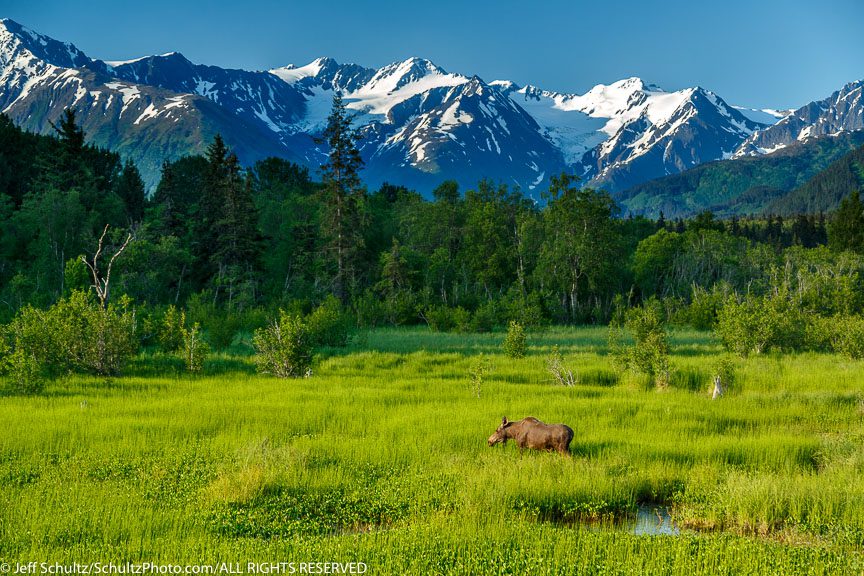
Navigating Crowds and Maximizing Your Experience
Given the popularity of Alaskan summer, crowds are a reality, especially in July and August and at major attractions like Denali National Park or glacier viewing areas.
- Travel in Shoulder Seasons: As mentioned, late May and early September offer fewer crowds, often lower prices, and still fantastic experiences.
- Visit Less-Traveled Areas: While iconic destinations are a must, consider venturing to lesser-known spots like Valdez, Homer, or even the remote Gates of the Arctic National Park for a true wilderness experience.
- Embrace Early Mornings or Late Evenings: With the Midnight Sun, you can start your day before the main crowds arrive or enjoy activities long after they’ve retreated, essentially extending your “prime time.”
- Consider Guided Tours: For specialized activities like glacier trekking, bear viewing, or deep-sea fishing, guided tours ensure safety and provide expert local insights, often with transportation included.
Ultimately, summer in Alaska is a short, intense burst of natural splendor and unparalleled adventure. It’s a time when the entire state comes alive, offering everything from serene wilderness escapes to vibrant cultural explorations. By understanding its unique calendar, preparing thoughtfully, and embracing its “Midnight Sun” spirit, you can craft a journey to the Last Frontier that will leave you with memories to last a lifetime. Whether you’re chasing wildlife, exploring glaciers, or simply marveling at the endless daylight, Alaskan summer promises an experience unlike any other on Earth.
LifeOutOfTheBox is a participant in the Amazon Services LLC Associates Program, an affiliate advertising program designed to provide a means for sites to earn advertising fees by advertising and linking to Amazon.com. Amazon, the Amazon logo, AmazonSupply, and the AmazonSupply logo are trademarks of Amazon.com, Inc. or its affiliates. As an Amazon Associate we earn affiliate commissions from qualifying purchases.