
Understanding the precise timing of sundown in a vibrant metropolis like Chicago is more than just a matter of curiosity; it’s a fundamental piece of knowledge for anyone wishing to fully experience this dynamic city. From appreciating the breathtaking twilight views over Lake Michigan to planning evening excursions, knowing when the sun dips below the horizon is key to maximizing your visit. This guide delves into the nuances of Chicago’s sunset times, offering practical insights and highlighting how this daily celestial event shapes the city’s rhythm and allure.
The Celestial Clockwork: Understanding Sunset Variations
The precise moment of sundown is not static; it shifts throughout the year, dictated by a complex interplay of Earth’s tilt, its orbit around the sun, and your specific geographical location. For Chicago, situated at approximately 41.88 degrees North latitude, these variations are pronounced, leading to significant differences in daylight hours between the summer solstice and the winter solstice.

Seasonal Shifts and Daylight Hours
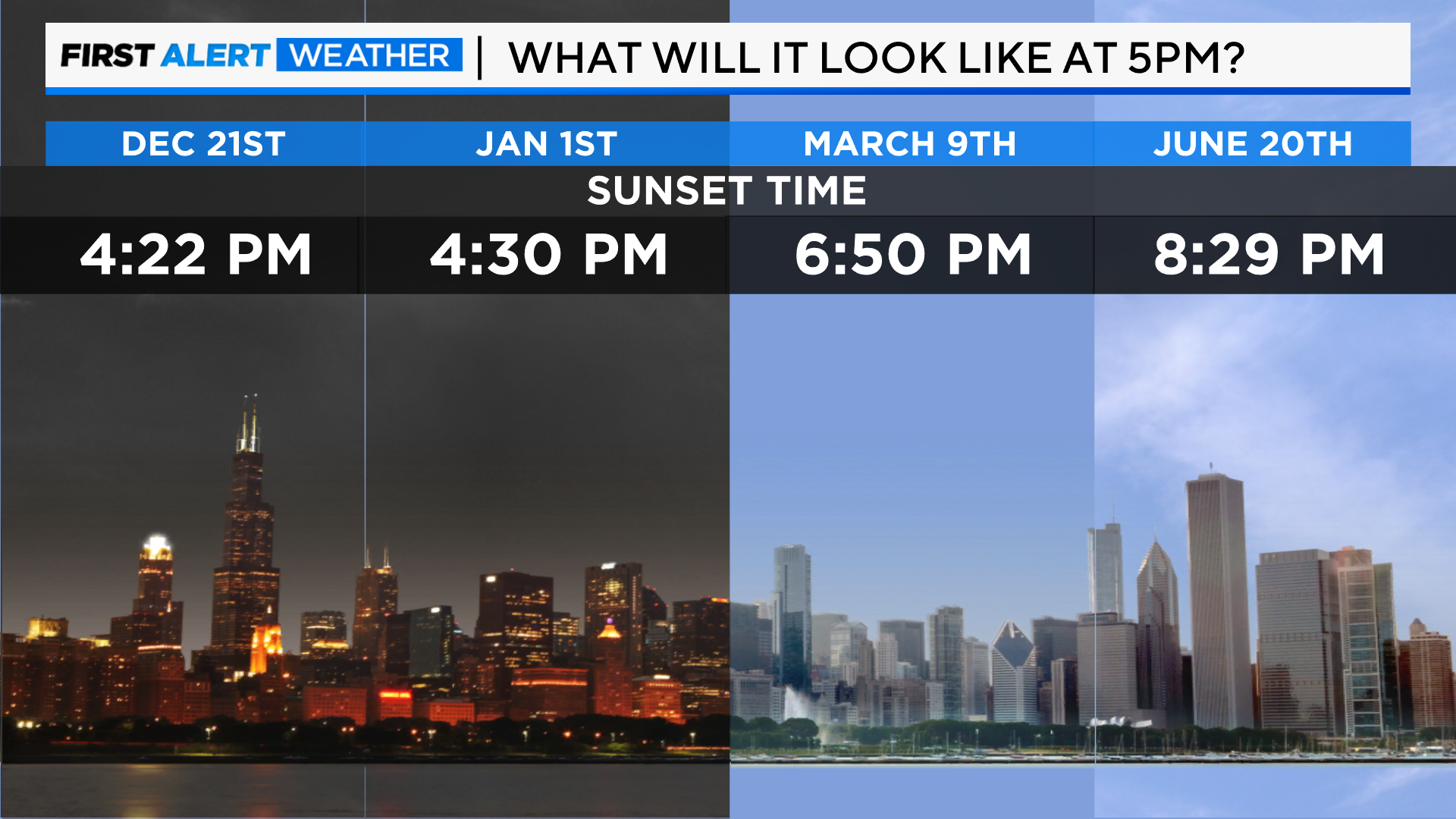
Summer Solstice (Around June 20-21): This marks the longest day of the year, with sundown in Chicago occurring quite late, often around 8:30 PM or even later during the peak of summer. This extended twilight period offers ample opportunity for outdoor activities, leisurely strolls along the Magnificent Mile, or enjoying a late dinner with views of the city skyline. The extended daylight allows for a more relaxed pace, enabling visitors to soak in the city’s atmosphere without feeling rushed by the approaching darkness.
Winter Solstice (Around December 21-22): Conversely, the winter solstice brings the shortest day, with sundown occurring much earlier, typically between 4:15 PM and 4:30 PM. This rapid descent into darkness means that evening activities need to be planned with greater precision. However, it also ushers in a unique charm, as the city lights begin to twinkle earlier, creating a magical ambiance, especially during the festive holiday season. The early evenings are perfect for cozying up in a warm restaurant or enjoying the dazzling lights of the Christkindlmarket.
Equinoxes (Around March 20 and September 22): During the spring and autumn equinoxes, day and night are nearly equal in length. Sundown in Chicago around these times typically falls between 6:45 PM and 7:00 PM. These transitional periods offer a balanced experience, with pleasant daylight hours for exploration and the opportunity to witness beautiful sunsets that signal the transition into evening.
The Impact of Time Zones and Daylight Saving Time
Chicago observes Central Standard Time (CST) during the fall and winter months and Central Daylight Time (CDT) during the spring and summer. Daylight Saving Time (DST) effectively shifts the clock forward by one hour, meaning that sundown is observed an hour later according to the clock during these periods. This adjustment is designed to make better use of natural daylight during the warmer months, pushing the evening hours into later daylight. For instance, a sunset that might occur at 7:00 PM under standard time would be observed at 8:00 PM under daylight time. This is a crucial factor to consider when planning your itinerary.
Experiencing Chicago’s Sundown: A Photographer’s and Tourist’s Dream
The transition from day to night in Chicago is a spectacle in itself, offering unparalleled opportunities for both photographers and visitors seeking to capture the city’s essence. The interplay of light and shadow, the changing colors of the sky, and the awakening of the city’s artificial illumination create a unique visual narrative.
Prime Sunset Viewing Locations

Chicago boasts numerous vantage points where one can witness a truly memorable sundown. Each offers a distinct perspective on the city and its surrounding natural beauty.
- The Lakefront Trail: This iconic path offers unobstructed views eastward across Lake Michigan. As the sun descends, it casts a warm glow over the water, reflecting the city’s towering architecture. This is a popular spot for joggers, cyclists, and anyone seeking a serene moment with the city as a backdrop. The vast expanse of the lake provides a sense of openness, making the sunset feel even more expansive.
- Navy Pier: While often bustling with activity, Navy Pier provides excellent, accessible views of the sunset over the skyline. The gentle sway of the Ferris wheel against the colorful sky is a quintessential Chicago image. The pier’s elevated position allows for a commanding view of the horizon.
- The Adler Planetarium: Situated on the museum campus, the Adler Planetarium offers a unique perspective with the city skyline to its north and west, and the lake to its east and south. This allows for capturing both the setting sun and the emerging city lights in a single frame. The open green spaces around the planetarium provide a comfortable setting for observation.
- Oak Street Beach: For a more relaxed and picturesque setting, Oak Street Beach offers beautiful views, especially when the sun begins to dip. The soft sands and the gentle lapping of waves provide a tranquil counterpoint to the urban energy of the city.
- Skyscrapers with Observation Decks: For an elevated perspective, the observation decks of skyscrapers like the Willis Tower (formerly Sears Tower) or the 360 CHICAGO Observation Deck at the John Hancock Center provide unparalleled panoramic views. Witnessing the sunset from hundreds of feet above the city allows for a breathtaking appreciation of the urban landscape transforming under the twilight sky. Booking tickets in advance is highly recommended, especially during peak sunset hours.
Capturing the Moment: Photography Tips
For photographers aiming to capture Chicago’s sundown, timing is critical. Arrive at your chosen location at least 30-45 minutes before the official sundown time to set up and capture the various stages of light. Golden hour, the period just before sunset, offers soft, warm light that is ideal for illuminating the cityscape. As the sun dips lower, the sky can erupt in a symphony of colors – oranges, pinks, purples, and reds.
- Silhouettes: Use the setting sun to create dramatic silhouettes of the city’s iconic architecture, such as the Wrigley Building or the Tribune Tower.
- Reflections: Look for opportunities to capture the sun’s reflection in Lake Michigan or on the glass facades of buildings.
- Blue Hour: The period immediately after the sun has set, known as the “blue hour,” is when the sky takes on a deep blue hue, and the city lights become prominent. This is an excellent time for long-exposure shots, capturing the movement of traffic and the illuminated skyline.
- Experiment with Composition: Don’t just focus on the sun itself. Incorporate foreground elements, leading lines, and the city’s distinctive skyline to create compelling images.
Practicalities: When to Plan Your Chicago Evening
Knowing the approximate sundown times allows for more efficient and enjoyable planning of your evenings in Chicago. Whether you’re a tourist eager to catch a sunset cruise or a local looking to enjoy a park before dusk, understanding the daily cycle is essential.
Integrating Sunset into Your Itinerary
- Evening Dining: For a romantic dinner with a view, book a table at a restaurant with west-facing windows or a rooftop bar. You can enjoy the changing sky as you dine. Consider establishments along the riverfront for stunning reflections.
- Boat Tours: Many Chicago river and lake cruises offer sunset tours. These provide a unique perspective of the city as the day draws to a close, with narration often highlighting the architectural marvels against the twilight sky.
- Cultural Events: Many outdoor concerts or events held in parks like Millennium Park or Grant Park often begin in the late afternoon or early evening, allowing attendees to enjoy the fading light.
- Pre-Dinner Strolls: A leisurely walk through areas like the Lincoln Park Zoo or along the lakefront before dinner is a perfect way to unwind and appreciate the natural beauty.
Tools for Precision
For exact, up-to-the-minute sundown times for any given day in Chicago, several reliable resources are available:
- Online Weather Forecasts: Most major weather websites and apps provide detailed information on sunrise and sunset times for your specific location.
- Astronomical Websites: Specialized astronomical websites offer precise calculations based on your geographical coordinates.
- Smartphone Applications: Numerous mobile apps are dedicated to tracking astronomical events, including sundown, and can provide alerts.
By understanding and utilizing this knowledge, visitors can transform a simple observation of the setting sun into a planned, enriching experience that adds another layer of appreciation to their journey through the magnificent city of Chicago. The daily transition from light to darkness is a universal phenomenon, but in Chicago, it is painted across a canvas of world-class architecture and the vast expanse of Lake Michigan, creating a spectacle that is uniquely its own.
LifeOutOfTheBox is a participant in the Amazon Services LLC Associates Program, an affiliate advertising program designed to provide a means for sites to earn advertising fees by advertising and linking to Amazon.com. Amazon, the Amazon logo, AmazonSupply, and the AmazonSupply logo are trademarks of Amazon.com, Inc. or its affiliates. As an Amazon Associate we earn affiliate commissions from qualifying purchases.