
The annual sales tax holiday in Alabama represents a significant opportunity for residents and visitors alike to make substantial savings on a wide array of eligible items. For those meticulously planning their budgets or simply seeking to maximize their purchasing power, understanding the timing and scope of this event is paramount. While specific dates for the 2025 Alabama Sales Tax Holiday are typically announced closer to the event by the Alabama Department of Revenue, historical patterns provide a strong indication. Traditionally, Alabama has hosted its back-to-school sales tax holiday during the third full weekend of July. Therefore, budget-conscious consumers can tentatively mark their calendars for mid-July 2025, awaiting official confirmation for the exact Friday-through-Sunday window. This event is more than just a fleeting opportunity for discounts; it’s a cornerstone for proactive financial planning within the household, enabling families to stretch their dollars further on essential school supplies, clothing, and technology.

Understanding Alabama’s Sales Tax Holiday
The Alabama Sales Tax Holiday is a state-wide initiative designed to provide financial relief to consumers, particularly families preparing for the academic year. During this designated period, state sales tax is waived on specific categories of items, and local jurisdictions (cities and counties) also have the option to waive their respective sales taxes. This decision by local authorities can significantly increase the overall savings for shoppers, making it crucial to check which municipalities are participating. The impact of such a holiday extends beyond immediate savings; it fosters a culture of strategic spending and budgeting, aligning perfectly with a thoughtful lifestyle approach.
What Qualifies for Tax-Free Status?
The list of eligible items for the sales tax holiday is quite comprehensive and aims to cover the typical needs of students and families. While exact limits and specifics can vary slightly year to year, the core categories remain consistent:
- Clothing: This is often the broadest category, including most articles of apparel with a per-item price limit. Typically, individual clothing items priced under $100 qualify. This covers everything from t-shirts and jeans to dresses and outerwear, provided they meet the price threshold. Accessories like jewelry, handbags, watches, and protective sporting equipment (e.g., shin guards, helmets) are generally not included.
- School Supplies: An extensive list of common school supplies is tax-exempt, usually with a price limit per item (e.g., $50). This includes pens, pencils, notebooks, binders, crayons, glue, rulers, and various art supplies. Items used in a business or trade, even if commonly found in schools (like certain types of office paper), may not qualify.
- Books: Educational books, storybooks, and reference materials are often included, also with a per-item price limit (e.g., $30). This category aims to support literacy and learning outside of required textbooks. Magazines, newspapers, and other non-book periodicals are typically excluded.
- Computers and Software: This category offers some of the most substantial savings due to the higher price points involved. Personal computers and related software, usually with a cap (e.g., $750), are eligible. This often includes laptops, desktop computers, and some operating system software. Peripherals like printers, external drives, and monitors may or may not be included, so checking the official list is essential. Items primarily for entertainment (e.g., video game consoles, certain types of gaming software) are generally excluded.
It’s crucial for consumers to review the official guidance from the Alabama Department of Revenue for the specific 2025 holiday, as slight modifications to price limits or eligible items can occur. Planning purchases around these categories is a smart lifestyle choice, ensuring necessities are acquired at the most opportune moment.
The Economic Impact on Consumers and Businesses
The Alabama sales tax holiday generates a significant buzz, creating a dual benefit for both consumers and businesses. For shoppers, the immediate financial relief is tangible. A 4% state sales tax, combined with potentially up to 10% or more in local taxes in some areas, means that purchasing a $750 computer could save a consumer anywhere from $30 to over $75, depending on the municipality’s participation. These savings accumulate, especially for families with multiple children requiring a full complement of back-to-school items, freeing up household income for other necessities or discretionary spending.
From a business perspective, the tax-free weekend drives increased foot traffic and sales volume. Retailers often experience a surge in demand, compensating for the waived tax revenue through higher unit sales. This period becomes a critical sales event, prompting businesses to stock up inventory and often run additional promotions to capitalize on the heightened consumer interest. For the broader economy, it stimulates local commerce, supporting jobs in retail and related sectors. For those living a lifestyle of mindful consumption, it’s a prime example of how government initiatives can directly impact personal finance and local economic vitality.
Maximizing Your Savings During the Weekend
To truly leverage the Alabama sales tax holiday, a strategic approach is essential. This isn’t just about showing up and buying; it’s about thoughtful planning to ensure every dollar saved contributes to your overall financial well-being and lifestyle goals.
Strategic Shopping Tips
Effective planning can amplify the benefits of the tax-free weekend:
- Create a Detailed Shopping List: Before the weekend even begins, inventory what you need. Categorize items by eligibility (clothing, school supplies, books, computers) and list specific quantities. This prevents impulse buys of non-eligible items and ensures you don’t forget critical purchases.
- Check Local Participation: Prior to heading out, verify which cities and counties are participating in the sales tax holiday. While the state sales tax is automatically waived, local taxes are optional. Shopping in a municipality that also waives its local sales tax will maximize your savings significantly. The Alabama Department of Revenue typically publishes a list of participating localities.
- Compare Prices in Advance: Don’t assume the tax-free status automatically makes a purchase the best deal. Many retailers might raise prices slightly or offer less aggressive discounts during this high-demand period. Research prices at different stores a week or two beforehand to ensure you’re truly getting a bargain.
- Shop Early: The tax-free weekend can lead to crowded stores and depleted inventory, especially for popular items. Shopping early on Friday or Saturday morning can help you avoid the biggest crowds and ensure you find what you need before it sells out.
- Understand Item Limits: Pay close attention to the per-item price limits for each category. For example, if clothing items are limited to $100, buying a single item priced at $101 will make the entire item taxable. If you have several items close to the limit, consider purchasing them separately if doing so affects taxability.
Combining Tax-Free Purchases with Other Deals
The real art of budget-friendly shopping during the tax holiday lies in stacking savings. This means looking beyond just the waived sales tax:
- Utilize Store Coupons and Promotions: Many retailers will run their own sales, discounts, or offer coupons specifically during the tax-free weekend to attract shoppers. Combine these store-specific deals with the sales tax exemption for maximum savings.
- Leverage Loyalty Programs and Rewards: If you belong to store loyalty programs, plan your purchases to earn points or use existing rewards during this period. This can be another layer of savings on top of the tax exemption.
- Credit Card Rewards: Consider using a credit card that offers cash back or rewards points on specific spending categories, such as department stores or general merchandise, during the tax-free weekend. Just ensure you can pay off the balance to avoid interest.
- Online Shopping Strategies: Many online retailers participate in the sales tax holiday for Alabama residents. Look for free shipping offers or options for in-store pickup to save even more. Be mindful of return policies for online purchases, especially during busy sales periods.
Adopting these strategies transforms the tax-free weekend into a powerful tool for maintaining a budget-conscious yet well-equipped lifestyle, particularly for families facing back-to-school expenses.

Planning Your 2025 Alabama Tax-Free Weekend Experience
Strategic planning for the 2025 Alabama tax-free weekend involves more than just knowing what to buy; it’s about optimizing where and when you shop to make the experience as efficient and rewarding as possible.
Key Dates and Times for the 2025 Event
As noted, the exact dates for the 2025 Alabama Sales Tax Holiday will be officially announced by the Alabama Department of Revenue closer to the event. However, based on years of consistent scheduling, it is highly probable that the event will take place over a three-day period during the third full weekend of July 2025. This typically means beginning at 12:01 a.m. on Friday and concluding at midnight on Sunday.
For example, if the third full weekend of July 2025 begins on Friday, July 18th, then the likely dates would be Friday, July 18th, through Sunday, July 20th, 2025. It is imperative for all shoppers to consult the official Alabama Department of Revenue website or local news sources for the definitive announcement, as confirmed dates and any potential legislative changes are critical for precise planning. Mark your calendars with these tentative dates, but set a reminder to double-check official sources a few months before July.
Top Shopping Destinations in Alabama
Alabama offers numerous retail hubs where shoppers can take advantage of the tax-free weekend. While specific store recommendations fall outside the scope of this lifestyle guide, focusing on major retail areas can help in planning your route:
- Birmingham: As the state’s largest city, Birmingham boasts a multitude of shopping centers, including the Riverchase Galleria in Hoover (a Birmingham suburb), which is one of the largest malls in the Southeast. Other areas like The Summit offer a diverse range of retailers. Given its size, it’s advisable to plan which specific stores you intend to visit.
- Huntsville: Known for its technological advancements, Huntsville features shopping destinations like Bridge Street Town Centre and Parkway Place Mall. These areas often have a strong presence of electronics retailers alongside clothing and department stores.
- Montgomery: The state capital offers several retail districts, including EastChase Shopping Center and Montgomery Mall. These locations provide a comprehensive array of stores catering to back-to-school needs.
- Mobile: Down on the Gulf Coast, Mobile shoppers can explore options at Bel Air Mall and various big-box retailers scattered throughout the city.
When planning your shopping trip, remember to check if these cities and their respective counties are participating in the waiver of local sales taxes for maximum savings. This information is typically available on the Alabama Department of Revenue website ahead of the event.
Essential Preparations for a Successful Shopping Spree
Beyond the shopping list and price comparisons, a few practical preparations can significantly enhance your tax-free weekend experience:
- Charge Your Devices: Ensure your phone is fully charged for digital lists, price comparisons, and navigating stores.
- Wear Comfortable Shoes: You’ll likely be doing a lot of walking, especially in larger malls or retail districts.
- Bring Reusable Bags: Many stores encourage or require reusable bags, and it’s a sustainable practice that fits a conscious lifestyle.
- Stay Hydrated and Bring Snacks: Especially if shopping with children, having water and snacks can prevent fatigue and meltdowns.
- Consider Transportation and Parking: Major shopping areas will be crowded. Plan your parking strategy, consider carpooling, or use public transport if available, to reduce stress.
- Set a Budget (and Stick to It): Even with tax savings, it’s easy to overspend. Define a clear budget and track your purchases as you go to avoid buyer’s remorse.
These preparations contribute to a smoother, more enjoyable, and ultimately more successful shopping spree, ensuring you capitalize on the savings opportunity without unnecessary hassle.
Beyond Back-to-School: Year-Round Savings Opportunities
While the Alabama Sales Tax Holiday is a focal point for budget-conscious consumers, living a financially savvy lifestyle means looking for savings opportunities year-round. The principles applied during the tax-free weekend—planning, research, and strategic purchasing—can be integrated into daily habits.
Other Potential Tax Holidays or Rebates
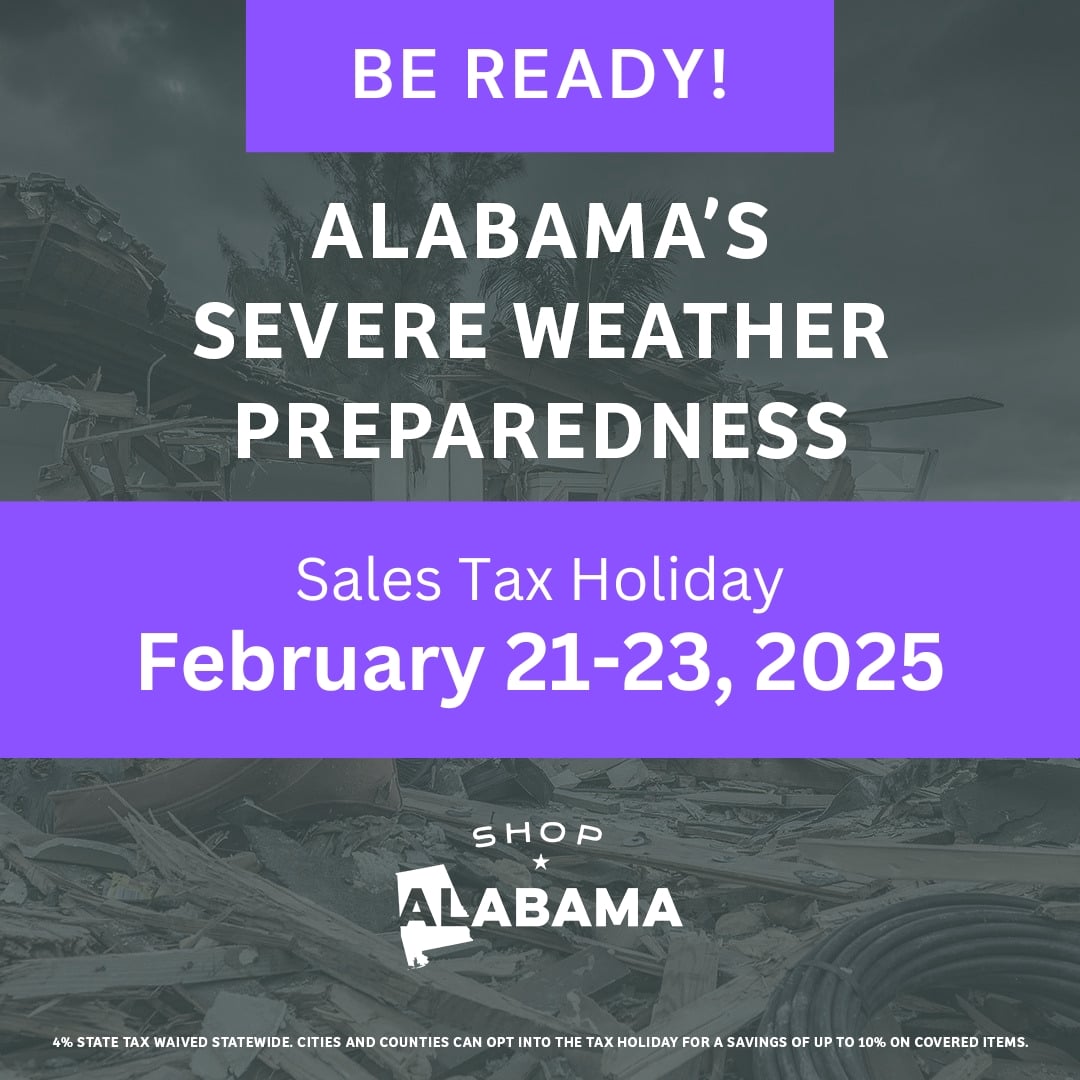
Alabama currently only has one consistent statewide sales tax holiday for back-to-school items. However, other states periodically implement similar holidays for different categories (e.g., severe weather preparedness items, energy-efficient appliances), or offer rebates and incentives for specific purchases. Keeping an eye on state legislative announcements or energy efficiency programs can uncover additional ways to save. For residents of Alabama, any additional tax holidays would be a new legislative development, so staying informed through official state channels is key. Furthermore, the federal government or utility companies may offer rebates for energy-efficient home improvements, appliances, or vehicles, which can lead to significant long-term savings for a household.
Smart Spending Habits for the Budget-Conscious Lifestyle
The habits cultivated during the sales tax holiday are excellent practices to integrate into everyday life:
- Seasonal Shopping: Purchase non-perishable items during their off-peak seasons or when retailers clear out inventory. Winter coats are cheaper in spring, and summer clothes go on sale in late summer.
- Price Tracking Tools: Use browser extensions or apps that track price histories for online items. This helps identify true sales versus artificially inflated “discounts.”
- Meal Planning: A significant portion of household budgets goes to food. Planning meals, buying groceries in bulk when appropriate, and minimizing food waste can lead to substantial savings.
- DIY and Maintenance: Learning basic DIY skills for home and auto maintenance can save money on professional services. Investing in preventive maintenance also extends the life of assets, delaying costly replacements.
- Leverage Coupons and Digital Deals: Regularly check for coupons, digital flyers, and online promo codes before making any purchase, big or small.
- Review Subscriptions: Periodically review all recurring subscriptions (streaming services, apps, gym memberships) to ensure you are only paying for what you actively use and value.
By integrating these smart spending habits, the one-time savings from the Alabama tax-free weekend can become part of a larger, more impactful strategy for achieving financial wellness and a more intentional lifestyle throughout the entire year.
LifeOutOfTheBox is a participant in the Amazon Services LLC Associates Program, an affiliate advertising program designed to provide a means for sites to earn advertising fees by advertising and linking to Amazon.com. Amazon, the Amazon logo, AmazonSupply, and the AmazonSupply logo are trademarks of Amazon.com, Inc. or its affiliates. As an Amazon Associate we earn affiliate commissions from qualifying purchases.