
Florida, the Sunshine State, is renowned for its stunning beaches, world-class theme parks, and vibrant culture. But for savvy shoppers and families planning a vacation, it offers another enticing draw: its annual sales tax holidays. These special periods allow consumers to purchase select items without paying the state’s 6% sales tax, plus any applicable local taxes, leading to significant savings. For both residents and visitors, knowing “When is tax free weekend in Florida?” is key to unlocking fantastic deals, especially when combining a shopping spree with an unforgettable Florida getaway.
These tax-free events are not just about saving money; they represent an opportunity to experience Florida’s diverse offerings. Imagine stocking up on back-to-school essentials while planning a trip to Walt Disney World Resort in Orlando, or grabbing hurricane preparedness supplies before a relaxing stay in the Florida Keys. This guide delves into the specifics of Florida’s sales tax holidays, offering insights for maximizing your savings and integrating these shopping opportunities into a broader travel and lifestyle experience.
Decoding Florida’s Sales Tax Holidays
Florida’s sales tax holidays are legislated events designed to provide financial relief to consumers on specific categories of goods. While the exact dates and eligible items can vary slightly from year to year based on legislative decisions, the primary goal remains consistent: to help families and individuals save on essential purchases.
Understanding the Concept and Benefits
At its core, a sales tax holiday temporarily exempts certain purchases from sales tax. In Florida, this typically means you save 6% at the state level, plus any discretionary sales surtax imposed by individual counties. For example, if a county has a 1% surtax, you save a total of 7% on eligible items. While this might seem like a modest percentage, it can quickly add up, especially on larger purchases like computers or a cart full of school supplies.
From a lifestyle and travel perspective, these holidays are a boon. Families planning a summer vacation or a trip near the end of the school year can combine their travel plans with a strategic shopping trip. Tourists from out of state or even international visitors to the United States can benefit from these savings, making their overall travel budget stretch further. Whether you’re staying at a luxury resort in Miami or a family-friendly hotel near Busch Gardens Tampa Bay, the opportunity to save on purchases like clothing, electronics, or even emergency supplies adds an extra layer of value to your trip.
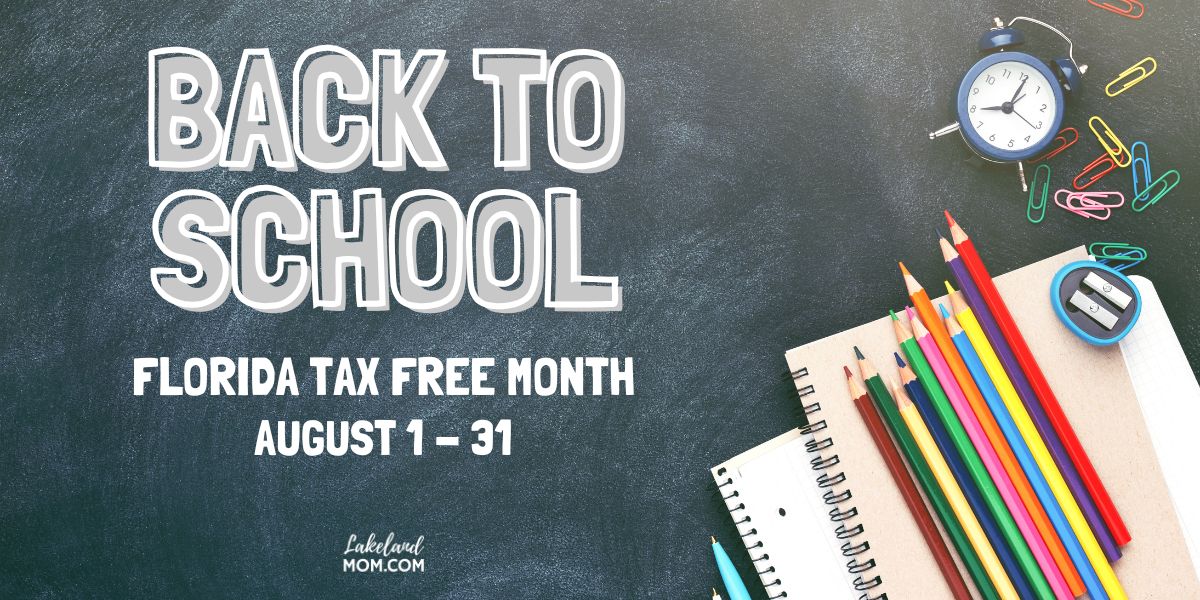
The most anticipated tax holiday is usually the “Back-to-School” event, but Florida often hosts other sales tax holidays throughout the year, each with its own specific focus. These can include disaster preparedness, energy-efficient appliances, or even outdoor recreation equipment. Each holiday presents a unique chance to save, catering to different needs and interests.
Key Dates and Anticipated Timelines
While the precise dates for Florida’s tax-free weekends are enacted annually by the state legislature, there are general patterns that consumers and travelers can anticipate.
The most prominent and widely recognized is the Back-to-School Sales Tax Holiday. This typically occurs in late July or early August, just before the start of the new academic year. It’s a prime time for families to purchase clothing, shoes, school supplies, and even personal computers without sales tax. Given the timing, many families choose to make it part of their summer vacation plans, combining visits to Orlando’s theme parks or Jacksonville’s beaches with a shopping excursion.
Another common sales tax holiday is for Disaster Preparedness. This usually takes place in late May or early June, coinciding with the start of hurricane season. It allows residents and visitors to purchase essential items like batteries, flashlights, radios, tarps, and even portable generators tax-free. For those staying in accommodations like vacation rentals or apartments, having these items on hand can provide peace of mind. This period also makes it an opportune time for budget-conscious travelers to visit, as they can combine purchasing preparedness items with exploring Florida’s natural beauty, perhaps visiting Everglades National Park or enjoying the Gulf Coast beaches.
Florida has also introduced other niche sales tax holidays in recent years, such as those for tools and equipment or energy-efficient appliances. These are often shorter in duration and less frequent but still offer valuable savings. It is crucial for anyone planning to take advantage of these holidays to always check the official Florida Department of Revenue website or the Governor’s official announcements for the definitive dates and specific eligibility criteria for the current year. These dates are typically announced well in advance, allowing ample time for planning both shopping and travel itineraries.
What Qualifies for Tax-Free Savings?
Understanding what items are eligible for tax exemption, and under what conditions, is crucial for maximizing the benefits of Florida’s sales tax holidays. Each holiday has specific categories of goods and often includes price limitations per item.
Back-to-School Essentials
The Back-to-School Sales Tax Holiday is arguably the most popular, targeting the needs of students and families. This holiday typically covers:
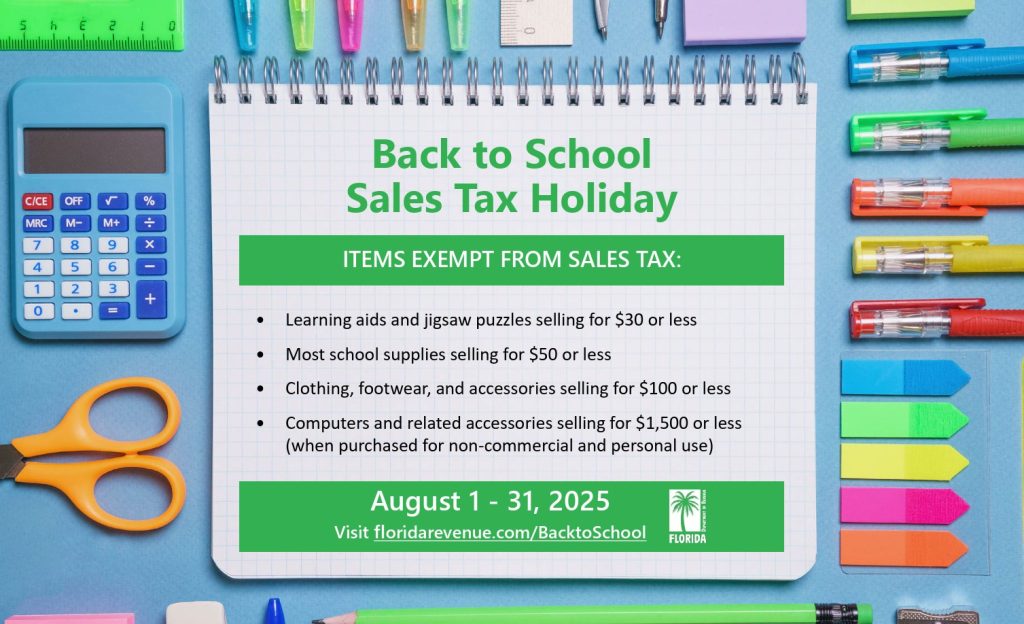
- Clothing, Footwear, and Certain Accessories: Most articles of clothing, shoes, and certain accessories (like wallets and bags) usually qualify, provided they are under a specified price cap per item. This cap is often around $60 or $70. This makes it an ideal time to refresh wardrobes for the school year, or for travelers to pick up new swimwear or resort wear before hitting the beaches of Sarasota or Fort Lauderdale.
- School Supplies: A broad range of school supplies is usually tax-exempt, typically with a price limit of $15 or $20 per item. This includes pens, pencils, crayons, folders, binders, notebooks, calculators, and art supplies. Whether you’re a student, a teacher, or just someone who enjoys stationery, these savings can add up quickly.
- Personal Computers and Related Accessories: For many years, a significant benefit has been the tax exemption for personal computers and certain accessories, provided they are purchased for noncommercial home or personal use and fall below a higher price threshold, often around $1,000 or $1,500. This can include desktops, laptops, and sometimes even tablets, along with accessories like keyboards, mice, and monitors. This is a substantial saving for families and a great incentive for anyone considering upgrading their tech before a business trip or extended stay. Many tech stores in major shopping hubs like The Florida Mall in Orlando or Dolphin Mall in Miami see a surge in activity during this period.
It’s important to note that certain items are typically excluded, even within these categories. For example, watches, jewelry, special sports equipment, and rental clothing are generally not eligible for the clothing exemption. Software, services, and commercial-use computers are also usually excluded from the computer exemption. Always review the official list to ensure your intended purchases qualify.
Other Noteworthy Sales Tax Holidays
While Back-to-School often takes center stage, Florida’s legislature has also implemented other sales tax holidays that cater to different needs:
- Disaster Preparedness Sales Tax Holiday: As mentioned, this holiday is crucial for preparing for hurricane season. Eligible items often include:
- Flashlights, lanterns, and candles (typically under $20)
- Radios (weather band, two-way, or self-powered, typically under $50)
- Tarpaulins or other flexible waterproof sheeting (typically under $50)
- Coolers (non-electric, typically under $60)
- Portable power banks (typically under $60)
- Batteries (AA, AAA, C, D, 6-volt, 9-volt, typically under $50)
- Portable generators (typically under $1,000)
These items are essential for safety and can provide significant savings for residents and long-term visitors staying in vacation rentals or apartments across Florida.
- Freedom Week Sales Tax Holiday: In recent years, Florida has also introduced a “Freedom Week” sales tax holiday, typically around early July, celebrating independence. This holiday often focuses on outdoor and recreational items, such as:
- Admissions to specified events (museums, concerts, sporting events)
- Fishing and camping supplies
- Sporting equipment (e.g., baseball bats, tennis rackets)
- Outdoor supplies (e.g., sunscreen, bug spray)
This is particularly appealing to tourists and adventure-seekers planning to explore Florida’s natural attractions, from snorkeling in Key West to hiking in state parks. It encourages a lifestyle of active exploration and local tourism.
The specific items and price caps for each holiday are critical. Always refer to the official Florida Department of Revenue publications or legislative summaries for the most accurate and up-to-date information before making any purchases.
Strategic Shopping and Travel Planning
Leveraging Florida’s tax-free weekends requires a thoughtful approach, especially when integrating it into your travel plans. Strategic planning can help you maximize savings and ensure a smooth, enjoyable experience.
Maximizing Your Savings
To truly make the most of a sales tax holiday, consider these tips:
- Plan Ahead: Don’t wait until the last minute. Research the exact dates and eligible items for the specific sales tax holiday you wish to utilize. Create a shopping list beforehand, noting the price caps for each item category.
- Compare Prices: A tax-free status doesn’t automatically mean the best deal. Always compare prices from different retailers. Sometimes, a store might offer a significant discount outside the tax-free period that outweighs the sales tax savings. Many major retailers, especially those in shopping hubs like Sawgrass Mills in Fort Lauderdale or stores along International Drive in Orlando, will also run their own promotions concurrently with the tax holiday.
- Budget Wisely: Set a budget for your tax-free purchases. It’s easy to get carried away by the idea of “free” savings, but overspending diminishes the overall benefit.
- Shop Early or Late in the Day: Sales tax holidays, particularly the Back-to-School one, can lead to crowded stores. If you prefer a calmer shopping experience, try to shop right when stores open or later in the evening.
- Online Shopping: Many eligible items purchased online and delivered during the tax-free period also qualify. This can be a great option to avoid crowds and potentially find a wider selection. Confirm with the online retailer that the sales tax will be properly removed at checkout.
- Understand Returns/Exchanges: Be aware of return policies, especially for tax-free items. If you return an item after the tax holiday, you might not get the sales tax back, or the store’s policy might dictate how it’s handled.
Combining Shopping with a Florida Getaway
For travelers, Florida’s tax-free weekends offer a unique opportunity to combine leisure with practical savings. This aligns perfectly with a lifestyle that values both experiences and smart spending.
- Choose Your Destination Wisely: If shopping is a priority, consider staying in cities known for their retail options. Orlando boasts numerous outlet malls and large shopping centers near its theme parks. Miami offers upscale shopping in areas like the Design District and value shopping at places like Dolphin Mall. Tampa and Jacksonville also provide substantial retail landscapes.
- Plan Accommodation Near Shopping Districts: When booking hotels, resorts, apartments, or villas, consider their proximity to major shopping centers. Staying at a Hard Rock Hotel near Universal Orlando Resort might allow for easy access to nearby malls, while a Four Seasons Resort Orlando stay could be paired with luxury shopping. This minimizes travel time and maximizes convenience, allowing more time for other attractions.
- Incorporate Other Attractions: Don’t let shopping overshadow the myriad of other experiences Florida has to offer. A trip to Orlando for back-to-school shopping can easily include a day at SeaWorld Orlando or LEGOLAND Florida Resort. Shopping in St. Augustine can be combined with exploring the historic Castillo de San Marcos.
- Consider Transportation: If you plan on purchasing larger items like computers, consider your transportation method. If flying, ensure items will fit in your luggage or can be shipped home. If driving, make sure you have enough space in your vehicle.
Beyond the Discounts: Embracing the Florida Lifestyle
Florida’s tax-free weekends are more than just an economic incentive; they are an integral part of the state’s vibrant tourism and lifestyle fabric, offering a unique blend of practicality and pleasure.
A Traveler’s Guide to Florida During Peak Shopping Seasons
Visiting Florida during a sales tax holiday can enhance your overall experience. The energy is often palpable, especially during the Back-to-School period, as families prepare for the new academic year. This is a great time to observe local culture and engage with the community.
- Local Culture and Food: Beyond the malls, explore local markets, charming boutiques, and diverse culinary scenes. In Miami, after a day of shopping, indulge in Cuban cuisine in Little Havana. In St. Petersburg, complement your retail therapy with visits to art museums and waterfront dining along the Gulf Coast.
- Non-Shopping Activities: Remember that Florida offers endless entertainment. Spend a day at the beach, explore a state park, visit a museum like the Kennedy Space Center Visitor Complex, or experience the thrilling rides at Universal Orlando Resort. Even in cities like Gainesville or Tallahassee, which might not be prime tourist destinations, you can find local charm, university life, and outdoor activities to balance your shopping.
- Family Trips: For families, these weekends offer a chance to combine a necessary task (school shopping) with a fun vacation. Children can pick out their own supplies, making the transition back to school more exciting, while parents appreciate the savings and the opportunity for a family trip. Consider staying at resorts with kid-friendly amenities, such as Disney’s Grand Floridian Resort & Spa, to make the trip extra special.
Accommodation Choices for the Savvy Shopper
The type of accommodation you choose can significantly impact your sales tax holiday experience.
- Hotels and Resorts: For shorter stays, hotels and resorts offer convenience and amenities. Many are located strategically near shopping districts or offer shuttle services. Choosing a hotel with a complimentary breakfast or evening reception can also add to your savings. Luxury options along Worth Avenue in Palm Beach can combine high-end shopping with opulent stays, while budget-friendly hotels in Orlando cater to families.
- Vacation Rentals and Apartments: For longer stays, or if you’re traveling with a larger group or family, vacation rentals or serviced apartments can offer more space, privacy, and the ability to cook your own meals, further extending your budget. This is particularly beneficial if you plan to buy groceries and prepare meals after your shopping excursions. Many villas and apartments in tourist hotspots like Naples or the Atlantic Coast cities are well-equipped for an extended stay, making it easier to manage purchases.
- Proximity to Shopping: When booking, consider how close your accommodation is to the stores you plan to visit. While Florida has excellent road infrastructure, minimizing travel time can be a huge benefit, especially during busy tax-free weekends. Websites offering accommodation booking, reviews, and comparison tools can help you find the perfect spot that balances proximity, amenities, and budget.
In essence, Florida’s tax-free weekends are a strategic advantage for anyone planning a visit or residing in the state. They encourage mindful spending, support local economies, and provide an excellent excuse to explore the diverse attractions and vibrant lifestyle that the Sunshine State has to offer. By staying informed about the dates and rules, and by planning your trip around these opportunities, you can enjoy significant savings while creating lasting memories.
To ensure you have the most up-to-date information for your trip, always consult the official Florida Department of Revenue website for the precise dates and eligible items for the upcoming sales tax holidays. Happy shopping and happy travels!
LifeOutOfTheBox is a participant in the Amazon Services LLC Associates Program, an affiliate advertising program designed to provide a means for sites to earn advertising fees by advertising and linking to Amazon.com. Amazon, the Amazon logo, AmazonSupply, and the AmazonSupply logo are trademarks of Amazon.com, Inc. or its affiliates. As an Amazon Associate we earn affiliate commissions from qualifying purchases.