
Visiting Louisiana is an experience that engages all the senses, from the spicy aroma of boiling crawfish to the soulful sounds of jazz echoing through historic streets. However, travelers planning a trip to the United States south, particularly during the late spring and early summer, may encounter a unique local phenomenon known as termite season. While the word “termite” usually conjures images of property damage and pest control, for the savvy tourist, understanding this seasonal event is essential for navigating local culture, nightlife, and outdoor activities.
Termite season in this region is not just a biological event; it is a period that dictates local behaviors, influences evening lighting in the French Quarter, and adds a layer of natural intrigue to the humid nights along the Gulf of Mexico. This guide explores the timing, cultural impact, and practical tips for tourists visiting during this lively time of year.
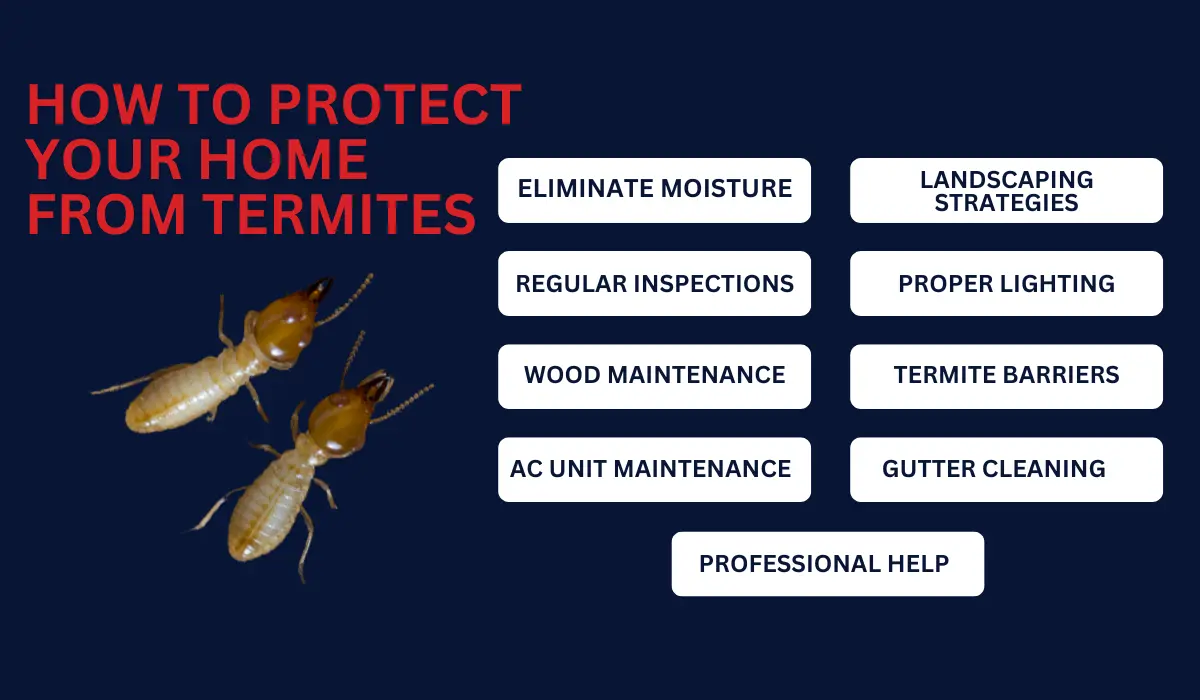
Understanding the Timeline and the Science of the Swarm
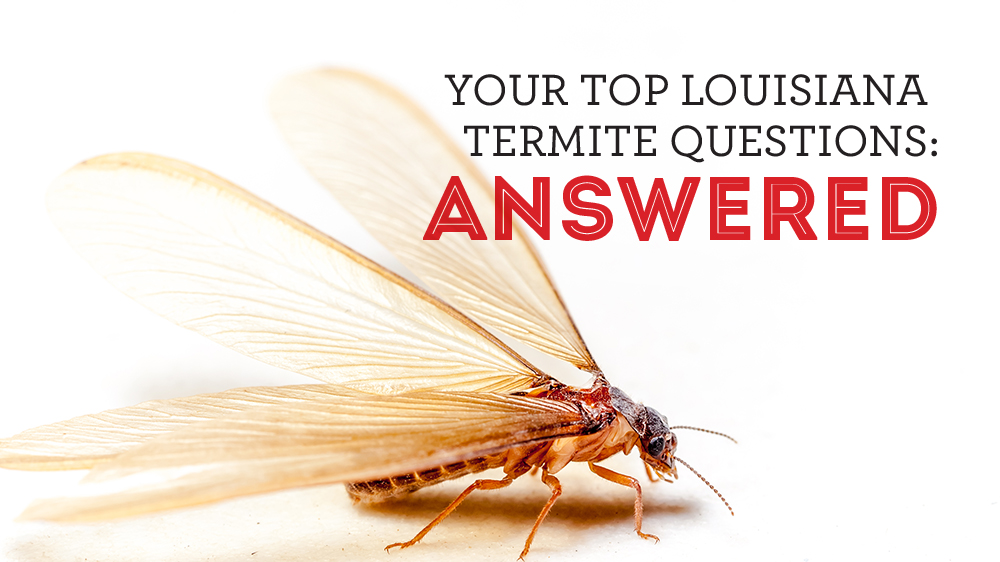
To appreciate the impact of termite season on Louisiana tourism, one must first understand when and why it happens. The season is primarily defined by the “swarm,” a reproductive flight where winged termites, known as alates, leave their colonies to start new ones. This usually occurs when the environment reaches a specific balance of heat and humidity.
The Spring and Summer Peak
In most parts of the state, including New Orleans and Baton Rouge, termite season typically begins in late April and can last through early July. The peak of the activity is usually observed in May and June. During these months, the warm, moist air rising from the Mississippi River creates the perfect conditions for Formosan subterranean termites to take flight. These swarms usually happen at dusk, often following a day of heavy rainfall. For a tourist, this means that an evening stroll through Jackson Square might look a little different than expected, as thousands of winged insects gather around streetlights.
Regional Variations Across the State
While the southern coastal regions feel the brunt of the season early, northern cities like Shreveport may experience the season slightly later or with different species, such as the eastern subterranean termite. In Lafayette and the heart of Cajun Country, the swarms are a well-understood part of the seasonal calendar, often coinciding with the tail end of the spring festival season. Understanding these regional timelines helps travelers better plan their outdoor itineraries and evening dining reservations.
How Termite Season Influences Louisiana’s Vibrant Local Culture
For locals, termite season is a conversation starter and a seasonal milestone, much like the arrival of Mardi Gras or the beginning of hurricane season. As a tourist, witnessing a swarm is a glimpse into the raw, subtropical reality of living in the Deep South.
The “Lights Out” Tradition in New Orleans
One of the most interesting cultural adaptations occurs in the French Quarter. Formosan termites are highly attracted to light. Consequently, during a heavy swarm night, you may notice that many iconic bars, restaurants, and balconies along Bourbon Street and Royal Street will dim their lights or switch to amber-colored bulbs. Some establishments may even close their heavy wooden shutters entirely. This creates a moody, atmospheric environment that harks back to an older version of New Orleans, providing a unique, if slightly dim, perspective on the city’s famous architecture.
Impact on Outdoor Festivals and Nightlife
Louisiana is famous for its outdoor celebrations. From the New Orleans Jazz and Heritage Festival to local gatherings in Acadiana, the outdoors is where the culture thrives. During termite season, event organizers often have to account for the evening swarms. Tourists visiting City Park or Audubon Park for evening concerts might find that the events are timed to conclude just as the sun sets to avoid the peak swarming hour. It is a fascinating example of how nature dictates the rhythm of life in the Bayou State.
Practical Tips for Tourists Navigating the Swarm

While termites do not bite or pose a direct physical threat to humans, they can be a nuisance for those who aren’t prepared for the sheer volume of insects during a swarm. Following a few simple tips can ensure your vacation remains comfortable and enjoyable.
Navigating Evening Dining and Entertainment
If you are planning a romantic dinner on a balcony overlooking Frenchmen Street, check the weather. If it has rained in the afternoon and the evening is humid, you might want to request an indoor table. Most high-end restaurants in New Orleans and Lake Charles are well-equipped to handle the season, using air curtains at entrances to keep the insects out. If you are staying in the Garden District, be aware that porch lights are the primary attractant; if you are enjoying a drink on a veranda, keeping the lights low will significantly reduce the number of uninvited guests.
Choosing and Managing Your Accommodation
Whether you are staying in a luxury resort in Baton Rouge or a boutique hotel in the French Quarter, termite season is something the hospitality industry manages daily. When checking into your room, ensure the windows are tightly sealed. If your accommodation features a balcony, keep the door closed during the evening hours. Most hotels will proactively turn off exterior decorative lighting during peak swarm nights. If you see “discarded wings” on a windowsill the next morning, do not panic; this is a common sight during the season as termites shed their wings after their brief flight.
Exploring Beyond the Swarm: Nature and Landscapes
While the swarms are a temporary evening event, the presence of termites is a testament to the incredibly lush and diverse ecosystem of Louisiana. This is a state where nature is always present, and for many travelers, this is the primary draw.
The Ecosystem of the Atchafalaya Basin
The Atchafalaya Basin is the largest wetland and swamp in the United States. Here, termites play a vital role in the decomposition of fallen wood, contributing to the rich cycle of life that supports alligators, egrets, and cypress trees. Taking a swamp tour during the late spring allows you to see this vibrant ecosystem in full bloom. While you likely won’t see a termite swarm during a daytime boat tour, the environment that sustains them is on full display.
Coastal Beauty and Outdoor Adventure
For those heading to the coast, such as Grand Isle or the beaches near Cameron Parish, the breezes from the Gulf of Mexico often keep termite swarms at bay. These areas offer a different kind of Louisiana experience, focused on fishing, birdwatching, and coastal relaxation. Similarly, exploring the trails along Bayou Teche provides an opportunity to see the state’s natural beauty without the urban light sources that attract swarms.
Embracing the Seasonal Quarks of Louisiana Tourism
Every world-class travel destination has its seasonal quirks. In Louisiana, termite season is simply part of the fabric of the land. It is a reminder that you are visiting a place where the environment is powerful and ever-present.
Why It Shouldn’t Deter Your Travel Plans
Some travelers might be wary of visiting during termite season, but it is important to put it in perspective. Swarms are typically short-lived, often lasting only 15 to 30 minutes on any given night. They are localized to areas with high light concentration and occur only under specific weather conditions. The vast majority of your time in New Orleans or Lafayette will be spent enjoying the incredible food, music, and history that make the state famous.
A Unique Travel Story
Part of the joy of travel is experiencing a place as the locals do. Sitting in a darkened bar on Magazine Street because a swarm is passing through outside is a quintessentially Louisiana moment. It is a story to tell when you return home—a testament to the wild, untamed, and fascinating spirit of the Pelican State.
By understanding the timing and behavior of termite season, you can plan a trip that embraces the best of Louisiana while navigating its natural rhythms with ease. Whether you are there for the history of Natchitoches or the modern energy of Metairie, a little knowledge about the local environment goes a long way in ensuring a perfect Southern getaway.
LifeOutOfTheBox is a participant in the Amazon Services LLC Associates Program, an affiliate advertising program designed to provide a means for sites to earn advertising fees by advertising and linking to Amazon.com. Amazon, the Amazon logo, AmazonSupply, and the AmazonSupply logo are trademarks of Amazon.com, Inc. or its affiliates. As an Amazon Associate we earn affiliate commissions from qualifying purchases.