
Hawaii, a jewel in the Pacific Ocean, beckons travelers year-round with its stunning natural beauty, vibrant culture, and endless opportunities for adventure and relaxation. But for those dreaming of a perfect island escape, a crucial question often arises: When is the best month to go to Hawaii? The answer, like the islands themselves, is multifaceted, depending heavily on your priorities for weather, crowds, cost, and specific activities. From the bustling shores of Oahu to the volcanic landscapes of the Big Island, and the lush rainforests of Kauai to the luxurious retreats of Maui, each season offers a distinct charm. This comprehensive guide will navigate you through Hawaii’s climate patterns, tourist seasons, and island-specific considerations to help you pinpoint your ideal time for a visit to this enchanting United States paradise.
Understanding Hawaii’s Climate and Seasons
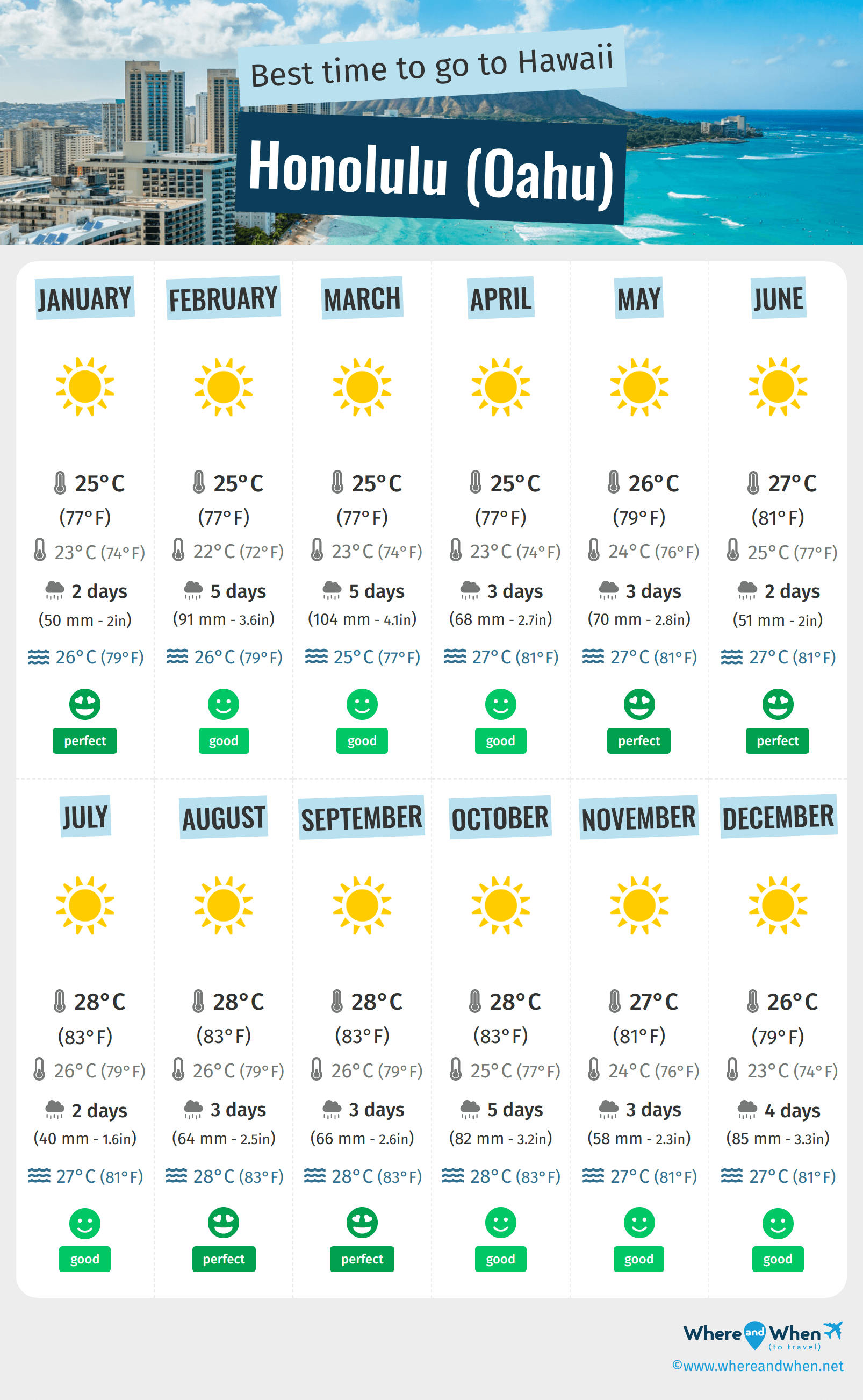
Unlike many destinations with four distinct seasons, Hawaii largely experiences two primary seasons: a dry season (summer) and a wet season (winter). However, these terms are relative; even the wet season sees plenty of sunshine, and the dry season can have occasional rain showers, especially in certain microclimates. Temperatures remain remarkably consistent throughout the year, typically ranging from the mid-70s to high 80s Fahrenheit (24-31°C).
The Dry Season (Summer: June to October)
Hawaii’s dry season, generally spanning from June to October, is characterized by warmer temperatures, less rainfall, and longer daylight hours. This period is often considered prime time for beach lovers and water sports enthusiasts. The ocean is typically calmer, particularly on the south shores, making it ideal for swimming, snorkeling, diving, and paddleboarding.
- June, July, August: These months are the peak of summer, offering the most consistent sunshine and the warmest ocean temperatures. Rainfall is minimal, especially on the leeward (dry) sides of the islands. This is an excellent time for general beach activities, hiking trails on the windward (wet) sides will still be lush, but less muddy. Family travel surges during these months due to school holidays, leading to higher prices for flights and accommodation and more crowded attractions.
- September, October: As summer begins to wane, September and October offer a sweet spot. The weather remains fantastic—warm, sunny, and dry—but the crowds from the summer rush start to thin out, especially after Labor Day. This can translate to slightly lower prices for hotels and airfare. Water conditions are generally excellent across most islands.
The Wet Season (Winter: November to May)
The wet season, from November to May, brings slightly cooler temperatures, increased rainfall, and larger swells on the north shores of the islands. While it’s called the “wet season,” it doesn’t mean constant rain; rather, rain showers are more frequent, often localized, and typically brief, especially in the mornings.
- November, December, January: These months mark the official start of winter, bringing with them increased rainfall, particularly to the windward coasts. However, this is also the beginning of the famed whale watching season, as humpback whales migrate from Alaska to Hawaii’s warm waters. The festive holiday season (Thanksgiving, Christmas, New Year’s) makes December a bustling and expensive time to visit. Big wave surfing competitions on Oahu’s North Shore also attract significant crowds.
- February, March, April: Continuing through winter, February and March remain excellent for whale watching. The rainfall generally starts to decrease by late March and April. Spring Break and Easter holidays can lead to spikes in prices and crowds, especially on popular islands like Maui and Oahu. April, however, often sees beautiful weather with diminishing crowds post-holidays, offering a good balance.
- May: May is often heralded as one of the best months to visit. The weather is transitioning back to the dry season, meaning less rain and increasingly warm temperatures. Tourist numbers are lower as school is still in session, and prices for flights and resorts tend to be more favorable. Ocean conditions are typically calm, and the islands are lush from the winter rains.
Peak vs. Shoulder vs. Off-Peak Seasons: What’s Your Priority?
Understanding the tourist flow in Hawaii is crucial for planning your trip, especially if budget, solitude, or specific activities are priorities.
High Season (Winter Holidays, Summer Break)
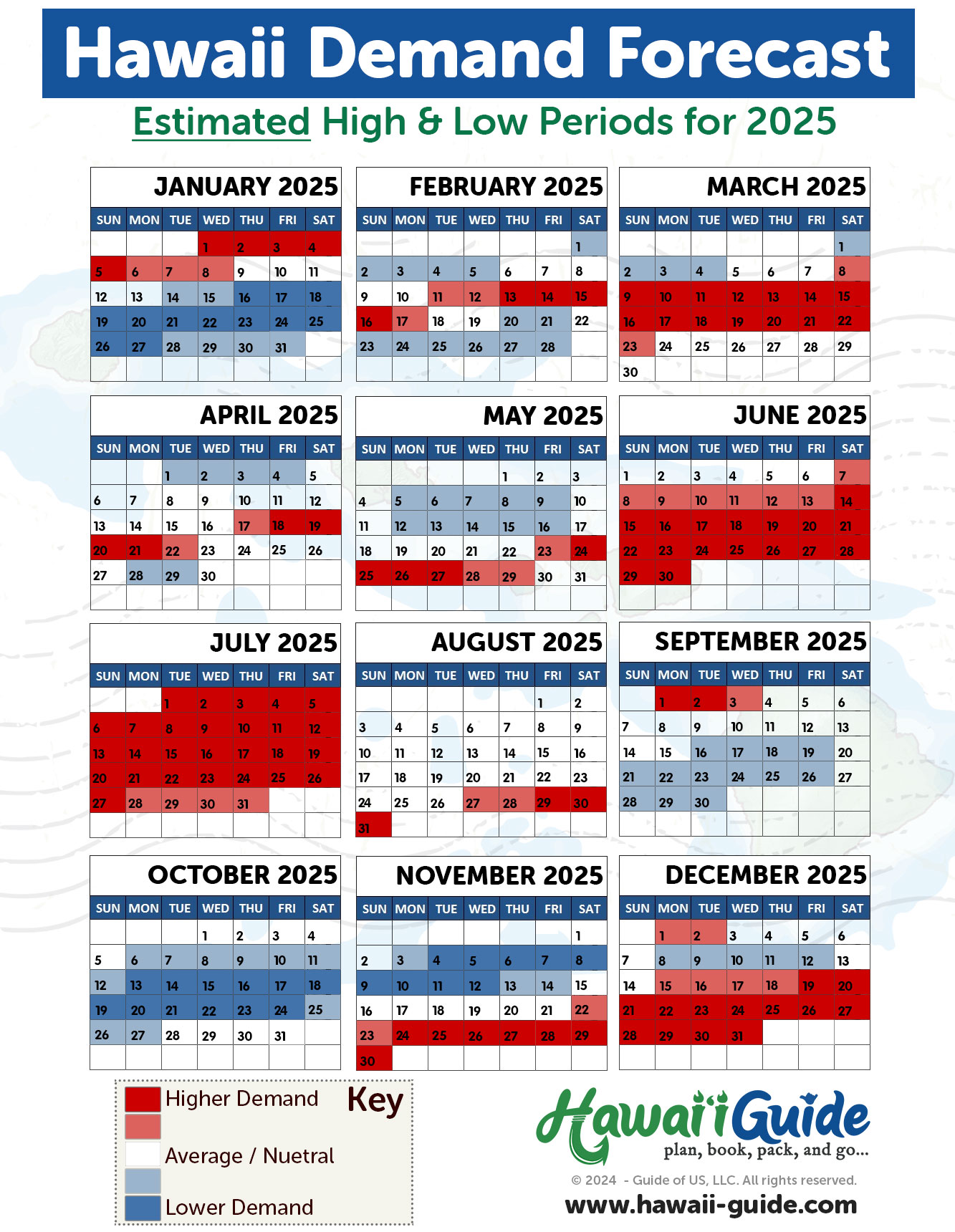
- December Mid-Month through Early January: This is Hawaii’s absolute busiest and most expensive period. The allure of escaping winter cold for a tropical holiday, coupled with school breaks, drives up demand for everything from flights to luxury resorts. Booking well in advance (6-12 months) is essential, and expect premium pricing. While crowded, the festive atmosphere is unique.
- Mid-June through Mid-August: The summer high season sees families flocking to the islands. Hawaii becomes a prime family destination, with attractions like the Polynesian Cultural Center on Oahu and the Maui Ocean Center particularly popular. Prices are high, and popular spots like Waikiki Beach or the Road to Hana can be very busy.
- Spring Break (March-April): Exact dates vary, but throughout March and April, colleges and schools take their spring breaks, causing another surge in visitors, particularly to popular spots on Oahu and Maui.
Shoulder Seasons (Spring and Fall)
- April Mid-Month through May: After the Spring Break rush and before the summer surge, this period offers beautiful weather, blooming flora, and fewer crowds. Prices for hotels and flights are generally more reasonable. It’s an ideal time for a relaxed trip, enjoying the lush landscapes from the winter rains and calm ocean conditions.
- September through Mid-November (excluding Labor Day weekend): Similarly, after the summer crowds depart and before the holiday rush, the fall shoulder season provides excellent weather and decreasing tourist numbers. The ocean remains warm, and the conditions are perfect for most outdoor activities. This is often considered by seasoned travelers to be the absolute sweet spot for a Hawaii vacation.
Low Season (Late Spring, Early Fall)
While Hawaii doesn’t have a true “low season” in the sense of severe weather or closures, the quietest and most budget-friendly times typically align with the shoulder seasons when schools are in session.
- Late April to Mid-May: Post-Spring Break, pre-summer.
- Late September to Mid-November: Post-summer, pre-holiday rush.
These periods offer the best chance for more competitive prices on accommodations, car rentals, and activities, along with a more serene experience at popular attractions.
Tailoring Your Hawaii Trip to Your Interests
The “best” time to visit Hawaii is highly subjective and depends on what kind of experiences you’re seeking.
Best for Beaches and Water Sports
- May, September, October: These months generally offer the calmest ocean conditions across most of the islands, making them perfect for swimming, snorkeling, diving, and stand-up paddleboarding. The dry season brings consistently sunny weather to the leeward coasts. Famous beaches like Hapuna Beach on the Big Island or Ka’anapali Beach on Maui are at their prime.
- Winter (December-February): While the south shores remain relatively calm, the north shores of Oahu (like Waimea Bay and Banzai Pipeline) and Maui (like Jaws) become legendary for big-wave surfing. If you’re looking to watch professionals or are an experienced big-wave surfer, this is your season.
Best for Hiking and Nature Exploration
- April, May, September, October: These months strike a perfect balance. The landscapes are lush and vibrant from the winter rains, but the weather is generally drier and cooler than peak summer, making hiking more comfortable. Trails like those in Waimea Canyon on Kauai or to the summit of Diamond Head on Oahu are less muddy and less crowded. Visiting Haleakala National Park on Maui for sunrise or sunset is also glorious during these times, with clearer skies.
Best for Whale Watching and Marine Life
- December through May: This is prime whale watching season in Hawaii, with the peak being from January to March. Thousands of North Pacific Humpback Whales migrate to Hawaii’s warm, shallow waters for breeding and calving. Maui, particularly the waters between Maui, Lanai, and Molokai, is considered one of the best spots globally for whale watching tours.
Best for Festivals and Cultural Events
- April: The Merrie Monarch Festival, a week-long celebration of hula and Hawaiian culture, takes place in Hilo on the Big Island typically after Easter. It’s a hugely popular event, requiring advance planning for tickets and accommodation.
- November: The Hawaii Food & Wine Festival usually takes place in October/November across several islands, showcasing local culinary talent. The Vans Triple Crown of Surfing also kicks off on Oahu’s North Shore in November.
- June: King Kamehameha Day is celebrated on June 11th with parades and festivals honoring Hawaii’s first monarch.
- Throughout the year: Many local festivals, luaus, and farmers’ markets celebrate Hawaiian culture and cuisine. Check local event calendars for specific dates.
Best for Budget-Conscious Travelers
- May, September, October: These shoulder seasons offer the best value. Flights and hotel prices are noticeably lower than in peak times, and car rental availability is better. Dining and activity costs remain fairly consistent year-round, but package deals for accommodations are more common. Consider vacation rentals or apartments for longer stays to save on food costs by cooking some meals.
Best for Avoiding Crowds
- May, early June, September, October, early November: If peace and quiet are paramount, these months offer a more serene Hawaii experience. You’ll find fewer people at popular landmarks like Pearl Harbor, easier access to hiking trails, and more space on the beaches. This allows for a more intimate connection with the islands’ natural beauty and local culture.
Island-Specific Considerations
While general trends apply, each of Hawaii’s main islands offers unique characteristics that might influence your decision.
Oahu: The Gathering Place
- Best Time: Oahu is a year-round destination, but the shoulder seasons (May and September-October) offer a balance of good weather and fewer crowds, making it easier to explore Honolulu, Waikiki, and North Shore attractions.
- Winter: Ideal for surfing enthusiasts on the North Shore. Crowded during holidays.
- Summer: Bustling with families, great for south shore beaches.
Maui: The Valley Isle
- Best Time: May and September-October are superb. The weather is fantastic, and the island is less crowded than during peak times. This allows for more relaxed drives on the Hana Highway, unhurried visits to Lahaina, and more availability for catamaran tours to Molokini Crater.
- Winter: Premier whale watching, but higher prices and larger crowds.
- Summer: Popular for families, but can be very busy, especially in West Maui and Wailea.
Kauai: The Garden Isle
- Best Time: May, September, and October are excellent for Kauai. The island is at its lushest, but the rainfall is less frequent than in winter, making conditions ideal for hiking the Na Pali Coast trails (if open) and exploring Waimea Canyon. The calm waters are perfect for kayaking on the Wailua River or snorkeling in Poipu.
- Winter: Can be rainy, especially on the north shore (e.g., Princeville). Trails can be muddy. However, the waterfalls are spectacular.
- Summer: Good for most activities, but popular spots like Hanalei Bay can be crowded.
Big Island (Hawaii): The Orchid Isle
- Best Time: Year-round, but May and September-October are superb. The Big Island experiences diverse microclimates. The Kona side (Kailua-Kona) is generally drier and sunnier, while the Hilo side is wetter. Good weather during the shoulder seasons makes it pleasant to visit Hawaii Volcanoes National Park and stargaze from Mauna Kea, or enjoy the beaches along the Kohala Coast.
- Winter: Still a great time, but expect more rain on the Hilo side.
- Summer: Warm and sunny, but also peak tourist time.

Final Recommendations: Crafting Your Perfect Hawaiian Getaway
Ultimately, the “best” month to go to Hawaii is the one that aligns most closely with your personal preferences and travel goals.
- For the Budget-Conscious & Crowd-Averse: Aim for May, early June, September, or October. These shoulder seasons offer the best combination of pleasant weather, fewer tourists, and more attractive pricing on flights, accommodations, and car rentals. You’ll enjoy the islands’ natural beauty and cultural offerings with more breathing room.
- For Families on Holiday: Mid-June through Mid-August is ideal if school schedules dictate your travel. Be prepared for higher costs and larger crowds, and book everything well in advance. Despite the bustle, the vibrant atmosphere and family-friendly activities are abundant.
- For Whale Watching Enthusiasts & Surfing Spectators: December through March is your window. Embrace the winter swells on the North Shores and witness the majestic humpback whales.
- For Honeymooners & Romantic Getaways: Consider May, September, or October. The quieter atmosphere and beautiful weather create a perfect backdrop for a serene and intimate escape. Luxury resorts on Maui or the Big Island often have better availability and potentially better rates during these times.
- For Adventurers & Hikers: April, May, September, and October offer excellent conditions. The landscapes are verdant, temperatures are comfortable for strenuous activities, and trails are generally in good condition.
Regardless of when you choose to visit, planning ahead is key to a seamless Hawaii experience. Book your flights, accommodations, and any major activities well in advance, especially during peak seasons. Pack for warm weather but include layers for cooler evenings or higher elevations like Haleakala or Mauna Kea. Most importantly, embrace the spirit of Aloha and allow yourself to be captivated by the unique charm of each Hawaiian island. Your perfect month in paradise awaits.
LifeOutOfTheBox is a participant in the Amazon Services LLC Associates Program, an affiliate advertising program designed to provide a means for sites to earn advertising fees by advertising and linking to Amazon.com. Amazon, the Amazon logo, AmazonSupply, and the AmazonSupply logo are trademarks of Amazon.com, Inc. or its affiliates. As an Amazon Associate we earn affiliate commissions from qualifying purchases.