
Embarking on an Alaska cruise is a dream for many travelers, a journey promising unparalleled natural beauty, abundant wildlife, and captivating cultural experiences. This unique destination, often referred to as “The Last Frontier,” offers a blend of majestic glaciers, pristine fjords, lush forests, and charming coastal towns that can only be fully appreciated from the deck of a ship. However, unlike tropical getaways that boast year-round seasons, Alaska’s cruise window is remarkably brief, typically spanning from early May to late September. Choosing the “best” time within this narrow frame isn’t just about finding an available cabin; it’s about aligning your personal preferences with the dynamic conditions and unique opportunities each month presents.
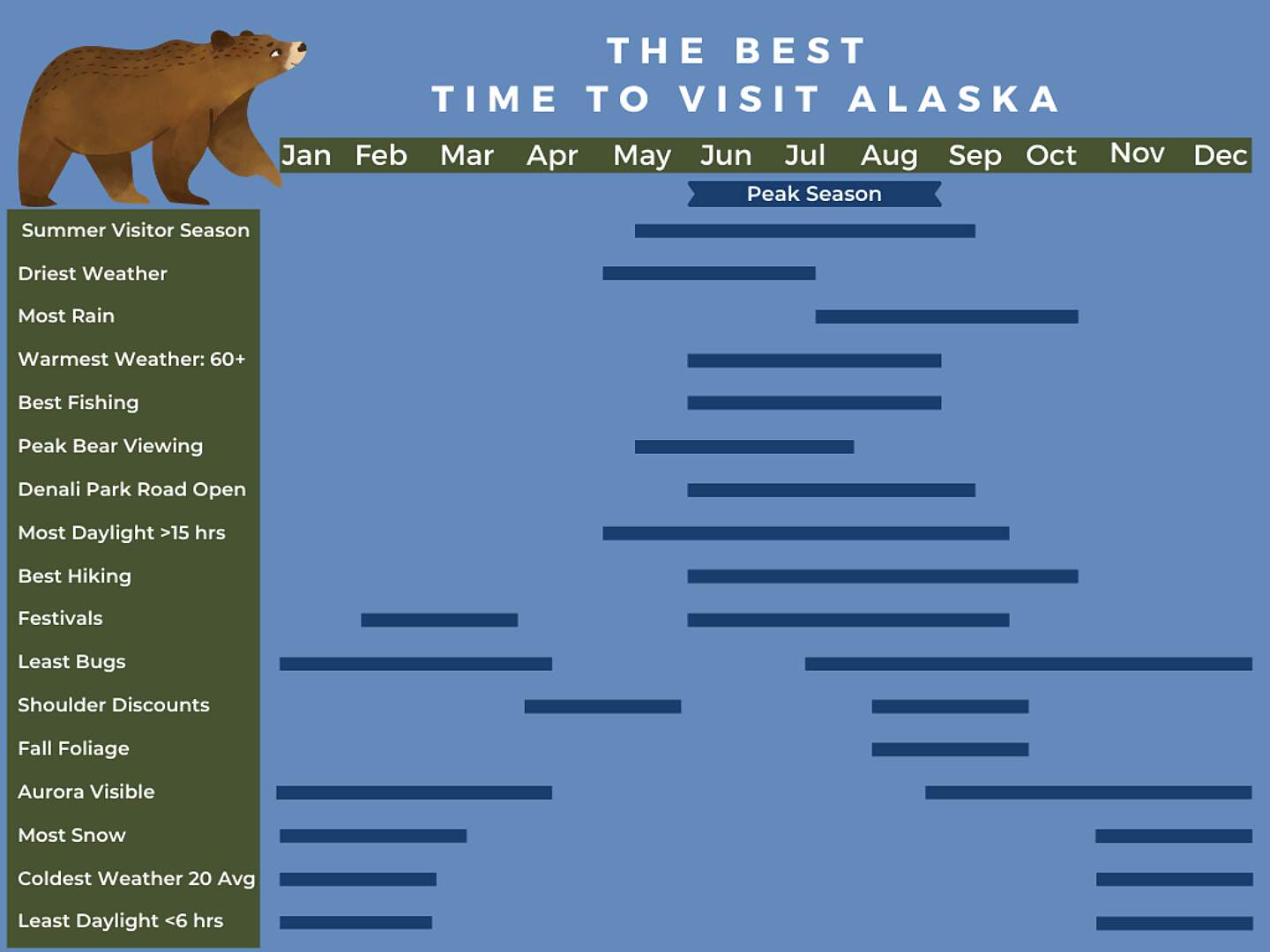
From the first thaw of spring to the crisp air of autumn, the Alaskan cruise season is a living, breathing entity, constantly evolving. Your ideal travel time will depend heavily on what you hope to experience. Are you chasing the warmest temperatures and longest daylight hours, or do you prioritize fewer crowds and the possibility of witnessing the aurora borealis? Perhaps seeing specific wildlife, like migrating whales or salmon-fishing bears, is at the top of your list. This comprehensive guide will navigate you through the nuances of each month, helping you pinpoint the perfect moment for your unforgettable Alaskan adventure, ensuring your travel aligns seamlessly with the vibrant tourism and lifestyle experiences Alaska has to offer.
Understanding Alaska’s Cruise Season: A Seasonal Overview
The allure of cruising to Alaska lies in its wild, untamed beauty, a landscape dominated by towering mountains, ancient glaciers, and a coastline teeming with life. To fully appreciate this majestic destination, understanding the rhythm of its short but intense cruise season is paramount. Unlike many popular cruise destinations, Alaska’s cruise industry operates within a very specific timeframe, dictated largely by weather patterns, ice conditions, and daylight hours.
The Brief Window: May to September
The official Alaskan cruise season typically kicks off in early May and concludes by late September. This five-month period encapsulates the region’s spring, summer, and early autumn, each offering distinct advantages and challenges for travelers. During these months, ice has receded enough to allow ships access to the stunning fjords and glacier bays, while coastal towns come alive to welcome visitors. Outside this window, temperatures drop significantly, daylight hours shrink, and many attractions and tour operators close for the winter.
Factors Influencing Your Choice
Deciding on the best time to cruise within this window involves weighing several key factors that significantly impact the overall experience. These considerations often involve a trade-off, meaning that optimizing for one aspect might mean compromising slightly on another.
- Weather and Temperature: Alaska’s weather is famously unpredictable. While summer months generally bring warmer temperatures and longer daylight, rain is a possibility throughout the season. Early and late season cruises tend to be cooler.
- Wildlife Viewing Opportunities: The timing of your cruise can greatly affect your chances of spotting specific wildlife. Marine mammals, bears, and birds follow their own seasonal cycles, influenced by breeding, migration, and food availability.
- Crowd Levels: As with any popular destination, peak season sees the highest number of visitors, which can impact the availability and pricing of excursions and the general atmosphere in port towns.
- Pricing and Deals: Cruise fares and air travel costs tend to fluctuate dramatically based on demand. Shoulder seasons (May and September) often present more budget-friendly options.
- Daylight Hours: The midnight sun is a real phenomenon in Alaska during mid-summer, offering extended hours for sightseeing and activities.
- Specific Activities and Events: Some local festivals or natural phenomena, such as the salmon run or the emergence of fall foliage, are tied to specific times of the year.
By carefully considering these variables, travelers can tailor their Alaskan cruise to match their ideal travel priorities and expectations, creating a truly personalized adventure in this magnificent wilderness.
A Month-by-Month Guide to Alaskan Cruises
Each month of Alaska’s brief cruise season offers a unique flavor, distinct weather patterns, wildlife spectacles, and varying crowd levels. Understanding these monthly nuances is key to selecting the perfect time for your voyage.
May: The Quiet Awakening
As the cruise season begins in May, Alaska is just shaking off its winter slumber. The air is crisp, and while temperatures are cooler (averaging 40-55°F or 4-13°C), the landscapes are incredibly fresh and vibrant.
- Pros: Fewer crowds mean a more intimate experience in popular spots like Juneau, Skagway, and Ketchikan. Prices for cruises and excursions are typically lower, offering excellent value. Wildlife, especially migrating whales (like humpbacks and orcas) making their way into the Inside Passage, is active. Bears are also emerging from hibernation, often seen foraging along the coast. The absence of summer haze can lead to incredibly clear views of glaciers and mountains.
- Cons: Temperatures are cooler, and there’s a higher chance of rain or even late-season snow in higher elevations. Some land-based excursions or tour operators might still be ramping up operations, so availability could be limited. Glacial calving might be less frequent due to colder temperatures.
- Best for: Budget travelers, those seeking solitude and fewer crowds, early-season wildlife enthusiasts, and photographers looking for crisp, clear vistas.
June: The Transition to Summer Splendor
June marks a significant shift towards warmer weather and longer daylight hours, making it an increasingly popular time for Alaskan cruises. Average temperatures rise to 50-65°F (10-18°C).
- Pros: Temperatures become more comfortable, and the days grow incredibly long, with over 18 hours of daylight in some areas, offering ample time for sightseeing and activities. Wildlife activity continues to be high, with various bird species nesting, and bears becoming more visible. Wildflowers begin to bloom, adding splashes of color to the landscape. All excursions and services are typically fully operational.
- Cons: Crowd levels start to increase, especially towards the latter half of the month, leading to higher prices compared to May. While warmer, rain showers are still common.
- Best for: Travelers who want a balance of good weather, active wildlife, and fewer crowds than peak season, along with abundant daylight for exploration.
July: Peak Summer, Peak Experience
July is the undisputed peak of the Alaskan cruise season, boasting the warmest average temperatures (55-70°F or 13-21°C) and the longest daylight hours of the entire year.
- Pros: The best chance for warm, pleasant weather, although rain is always a possibility in a rainforest environment. Wildlife viewing is at its prime, especially for marine life and bears, as the salmon runs begin in earnest, drawing predators to the rivers. All tours and attractions are operating at full capacity. The landscapes are lush and green, with wildflowers in full bloom. The long daylight hours allow for maximum exploration and relaxation on deck.
- Cons: This is the busiest and most expensive time to cruise. Popular ports and excursions can be crowded, and booking well in advance is essential. Availability for preferred accommodation options and specific excursions can be scarce.
- Best for: First-time cruisers to Alaska, those prioritizing warm weather, maximum wildlife viewing opportunities, and the vibrant atmosphere of peak season.
August: Continued Warmth and Wildlife Wonders
August continues much of July’s appeal, maintaining comfortable temperatures (50-65°F or 10-18°C) and abundant wildlife, but with a subtle shift as summer begins to wane.
- Pros: Still excellent weather, though with an increasing chance of rain as the month progresses. Wildlife viewing remains superb, particularly for bears feasting on the continued salmon runs. Late August offers the first realistic chances to spot the Northern Lights (or Aurora Borealis) as nights grow longer, especially if you venture inland on a cruisetour to places like Fairbanks or Denali National Park. Berries ripen, offering a treat for both wildlife and adventurous hikers.
- Cons: Similar to July, August remains a very popular and thus more expensive month. While the first half of the month is still quite busy, crowds might begin to thin slightly in the latter weeks.
- Best for: Travelers who want warm weather and exceptional wildlife, but also desire the added potential for aurora viewing towards the end of their trip.
September: Autumn’s Embrace and Aurora Potential
The final month of the Alaskan cruise season ushers in autumn, bringing cooler temperatures (40-55°F or 4-13°C), fewer crowds, and a distinct change in the landscape.
- Pros: Significant price drops for cruises and excursions compared to peak season. Fewer crowds lead to a more relaxed and authentic experience. The most prominent advantage is the stunning fall foliage, transforming the landscapes into a tapestry of reds, oranges, and yellows, especially noticeable on land tours. This is also the best month for aurora viewing, particularly in inland regions, as nights are considerably longer and darker. Wildlife, especially migrating birds and bears preparing for winter, remains active.
- Cons: Temperatures are noticeably cooler, requiring more layers and appropriate rain gear. There’s a higher chance of rain and potentially choppier seas. Some tour operators and attractions might begin to close down towards the end of the month. Daylight hours are significantly reduced compared to mid-summer.
- Best for: Budget-conscious travelers, those who appreciate autumn colors, photographers, and aurora enthusiasts. It’s also ideal for those seeking a tranquil experience without the summer rush.
Tailoring Your Alaskan Cruise Experience
Choosing the best time for your Alaskan cruise isn’t just about the calendar; it’s about aligning the season’s offerings with your personal travel priorities. Alaska is a land of diverse wonders, and your timing can significantly impact which of these wonders you get to experience firsthand.
Prioritizing Wildlife Encounters
For many, an Alaskan cruise is a pilgrimage to witness incredible wildlife in its natural habitat. The abundance and types of animals you encounter are heavily influenced by the season.
- Marine Life (Whales, Orcas, Seals, Sea Lions): Whales, particularly humpbacks and orcas, are present throughout the season, but their activity can peak at different times. Early season (May-June) often sees a surge in migratory whales. Mid-season (July-August) offers consistent viewing, especially in rich feeding grounds like Glacier Bay National Park and Tracy Arm Fjord.
- Bears (Grizzly, Black, Polar): Bears emerge from hibernation in May, often seen foraging along the coast. However, the best time to see them actively fishing for salmon is typically late July and August, when the salmon runs are in full swing. This is when tour operators offer dedicated excursions to prime viewing spots.
- Birds (Eagles, Puffins, etc.): Bird activity is high throughout late spring and summer, with nesting colonies particularly vibrant in June and July.
- Salmon: The famous Alaskan salmon runs typically begin in late June and intensify through July and August, attracting bears, eagles, and enthusiastic anglers.
If seeing a specific animal is your top priority, researching their seasonal behaviors is crucial. July and August generally offer the most diverse and active wildlife viewing, particularly for bears.
Navigating Crowds and Costs
The sheer popularity of Alaska as a cruise destination means that crowd levels and pricing are inextricably linked. Your budget and tolerance for busy ports will play a significant role in your decision.
- Peak Season (July-August): Expect the highest prices for cruises, flights, and shore excursions. Ports like Juneau, Skagway, and Ketchikan will be bustling with visitors from multiple ships. Booking well in advance (12-18 months) is essential to secure preferred itineraries and suites or accommodations.
- Shoulder Seasons (May & September): These months offer significant savings on cruise fares and potentially airfare. You’ll encounter fewer crowds in port, making for a more relaxed experience and easier access to local attractions. While some tour operators might have limited schedules in early May or late September, you often get more personalized service. This makes shoulder seasons excellent options for budget travel without compromising on the core Alaskan experience.
Chasing the Northern Lights and Fall Colors
Beyond the summer sun, Alaska offers two spectacular natural phenomena that are best viewed outside of the peak summer months.
- Northern Lights (Aurora Borealis): While summer’s extended daylight makes aurora viewing nearly impossible, the longer nights of late August and, especially, September, provide the best chance to witness this celestial display. To maximize your chances, consider a cruisetour that includes land segments into interior Alaska, far from city lights. Places like Fairbanks are renowned for their aurora viewing opportunities.
- Fall Foliage: September cruises offer the breathtaking spectacle of Alaskan landscapes ablaze with autumn colors. The tundra turns vibrant reds, the birch and aspen trees glow yellow, and the overall scenery takes on a different, often dramatic, beauty. This is particularly striking on land portions of cruisetours through areas like Denali National Park or the Mat-Su Valley.
Considering Your Cruise Type and Land Extensions
Your choice of cruise itinerary and whether to add a land component can also influence your ideal travel time.
- Roundtrip vs. One-Way Cruises: Roundtrip cruises typically depart from and return to Seattle or Vancouver, focusing primarily on the Inside Passage. One-way cruises often sail between Vancouver and Seward or Whittier, allowing for more extensive glacier viewing (e.g., Hubbard Glacier, College Fjord) and facilitating cruisetours.
- Cruisetours: These extended packages combine a cruise with a multi-day land journey into the Alaskan interior, often including visits to Denali National Park, Fairbanks, or Anchorage. If you plan a cruisetour, consider the specific weather and activity availability in the interior, which can differ from coastal areas. For aurora or fall foliage, a late August or September cruisetour is ideal.
Essential Tips for Planning Your Alaskan Adventure
Once you’ve decided on the best time to cruise to Alaska, practical planning becomes the next crucial step. From securing your voyage to preparing for the unpredictable Alaskan weather, a thoughtful approach will ensure your journey is as smooth and enjoyable as possible. This involves leveraging insights from travel guides and understanding key aspects of accommodation and local tourism.
Booking Your Dream Voyage
The popularity of Alaskan cruises, particularly during peak season, necessitates early booking.
- Book Early, Especially for Peak Season: For July and August sailings, and if you have specific ship, itinerary, or suite preferences, aim to book 12-18 months in advance. This not only secures your spot but also often grants access to early booking discounts and better choices of staterooms. Shoulder season cruises (May, early June, and September) might allow for slightly shorter booking windows, but 6-9 months is still advisable.
- Consider Cruisetours for Deeper Exploration: If your itinerary includes a land tour, these packages often sell out even faster due to limited availability in lodges and transportation in the interior. These combine the coastal cruise experience with inland adventures to iconic landmarks like Denali National Park, offering a more comprehensive Alaskan immersion.
- Research Cruise Lines and Itineraries: Different cruise lines cater to various lifestyles and budgets, from luxury small-ship expeditions to family-friendly mega-ships. Research the destinations and attractions offered by each itinerary, such as sailing through Glacier Bay National Park (which has limited entry permits) or visiting particular cities like Sitka or Valdez.
Packing Smart for the Alaskan Wilderness
Alaska’s weather is famously unpredictable, often delivering “four seasons in one day.” Layering is the golden rule for dressing.
- Layers, Layers, Layers: Start with a moisture-wicking base layer, add an insulating middle layer (fleece or wool), and top it with a waterproof and windproof outer shell. This allows you to adjust to temperature changes throughout the day.
- Waterproof Everything: A good quality waterproof jacket, pants, and comfortable waterproof walking shoes are non-negotiable. An umbrella can also be useful.
- Warm Accessories: Even in summer, pack a warm hat, gloves, and a scarf, especially for glacier viewing or early morning excursions.
- Sun Protection: Despite the cooler temperatures, the sun can be intense, especially on glaciers and water. Pack sunglasses, sunscreen, and a brimmed hat.
- Binoculars and Camera Gear: Essential for wildlife viewing and capturing the stunning scenery. Bring extra batteries and memory cards.
- Comfortable Footwear: You’ll be doing a lot of walking in port and on excursions. Choose sturdy, broken-in shoes suitable for uneven terrain.
Maximizing Your Onshore Explorations
The ports of call are where you truly connect with local Alaskan culture, food, and activities.
- Book Shore Excursions in Advance: Especially during peak season, popular tours like floatplane glacier landings, whale watching tours, dog sledding, or trips to the Mendenhall Glacier can sell out quickly. Booking through the cruise line or reputable independent operators ensures your spot.
- Embrace Local Culture and Cuisine: Don’t just stick to the main tourist strips. Wander through the towns of Juneau, Skagway, and Ketchikan, visit local museums, and sample Alaskan specialties like fresh salmon, halibut, and King Crab. Explore the unique history and architecture that tells the story of the gold rush and indigenous cultures.
- Stay Flexible: While planning is important, maintain a sense of flexibility. Alaskan weather can cause last-minute changes to itineraries or excursion plans. Embrace these changes as part of the adventure.
Ultimately, the best time to cruise to Alaska is subjective, a blend of personal preferences, budget considerations, and desired experiences. Whether you choose the quiet awakening of May, the vibrant peak of July, or the serene beauty of September, Alaska promises a journey filled with awe-inspiring landscapes, unforgettable wildlife encounters, and memories to last a lifetime. By considering the unique characteristics of each month and planning meticulously, you can ensure your Alaskan cruise truly embodies your vision of the perfect adventure.
LifeOutOfTheBox is a participant in the Amazon Services LLC Associates Program, an affiliate advertising program designed to provide a means for sites to earn advertising fees by advertising and linking to Amazon.com. Amazon, the Amazon logo, AmazonSupply, and the AmazonSupply logo are trademarks of Amazon.com, Inc. or its affiliates. As an Amazon Associate we earn affiliate commissions from qualifying purchases.