
The vibrant landscapes and bustling cities of California beckon travelers from around the globe, promising everything from sun-drenched beaches and iconic urban skylines to majestic national parks and world-renowned vineyards. However, the golden state is also no stranger to the annual challenge of wildfires. When news headlines focus on these blazes, a pressing question arises for anyone planning a visit or considering a move: “Are the fires in California contained?” This isn’t just a question about safety; it’s a critical inquiry for understanding the current travel landscape, the availability of accommodations, and the overall visitor experience.
For the intrepid traveler, a fire incident in one part of the state doesn’t necessarily mean the entire region is off-limits. California is a vast and geographically diverse state, stretching over 800 miles from north to south. While certain areas may be impacted by active fires, evacuations, or smoke, many of its most cherished destinations often remain untouched and open for business. Understanding the nuanced reality of fire containment, its impact on local tourism, and how to plan responsibly is key to enjoying all that California has to offer, even during periods of elevated fire risk. This article will delve into the complexities of California wildfires, offering insights for those looking to travel, stay, and experience the state safely and enjoyably.
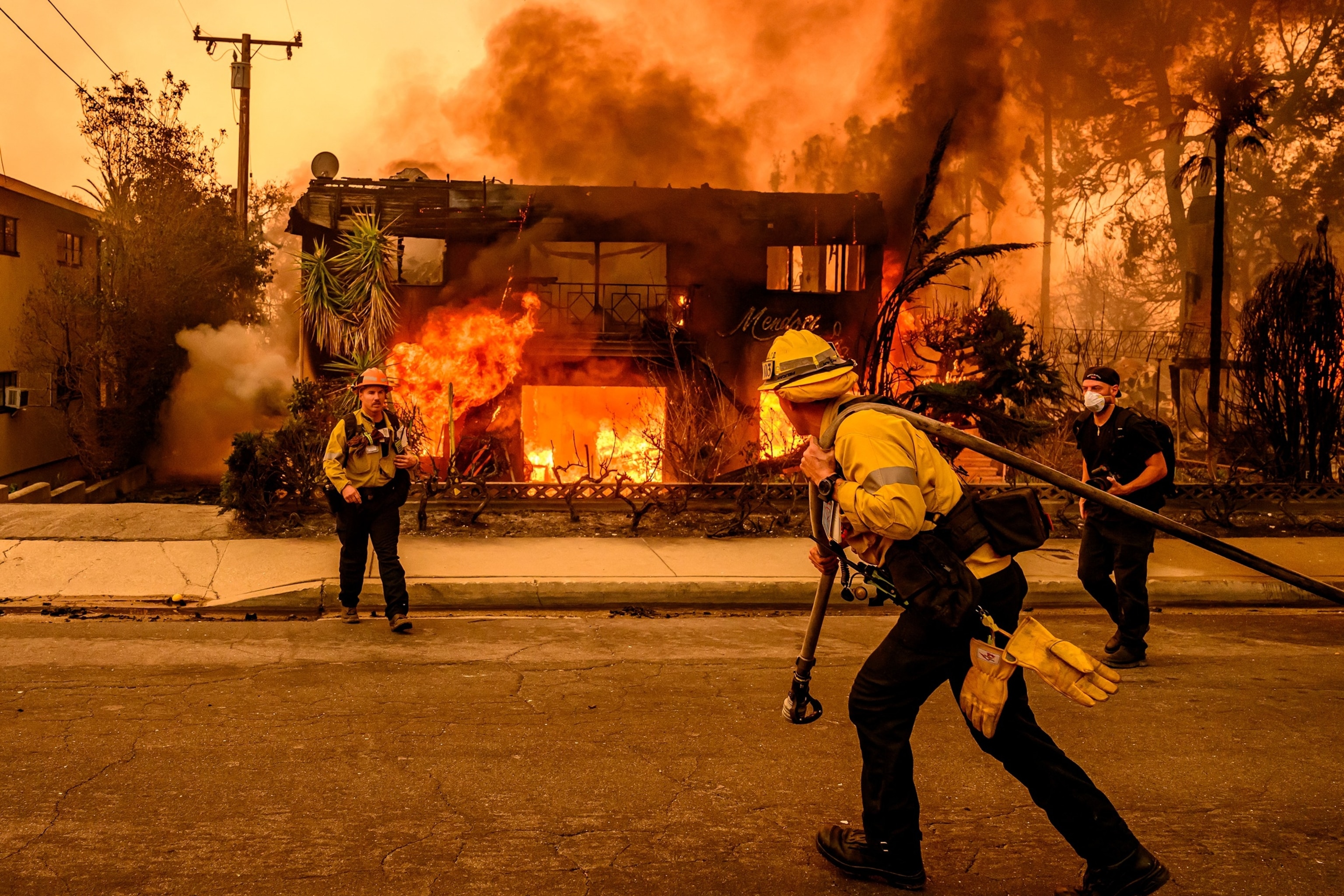
Understanding the Landscape: A Seasonal Reality for California Travel
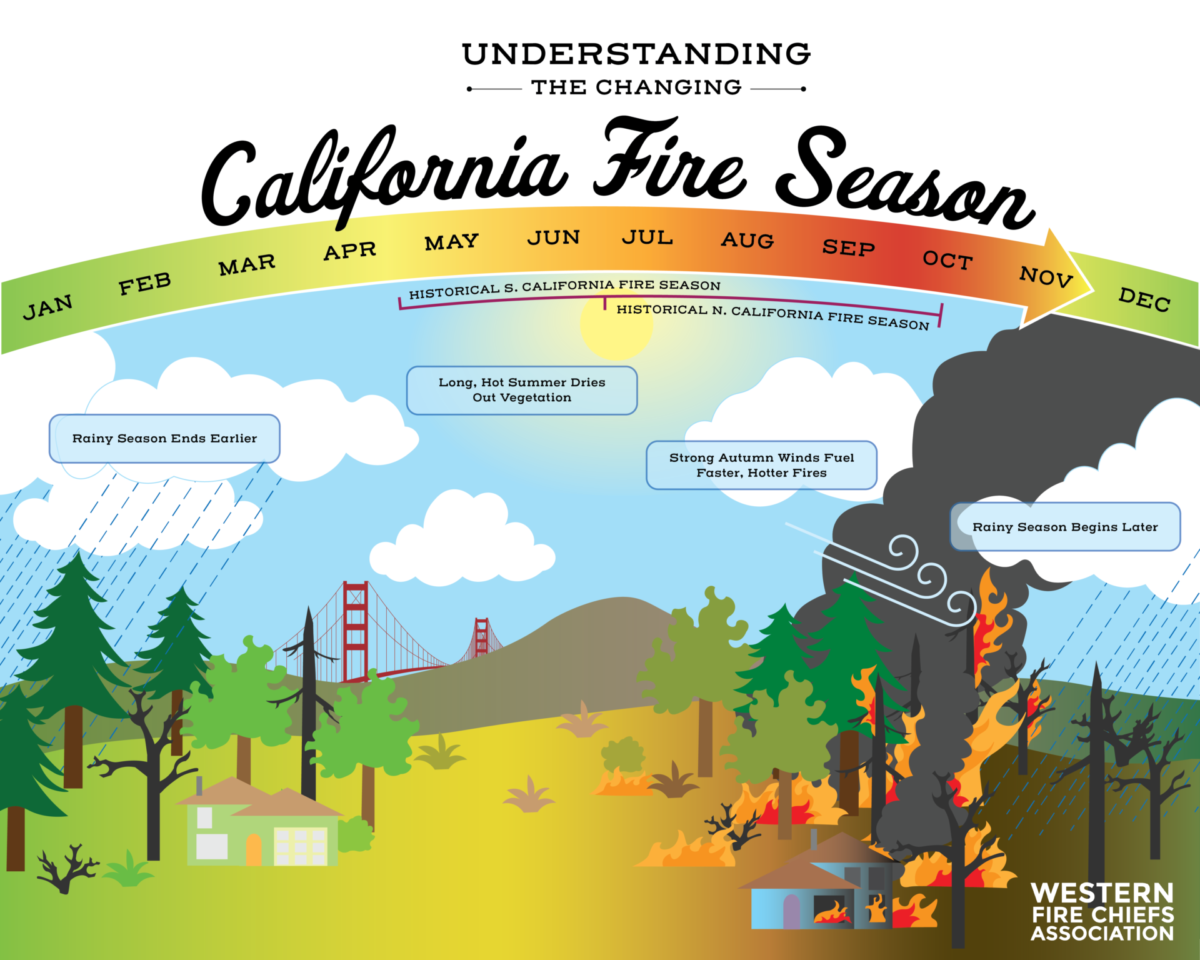
California’s unique Mediterranean climate, characterized by hot, dry summers and mild, wet winters, creates conditions ripe for wildfires, especially during the late summer and fall months. This isn’t a new phenomenon but an inherent part of the state’s natural ecosystem. For travelers, acknowledging this seasonal reality is the first step in planning a resilient and enjoyable trip.
The Annual Challenge and Its Geographical Scope
Wildfires in California are often concentrated in specific regions. Areas prone to chaparral, brush, and forest growth, particularly in the foothills and mountains, face higher risks. This includes parts of Southern California like the Santa Monica Mountains and the foothills surrounding Los Angeles and San Diego. Further north, the dense forests of the Sierra Nevada and regions like Napa Valley and Sonoma County, famous for their wineries, can also be affected.
It’s crucial to remember that a fire impacting a specific county does not mean the entire state is ablaze. While headlines might paint a broad picture, the actual footprint of even large fires is geographically limited. For instance, a fire burning near Lake Tahoe would have little direct impact on a coastal getaway in Santa Barbara or an urban adventure in San Francisco, beyond perhaps some distant smoke or a temporary advisory. Understanding this geographical nuance is vital for making informed travel decisions rather than canceling an entire trip to the state based on isolated incidents.
Containment vs. Control: What Travelers Need to Know
When fire agencies like Cal Fire issue updates, they often refer to “containment percentages.” For the average person, this can be a source of confusion. Containment refers to the percentage of the fire’s perimeter that has been encircled by a control line, such as a fire break or natural barrier, where firefighters expect to stop the fire’s spread. A 100% contained fire means it’s no longer growing, but it doesn’t necessarily mean it’s “out.” Pockets of fire might still burn within the perimeter. Control, on the other hand, means the fire is completely extinguished.
For travelers, a high containment percentage is a positive sign, indicating that the immediate threat to surrounding areas is diminishing. However, even with high containment, roads might remain closed, air quality could be affected, and some attractions might be temporarily inaccessible. Official sources like Cal Fire’s incident page, the National Weather Service for air quality alerts, and local county emergency services are the most reliable places to get real-time, actionable information that impacts travel plans. Consulting these resources allows visitors to assess risks accurately and adjust their itineraries as needed, ensuring both safety and enjoyment.
Impact on Your California Getaway: Travel, Accommodation, and Experiences
When wildfires become a prominent news story, potential visitors naturally wonder about the implications for their meticulously planned California trip. The effects can range from minor inconveniences to significant disruptions, touching upon every aspect of a travel experience, from getting there to where you stay and what you do.
Navigating Travel Plans During Fire Season
Transportation: The most immediate impact on travel during active wildfires is often related to ground transportation. Roads leading into or through fire-affected areas may be closed for safety reasons or to facilitate emergency response. State Highway 1, a segment of the iconic Pacific Coast Highway, for example, has seen closures due to fires and associated mudslides in the past. Travelers should check Caltrans for real-time road conditions before embarking on long drives, especially when venturing into more remote or scenic routes. Air travel is less frequently impacted directly, but smoke plumes can occasionally lead to flight delays or cancellations at regional airports, and poor air quality can be a concern for those with respiratory issues. Major international airports like Los Angeles International Airport (LAX) or San Francisco International Airport (SFO) are typically far enough from fire lines that they operate normally, but it’s always wise to confirm flight status with your airline.

Travel Insurance: For those planning extensive trips or visiting higher-risk areas, considering travel insurance that covers natural disasters can provide peace of mind. Policies vary, so it’s essential to read the fine print regarding cancellations, evacuations, and changes due to wildfires. This can be a crucial safety net for significant investments in flights, tours, and non-refundable accommodations.
Hotels and Resorts: Safety, Availability, and Adaptability
The accommodation sector is particularly sensitive to fire activity. In areas directly threatened by fires, hotels, resorts, and vacation rentals may face mandatory evacuation orders. This can lead to cancellations, temporary closures, and significant disruption for both guests and staff. For example, during significant fire events, charming boutique hotels in Sonoma or mountain lodges near Yosemite might be forced to close their doors.
However, many hotels and resorts in unaffected regions often become temporary havens for evacuees, demonstrating the resilience and community spirit of the state. Even if a fire is somewhat distant, concerns about air quality can prompt some guests to postpone or cancel. Reputable establishments, such as the Hyatt Regency San Francisco or the Waldorf Astoria Beverly Hills, typically have robust safety protocols, including advanced air filtration systems and clear communication channels with guests regarding local conditions. It’s always advisable to contact your hotel directly for the most up-to-date information on their operational status and any specific advisories they might have for guests. Many hotels also offer flexible booking policies during uncertain times, making direct communication invaluable.
Tourism and Local Culture: Shifting Priorities
Wildfires can profoundly impact local tourism economies. Attractions in affected areas, from state parks and hiking trails to wineries and historical sites, may be closed for safety or due to damage. Beyond physical damage, the emotional toll on local communities can be substantial. For travelers, this means a shift in perspective is sometimes necessary. Rather than focusing solely on personal enjoyment, being mindful of and supporting affected communities becomes part of responsible tourism.
In areas far from the fire, however, life and tourism continue as usual. Cities like San Diego with its vibrant Gaslamp Quarter, or Anaheim, home to the Disneyland Resort, rarely experience direct fire threats. Their cultural institutions, dining scenes, and attractions remain fully operational, offering world-class experiences. When visiting California during fire season, being flexible with your itinerary and ready to pivot to alternative, unaffected destinations can ensure a rewarding trip while also contributing to the state’s broader tourism economy.
Exploring California Responsibly: Destinations Beyond the Firelines
Despite the seasonal challenges, the vast majority of California remains open, welcoming, and spectacularly beautiful, even during fire season. The key to a successful trip lies in informed planning and focusing on destinations that are typically less affected or robustly resilient.
Coastal Escapes and Urban Adventures Remain Open
Much of California’s iconic coastline, from the dramatic cliffs of Big Sur (though sometimes subject to mudslides after fires) to the sunny beaches of Malibu, often serves as a natural firebreak, making coastal cities relatively safe havens. Major urban centers are also well-equipped to handle potential distant smoke issues and typically remain fully operational.
- San Francisco Bay Area: Home to landmarks like the Golden Gate Bridge, Alcatraz Island, and the vibrant Fisherman’s Wharf, San Francisco continues to be a top destination for culture, food, and sightseeing. Its cool, foggy climate often keeps it protected from the worst fire conditions. Cities like Oakland and San Jose also offer diverse attractions.
- Greater Los Angeles Area: Beyond the glitz and glamour of Hollywood Walk of Fame, Universal Studios Hollywood, and the beaches of Santa Monica and Venice, Los Angeles is a sprawling metropolis that offers endless entertainment and cultural experiences, largely unaffected by fires in more remote areas.
- San Diego and Southern Coast: Known for its idyllic weather, expansive beaches, and attractions like Balboa Park and the San Diego Zoo, San Diego is a consistently popular choice. Further north, charming coastal towns like Santa Barbara and Monterey (home to the Monterey Bay Aquarium) also typically offer serene and safe environments.
These areas provide a wealth of activities, from world-class dining and shopping to historical tours and family-friendly attractions, making them excellent choices for those seeking an authentic California experience during fire season.
National Parks and Natural Wonders: A Mixed Picture
California boasts some of the most spectacular national parks in the country, including Yosemite National Park, Sequoia National Park, Joshua Tree National Park, and Death Valley National Park. Their vast, wild landscapes, while breathtaking, are also often fire-prone.
- Yosemite and Sequoia: These parks, located in the Sierra Nevada, contain dense forests susceptible to wildfires. During active fire seasons, portions of these parks or even entire parks may close temporarily, or access may be restricted. Smoke can also significantly reduce visibility and air quality, impacting the visitor experience. It is paramount to check the official National Park Service websites for real-time status updates before planning a visit.
- Joshua Tree and Death Valley: These desert parks are less frequently impacted by the large-scale forest fires seen elsewhere, but they can experience smaller, fast-moving brush fires. Their unique ecosystems, however, offer a very different landscape that can be explored when other forested areas might be risky.
The key message here is diligent research. Many parks offer incredible experiences outside of peak fire season, or in areas that are historically less affected. Responsible travelers always prioritize safety and preservation of these natural wonders.
Planning for Future Visits: Off-Season Advantages and Resilience
For those who prefer to minimize any risk associated with fire season, planning trips during the shoulder seasons (spring or late fall) or even winter can be ideal. Spring brings vibrant wildflowers and moderate temperatures, while late fall often offers crisp air and beautiful autumn foliage in certain regions, often outside the highest fire risk window. Winter unveils snow-capped peaks in the Sierra Nevada and mild, pleasant weather along the coast and in the deserts.
Furthermore, California’s communities are remarkably resilient. They recover, rebuild, and continue to welcome visitors, often with even greater appreciation for tourism’s role in their livelihood. Supporting these communities, whether directly affected or simply part of the state’s broader tourism ecosystem, is a powerful way to contribute to their ongoing vibrancy.
Supporting California’s Resilience: A Traveler’s Role
The question of whether fires in California are contained is multifaceted, extending beyond just a simple yes or no. For travelers, it’s an opportunity to engage with the destination more thoughtfully and responsibly. By making informed decisions, staying updated, and choosing to support local communities, visitors play a vital role in California’s ongoing resilience.
Making Informed Decisions and Staying Updated
The best defense for any traveler during California’s fire season is access to accurate, real-time information.
- Official Sources are Key: Always rely on official sources such as Cal Fire’s incident maps and daily updates, the National Weather Service for air quality forecasts, and county-specific emergency management websites. These provide direct, actionable information regarding fire perimeters, containment levels, evacuation orders, and road closures.
- Local News and Tourism Boards: Supplement official data with local news outlets for a boots-on-the-ground perspective. Regional tourism boards, such as Visit California or local city tourism organizations (e.g., Visit Anaheim, San Francisco Travel Association), are excellent resources. They often provide specific advisories for visitors, highlight open attractions, and suggest alternative itineraries.
- Flexibility is a Virtue: Maintain flexibility in your travel plans. Having a backup itinerary or being prepared to adjust dates or destinations can transform a potentially stressful situation into a manageable one. Check with airlines and hotels about their cancellation or rebooking policies in the event of unforeseen fire-related disruptions.
Responsible Travel and Community Support
When fires do occur, the impact on local communities can be severe, affecting homes, businesses, and livelihoods. Travelers have an opportunity to contribute positively:
- Support Local Businesses in Unaffected Areas: If your planned destination is impacted, consider redirecting your trip to an unaffected part of California. By dining at local restaurants, staying in independent hotels, and shopping at local boutiques in safe areas, you directly inject much-needed revenue into the state’s economy, helping to maintain jobs and stability.
- Respect Closures and Warnings: Adhere strictly to all warnings, road closures, and park restrictions. These measures are put in place for your safety and the safety of emergency responders. Ignoring them can put lives at risk and strain valuable resources.
- Practice Fire Safety: If you are visiting wildland areas, even those far from active fires, practice extreme caution. Follow all fire restrictions, such as not having campfires outside designated areas, properly disposing of smoking materials, and avoiding activities that could spark a blaze. Being a responsible visitor helps prevent new fires from starting.
- Consider Donations: For those who wish to offer more direct support, consider donating to reputable relief organizations or local community funds that assist those impacted by the fires.
In essence, being a responsible traveler in California during fire season means being prepared, informed, and empathetic. It means understanding that while challenges exist, the spirit of California and its people remains undimmed, and the state continues to offer unparalleled experiences to those who visit thoughtfully.
In conclusion, the question “Are the fires in California contained?” often receives a dynamic, evolving answer. While wildfires are an undeniable aspect of the state’s natural cycle, they do not define the entirety of the California experience. With careful planning, reliance on official information, and a mindful approach to travel, visitors can confidently explore the vast majority of the state’s incredible destinations, from its vibrant cities and luxurious resorts to its breathtaking coastal drives and accessible national parks. By making informed choices and supporting local communities, travelers can not only ensure a safe and enjoyable trip but also contribute to the enduring resilience and beauty of the Golden State. California remains a world-class destination, ready to welcome adventurers, leisure seekers, and culture enthusiasts alike, inviting them to discover its many wonders responsibly.
LifeOutOfTheBox is a participant in the Amazon Services LLC Associates Program, an affiliate advertising program designed to provide a means for sites to earn advertising fees by advertising and linking to Amazon.com. Amazon, the Amazon logo, AmazonSupply, and the AmazonSupply logo are trademarks of Amazon.com, Inc. or its affiliates. As an Amazon Associate we earn affiliate commissions from qualifying purchases.