
Planning a trip to Miami is an exciting prospect, promising sun-drenched beaches, vibrant nightlife, and a unique blend of cultures. But to truly maximize your experience and avoid potential pitfalls, understanding the optimal time to visit is crucial. The “best” time isn’t a one-size-fits-all answer; it depends entirely on your priorities. Are you seeking the lowest prices, the most pleasant weather, or are you drawn to specific events and festivals? This guide delves into the nuances of Miami’s climate, peak seasons, and special happenings to help you pinpoint the perfect window for your unforgettable Miami adventure.
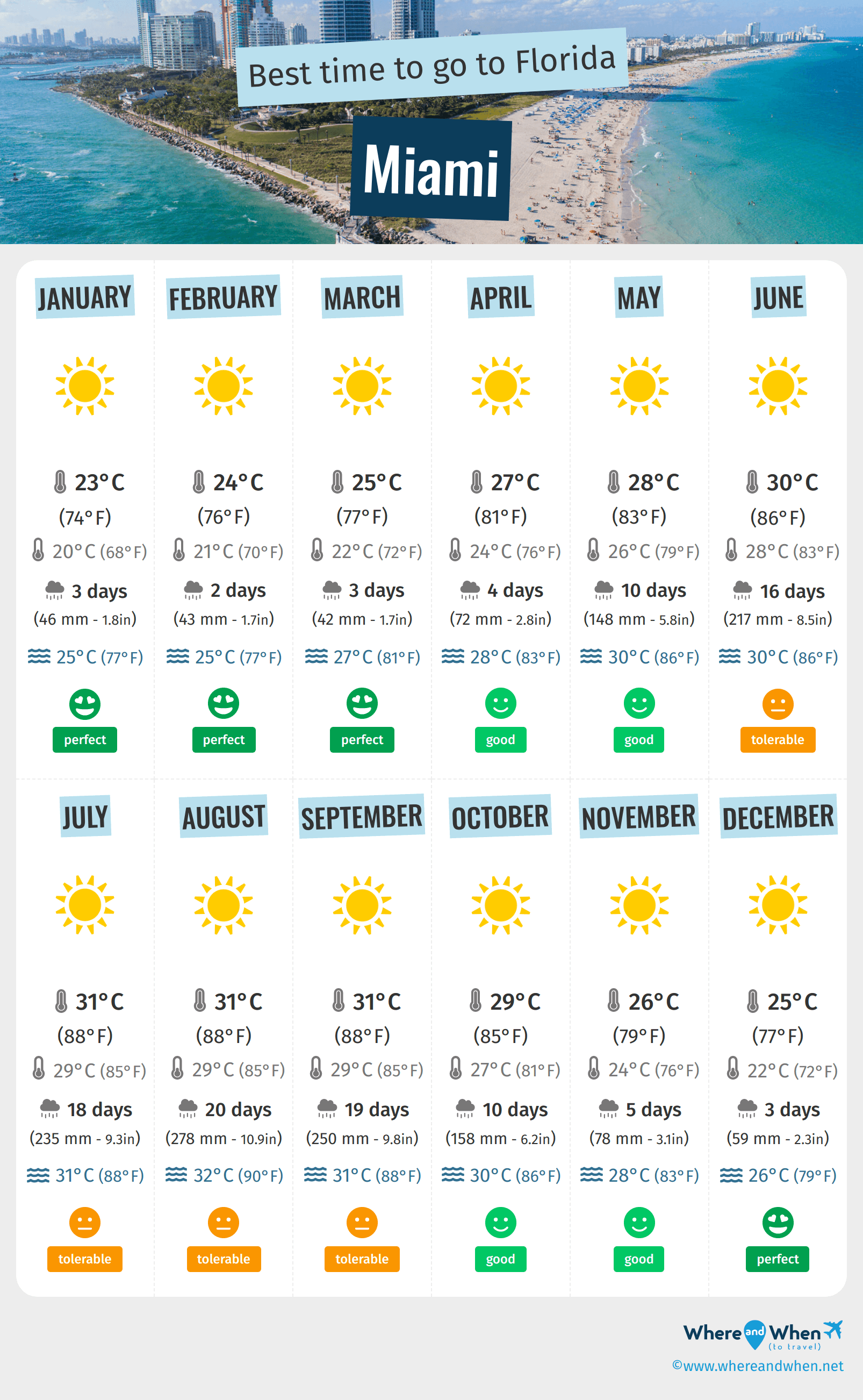
Miami, a jewel of Florida, boasts a tropical monsoon climate, characterized by hot, humid summers and warm, dry winters. This distinct seasonal pattern directly influences the visitor experience, from the crowds you’ll encounter to the prices you’ll pay for flights and accommodation. Navigating these variations ensures you can tailor your trip to align with your budget and desired atmosphere.
Understanding Miami’s Climate and Seasons
Miami’s weather is a significant factor when deciding when to visit. While it’s generally warm year-round, there are noticeable differences between the seasons that can impact your holiday.
The Dry Season: The Sweet Spot for Sunshine
From late November through April, Miami experiences its dry season. This period is often considered the most desirable time to visit due to its consistently pleasant weather. Temperatures typically range from the mid-70s to low 80s Fahrenheit (around 24-28°C), with lower humidity and less rainfall. These conditions are perfect for exploring the city’s numerous attractions, lounging on the iconic South Beach, or enjoying outdoor activities without the oppressive heat and humidity that define other months.
During the dry season, the skies are often clear, offering plenty of sunshine for soaking up the rays and participating in water sports. The evenings are comfortably mild, ideal for enjoying the renowned Miami dining scene or experiencing its vibrant nightlife. For many travelers, this is the quintessential Miami experience, a perfect balance of sunshine, comfortable temperatures, and a lively yet manageable atmosphere.
The Wet Season: Heat, Humidity, and Chance of Storms
The wet season in Miami runs from May through October. This period is characterized by higher temperatures, significantly increased humidity, and a greater chance of rainfall. Afternoon thunderstorms are common, often brief but intense, bringing a temporary respite from the heat. While the rain can be disruptive, it rarely lasts all day, and you can often find sunshine interspersed with showers.
The summer months, particularly July and August, are the hottest and most humid. Temperatures can soar into the high 80s and low 90s Fahrenheit (around 31-33°C), with a “feels like” temperature that can be considerably higher due to the humidity. For those who thrive in extreme heat and don’t mind the possibility of rain, this can be a more budget-friendly time to visit, as demand is generally lower.
It’s also important to be aware of hurricane season, which officially runs from June 1st to November 30th, with the peak typically occurring between August and October. While direct hits are not guaranteed, tropical storms and hurricanes can impact travel plans, leading to flight cancellations and potential evacuations. Travelers visiting during this period should monitor weather forecasts closely and consider travel insurance.
Navigating Peak Seasons and Shoulder Months
Miami’s popularity means that certain times of the year attract significantly larger crowds and higher prices. Understanding these peak and shoulder seasons is vital for both budget-conscious travelers and those seeking a more tranquil experience.
Peak Tourist Season: The Festive Frenzy
The peak tourist season in Miami generally coincides with the dry season, specifically from December through April. This period is driven by a desire to escape colder climates in other parts of the country and the world, as well as a plethora of events and festivals that draw visitors.
Holiday Season (Late December – Early January): The Christmas and New Year’s period is one of the busiest and most expensive times to visit. Miami decks the halls with festive cheer, and the weather is at its absolute finest. Expect higher prices for flights and accommodations, and crowded attractions.
Art Basel Miami Beach (Early December): This world-renowned contemporary art fair transforms Miami Beach into a global hub for art enthusiasts. The city buzzes with exhibitions, parties, and cultural events, making it an exciting but exceptionally crowded and costly time to visit.
Spring Break (Mid-March – Early April): Miami is a perennial favorite for college students during their spring break. While the beaches and nightlife are in full swing, expect large crowds, a lively and sometimes rowdy atmosphere, and inflated prices.
Winter Music Conference / Ultra Music Festival (Late March): These influential electronic music events bring a massive influx of music lovers to Miami, further boosting demand and prices during this already busy period.
Shoulder Seasons: The Best of Both Worlds
The shoulder seasons offer a compelling compromise, providing pleasant weather with fewer crowds and more reasonable prices.
Late April – May: As the dry season winds down and the wet season begins to stir, Miami offers a sweet spot. The weather is still generally warm and sunny, though humidity starts to creep in. You’ll find fewer tourists than during the peak months, and accommodation deals become more available. This is an excellent time to enjoy the beaches and outdoor activities with more breathing room.
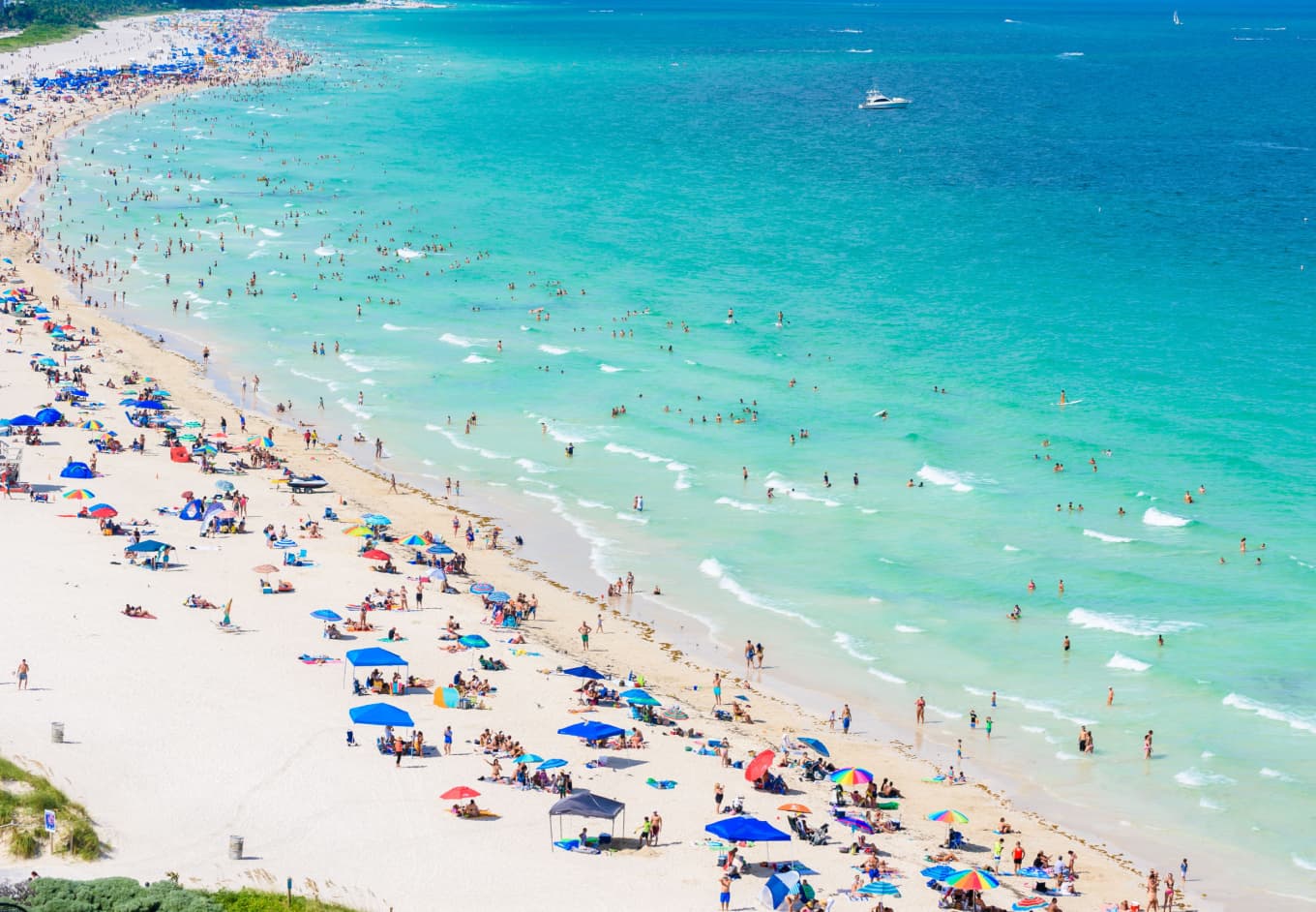
November – Early December: The transition from the wet to the dry season is also a favorable time. The humidity has subsided, and the temperatures are becoming more comfortable. While the holiday season crowds haven’t fully descended yet, you can still find a festive atmosphere, especially as Art Basel Miami Beach kicks off towards the end of this period. This is another excellent opportunity to enjoy Miami before the peak rush.
Off-Season: Budget-Friendly and Quieter Exploration
The off-season in Miami typically spans the heart of the wet season, from June through October (excluding major holidays). While the weather can be hot, humid, and prone to thunderstorms, this period offers the significant advantage of lower prices for flights and hotels.
If you can tolerate the heat and are prepared for potential rain showers, visiting during the off-season can be incredibly rewarding. You’ll find a more relaxed atmosphere at attractions, shorter lines, and more availability at sought-after restaurants. It’s an ideal time for budget travelers to experience the magic of Miami without breaking the bank.
When booking during the off-season, always factor in the possibility of hurricane activity and consider travel insurance for added peace of mind. Despite the weather, the vibrant culture, delicious food, and stunning scenery of Miami remain, offering a different, perhaps more local, experience.
Special Events and Activities by Season
Beyond the climate and crowd dynamics, Miami is a city brimming with events and activities that can significantly influence your decision on when to visit.
Winter & Spring: Festivals and Outdoor Pursuits
The cooler, drier months of winter and early spring are synonymous with a packed calendar of events and optimal conditions for outdoor exploration.
- New Year’s Eve Celebrations: Miami hosts some of the most spectacular New Year’s Eve parties and fireworks displays in the country.
- Miami International Boat Show (February): A premier event for boating enthusiasts, showcasing the latest in marine technology and luxury yachts.
- Miami Open (March): A prestigious professional tennis tournament attracting top players and fans from around the globe.
- Carnaval Miami (March): A vibrant celebration of Hispanic culture featuring music, food, parades, and the famous Calle Ocho Music Festival.
- Food & Wine Festivals: Various culinary events often take place, celebrating Miami‘s diverse and world-class food scene.
These events draw large crowds, so booking accommodation and tickets well in advance is highly recommended.
Summer: Beach Life and Indoor Entertainment
While the summer months are hot and humid, they offer unique opportunities for enjoying Miami‘s aquatic attractions and indoor cultural experiences.
- Beach Season: The beaches are at their most inviting, with warm waters perfect for swimming, sunbathing, and water sports.
- July 4th Celebrations: Miami hosts impressive fireworks displays and community events to mark Independence Day.
- Museums and Art Galleries: With the heat and occasional rain, summer is a great time to explore Miami‘s excellent museums, such as the Pérez Art Museum Miami or the Vizcaya Museum and Gardens.
- Live Music and Nightlife: The city’s renowned nightlife scene is always buzzing, offering indoor entertainment options to escape the heat.
Fall: A Transition into Cooler Months and Cultural Highlights
As summer gives way to fall, Miami experiences a pleasant transition, with fewer crowds and a host of cultural happenings.
- Halloween Events: Expect themed parties and activities across the city.
- Hispanic Heritage Month (September 15th – October 15th): Celebrations of the rich Hispanic culture that defines Miami.
- South Beach Jazz Festival (November): A fantastic event showcasing incredible jazz talent.
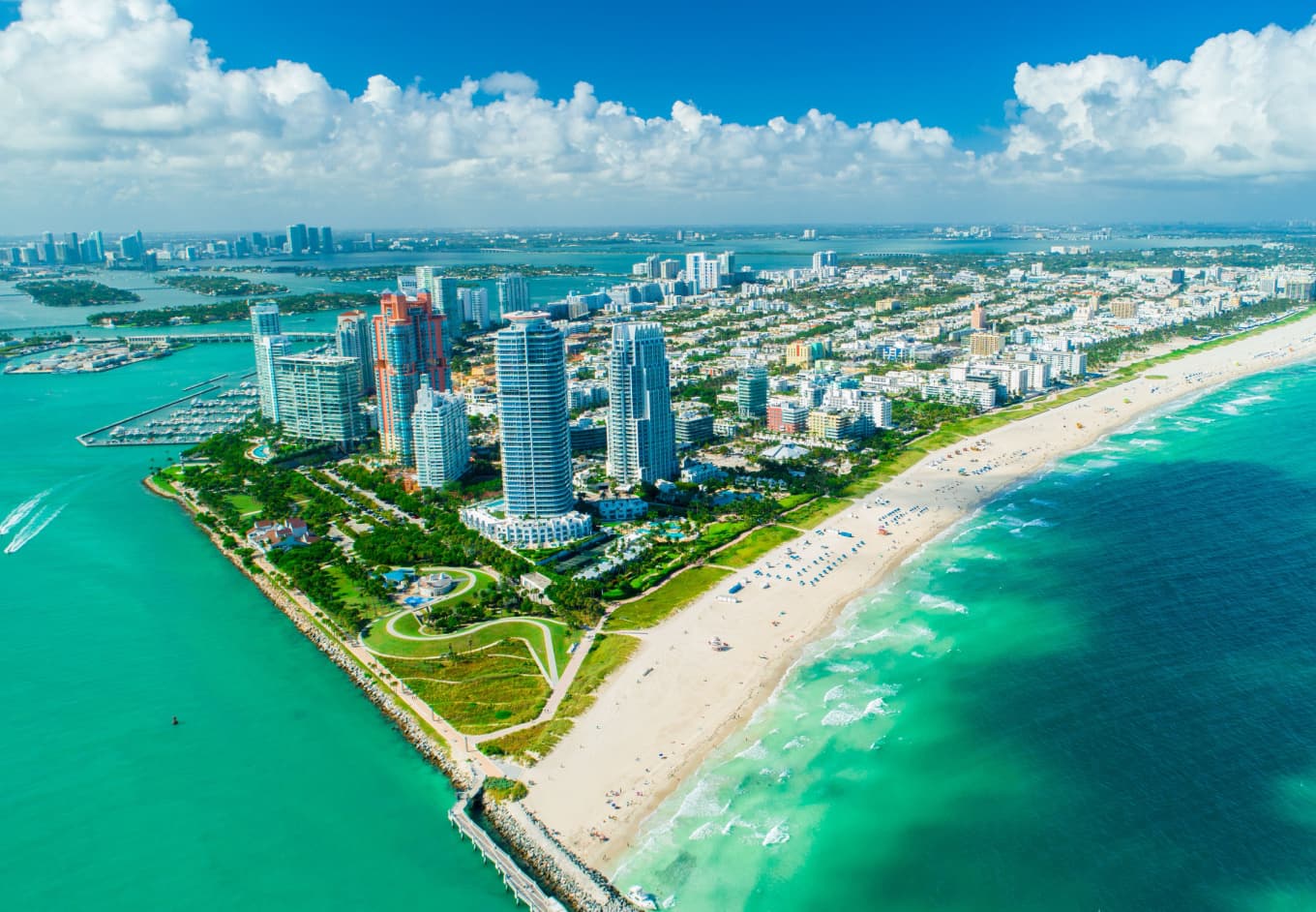
Making Your Choice: Aligning Your Visit with Your Priorities
Ultimately, the “best” time to visit Miami is subjective and hinges on what you value most in a vacation.
-
For the best weather and outdoor activities: Aim for the dry season, from December to April. Be prepared for higher prices and crowds, especially around the holidays and major events. Consider the shoulder months of November and late April/May for a good balance of weather and fewer people.
-
For budget travelers: The off-season, from June to October, offers the most affordable prices. While you’ll contend with heat, humidity, and the risk of rain, the savings can be substantial. Ensure you have flexible plans and consider travel insurance.
-
For festival-goers and event enthusiasts: Plan your trip around specific events like Art Basel Miami Beach, the New Year’s Eve celebrations, or music festivals. Be aware that these periods are the busiest and most expensive.
-
For families: The shoulder seasons or the beginning of the dry season (November to early December, or late April to May) often provide a good mix of pleasant weather and manageable crowds, making it easier to enjoy family-friendly attractions.
No matter when you choose to visit, Miami promises a captivating experience. By considering the climate, seasonal events, and your personal preferences, you can ensure your trip to this vibrant Floridian metropolis is nothing short of perfect. Whether you’re dreaming of lounging on Miami Beach, exploring the historic Art Deco Historic District, or indulging in the city’s culinary delights, knowing the best time to go will help you craft an unforgettable journey.
LifeOutOfTheBox is a participant in the Amazon Services LLC Associates Program, an affiliate advertising program designed to provide a means for sites to earn advertising fees by advertising and linking to Amazon.com. Amazon, the Amazon logo, AmazonSupply, and the AmazonSupply logo are trademarks of Amazon.com, Inc. or its affiliates. As an Amazon Associate we earn affiliate commissions from qualifying purchases.