
Deciding the optimal time to visit Miami, Florida, a vibrant metropolis renowned for its stunning beaches, dynamic nightlife, and rich cultural tapestry, can significantly shape your experience. From the sun-drenched shores of Miami Beach to the artistic alleys of Wynwood Walls, every season presents a different facet of this South Florida gem. Understanding Miami’s distinct climate patterns, peak tourist seasons, and local events is crucial for planning an unforgettable trip that aligns with your preferences and budget.
Understanding Miami’s Climate and Seasons
Miami’s climate is distinctly tropical, characterized by warm, humid summers and mild, dry winters. This consistent warmth is a major draw for visitors escaping colder climes, but it also means experiencing two primary seasons: the dry season and the wet season, each with its own advantages and considerations for travelers.
The Dry Season: Ideal Weather (November to April)
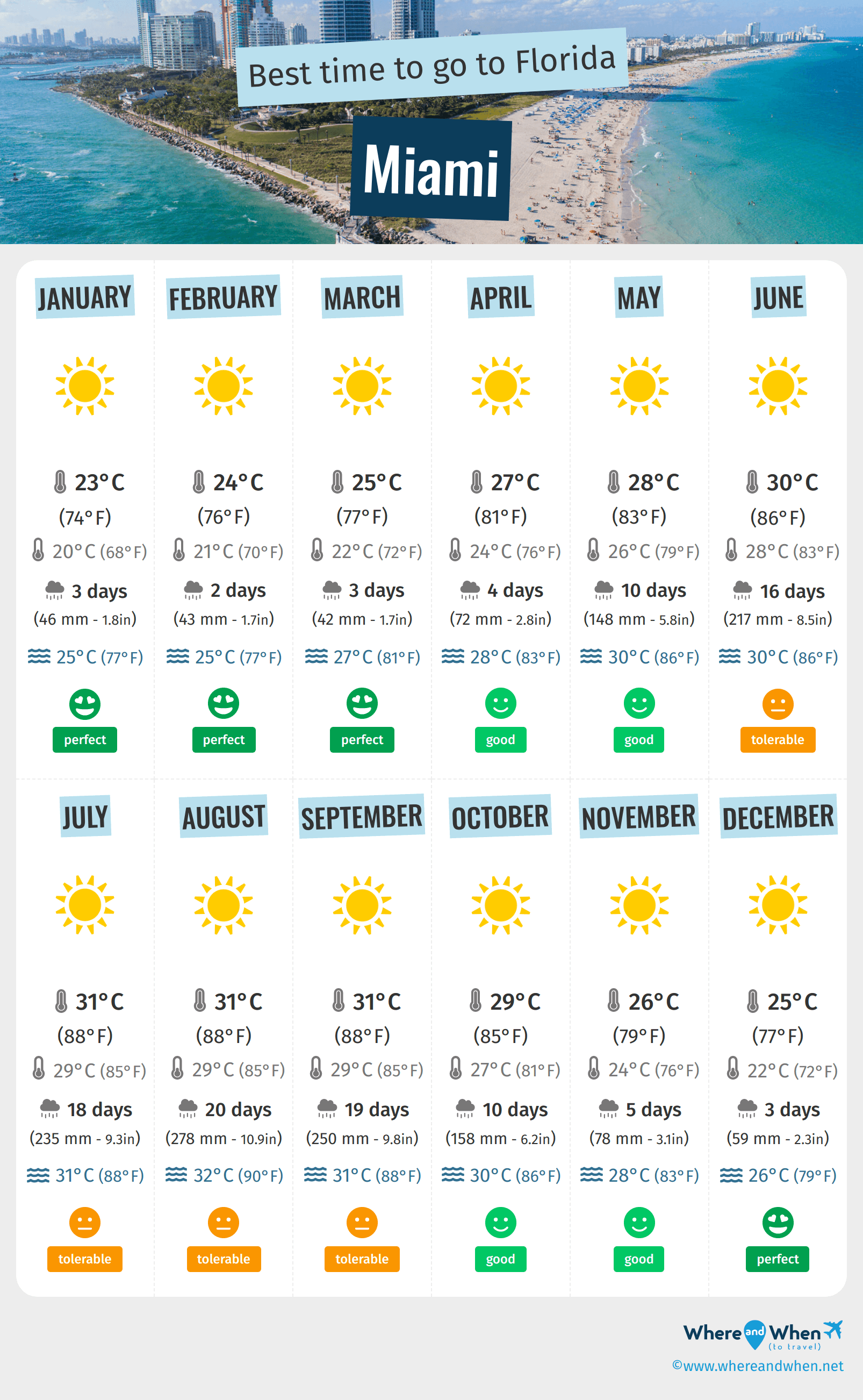
The dry season, spanning from November to April, is widely considered the best time to visit Miami. During these months, the city enjoys pleasant temperatures, lower humidity, and significantly less rainfall, creating perfect conditions for outdoor activities and beachgoing. Daytime temperatures typically range from the mid-70s to low-80s Fahrenheit (24-28°C), while evenings are comfortably cool, often dropping into the 60s Fahrenheit (15-20°C). This period also falls outside the official hurricane season, offering peace of mind for travelers. The clear skies and gentle breezes make exploring the Art Deco Historic District, lounging on South Beach, or taking an airboat tour through Everglades National Park incredibly enjoyable. However, this idyllic weather coincides with peak tourist season, meaning higher prices for flights and accommodations, and larger crowds at popular attractions.
The Wet Season: Heat, Humidity, and Hurricanes (May to October)
Conversely, the wet season, from May to October, brings Miami’s signature heat and humidity, along with frequent afternoon thunderstorms. Temperatures consistently hover in the high 80s to low 90s Fahrenheit (30-35°C), often feeling even hotter due to high humidity. While rainfall is common, it typically comes in short, intense bursts in the late afternoon, leaving the rest of the day open for activities. This period also marks hurricane season for the Atlantic Ocean, with the highest risk from August to October. Despite these challenges, traveling during the wet season offers significant advantages, particularly for budget-conscious travelers. Prices for hotels and flights are considerably lower, and popular sites are less crowded. Many indoor attractions, such as the Pérez Art Museum Miami (PAMM) or the Phillip and Patricia Frost Museum of Science, provide excellent respite from the heat, and cooling off in the ocean is a refreshing option.
Seasonal Travel: What to Expect Each Time of Year
Each season in Miami offers a distinct travel experience, shaped by weather, crowd levels, and local events. Understanding these seasonal nuances can help you tailor your trip to your specific interests.
Winter (December to February): Peak Season Perks
Miami’s winter is its peak tourist season, and for good reason. With temperatures ranging from the comfortable mid-70s to low-80s Fahrenheit (24-28°C) and virtually no humidity, it’s the perfect escape from colder climates. The beaches are bustling, outdoor dining is at its finest, and the city buzzes with energy. Major events like Art Basel Miami Beach in December draw international crowds, showcasing the city’s vibrant art scene. While accommodation and flight prices are at their highest, and popular attractions like Lummus Park can be crowded, the unparalleled weather and lively atmosphere make it worth the premium for many. It’s advisable to book well in advance if you plan to visit during these months, especially around holidays.
Spring (March to May): Shoulder Season Charms
Spring represents a delightful shoulder season in Miami, offering a sweet spot between the peak winter crowds and the onset of summer heat. March and April continue to enjoy pleasant, dry weather with temperatures steadily climbing into the low to mid-80s Fahrenheit (27-30°C). Humidity remains relatively low, making it ideal for exploring neighborhoods like Little Havana or taking a boat tour. As May approaches, temperatures rise, and humidity starts to increase, signaling the transition to the wet season. Spring also hosts significant events such as the Ultra Music Festival and the South Beach Wine & Food Festival, attracting diverse groups of visitors. Prices for travel and lodging begin to decrease slightly from their winter highs, offering good value for those who prefer comfortable weather without the absolute peak season crowds.
Summer (June to August): Budget-Friendly Adventures
Summer in Miami is characterized by intense heat, high humidity, and frequent afternoon thunderstorms. Daily temperatures often soar into the low 90s Fahrenheit (32-35°C), and the air is thick with moisture. However, this season offers the most attractive prices for flights and hotels, making it an excellent option for budget travelers. The crowds thin out, particularly at the beaches, providing a more relaxed experience. Summer is perfect for enjoying Miami’s renowned indoor attractions, such as museums, shopping malls, and air-conditioned restaurants. Water-based activities like swimming, snorkeling, and jet skiing are popular ways to beat the heat. While the risk of hurricanes is present, particularly in late summer, many visitors find the trade-off of lower costs and fewer crowds to be advantageous, often securing travel insurance for peace of mind.
Fall (September to November): Transition and Events
Fall serves as a transitional period for Miami. September and October are still part of the hurricane season and typically remain hot and humid, similar to summer, though the frequency of afternoon showers might start to lessen. As November arrives, the weather significantly improves, ushering in the dry season with cooler temperatures and lower humidity. This makes late fall a fantastic time for those seeking good weather without the peak winter prices. The crowds are manageable, and there’s a pleasant buzz in the air as the city prepares for its busy winter season. Events like Miami Carnival in October add cultural flavor, showcasing the city’s diverse heritage. Travelers planning a fall visit should pay close attention to weather forecasts, especially if traveling earlier in the season, but can often find great deals and enjoy comfortable conditions by mid to late November.
Key Factors Influencing Your Miami Visit
Beyond climate, several other factors should guide your decision on when to visit Miami. These include personal preferences for weather, budget constraints, desire to avoid crowds, and interest in specific local events.
Weather Preferences: Sun-Seeker vs. Cooler Climates
If your primary goal is to bask in warm sunshine with minimal humidity and enjoy pristine beach days, the dry season from November to April is unequivocally the best choice. This period offers consistently pleasant conditions for swimming, sunbathing, and outdoor exploration without the oppressive heat and humidity of summer. However, if you tolerate heat well and prefer fewer tourists, the warmer months can still offer a fantastic experience, especially if you plan activities around the midday heat and utilize air-conditioned spaces.
Budget Considerations: Peak vs. Off-Peak Pricing
Miami is generally a desirable destination, and prices fluctuate significantly with demand. The dry season (November-April), particularly around holidays and major events, sees the highest prices for flights, hotels, and even some activities. Conversely, the wet season (May-October) offers the most budget-friendly rates. Travelers willing to brave the heat and potential rain can secure substantial savings on their trip, making luxurious experiences more accessible. Planning your trip during the shoulder seasons (late spring or late fall) can offer a good balance of reasonable prices and agreeable weather.
Crowd Avoidance: Enjoying Miami with Fewer Tourists
For those who prefer a more tranquil travel experience and wish to avoid large crowds, the summer months (June-August) are ideal. With fewer tourists flocking to the beaches and attractions, you can enjoy popular spots with greater ease and less competition. Even during the shoulder seasons, attractions are less crowded than during the peak winter months. If visiting during peak season, try to visit popular attractions early in the morning or late in the afternoon to avoid the busiest times.
Special Events and Festivals: Planning Around the Fun
Miami’s calendar is packed with world-class events and festivals that can be a major draw for visitors. If attending a specific event, such as Art Basel Miami Beach (December), the South Beach Wine & Food Festival (February), or the Ultra Music Festival (March), your travel dates will naturally be dictated by the event schedule. These events often coincide with peak tourist season, so expect higher prices and larger crowds. Conversely, other unique local events like Miami Carnival in October offer a chance to experience Miami’s diverse culture during a more affordable, though still potentially warm, time of year.
Making the Most of Your Miami Trip, Regardless of the Season
No matter when you decide to visit, Miami offers a wealth of experiences. With proper planning and an understanding of the seasonal characteristics, you can craft a memorable itinerary.
Embrace the Outdoors: Beaches and Parks
Miami’s iconic beaches, from the lively shores of South Beach to the more serene sands of Key Biscayne and Bill Baggs Cape Florida State Park, are central to its allure. During the dry season, enjoy long days of sunbathing, swimming in the Atlantic Ocean, and water sports. In the wet season, plan beach visits for the mornings before the afternoon rains, and take refreshing dips to cool off from the heat. Exploring parks like Everglades National Park is best done during cooler, drier months for wildlife viewing, but early morning tours are still viable in summer.
Explore Cultural Hubs: Museums and Neighborhoods
Miami boasts a vibrant cultural scene that can be enjoyed year-round. Spend time wandering through the colorful streets of Little Havana, admiring the street art at Wynwood Walls, or discovering the historic architecture of Coral Gables and Coconut Grove. Museums like the Pérez Art Museum Miami (PAMM), the Phillip and Patricia Frost Museum of Science, and Vizcaya Museum & Gardens offer air-conditioned havens perfect for escaping the summer heat or enjoying a cultural afternoon any time of year.

Indulge in Culinary Delights
Miami’s diverse culinary landscape is a highlight for any visitor. From upscale dining in South Beach to authentic Cuban fare in Little Havana, there’s something to satisfy every palate. Outdoor dining is particularly enjoyable during the dry season, but many restaurants offer comfortable indoor seating, making dining a pleasant experience regardless of the weather. Seek out fresh seafood, Latin-inspired dishes, and creative cocktails that reflect the city’s vibrant fusion of cultures.
Ultimately, the best time to travel to Miami, Florida, depends on your priorities. For quintessential beach weather and a lively atmosphere, the winter dry season is supreme. For budget-conscious travelers and those who prefer fewer crowds, the summer wet season offers compelling advantages. The shoulder seasons provide a balanced blend of good weather and moderate prices. By considering Miami’s climate patterns and your personal preferences, you can choose the ideal time to experience this captivating destination.
LifeOutOfTheBox is a participant in the Amazon Services LLC Associates Program, an affiliate advertising program designed to provide a means for sites to earn advertising fees by advertising and linking to Amazon.com. Amazon, the Amazon logo, AmazonSupply, and the AmazonSupply logo are trademarks of Amazon.com, Inc. or its affiliates. As an Amazon Associate we earn affiliate commissions from qualifying purchases.