
Florida, the Sunshine State, beckons with its diverse attractions, from world-renowned theme parks and pristine beaches to vibrant cities and unique natural wonders. Deciding on the best time to visit, however, can significantly impact your experience. This decision hinges on a delicate balance of weather, crowds, prices, and specific events. Whether you’re planning a family vacation to Walt Disney World, a romantic getaway to Miami Beach, an adventurous exploration of the Everglades National Park, or a quiet escape to the Florida Keys, understanding the seasonal nuances of Florida is key to crafting your perfect trip.
The “best” time to visit Florida is not a universal answer; it’s a personal one, tailored to your priorities. Do you crave sunshine and warmth without the intense summer heat and humidity? Are you aiming to avoid the largest crowds? Is budget a primary concern? Or are you drawn to specific festivals and events? By dissecting the months and seasons, we can uncover the sweet spots for an unforgettable Florida adventure.
Understanding Florida’s Climate and Seasons
Florida‘s climate is predominantly subtropical to tropical, characterized by warm temperatures year-round. However, there are distinct variations throughout the year that influence the visitor experience. Understanding these seasonal shifts will help you align your visit with your preferences for weather, activities, and overall atmosphere.
The High Season: Winter and Spring Break (December – April)
This period is generally considered the most popular and often the “best” time to visit Florida for many travelers, particularly those escaping colder climates.
Pleasant Weather and Ideal Conditions
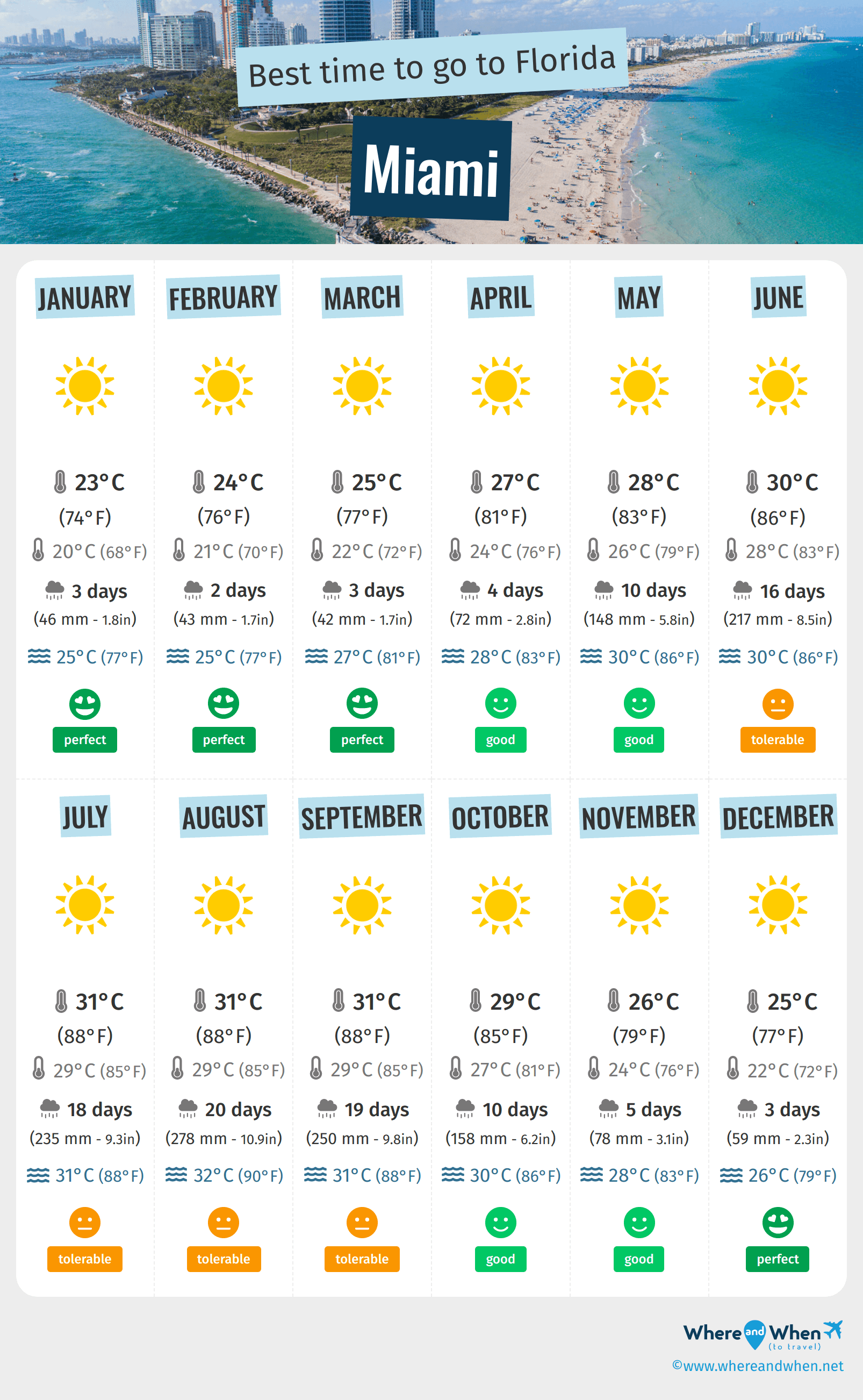
The winter months, from December through February, offer a welcome respite from the chill experienced elsewhere in the country. Florida boasts pleasant, mild temperatures, with average highs in the 70s°F (around 20-25°C) and lows rarely dipping below the 50s°F (10-15°C) in most coastal areas. The humidity is also at its lowest during this time, making outdoor activities incredibly comfortable. Sunshine is abundant, though occasional cooler fronts can pass through, bringing a brief dip in temperature.
The spring months, March and April, continue this trend of delightful weather. Temperatures gradually warm up, with highs often reaching the high 70s to low 80s°F (25-28°C). The air remains relatively dry, and the skies are typically clear, making it ideal for exploring the beaches, theme parks, and natural landscapes.
Peak Crowds and Higher Prices
While the weather is superb, this period also coincides with the highest influx of tourists. Many snowbirds flock to Florida to escape the winter cold, and students on spring break flood the beaches and attractions. Consequently, you can expect larger crowds at major theme parks like Walt Disney World and Universal Orlando Resort, as well as popular beaches and attractions across the state.
Due to the high demand, accommodation prices and flight fares tend to be at their peak during these months. Booking well in advance is crucial if you plan to visit during winter or spring break, especially if you have specific hotel preferences, such as staying at a resort like the Grand Floridian Resort & Spa or finding a villa in Orlando. This is also the time when you’ll see the highest occupancy rates at hotels and resorts across cities like Tampa, St. Petersburg, and Fort Lauderdale.
The Shoulder Seasons: Spring and Fall (Late April – May and September – November)
These transitional periods offer a compelling balance between favorable weather and manageable crowds, often making them the true sweet spots for many visitors.
Moderate Weather and Blooming Attractions
The tail end of spring, from late April through May, provides an excellent window. The intense heat and humidity of summer haven’t yet arrived, and the spring break crowds have largely dispersed. Temperatures are warm and pleasant, perfect for enjoying outdoor activities. The blooming flora adds an extra layer of beauty to the state’s natural attractions.
The fall months, from September through November, are equally attractive. While September can still carry some lingering summer heat and humidity, it also marks the beginning of hurricane season’s decline. As October and November arrive, the weather becomes increasingly comfortable, with lower humidity and cooler, crisp air, especially in the northern parts of the state. November in particular often offers near-perfect weather across Florida.
Reduced Crowds and Better Value
One of the significant advantages of visiting during the shoulder seasons is the reduction in crowds. While popular attractions will still have visitors, they are generally far less congested than during the winter high season or summer holidays. This means shorter wait times for rides at theme parks, more space on the beaches, and a more relaxed atmosphere overall.
Furthermore, prices for accommodations and flights often begin to decrease as demand lessens. This presents an excellent opportunity for budget-conscious travelers to experience Florida without compromising on quality or weather. You might find better deals on hotels in areas like Key West or apartments in South Beach, and potentially longer-term stay options become more accessible and affordable. This can be a particularly attractive time for families looking for a more peaceful experience before the school year resumes or for couples seeking a romantic escape.
The Off-Season: Summer and Early Fall (June – August and early September)
This period is characterized by high temperatures, humidity, and the potential for significant rainfall, but it also comes with its own set of advantages for certain travelers.
Hot and Humid Conditions with Afternoon Showers
The summer months, from June through August, are undeniably hot and humid across Florida. Daily temperatures frequently reach the high 80s and low 90s°F (30-35°C), with the humidity making it feel even hotter. Afternoon thunderstorms are a daily occurrence, often bringing heavy downpours and lightning, though they typically don’t last all day. These showers can be a welcome relief from the heat, but they can also disrupt outdoor plans.
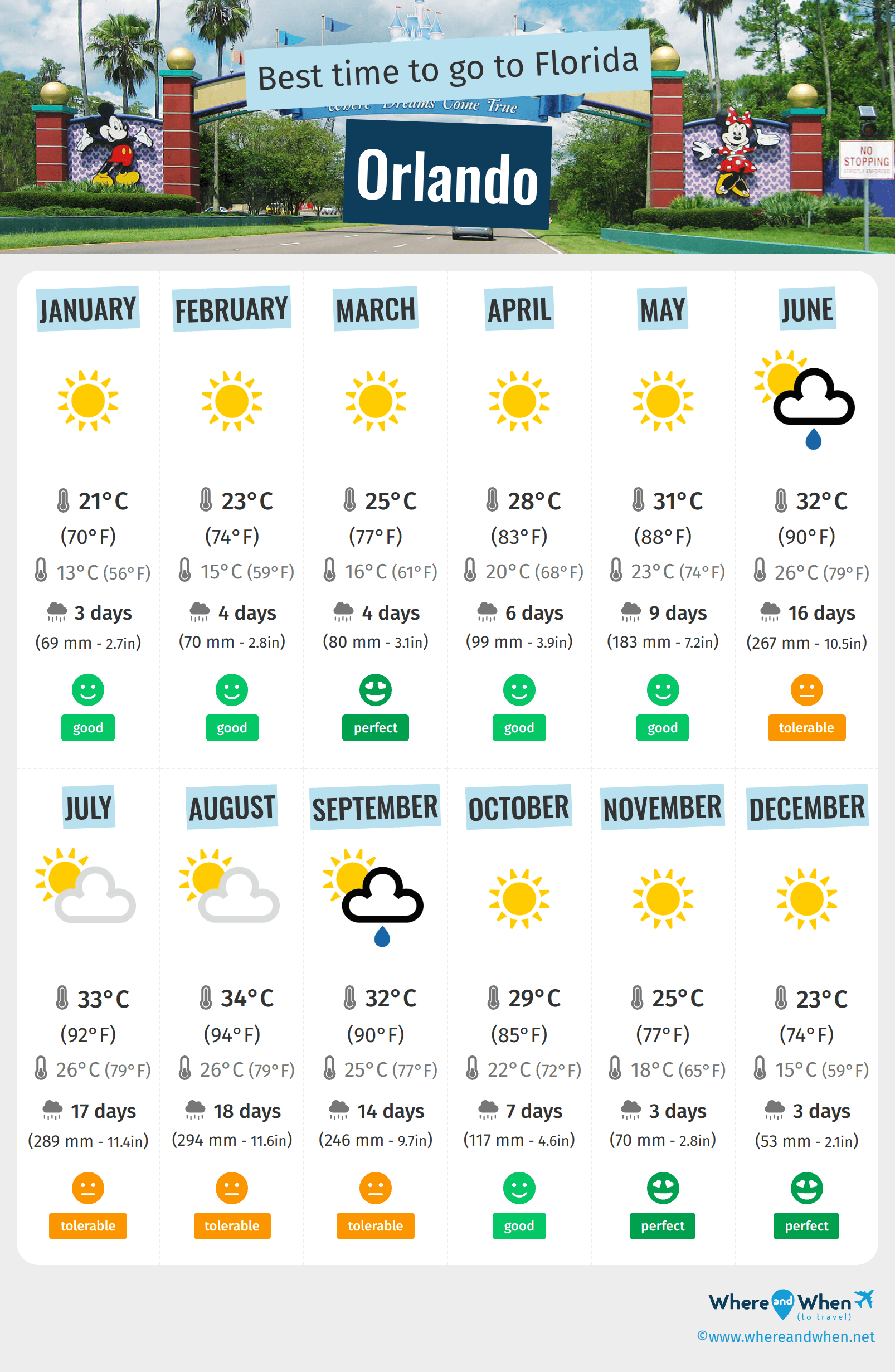
September continues this pattern, although it also signals the peak of hurricane season. While not guaranteed, the risk of tropical storms or hurricanes is higher during this month.
Fewer Crowds and Budget-Friendly Options
The primary draw for visiting during the off-season is the significant reduction in crowds. With the intense heat and the school year in session, tourist numbers are considerably lower at most attractions, especially theme parks and popular beach towns. This can lead to a much more relaxed and enjoyable experience for those who can tolerate the heat.
The decreased demand also translates into more affordable prices. Hotels, resorts, and vacation rentals often offer significant discounts during the summer and early fall months. This can be an excellent time for families on a tight budget to visit Florida, allowing them to stretch their travel funds further. For example, you might find attractive rates at the Hyatt Regency Grand Cypress or explore budget-friendly apartments in less touristy areas. This season also offers unique opportunities for water-based activities, as the warmer ocean temperatures are perfect for swimming and water sports. Exploring coastal cities like Clearwater or the natural beauty of Honeymoon Island State Park can be done with fewer people.
Key Considerations for Your Visit
Beyond the general seasonal trends, several other factors can influence your decision on when to visit Florida.
Weather Patterns and Hurricane Season
While Florida generally enjoys warm weather, understanding the specific weather patterns is crucial. The summer and early fall months, from June to November, constitute the Atlantic hurricane season. While the likelihood of a direct hit from a major storm is statistically low in any given year, it’s a factor to consider, especially if you are planning a trip during this period. Travel insurance is highly recommended for trips booked during these months. The months of August, September, and October are statistically more prone to hurricane activity.
Crowd Levels and Your Tolerance
Your tolerance for crowds should be a significant factor. If you thrive in bustling environments and don’t mind long queues, the peak winter and spring break seasons might still be appealing. However, if you prefer a more relaxed pace, shorter lines, and a less frenetic atmosphere, the shoulder seasons (late spring and fall) or even the off-season (summer) would be a better fit. Consider visiting popular destinations like Orlando during the week rather than on weekends to further minimize crowds.
Special Events and Festivals
Florida hosts a variety of unique events and festivals throughout the year, which might be a primary motivator for your visit. The Epcot International Food & Wine Festival typically runs from late summer into fall. Various art festivals, music events, and cultural celebrations occur during different times of the year. Researching local events for your potential travel dates can add an exciting dimension to your trip. For instance, the Miami Art Basel in December attracts a sophisticated crowd and offers a vibrant cultural experience.
Budgetary Constraints
As previously mentioned, prices for flights and accommodations fluctuate significantly throughout the year. If budget is a major concern, aim for the shoulder or off-season to take advantage of lower prices. Traveling during the off-peak periods can make luxurious experiences more accessible. Even popular destinations like Key West can offer better value outside of the peak season.
Choosing Your Ideal Florida Experience
Ultimately, the “best” time to visit Florida depends on your personal preferences and travel priorities.
For the Perfect Beach Vacation
If your primary goal is to soak up the sun on Florida‘s world-famous beaches, the period between December and April offers the most consistently pleasant weather with lower humidity. However, be prepared for larger crowds. For a good balance of sunshine and fewer people, consider May or October.
For Theme Park Enthusiasts
Theme park aficionados in Orlando, such as those visiting Walt Disney World Resort, Universal Studios Florida, or SeaWorld Orlando, will find that crowd levels are lowest during the off-peak summer months and the early fall. However, the weather is hottest then. The shoulder seasons, particularly late April to May and September to November (excluding Thanksgiving week), offer a good compromise between manageable crowds and enjoyable weather for extended park visits.
For Nature Lovers and Outdoor Adventurers
The cooler, drier months of winter and early spring (December to April) are ideal for exploring Florida‘s diverse natural landscapes, including the Everglades National Park, Big Cypress National Preserve, and numerous state parks. Wildlife viewing can be excellent during these times. While summer offers lush greenery, the heat and humidity can make strenuous outdoor activities less comfortable.
For Budget Travelers
To maximize your budget, aim for the off-season (June through August, excluding major holidays) or the shoulder seasons (September through November, excluding Thanksgiving, and late April through May). You’ll find the best deals on flights and accommodation, allowing you to enjoy more of what Florida has to offer.
By carefully considering these factors and aligning them with your personal travel style, you can pinpoint the ideal time to embark on your Florida adventure, ensuring a memorable and enjoyable experience regardless of whether you’re seeking thrills, relaxation, or cultural immersion. From the lively streets of Tampa to the tranquil shores of Sanibel Island, Florida awaits with open arms, ready to be explored at your perfect pace.
LifeOutOfTheBox is a participant in the Amazon Services LLC Associates Program, an affiliate advertising program designed to provide a means for sites to earn advertising fees by advertising and linking to Amazon.com. Amazon, the Amazon logo, AmazonSupply, and the AmazonSupply logo are trademarks of Amazon.com, Inc. or its affiliates. As an Amazon Associate we earn affiliate commissions from qualifying purchases.