
Deciding on the “best” time to visit Hawaii is akin to choosing your favorite flower from a vibrant lei – each bloom offers its own unique charm. This enchanting archipelago, nestled in the heart of the Pacific Ocean and a state of the United States, beckons travelers with its year-round allure. From the lush rainforests of Kauai to the volcanic landscapes of the Big Island (also known as Hawaii Island), and the bustling shores of Oahu to the romantic vistas of Maui, each island offers a distinct experience. The ideal travel window hinges entirely on your priorities: are you chasing perfect weather, seeking to avoid crowds, hunting for the best deals, or perhaps aiming to catch a specific cultural event or natural phenomenon? This comprehensive guide will help you navigate Hawaii’s seasons, weigh the pros and cons, and ultimately pinpoint the perfect time for your dream Hawaiian getaway.
Understanding Hawaii’s Climate and Seasons
Unlike many destinations with four distinct seasons, Hawaii essentially has two: a dry season (summer) and a wet season (winter). However, the beauty of Hawaii’s tropical climate is that even the “wet” season offers plenty of sunshine, and temperatures remain consistently pleasant throughout the year.
The Dry Season (Summer: June to October)
Generally spanning from June to October, Hawaii’s dry season is characterized by warmer temperatures, less rainfall, and calmer ocean conditions, especially on the leeward (western and southern) sides of the islands.
- Weather: Expect average daytime temperatures ranging from the mid-70s to high 80s Fahrenheit (24-31°C). Humidity is present but often mitigated by the gentle trade winds. Rainfall is minimal, making it ideal for sun-seekers and outdoor adventurers.
- Ocean Conditions: The Pacific is typically calmer during these months, with smaller waves, particularly on south-facing shores. This makes it perfect for swimming, snorkeling, paddleboarding, and family-friendly beach activities.
- Crowds & Prices: Summer, especially July and August, coincides with school holidays in the United States, leading to higher tourist numbers and increased prices for flights, accommodations, and car rentals. Popular attractions and beaches can feel more crowded.
- Why Visit Now? If your priority is consistently sunny weather, calm waters for water sports, and long days for exploration, the dry season is undoubtedly appealing. It’s excellent for hiking, sunbathing, and general sightseeing without worrying much about rain.
The Wet Season (Winter: November to May)
From November to May, Hawaii experiences its wet season. While “wet” might sound off-putting, it rarely means continuous downpours. Instead, you’ll often find brief, refreshing showers, especially in the mornings or evenings, that contribute to the islands’ lush greenery. The windward (eastern and northern) sides tend to receive more rain.
- Weather: Temperatures are slightly cooler but still very comfortable, typically ranging from the low 70s to low 80s Fahrenheit (21-28°C). While rain is more frequent, it often comes in short bursts, followed by sunshine. This is also the season for dramatic rainbows.
- Ocean Conditions: Winter brings larger swells, particularly to the north shores of islands like Oahu and Maui, making it prime time for professional surfing and thrilling surf-watching. South shores generally remain calmer. This is also peak whale-watching season.
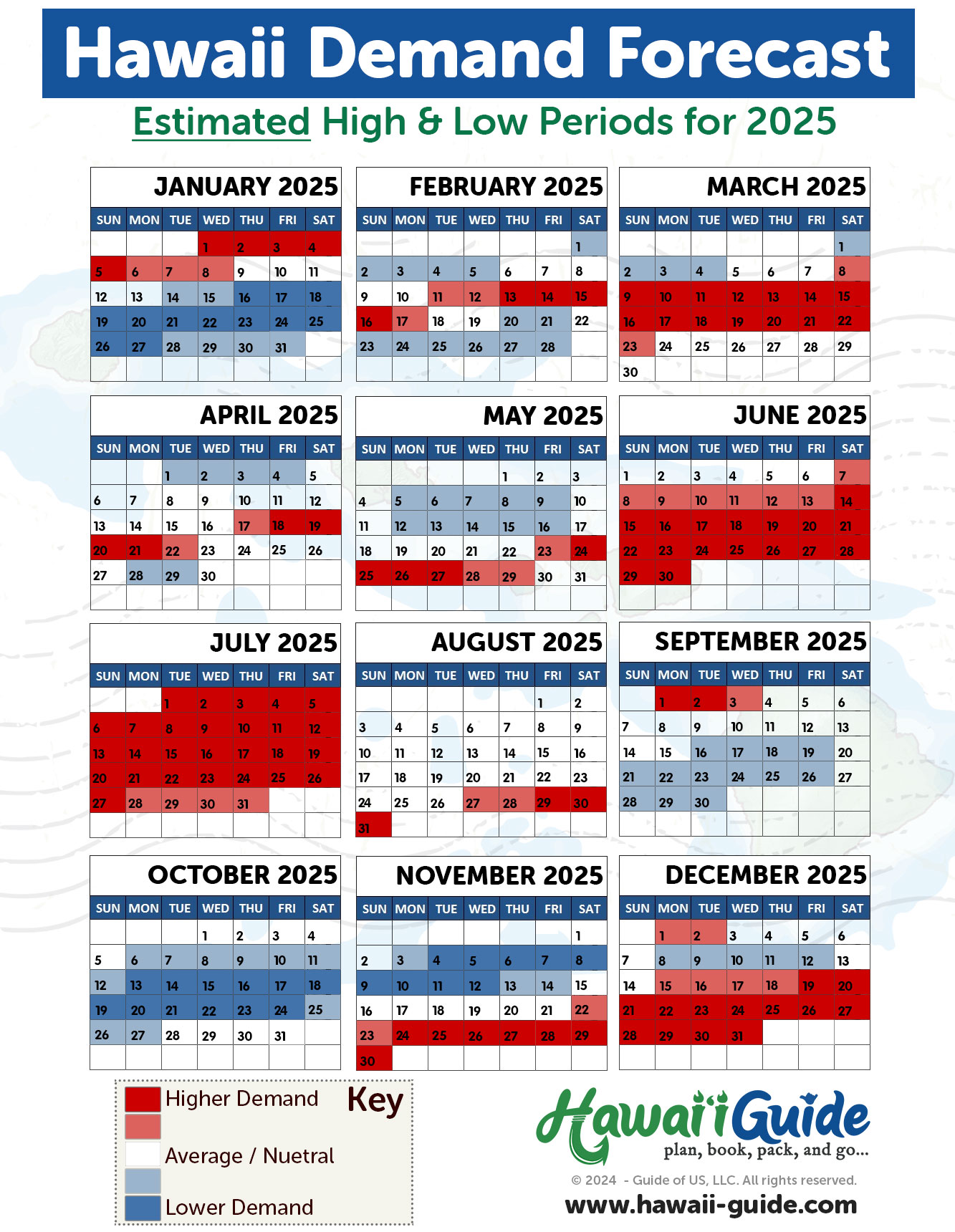
- Crowds & Prices: Key holiday periods like Christmas, New Year’s, and Spring Break see surges in tourism and prices. However, outside these peak weeks, late November, early December, and parts of January through May can offer lower prices and fewer crowds compared to summer.
- Why Visit Now? If you’re a surfer, a whale enthusiast, or someone who appreciates lush, vibrant landscapes and the occasional dramatic cloudscape (and potentially better deals outside holidays), the wet season has a lot to offer.
Best Time for Specific Activities and Preferences
Your ideal visiting time will largely depend on what kind of Hawaiian experience you’re dreaming of.
Avoiding Crowds and Saving Money (Shoulder Seasons)
For travelers prioritizing budget and tranquility, the shoulder seasons are your sweet spot. These are generally mid-April to May (after Spring Break and before summer family travel) and September to mid-November (after the summer rush and before the Thanksgiving/Christmas holidays).
- Benefits: You’ll find lower airfares, better deals on hotels and car rentals, and significantly fewer people at popular attractions, beaches, and restaurants. The weather during these periods is generally pleasant – warm with less rain than winter, and not as hot as peak summer.
- Experiences: This is an excellent time for a more relaxed pace, easier restaurant reservations, and enjoying the natural beauty of the islands without the bustling crowds.
Ideal for Surfing and Whale Watching (Winter)
If catching epic waves or witnessing majestic marine life is high on your list, then winter (November to May) is your prime window.
- Surfing: The North Shores of Oahu, particularly the famed North Shore with spots like Waimea Bay and Banzai Pipeline, come alive with colossal swells during these months. Even if you’re not a pro, watching surfers tackle these giants is an unforgettable spectacle. Maui’s north shore also offers impressive winter breaks.
- Whale Watching: Humpback whales migrate from the cold waters of Alaska to Hawaii’s warm, shallow waters to breed and calve. Peak whale-watching season runs from mid-December to May, with the highest concentrations typically seen in January, February, and March. Maui’s Au’au Channel, between Maui, Lanai, and Molokai, is particularly renowned for its whale population.
Perfect for Beach Activities and Hiking (Summer)
For classic beach holidays, snorkeling, diving, paddleboarding, and extensive hiking, the dry season (June to October) is often preferred.
- Beach & Water Sports: With calmer seas on most shores and consistent sunshine, this is the perfect time for leisurely swims, snorkeling among vibrant coral reefs, learning to surf on smaller waves, and enjoying every imaginable water activity. South-facing beaches are especially tranquil.
- Hiking: While hiking is possible year-round, the dry season minimizes muddy trails and offers clearer views, particularly for panoramic hikes up mountains or along coastal paths. Trails in places like Hawaii Volcanoes National Park on the Big Island or along the Na Pali Coast on Kauai are more accessible and enjoyable.

Experiencing Hawaiian Festivals and Events (Year-round)
Hawaii’s rich culture ensures there’s almost always a festival or event happening, no matter when you visit.
- Spring: The Merrie Monarch Festival (late March/early April, Big Island) celebrates hula and Hawaiian culture.
- Summer: Kamehameha Day (June 11th) is a statewide holiday honoring King Kamehameha I with parades and celebrations. The Prince Lot Hula Festival (July, Oahu) is a major non-competitive hula event.
- Autumn: The Aloha Festivals (September, statewide, with major events in Oahu and Maui) are the largest Hawaiian cultural celebrations in the United States, featuring parades, music, and dance. The Ironman World Championship (October, Kailua-Kona, Big Island) attracts athletes and spectators from around the globe.
- Winter: The Vans Triple Crown of Surfing (November-December, Oahu’s North Shore) is a premier surfing event. The festive season around Christmas and New Year’s brings unique Hawaiian holiday traditions.
Month-by-Month Breakdown: A Detailed Guide
To help you narrow down your choice, here’s a closer look at what each period offers:
January to March: Winter Wonders
- Pros: Peak whale-watching, big wave surfing on north shores, cooler temperatures.
- Cons: Higher prices and crowds around New Year’s and Spring Break, more rain (especially windward).
- Vibe: Vibrant for nature lovers and adventurers.
April to May: Spring Serenity
- Pros: Fantastic shoulder season deals, pleasant weather, blooming flora, fewer crowds, good for hiking and water activities.
- Cons: End of whale season, but still possible to spot.
- Vibe: Relaxed, ideal for budget-conscious travelers and those seeking peace.
June to August: Summer Sun and Fun
- Pros: Longest sunny days, calmest ocean conditions (south shores), perfect for swimming, snorkeling, and family beach trips.
- Cons: Peak tourist season, highest prices, most crowded.
- Vibe: Bustling, energetic, classic summer holiday feel.
September to November: Autumn Adventures
- Pros: Another excellent shoulder season, decreasing crowds and prices, warm weather, start of big waves and whale migration (late Nov).
- Cons: Potential for tropical storms (though rare), can still be quite warm.
- Vibe: Balanced, offers a mix of summer and winter activities without the intense crowds.
December: Holiday Hues
- Pros: Festive atmosphere, start of prime whale watching, big wave surfing, unique Hawaiian holiday celebrations.
- Cons: Highest prices and crowds of the entire year, especially Christmas and New Year’s.
- Vibe: Magical but busy, requires early booking.
Choosing Your Perfect Hawaiian Island
While Hawaii’s overall climate trends hold true for all islands, each has its own personality that might influence your decision.
Oahu: Bustling City and Iconic Beaches
- Best Time: Year-round. For surfing, winter (North Shore). For calmer beach days and city exploration, summer. Shoulder seasons for a balance.
- Highlights: Honolulu, Waikiki Beach, Pearl Harbor, Diamond Head, vibrant nightlife, diverse dining.
- Considerations: Most populated island, can feel crowded at any time.
Maui: Romantic Escapes and Road Trips
- Best Time: Winter for whale watching and bigger waves on the north shore. Summer for consistently sunny weather on south and west shores. Shoulder seasons for fewer crowds on the Road to Hana and Haleakala sunrise.
- Highlights: Road to Hana, sunrise at Haleakala crater, luxurious resorts in Wailea and Ka’anapali, historic Lahaina, world-class snorkeling.
- Considerations: Popular with honeymooners and families, so prices can be higher.
Kauai: Lush Landscapes and Outdoor Adventures
- Best Time: Summer for drier hiking trails (e.g., Kalalau Trail along the Napali Coast State Wilderness Park) and calmer waters for kayaking the Wailua River or exploring Hanalei Bay. Winter can bring more rain, making trails muddy but waterfalls spectacular.
- Highlights: Na Pali Coast, Waimea Canyon, lush rainforests, helicopter tours, serene beaches.
- Considerations: Known as the “Garden Isle,” embraces its rain. More laid-back than Oahu or Maui.
Big Island (Hawaii Island): Volcanic Wonders and Diverse Ecosystems
- Best Time: Year-round. Weather varies dramatically by region (e.g., wet Hilo vs. dry Kona). Generally, drier months (summer) are good for exploring Hawaii Volcanoes National Park and higher elevations like Mauna Kea.
- Highlights: Hawaii Volcanoes National Park (with active Kilauea volcano), diverse climate zones, stargazing on Mauna Kea, coffee farms in Kona, black sand beaches.
- Considerations: Largest island with significant driving distances. Weather can change quickly, especially when moving between different climate zones.
Essential Tips for Planning Your Hawaii Trip
Once you’ve decided on your preferred time and island, keep these additional tips in mind to ensure a smooth trip:
- Book Early, Especially for Peak Seasons: Flights, hotels, and car rentals, particularly during Christmas, New Year’s, Spring Break, and summer, can be scarce and expensive if not booked months in advance.
- Consider Travel Insurance: Given the investment in a Hawaiian vacation, travel insurance can provide peace of mind against unexpected cancellations or medical emergencies.
- Pack Smart: Even in summer, bring layers for cooler evenings or visits to higher elevations like Haleakala or Mauna Kea. Rain jackets are useful year-round, especially if you plan to explore rainforests or windward sides. Reef-safe sunscreen is a must.
- Rent a Car: While public transport exists in some areas (like Oahu’s bus system), a rental car offers the most flexibility to explore the islands’ hidden gems and scenic drives.
- Be Flexible: While planning is good, Hawaii’s weather can be unpredictable. Be open to adjusting your daily plans if a sudden shower rolls through or a new activity piques your interest.
- Respect the Culture: Learn a few Hawaiian phrases, understand local customs, and treat the land and people with respect. “Malama Aina” (care for the land) is a core value.
Ultimately, there’s no truly “bad” time to visit Hawaii, as its beauty and warmth are constant. The “best” time truly depends on your personal preferences, budget, and the specific experiences you hope to create in this paradise. By understanding the seasonal nuances and aligning them with your travel style, you can ensure your Hawaiian adventure is everything you’ve dreamed of and more.
LifeOutOfTheBox is a participant in the Amazon Services LLC Associates Program, an affiliate advertising program designed to provide a means for sites to earn advertising fees by advertising and linking to Amazon.com. Amazon, the Amazon logo, AmazonSupply, and the AmazonSupply logo are trademarks of Amazon.com, Inc. or its affiliates. As an Amazon Associate we earn affiliate commissions from qualifying purchases.