
For many travelers, Hawaii represents the pinnacle of a tropical escape. With its lush volcanic landscapes, pristine beaches, and vibrant marine life, it is a destination that promises rejuvenation. However, because the archipelago is composed of diverse islands—each with its own microclimates—pinpointing the “best” weather can be complex. Understanding the nuances of the Hawaiian climate is essential for planning a trip that aligns with your ideal vacation experience, whether you are chasing the perfect surf, looking for golden sunshine, or hoping to avoid the peak crowds.
Understanding the Hawaiian Climate Cycles
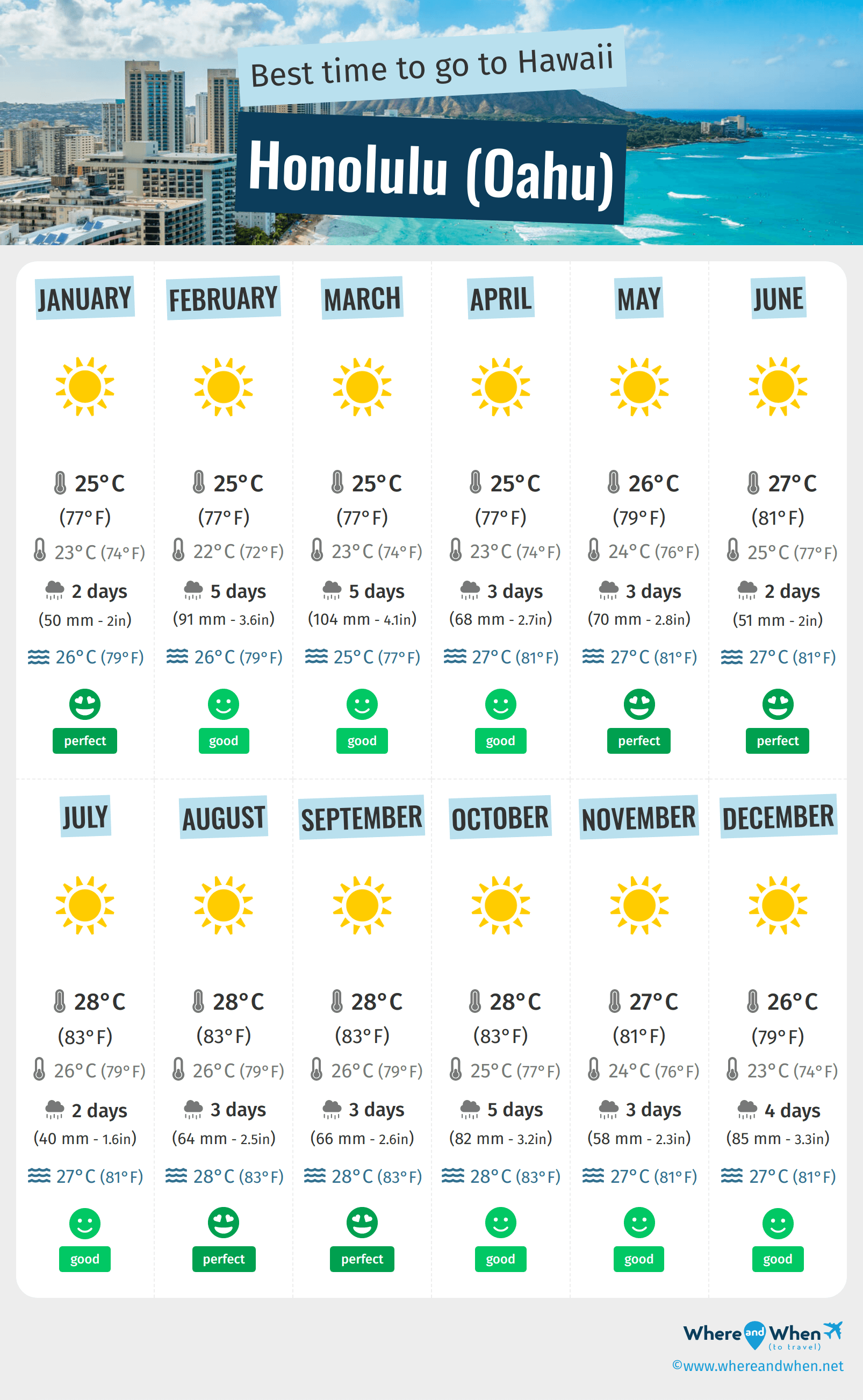
Unlike many other destinations that experience four distinct seasons, Hawaii effectively operates on two: the dry season, known locally as “kau,” and the rainy season, “ho‘oilo.” While the temperature remains relatively consistent year-round—averaging between 75°F and 85°F—the rainfall patterns and humidity levels change significantly throughout the year.
The Dry Season (Kau)
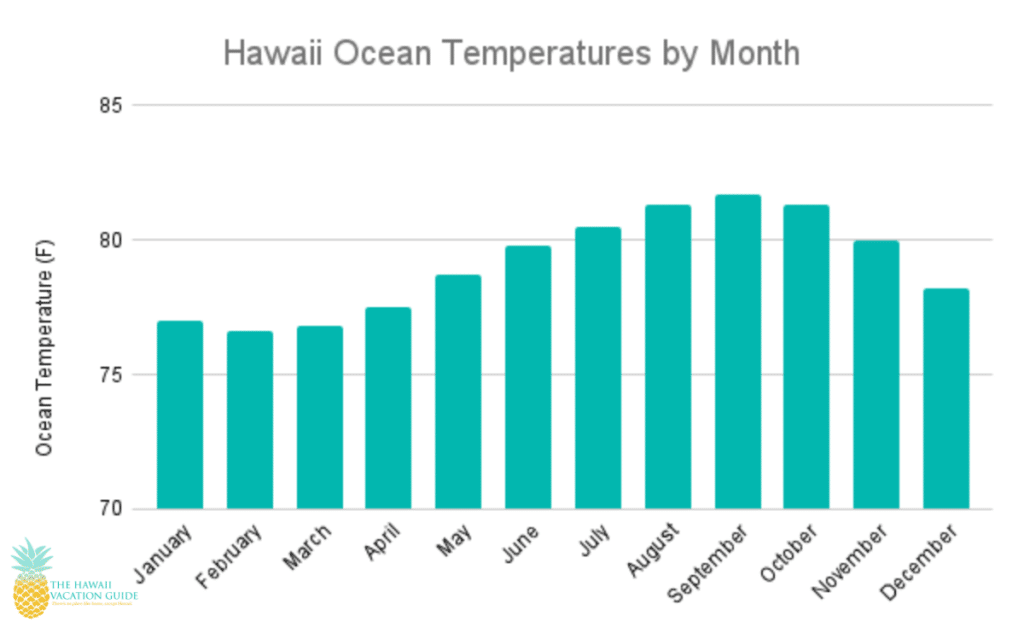
Running roughly from May through October, the dry season is characterized by consistent sunshine, warmer ocean temperatures, and trade winds that provide a welcome relief from the midday heat. During these months, the leeward sides of the islands—such as Kona on the Big Island or Lahaina on Maui—experience very little precipitation. This makes it the ideal time for those whose primary motivation for visiting is tanning, swimming, and outdoor excursions.
The Rainy Season (Ho‘oilo)
From November to April, the islands see an increase in precipitation, particularly on the windward, mountainous sides of the islands like Hilo or the North Shore of Oahu. However, it is vital to remember that “rainy” in Hawaii rarely means days of continuous downpour. Most showers are short-lived, passing through quickly to leave behind vibrant rainbows and lush, emerald-green landscapes. This is the period when the islands are at their most verdant, making it a spectacular time for hikers and nature photographers.
Seasonal Considerations for Specific Interests
The “best” time to visit often depends less on the thermometer and more on what you intend to do once you arrive. The weather patterns dictate the accessibility and enjoyment of specific regional activities.
Chasing the Surf on the North Shore
If your dream trip involves watching professional surfers tackle massive swells, winter is the non-negotiable choice. From November through February, the North Shore of Oahu comes alive with legendary waves. While the weather may be cooler and wetter, the energy of the ocean is unmatched. Conversely, if you are a beginner looking for calm waters, the summer months are much safer and more enjoyable for lessons at beaches like Waikiki.
Optimal Whale Watching
For marine enthusiasts, the winter months are the prime window for humpback whale sightings. These majestic creatures migrate to the warm, protected waters surrounding Maui to breed and give birth. The peak activity occurs between January and March. Although you might encounter a few more rainy days during this time, the trade-off is the rare opportunity to witness breaches and spy-hopping whales just miles from the shore.
Hiking and Exploring Volcanoes
If you are planning to visit Hawaii Volcanoes National Park on the Big Island or traverse the Kalalau Trail on Kauai, the shoulder months of April, May, September, and October are often cited as the best. During these periods, the temperatures are moderate, the trails are less muddy than in winter, and the intense summer heat has either not yet arrived or has recently faded, making for a much more comfortable trekking experience.
Navigating Microclimates Across the Islands
Hawaii is defined by dramatic topography. Because of the towering volcanic mountains, one side of an island can be arid and desert-like, while the other is a tropical rainforest. This means that even if the general weather forecast looks wet, you can almost always find a dry spot by simply driving to the other side of the island.
The Windward vs. Leeward Dynamic
The windward sides of the islands—those facing the prevailing trade winds—capture the moisture, resulting in lush rainforests and waterfalls. Towns like Hana on Maui are famous for this greenery. If you prefer a drier, sun-soaked vacation, look to book your stay on the leeward sides, such as the Kohala Coast. These regions are shielded from the mountains and remain the most reliable locations for consistent sunshine regardless of the month.
Elevation Impacts
It is easy to forget that Hawaii has significant altitude. If you are planning a trip to the summit of Mauna Kea or Haleakala, be prepared for drastically different weather conditions. At these elevations, temperatures can drop to near freezing, even when the beaches below are experiencing a sweltering 80°F. Always pack layers if your itinerary includes high-altitude exploration.
Final Verdict: When to Book Your Trip
Deciding when to travel to Hawaii ultimately involves balancing weather, cost, and crowd density.
The Shoulder Season Advantage
The consensus among seasoned travelers is that the shoulder seasons—late spring (mid-April to early June) and early fall (September to mid-November)—offer the best overall experience. During these windows, the weather is consistently pleasant, the heavy rainfall of winter has subsided, and the peak summer crowds have not yet descended or have already dispersed. You will likely find better deals on travel and lodging, and you can enjoy popular spots like Pearl Harbor or Hanalei Bay with a bit more breathing room.
Avoiding the Peaks
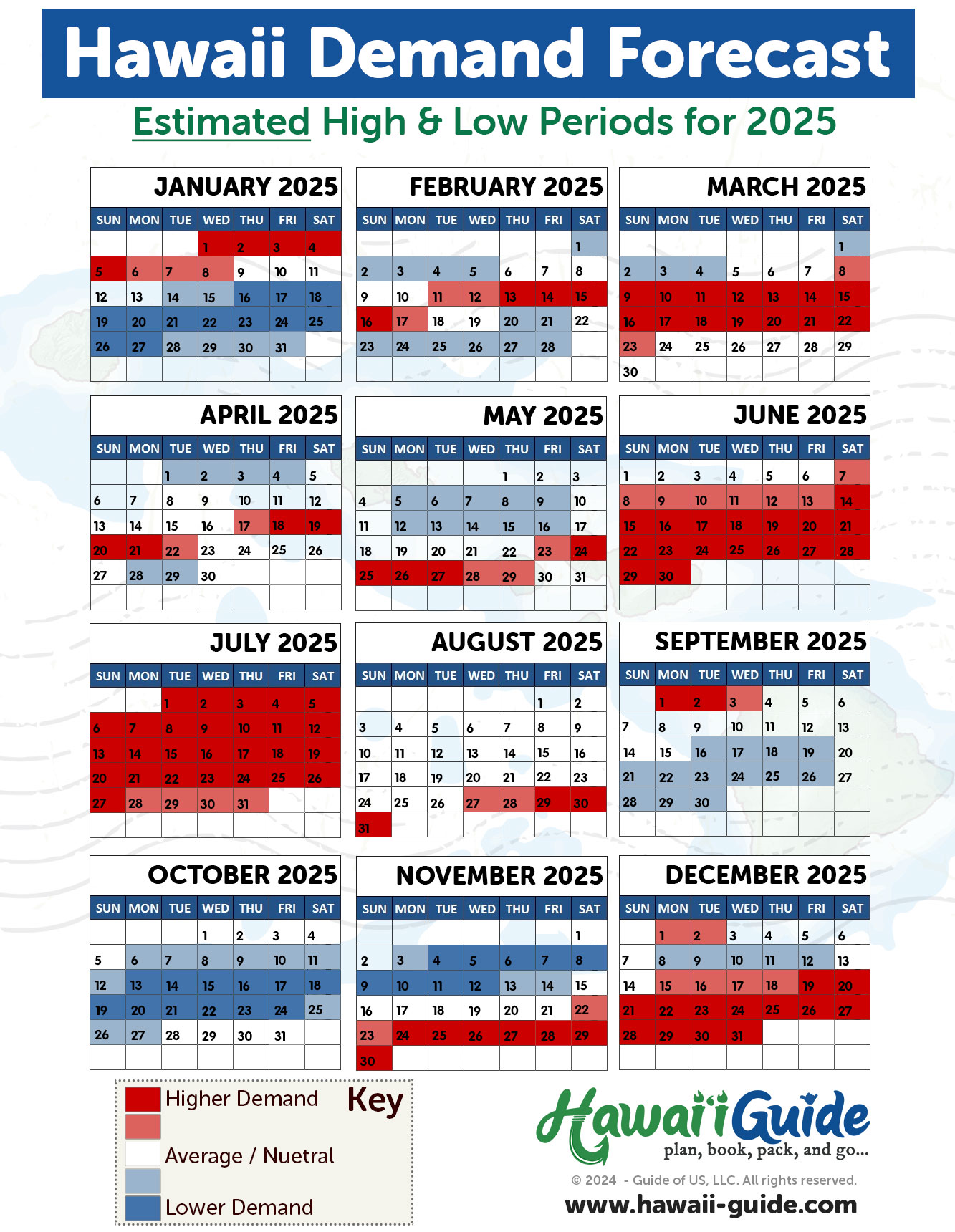
If you prefer a quieter environment, try to avoid the major holiday periods. The weeks surrounding Christmas and New Year, as well as the mid-summer months when schools are out, see a significant influx of visitors. This not only increases the pressure on local infrastructure and traffic in areas like Honolulu but also drives up the price of flights and accommodations.
Regardless of when you choose to visit, Hawaii offers a restorative atmosphere that is hard to replicate elsewhere. Whether you find yourself snorkeling in the crystal clear waters of Molokini Crater in the dry heat of August or watching the mist roll over the emerald cliffs of the Na Pali Coast during a brief March shower, the islands maintain their magic. The key to the perfect trip is flexibility; embrace the microclimates, respect the power of the island weather, and remember that even a “rainy” day in Hawaii is often warmer and brighter than a sunny day in many other parts of the world. Plan for your specific interests, pack accordingly, and prepare for an unforgettable Pacific adventure.
LifeOutOfTheBox is a participant in the Amazon Services LLC Associates Program, an affiliate advertising program designed to provide a means for sites to earn advertising fees by advertising and linking to Amazon.com. Amazon, the Amazon logo, AmazonSupply, and the AmazonSupply logo are trademarks of Amazon.com, Inc. or its affiliates. As an Amazon Associate we earn affiliate commissions from qualifying purchases.