
The Boston Marathon, an iconic road race and one of the world’s most prestigious marathons, captivates athletes and spectators alike with its rich history and challenging course. For those planning to run, cheer, or simply soak in the vibrant atmosphere, knowing the exact date is the first step in orchestrating an unforgettable travel experience. The Boston Marathon is traditionally held on Patriots’ Day, a unique state holiday in Massachusetts. This annual observance commemorates the battles of Lexington and Concord, marking the start of the American Revolutionary War. It consistently falls on the third Monday of April, making planning relatively straightforward for future years.
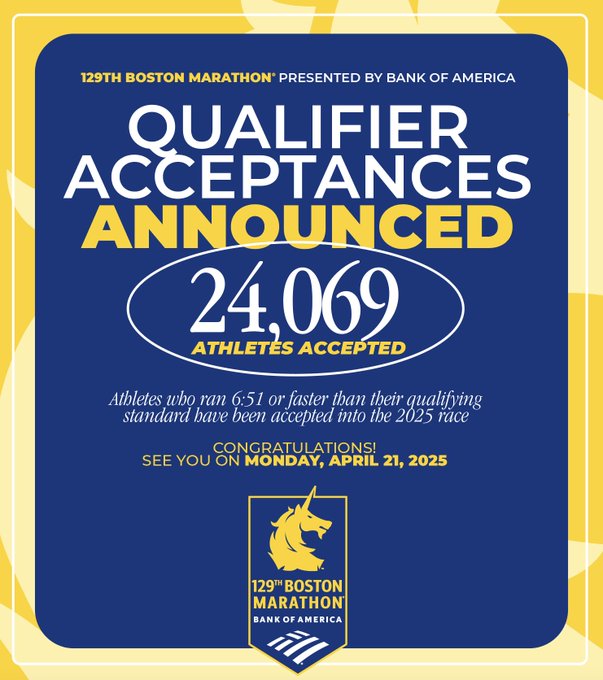
For 2025, mark your calendars and prepare for an exhilarating experience: The 129th Boston Marathon will be held on Monday, April 21, 2025.
This date kicks off a weekend-long celebration of athleticism, community, and the vibrant spirit of Boston. Whether you’re a seasoned runner aiming for a personal best, a first-time spectator supporting a loved one, or a traveler eager to explore one of America’s most historic cities, understanding the timing is paramount for all your travel, accommodation, and tourism plans. The marathon draws hundreds of thousands of visitors to the Greater Boston area, transforming the city into a bustling hub of excitement and activity. From securing your flights and booking the perfect hotel to planning your sightseeing itinerary and savoring local cuisine, every aspect of your trip requires careful consideration, especially with the high demand surrounding such a major event.

Marking Your Calendars: The Official Date and Its Significance
Understanding the precise date of the Boston Marathon for 2025 is just the beginning. Its connection to Patriots’ Day is fundamental to the event’s unique charm and offers a deeper insight into local culture and tradition. This date is more than just a calendar entry; it’s a piece of Boston’s identity.
Understanding Patriots’ Day
Patriots’ Day is a legal holiday in Massachusetts (and also in Maine), celebrated annually on the third Monday of April. It commemorates the battles of Lexington and Concord, which took place on April 19, 1775, and were the first battles of the American Revolutionary War. This historical backdrop adds a profound layer of meaning to the Boston Marathon, linking physical endurance with historical resilience. The race itself, organized by the Boston Athletic Association (BAA), has been run on Patriots’ Day since its inception in 1897. This tradition ensures that the city is always alive with a patriotic fervor that blends seamlessly with the spirit of athletic achievement. Many local businesses observe the holiday, and public transportation schedules may be altered, which is an important consideration for travelers. Furthermore, school holidays often coincide with this period, potentially increasing local travel and family-oriented activities around the city. Knowing this historical context not only helps in planning but also enriches the entire experience, allowing visitors to appreciate the deeper cultural tapestry woven into the marathon weekend.
Planning Your Marathon Weekend Getaway
Attending the Boston Marathon is an unparalleled experience, but the sheer volume of visitors means that meticulous planning is crucial. From securing your travel arrangements to finding the perfect place to stay and identifying key attractions, early preparation is the key to a stress-free and enjoyable trip. The demand for flights and accommodation around the third Monday of April skyrockets, making procrastinaton a costly mistake.
Securing Your Travel: Flights and Transportation
Most visitors arriving by air will fly into Logan International Airport (BOS), located just a short distance from downtown Boston. Booking flights well in advance, ideally 6-9 months out, is highly recommended. Prices for airfare tend to escalate significantly as Patriots’ Day approaches. Consider flying in a few days early or staying a day or two longer if your schedule allows, as this can sometimes offer more flexible flight options and potentially better rates. Public transportation in Boston is excellent, primarily handled by the MBTA (often called “the T”), which includes subway, bus, commuter rail, and ferry services. The subway system is particularly useful for navigating the city and reaching various points along the marathon course. For runners, the BAA provides specific transportation to the starting line in Hopkinton from designated pickup points in Boston. Spectators should familiarize themselves with the subway map and consider purchasing a multi-day pass for convenience. Taxis, ride-sharing services, and even water taxis are also available, though traffic congestion can be significant on race day. If you plan to explore beyond the city center, renting a car might be an option, but parking in Boston can be expensive and challenging to find, so weigh the pros and cons carefully. For those traveling from nearby regions in New England, Amtrak train services offer a comfortable and scenic alternative to driving or flying, connecting Boston to major cities like New York and Washington D.C..
Navigating Accommodation: Where to Stay in Boston
Accommodation during marathon weekend is at a premium, with hotels often selling out months in advance and prices reaching their peak. Booking your hotel or rental property 8-12 months ahead of time is not excessive; it’s often necessary. When considering where to stay, think about your priorities: proximity to the finish line, access to public transportation, or a quieter neighborhood.
- Luxury & Proximity to Finish Line: Areas like Back Bay and Copley Square are ideal, placing you within walking distance of the finish line on Boylston Street, the Marathon Expo, and many celebratory events. Upscale options include the Fairmont Copley Plaza, Mandarin Oriental, Boston, and The Lenox Hotel. These hotels offer unparalleled convenience, luxurious amenities, and often special services for marathon participants.
- Mid-Range & Good Access: The Seaport District offers modern hotels, vibrant dining, and easy access to the subway. Cambridge, across the Charles River, also provides excellent options like the Hyatt Regency Cambridge or Hotel Marlowe, with quick subway connections to downtown Boston. This can be a great choice for those seeking slightly more competitive rates without sacrificing convenience.
- Budget-Friendly & Local Charm: While truly budget-friendly options are scarce during this period, looking slightly outside the immediate city center or considering vacation rentals (like Airbnb or VRBO) in neighborhoods further along the T lines can offer better value. Areas like Allston or Brookline might present more affordable alternatives, often with a more local feel.
- Boutique & Historic: For a unique stay, consider boutique hotels in historic neighborhoods like Beacon Hill or the North End. The Omni Parker House or The Eliot Hotel offer classic Boston charm, albeit often at a higher price point.
- Runner-Specific Hotels: Some hotels, like Hotel Commonwealth near Fenway Park, cater specifically to runners, offering amenities like early breakfast, late checkout, and shuttle services, which can be invaluable on race day.
Regardless of your choice, confirm cancellation policies, check for any marathon-specific packages, and read recent reviews to ensure your chosen accommodation meets your expectations.
Beyond the Race: Tourist Attractions and Experiences
Boston is a city steeped in history and culture, offering a wealth of attractions for visitors before and after the marathon. Don’t let the race overshadow the opportunity to explore this incredible destination.
- Historical Exploration: Walk the Freedom Trail, a 2.5-mile red-lined path that leads to 16 historically significant sites, including Faneuil Hall Marketplace, the Old State House, and the USS Constitution. Engage with history at the Boston Tea Party Ships & Museum for an interactive experience.
- Parks and Green Spaces: Enjoy a leisurely stroll through Boston Common and the Public Garden, especially beautiful in April when spring blooms are beginning. You can even take a ride on the iconic Swan Boats.
- Museums and Arts: Immerse yourself in art at the Museum of Fine Arts or the unique Isabella Stewart Gardner Museum. Families will love the interactive exhibits at the New England Aquarium and the Museum of Science.
- Collegiate Charm: Take a short subway ride to Cambridge to explore the prestigious campuses of Harvard University and MIT (Massachusetts Institute of Technology), soaking in the academic atmosphere and admiring the impressive architecture.
- Sporting Legacy: Even if there’s no game, a tour of Fenway Park, home of the Boston Red Sox, is a must for any sports enthusiast. Check the schedule, as Patriots’ Day often includes a morning Red Sox game, creating a truly unique Boston experience that combines two beloved traditions.
Allocate specific time in your itinerary for these activities, keeping in mind that the days leading up to and immediately following the marathon will be busy.
Essential Tips for Runners, Spectators, and Travelers
The Boston Marathon weekend offers a unique set of challenges and opportunities. Whether you’re pounding the pavement, cheering from the sidelines, or simply visiting, a few insider tips can significantly enhance your experience. Understanding the logistics, embracing local flavors, and managing your budget are crucial for maximizing your enjoyment.
Race Day Logistics and Spectator Spots
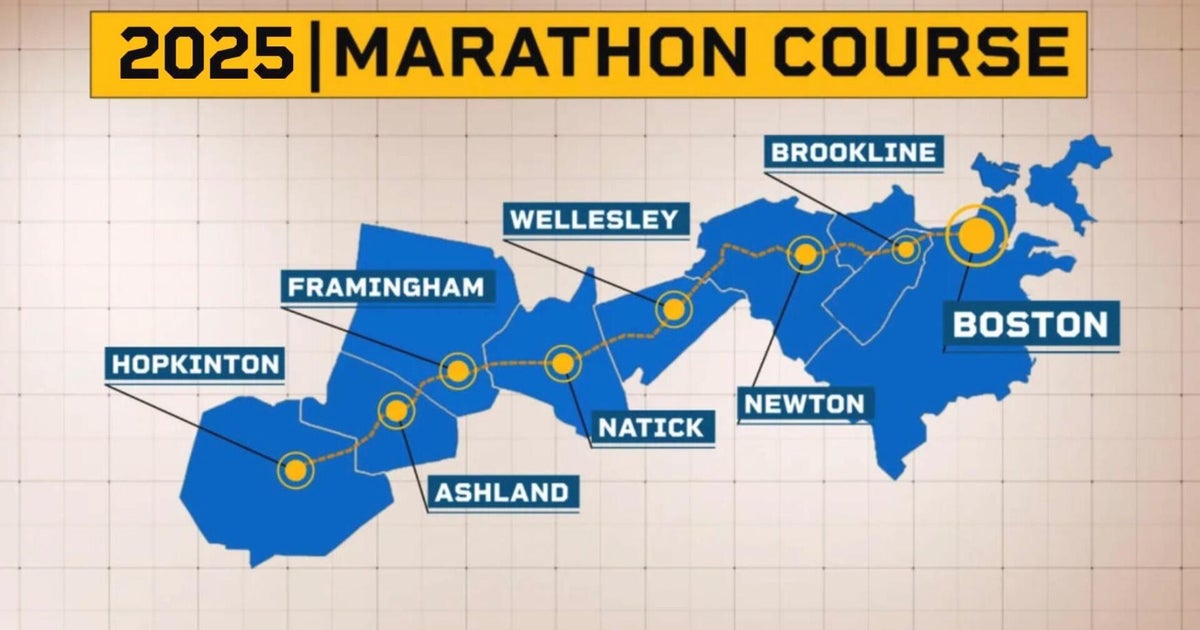
For runners, strict adherence to the BAA’s instructions regarding bib pickup, gear check, and transportation to the starting line in Hopkinton is paramount. Familiarize yourself with the course map, aid stations, and finish line procedures well in advance. For spectators, planning your viewing spots is key. The course is 26.2 miles long, offering numerous locations to cheer.
- Starting Line (Hopkinton): Generally restricted to runners and accredited personnel.
- Wellesley Scream Tunnel: At mile 13, Wellesley College students line the course, creating an unforgettable “scream tunnel” of encouragement. It’s an iconic spot but can be crowded and requires planning for access.
- Heartbreak Hill (Newton): Part of the famous Newton Hills, this is where the race truly tests endurance (around miles 20-21). Witnessing runners conquer Heartbreak Hill is incredibly inspiring. Public transportation access can be tricky, so research bus routes or consider a longer walk from a subway station.
- Boston College to Kenmore Square: These final miles are packed with spectators. Near Boston College and through Brookline, the energy is electric. Getting off at one of the “B,” “C,” or “D” branch Green Line stops can place you in the thick of the action.
- Finish Line (Boylston Street): The most coveted spot, but also the most crowded and often restricted. Access to viewing stands or prime spots along Boylston Street is limited and often requires arriving very early or having special credentials. A better strategy might be to view a few blocks before the finish line for a good sightline.
- Public Safety: Be aware of road closures and heightened security. Follow instructions from law enforcement and race officials. Dress in layers, as New England weather in April can be unpredictable, ranging from chilly rain to warm sunshine.
Culinary Delights and Local Flavors
Boston’s culinary scene is a delightful blend of historic charm and modern innovation. From fresh seafood to Italian classics, there’s something to satisfy every palate.
- Seafood Staples: No trip to Boston is complete without enjoying fresh seafood. Sample clam chowder, lobster rolls, and fresh oysters. Legal Sea Foods is a regional institution, but many smaller, local establishments offer equally delicious fare.
- Italian in the North End: The North End is Boston’s historic Italian neighborhood, brimming with authentic restaurants, bakeries, and cafes. Indulge in pasta, pizza from places like Regina Pizzeria, and don’t forget to grab a cannoli from Mike’s Pastry or Modern Pastry.
- Classic Pub Fare: Embrace the pub culture with a visit to a classic Boston tavern. Enjoy a pint of local craft beer and traditional pub food. You could even visit a replica of the Cheers Bar (Beacon Hill) for a nostalgic experience.
- Craft Breweries: The craft beer scene in and around Boston is thriving. Consider a visit to the Sam Adams Boston Brewery for a tour and tasting, or explore local taprooms in neighborhoods like Davis Square in Somerville.
- Pre-Race Carb-Loading: For runners, many restaurants offer special pasta dishes or carb-heavy menus in the days leading up to the race. Plan your meals strategically to fuel your body without upsetting your stomach.
Budgeting and Lifestyle Considerations
Attending the Boston Marathon can be an expensive endeavor, but smart planning can help manage costs.
- Booking Early: As mentioned, this is the single most effective way to save on flights and accommodation. Last-minute bookings will incur significant premiums.
- Public Transportation: Utilize the MBTA as much as possible. It’s efficient, cost-effective, and avoids traffic and parking woes.
- Dining Smart: Balance splurge meals with more casual, budget-friendly options. Explore local markets or grab quick bites from delis. Food trucks often frequent popular areas and offer delicious, affordable meals.
- Free Attractions: Boston offers many free or low-cost attractions, such as walking the Freedom Trail, strolling through Boston Common and the Public Garden, or simply soaking in the atmosphere of different neighborhoods.
- Packing Essentials: New England spring weather can be unpredictable. Pack layers, including waterproof outer shells, comfortable walking shoes, and both light and warm clothing. Don’t forget portable chargers for your devices, especially on race day when you’ll be navigating and taking photos.
- Travel Insurance: Given the high cost of travel during this peak period, consider travel insurance to protect your investment in case of unforeseen circumstances, such as flight cancellations or illness.
Maximizing Your Boston Marathon Experience
Beyond the race itself, the Boston Marathon weekend is a comprehensive event filled with unique activities, opportunities to explore iconic landmarks, and a vibrant celebratory atmosphere. To truly make the most of your visit, consider these additional elements that contribute to the overall lifestyle experience.
Pre-Race Expo and Activities
The Boston Marathon Expo, officially known as the John Hancock Sports & Fitness Expo, is a must-visit for runners and enthusiasts alike. Held at the Hynes Convention Center in Back Bay in the days leading up to the marathon, it serves as the mandatory bib pickup location for all participants. However, it’s much more than just a logistical stop. The expo is a hub of activity, featuring hundreds of exhibitors showcasing the latest in running gear, apparel, nutrition, and technology. You can often find exclusive merchandise, participate in interactive displays, and listen to guest speakers, including elite athletes and running experts. It’s a fantastic place to feel the collective energy and excitement building up to race day. For non-runners, it’s still an interesting experience to soak in the atmosphere and pick up official marathon apparel or souvenirs. Additionally, the BAA organizes a series of pre-race events, including a 5K race and a one-mile race, offering more opportunities for participation and spectating in the heart of Boston. These events contribute to the festive, carnival-like atmosphere that permeates the city during marathon week.
Exploring Iconic Landmarks
While the race will undoubtedly be the highlight, dedicating time to Boston’s historic landmarks is essential for a complete travel experience. The city is a living museum, offering countless opportunities for discovery.
- Beacon Hill: Wander through the charming, gas-lit streets of Beacon Hill, admiring its elegant brick row houses, quaint shops, and picturesque alleys. It’s one of the most aesthetically pleasing neighborhoods in America.
- Paul Revere House: Step back in time at the Paul Revere House in the North End, the oldest house in downtown Boston, offering a glimpse into colonial life.
- Old North Church: Also in the North End, the Old North Church is famous for its role in Paul Revere’s ride (“One if by land, and two if by sea”). Its architecture and history are captivating.
- Boston Public Library: Located in Copley Square, the Boston Public Library is an architectural marvel. Its grand reading rooms and beautiful courtyard are worth exploring, offering a serene escape from the marathon hustle.
- Acorn Street: Often cited as one of the most photographed streets in America, Acorn Street in Beacon Hill is a narrow, cobblestone lane that embodies classic Boston charm.
- The Esplanade: A beautiful parkland stretching along the Charles River, the Esplanade offers scenic views, walking paths, and is a great spot for a relaxed morning jog or an afternoon picnic.
Integrating these historical and scenic landmarks into your itinerary allows for a deeper appreciation of Boston’s character and provides a rich contrast to the high-energy excitement of the marathon.
Post-Marathon Recovery and Celebration
After the last runner crosses the finish line, Boston transitions from a race venue to a city in celebration. For runners, recovery is paramount, and the city offers numerous ways to unwind. Many hotels and spas offer special post-marathon recovery treatments. Indulge in a relaxing massage or a swim to soothe tired muscles. For everyone, the atmosphere of triumph and camaraderie is palpable. Many pubs and restaurants around Back Bay and Copley Square become impromptu celebration venues, where runners display their medals and share their stories. Enjoy a well-deserved meal, toast to the finishers, and immerse yourself in the jubilant mood. Consider booking dinner reservations in advance, especially if you have a specific restaurant in mind, as popular spots will be busy. The day after the marathon, many runners choose to revisit the finish line area on Boylston Street for photos and reflection, often seeing the temporary structures being dismantled, marking the ephemeral nature of the event. This post-race period is also an excellent time for more relaxed sightseeing, as some of the initial race-day crowds begin to dissipate. Taking a leisurely walk along the Charles River or through the Public Garden can be a perfect way to digest the magnitude of the event and reflect on your experience in this historic city.
In conclusion, the Boston Marathon 2025 on Monday, April 21st, promises to be an unforgettable event. With meticulous planning for travel and accommodation, a keen eye for Boston’s rich tourism offerings, and an understanding of the race-day logistics, every traveler can craft a truly memorable experience, whether as a participant, a proud spectator, or simply a visitor soaking in the vibrant energy of one of the world’s greatest cities.
LifeOutOfTheBox is a participant in the Amazon Services LLC Associates Program, an affiliate advertising program designed to provide a means for sites to earn advertising fees by advertising and linking to Amazon.com. Amazon, the Amazon logo, AmazonSupply, and the AmazonSupply logo are trademarks of Amazon.com, Inc. or its affiliates. As an Amazon Associate we earn affiliate commissions from qualifying purchases.