
The political landscape of the Golden State, California, is as dynamic and captivating as its diverse scenery, from the sun-drenched beaches of San Diego to the towering redwoods of the north. At the heart of its governance is the California Gubernatorial Election, a pivotal event that shapes the future of this influential state. Understanding when this election occurs, its typical timeline, and its far-reaching implications is crucial not only for residents but also for anyone planning to visit, invest, or simply keep abreast of key developments in the United States. This isn’t just about political cycles; it’s about how these events ripple through the state’s economy, impact its vibrant tourism sector, influence travel decisions, and ultimately define the lifestyle experienced by millions.
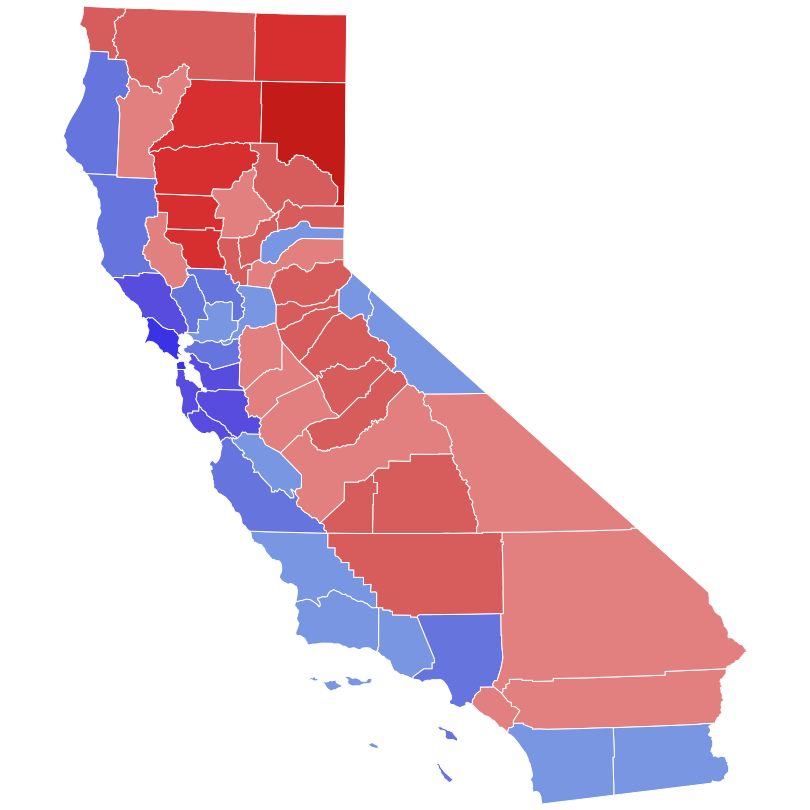
The California Governor’s election follows a distinct four-year cycle, aligning with the midterm elections of the federal government. This means that voters head to the polls to elect their chief executive every four years, specifically in even-numbered years that do not coincide with presidential elections. For instance, after the 2022 election, the next gubernatorial election will be in 2026, followed by 2030, and so on. This consistent schedule provides a predictable framework, yet the campaigns leading up to these dates are anything but routine. They are often hotly contested, reflecting the diverse political, economic, and social fabric of a state that is an economic powerhouse on the global stage.
The process typically begins much earlier than the general election date. Prospective candidates, spanning a wide range of political ideologies and backgrounds, start laying the groundwork for their campaigns sometimes years in advance. This includes fundraising, building campaign teams, and developing policy platforms. As the election year approaches, the pace intensifies, leading up to a crucial primary election that determines which candidates will advance to the general election ballot. For travelers and those interested in California’s pulse, understanding these timelines can offer insights into when political activity might peak, potentially influencing everything from hotel availability in Sacramento to the broader atmosphere in major metropolitan areas like Los Angeles and San Francisco.
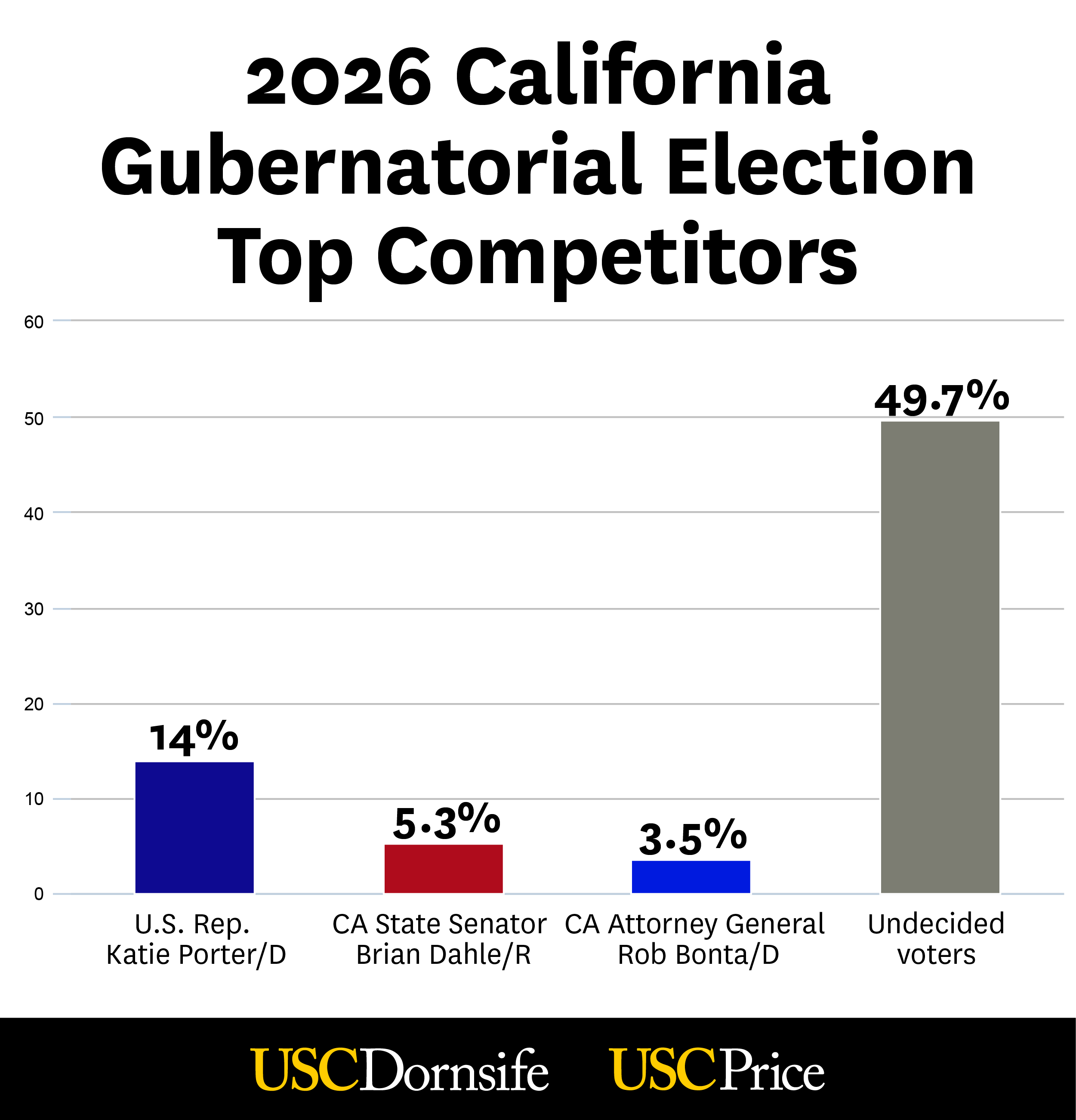
Understanding the California Gubernatorial Election Cycle
The electoral process in California for the Governor’s office is multi-faceted, involving two main stages: the primary election and the general election. Each stage plays a critical role in shaping the final outcome and reflects California’s unique “top-two” primary system, which sets it apart from many other states. This system means that all candidates, regardless of party affiliation, are listed on a single primary ballot, and the top two vote-getters, irrespective of their party, advance to the general election. This can lead to general elections featuring two candidates from the same party, a scenario that often sparks considerable debate and unique campaign strategies.
The Primary Election: Setting the Stage
The primary election in California for statewide offices, including the Governor, typically takes place in the first half of the election year, often in June. This early date marks the official start of the most intense phase of the election cycle. For several months leading up to the primary, the air in California becomes charged with political rallies, debates, and extensive media coverage. Candidates travel across the state, from the agricultural heartland of the Central Valley to the tech hubs of Silicon Valley, engaging with voters and advocating for their platforms.
During this period, cities like Sacramento, as the state capital, become focal points for political activity. Media personnel, campaign staff, and political enthusiasts often converge, leading to an increased demand for accommodation options. Smaller hotels and business-oriented suites in the downtown area, near the State Capitol Building, frequently experience higher occupancy rates. Those planning a trip for leisure might find themselves inadvertently witnessing parts of the political spectacle, which can add an unexpected layer of interest to their travel experience. Observing the fervor of a primary election can offer a fascinating glimpse into the democratic process of one of the world’s largest sub-national economies.
The General Election: The Final Showdown
Following the primary, the two leading candidates embark on a more focused and often more aggressive campaign for the general election, which occurs in November. This period, typically from June through early November, is when the real battle for the governorship takes shape. The stakes are incredibly high, as the elected governor will hold immense power over state policy, budget decisions, and California’s direction for the next four years. Issues such as climate change, housing affordability, public education, healthcare, and economic development dominate the discourse.
The general election date itself is always the first Tuesday after the first Monday in November. On this day, polling places across the state, from community centers in Pasadena to schools in rural Mendocino County, open their doors to millions of voters. While the voting process itself is generally peaceful and efficient, the anticipation and media coverage surrounding the results are intense. For tourists, while specific polling places are unlikely to be part of their itinerary, the general atmosphere in major cities can reflect the political excitement. Local news broadcasts will be dominated by election coverage, and discussions among residents might lean heavily towards the candidates and their potential impact. Therefore, for those visiting California during a gubernatorial election in November, a unique aspect of American civic life is readily on display.

The Broader Impact on California’s Tourism and Economy
Beyond the political machinations, the California Gubernatorial Election has tangible effects on the state’s vibrant tourism industry and broader economy. Policy decisions made by the governor and state legislature directly influence funding for infrastructure, environmental protections, business regulations, and labor laws – all of which can either bolster or hinder the allure of California as a premier destination for travel and investment.
How Election Cycles Influence Travel Decisions
For many, political uncertainty can be a factor in planning leisure or business travel. While California is a global magnet, election years can introduce subtle shifts in traveler behavior. Some might choose to avoid major political hubs like Sacramento or delay visits to ensure a more stable environment, especially if they are highly sensitive to political discourse. Conversely, others might be drawn to the state out of curiosity, hoping to observe the political process firsthand.
Economic policies championed by gubernatorial candidates, such as those impacting gas prices, hotel taxes, or investment in public transport, can directly affect the cost and convenience of visiting California. For instance, a governor focused on eco-tourism might push for more accessible routes to national parks like Yosemite National Park or stricter environmental regulations, which could enhance the natural beauty that attracts millions. A focus on urban development, on the other hand, might lead to new attractions or improved infrastructure in cities such as Long Beach or Oakland, drawing different types of visitors. The overall perception of the state’s political climate, whether it’s seen as pro-business or environmentally progressive, can also influence how international tourists and investors view California.
Hotels and Accommodation During Election Periods
The accommodation sector, particularly hotels in key cities, often experiences specific patterns during election cycles. In the lead-up to both primary and general elections, major metropolitan areas that serve as campaign headquarters or debate venues will see an uptick in demand. Campaign staff, media personnel, political analysts, and even supporters traveling for rallies often require temporary housing, ranging from luxury hotels like the Ritz-Carlton, Laguna Niguel to more budget-friendly boutique hotels.
In Sacramento, for instance, hotels near the Capitol often fill up, and it’s not uncommon to see prominent political figures or journalists in hotel lobbies. Similarly, if a major debate is held in Los Angeles or San Francisco, the surrounding hotel market will tighten. For regular tourists, this means it’s wise to book accommodation well in advance if your travel dates coincide with these peak political periods. Prices might also see a slight increase due to demand. However, this impact is generally localized to political hotspots, leaving most of California’s vast and diverse destinations unaffected. Areas like the serene Napa Valley wine country or the picturesque beaches of Santa Barbara are unlikely to experience direct surges in hotel demand due to election events, allowing for continued peaceful enjoyment for leisure travelers.
California Lifestyle: Navigating Politics and Pleasure
The unique lifestyle associated with California — often characterized by innovation, environmental consciousness, and a laid-back yet ambitious spirit — is subtly intertwined with its political leadership. A governor’s policies can profoundly influence everything from the cost of living and accessibility to natural landmarks to the business climate for startups and established industries alike. Understanding this connection is key to appreciating the full picture of life and travel in the Golden State.
From Sacramento to San Diego: Regional Perspectives
California’s diverse regions respond to and are affected by gubernatorial elections in distinct ways. In Sacramento, the state capital, the political pulse is constant. Residents are often more engaged in legislative processes and are directly impacted by policy shifts that affect state employment, public services, and urban development. For visitors, this means a chance to explore the historic State Capitol Building and potentially witness protests or rallies outside, offering a vivid insight into civic engagement.
Moving south, Los Angeles and Hollywood often serve as cultural and media hubs for campaigns, with fundraising events, celebrity endorsements, and media appearances being common. This adds a layer of glamour and high-profile attention to the election cycle. In San Francisco and Silicon Valley, the focus often shifts to technological innovation, environmental regulations, and economic policies that affect the tech industry. For the lifestyle traveler, this might manifest in discussions about clean energy initiatives while touring the Golden Gate Bridge or observing how policies impact the vibrant startup culture. Further south in San Diego and Orange County, issues like border policy, tourism development (especially around attractions like Disneyland and Universal Studios Hollywood), and infrastructure along the Pacific Coast Highway are often front and center. Each region contributes its unique flavor to the statewide political conversation, reflecting the multifaceted nature of California.
Landmarks as Arenas: Public Discourse and Political Gatherings
California’s iconic landmarks often become unintended backdrops or even active arenas for political expression. While these places are primarily visited for their beauty, history, or recreational opportunities, they can sometimes host rallies, protests, or press conferences related to the election. For instance, the steps of the State Capitol Building in Sacramento are a frequent site for demonstrations advocating for various causes that gubernatorial candidates address.
Even seemingly apolitical spots can momentarily become sites of public discourse. A candidate might hold a campaign event in a public park in Santa Monica, or a press conference might be called with the Golden Gate Bridge as a scenic background. While this is not the primary purpose of these attractions, it adds an interesting dimension for observant visitors. It underscores how deeply interwoven politics are with public life in California, even in its most famous and beloved places. The juxtaposition of a political rally against the backdrop of natural beauty, like near Lake Tahoe or the coastal serenity of Big Sur, can offer a striking visual and an insightful experience into the concerns and passions of the state’s residents.
Planning Your Visit Around Key Political Events
For many travelers, the idea of a political election doesn’t typically factor into their vacation planning. However, in a state as politically active and significant as California, understanding the election calendar can be beneficial, especially for those who prefer to either immerse themselves in local events or avoid potential congestion. Thoughtful planning can enhance a visit, allowing travelers to experience California at its best, whether that involves avoiding busy periods in political centers or consciously seeking out the unique atmosphere of an election year.
What to Expect in California During an Election Year
An election year in California is characterized by a heightened level of public discourse. Expect more political advertisements on television, radio, and billboards. Local news will be heavily focused on the candidates, their debates, and polls. In major cities, particularly Sacramento, Los Angeles, and San Francisco, you might encounter campaign events, rallies, or even peaceful demonstrations. These are generally well-managed and contained, but they can occasionally lead to localized traffic delays or increased pedestrian activity in specific areas.
For those interested in civics, an election year presents a unique opportunity to witness American democracy in action. You might overhear passionate discussions in cafes, encounter campaign volunteers, or see local news crews reporting live. If you’re planning a trip focused on urban exploration or cultural immersion, these elements could add an unexpected layer of depth to your experience. However, if your goal is pure relaxation and detachment, particularly in the lead-up to the November general election, choosing less politically charged destinations or booking accommodation away from downtown urban cores might be preferable. Areas like Death Valley National Park or the serene Redwood forests will remain largely untouched by political fervor, offering a tranquil escape.
Post-Election California: Stability and New Horizons
Once the votes are counted and a new or re-elected governor is sworn in, California typically enters a period of relative stability as the new administration begins to implement its agenda. This post-election phase can bring a sense of renewed focus on long-term goals and initiatives, affecting everything from infrastructure projects to environmental policies and funding for educational institutions like Stanford University and the University of California, Berkeley.
For travelers and businesses, the post-election period often clarifies the state’s direction. New policies might pave the way for improved public transportation, better access to state parks, or incentives for sustainable tourism practices. The economic climate, shaped by the new governor’s fiscal approach, can influence everything from hotel development to job growth in sectors vital to tourism. In essence, the period following a gubernatorial election in California represents not just a political shift, but often a new chapter for the entire state, opening up fresh opportunities and shaping the experiences of residents and visitors alike for the next four years. Whether you’re planning a luxury travel experience or a budget travel adventure, being aware of these cycles adds a layer of understanding to the dynamic nature of this extraordinary state.
LifeOutOfTheBox is a participant in the Amazon Services LLC Associates Program, an affiliate advertising program designed to provide a means for sites to earn advertising fees by advertising and linking to Amazon.com. Amazon, the Amazon logo, AmazonSupply, and the AmazonSupply logo are trademarks of Amazon.com, Inc. or its affiliates. As an Amazon Associate we earn affiliate commissions from qualifying purchases.