
Understanding the timing of hurricane season in Florida is crucial for any traveler planning a visit to the Sunshine State. While the official season spans a significant portion of the year, knowing when it concludes can offer peace of mind and assist in making informed decisions about travel dates, booking accommodations, and planning activities. This knowledge empowers visitors to maximize their Florida experience while mitigating potential disruptions.
Understanding the Official Hurricane Season Timeline
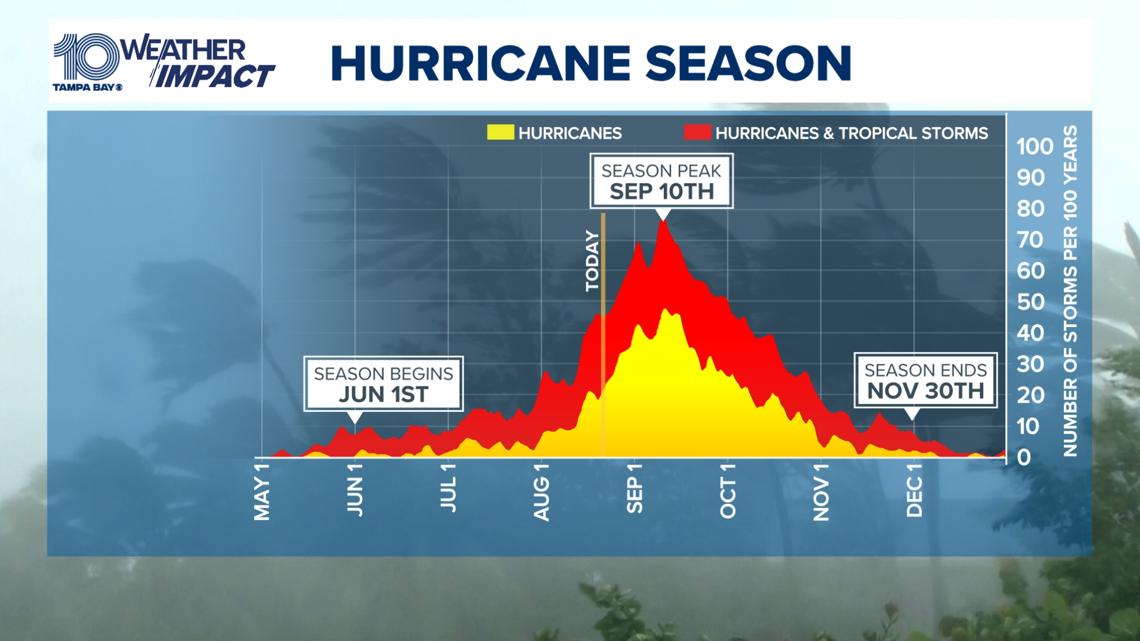
The Atlantic hurricane season officially begins on June 1 and concludes on November 30 each year. This six-month period is when the atmospheric and oceanic conditions are most conducive to the formation and intensification of tropical cyclones. Within this broad timeframe, certain months are statistically more active than others.
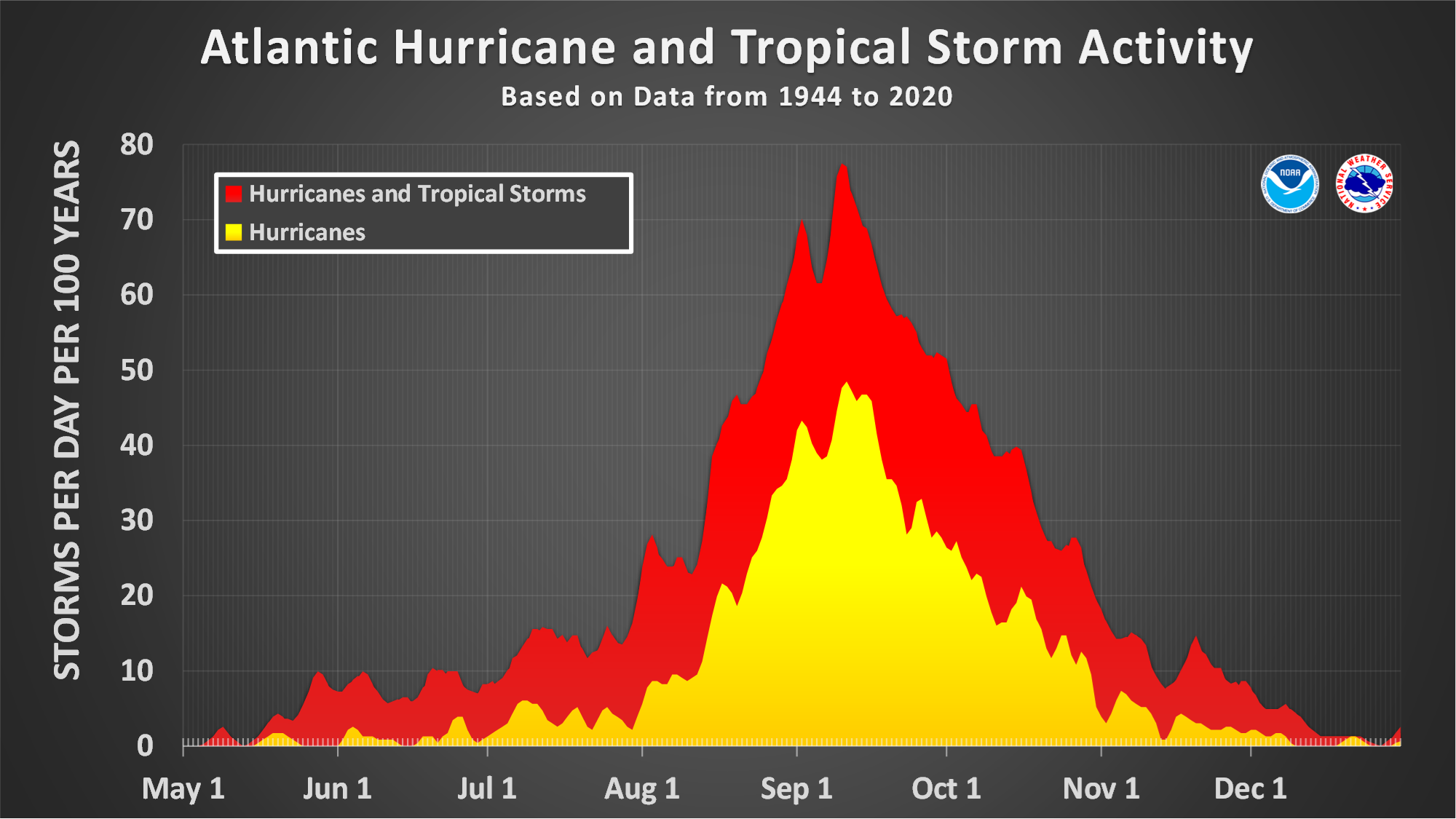
Peak Activity Within the Season
While storms can theoretically form at any point between June 1 and November 30, the most intense period, known as the “peak” of hurricane season, typically occurs from mid-August through October. During these months, sea surface temperatures are at their warmest, and atmospheric conditions often align to support the development of powerful hurricanes.
- August: The activity begins to ramp up significantly in August, with the potential for tropical storms and hurricanes increasing.
- September: This is statistically the most active month for hurricanes in the Atlantic basin, and by extension, for Florida. The conditions are often ideal for storm formation and strengthening.
- October: While activity generally begins to decline in October, it is still a very active month, and significant storms can and do occur. The season is far from over when October arrives.
The Declining Phase of the Season
As November begins, the conditions that fuel hurricanes start to become less favorable. Sea surface temperatures begin to cool, and the atmospheric patterns that support storm development shift. However, it is crucial to remember that the season is not definitively over until November 30.
- Early November: While the probability of significant hurricane activity is lower than in previous months, late-season storms are still possible. These storms can sometimes be particularly dangerous as they can form rapidly and track in unpredictable ways.
- Late November: As the month progresses towards its end, the likelihood of tropical cyclone formation diminishes considerably. By the final week of November, the conditions are typically no longer conducive to sustained hurricane development.
Beyond the Official Dates: Understanding End-of-Season Nuances
While the official end date of November 30 provides a clear benchmark, the actual cessation of significant tropical activity can vary year by year. Meteorologists continually monitor atmospheric and oceanic conditions to forecast the season’s behavior.
The Role of Climate Patterns
El Niño and La Niña phenomena significantly influence hurricane activity in the Atlantic basin. A strong La Niña typically correlates with a more active hurricane season, while El Niño tends to suppress it. Understanding these broader climate patterns can provide insights into the expected intensity and duration of any given season. However, even in a “quiet” season, a single significant storm can still impact Florida.
Tracking the Last Storm
The “end” of hurricane season isn’t marked by a specific event but rather by the lack of ongoing tropical cyclone activity. The last tropical storm or hurricane of the season might dissipate days or even weeks before November 30. Conversely, a storm could theoretically linger until the very last day of the season. The National Hurricane Center (NHC) is the authoritative source for tracking and issuing advisories on all tropical cyclones.
Planning Your Florida Trip with Hurricane Season in Mind
For travelers, understanding the end of hurricane season is a key factor in planning their trips. This knowledge can influence decisions regarding travel insurance, booking flexibility, and the types of activities they might pursue.
Booking Travel and Accommodation
- Early Season (June-July): Generally considered less active, though still within the official season.
- Mid-Season (August-October): Statistically the most active months. Travelers during this period may want to prioritize flexible booking options or comprehensive travel insurance. Many Florida destinations, including popular spots like Orlando and the Florida Keys, offer attractive deals during this time, but awareness of potential weather disruptions is paramount.
- Late Season (November): While the season officially ends on November 30, early to mid-November can still see tropical activity. By late November, the risk is significantly reduced, making it a potentially attractive time to visit with fewer crowds and cooler temperatures in some regions.
Essential Preparations for Travelers
Regardless of the specific timing within hurricane season, visitors to Florida should always be prepared.
- Travel Insurance: Investing in travel insurance that covers weather-related cancellations and interruptions is highly recommended, especially for travel between August and October.
- Monitor Forecasts: Stay informed about weather forecasts leading up to and during your trip. The National Hurricane Center website and local news channels are excellent resources.
- Accommodation Policies: Understand the cancellation and rebooking policies of your chosen hotel, resort, or vacation rental. Many establishments in hurricane-prone areas have specific protocols for severe weather events.
- Emergency Kits: While typically associated with residents, having a small emergency kit with essentials like water, non-perishable snacks, a flashlight, and a first-aid kit can be beneficial even for short stays, especially if you are staying in a vacation rental.
Frequently Asked Questions About the End of Hurricane Season
The end of hurricane season in Florida is a topic of frequent inquiry for potential visitors. Here are some common questions and their answers:
Is hurricane season completely over after November 30?
While November 30 marks the official end of the Atlantic hurricane season, it’s important to understand that this is a defined calendar period. Meteorologically, the conditions that support hurricane formation do dissipate as winter approaches. However, history has shown that tropical systems can occasionally form or persist beyond this date, though such occurrences are rare. The likelihood significantly diminishes after November.
Can I travel to Florida in December without worrying about hurricanes?
Generally, yes. By December, the Atlantic hurricane season has concluded, and the conditions conducive to tropical cyclone development are no longer present. Travelers can typically enjoy their visits to destinations like Miami or Tampa during this month with minimal concern for hurricane activity.
What happens if a hurricane occurs before June 1 or after November 30?
While extremely rare, tropical cyclones can occasionally form outside the official hurricane season. These are often referred to as “off-season” storms. However, their occurrence is infrequent, and they typically form in different regions or under unusual atmospheric conditions. The official designation of the hurricane season provides a framework for preparedness and is based on historical data and climatological patterns.
Are there any parts of Florida that are more or less affected by hurricanes at the end of the season?
While all coastal areas of Florida are susceptible to hurricanes, the threat does diminish as the season progresses and then concludes. Historically, the Atlantic coast and the Gulf coast both experience significant storm impacts. As the season winds down, the potential for a direct hit on any specific location decreases, but vigilance is still advised until the official end date.
Should I wait until after November 30 to book my Florida vacation if I’m concerned about hurricanes?
For many travelers, particularly those seeking to avoid the peak activity months, booking a trip in early to mid-November can be a good compromise. The weather is often pleasant, and the crowds are smaller than during the summer. However, always remember the official end date. For absolute peace of mind regarding hurricane risk, booking a trip in December or later would be the safest bet. Ultimately, thorough research into travel insurance and flexible booking options can enable enjoyable travel throughout much of the year, even within the official hurricane season.
LifeOutOfTheBox is a participant in the Amazon Services LLC Associates Program, an affiliate advertising program designed to provide a means for sites to earn advertising fees by advertising and linking to Amazon.com. Amazon, the Amazon logo, AmazonSupply, and the AmazonSupply logo are trademarks of Amazon.com, Inc. or its affiliates. As an Amazon Associate we earn affiliate commissions from qualifying purchases.