
Florida, a state synonymous with sunshine, sandy beaches, and vibrant tourism, also holds significant political importance. The election for its governor is a pivotal event that shapes the state’s direction and influences national discourse. Understanding the timing of this election is crucial for residents, businesses, and anyone invested in the future of the Sunshine State. This guide delves into the electoral calendar, the significance of the gubernatorial race, and what it means for the broader landscape of Florida tourism and its associated industries.
The Electoral Cycle of Florida’s Governor
The governor of Florida is elected to a four-year term. The elections for governor are held in what are known as “off-year” elections, meaning they do not coincide with presidential election years. Specifically, Florida gubernatorial elections take place in the year before a U.S. presidential election. This means that if a presidential election is in 2024, the Florida governor election would be in 2022. The next gubernatorial election will be held in 2026.
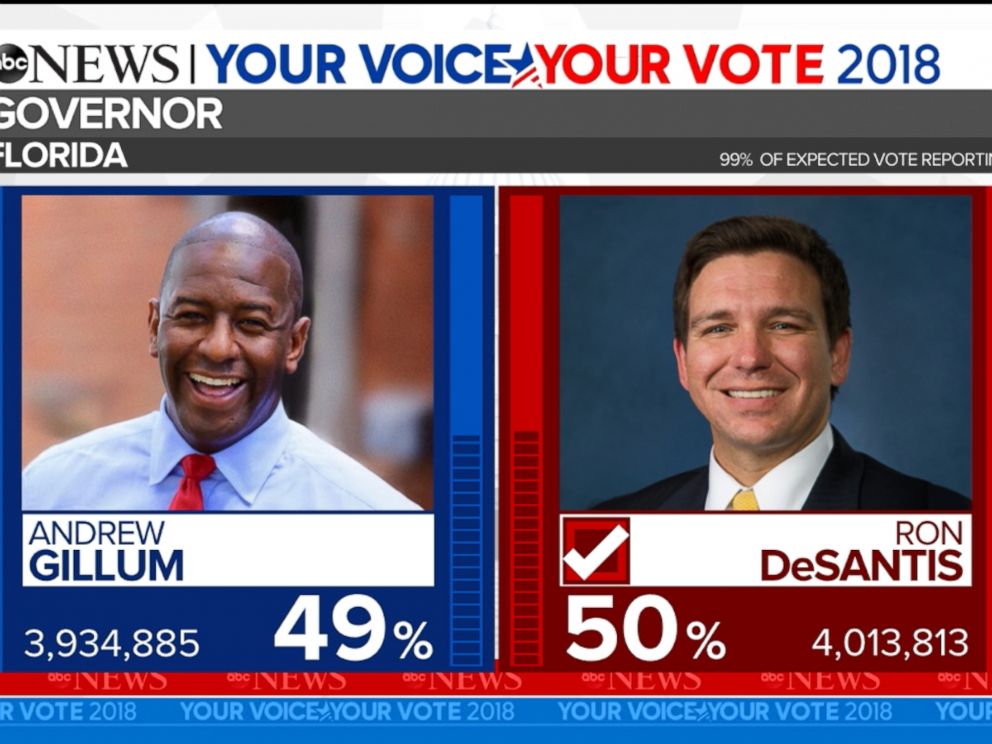
This staggered schedule allows for a distinct focus on state-level issues and candidates, separate from the national presidential race. It often leads to different voter turnout patterns and campaign strategies compared to presidential election years. For the tourism sector, this predictable cycle offers a degree of stability in political leadership, allowing for long-term planning and investment without the immediate uncertainty of a presidential contest.
Understanding “Off-Year” Elections
The concept of off-year elections, or midterm elections as they are sometimes called in the context of congressional races, applies to gubernatorial contests as well. In Florida, this means the governor’s race is a standalone event, drawing attention to state-specific policies and leadership.
This separation is beneficial for industries like tourism, which are heavily reliant on state regulations, infrastructure development, and marketing initiatives. A governor elected in an off-year can focus their first few years in office on implementing their agenda before national political pressures become more pronounced. This can translate into more consistent policies affecting areas crucial to tourism, such as environmental protection, transportation, and cultural funding.
Historical Context of Gubernatorial Terms
Florida governors have historically served four-year terms since a constitutional amendment in 1968. Prior to this, governors served two-year terms. The transition to longer terms was intended to provide greater continuity and allow governors more time to enact their policy objectives. This extended tenure is particularly relevant for long-term tourism development projects that require sustained commitment and investment, such as the expansion of major theme parks like those in Orlando, or the preservation of natural attractions like the Everglades National Park.
The current governor, who was elected in 2022, will serve until 2026. Understanding this timeline helps in anticipating policy shifts and their potential impact on travel and leisure businesses across the state.
Significance of the Florida Governor Election for Tourism
The governor of Florida wields considerable power over the state’s economy, and the tourism industry is a significant contributor to that economy. The elected governor’s policies, appointments, and overall vision can profoundly influence the growth, sustainability, and appeal of Florida as a tourist destination.
Economic Impact and Policy Directives
Tourism is a multi-billion dollar industry in Florida, supporting hundreds of thousands of jobs. The governor’s office plays a direct role in shaping policies related to tourism promotion, infrastructure development (airports, roads, public transportation), environmental conservation (which protects natural attractions), and the regulation of hospitality businesses.
A governor who prioritizes tourism can allocate increased funding to agencies like Visit Florida, the state’s official tourism marketing organization. This can lead to more extensive and effective advertising campaigns, attracting visitors from domestic and international markets. Conversely, a governor who de-prioritizes tourism or enacts policies that negatively affect the business climate can lead to a decline in visitor numbers and economic growth.
Infrastructure and Development
The governor’s influence extends to capital investments in infrastructure that directly benefit travelers. This includes improvements to major airports like Miami International Airport and Orlando International Airport, enhancements to the state’s highway system, and investments in public transportation options. Furthermore, policies that encourage the development of new hotels, resorts, and attractions, while ensuring responsible growth and environmental stewardship, are often driven by the executive office.

The protection and enhancement of natural landscapes, such as South Beach or the Florida Keys, are also critical for tourism. Gubernatorial administrations can champion conservation efforts, fund park maintenance, and implement regulations to protect sensitive ecosystems, ensuring these natural wonders remain attractive for generations of tourists.
Cultural and Recreational Funding
Beyond the beaches and theme parks, Florida boasts a rich cultural tapestry and diverse recreational opportunities. The governor’s administration influences funding for state parks, museums, arts organizations, and cultural events. These aspects are increasingly important for attracting a wider range of tourists seeking authentic experiences. Investments in these areas can bolster the state’s appeal beyond traditional sun-and-sand tourism, drawing visitors interested in history, art, and local culture.
Preparing for the Next Gubernatorial Election Cycle
For businesses and stakeholders within the Florida tourism ecosystem, understanding the election cycle is not just about knowing the date; it’s about engaging with the political process and preparing for the policy shifts that may occur.
Voter Engagement and Advocacy
Tourism industry leaders, business owners, and employees have a vested interest in who governs Florida. Engaging in the electoral process, whether through voting, contributing to campaigns, or advocating for specific policies, is essential. Organizations representing the tourism sector often work to educate candidates and the public on the importance of the industry and its needs.
Understanding candidates’ platforms on issues such as tourism promotion, taxation, infrastructure spending, and environmental protection allows for informed decision-making and targeted advocacy. This engagement ensures that the concerns of the tourism industry are heard and considered by those seeking to lead the state.
Economic Forecasting and Adaptation
The anticipation of a gubernatorial election can also influence economic forecasting within the tourism sector. Potential changes in tax policies, regulatory frameworks, or state-funded initiatives can impact business investment and operational costs. Businesses often try to anticipate these changes and adapt their strategies accordingly.
For instance, if a candidate proposes significant tax breaks for new tourism development, businesses might accelerate expansion plans. Conversely, if a candidate suggests increased environmental regulations, businesses in ecologically sensitive areas might need to adjust their practices. This foresight allows for greater resilience and strategic positioning within the dynamic Florida market.
The Broader Impact on Florida‘s Identity
The election of a Florida governor extends beyond economic considerations; it shapes the state’s identity and its narrative on a national and international stage. The governor serves as the primary ambassador for Florida, influencing perceptions of its business climate, its commitment to innovation, and its overall quality of life.
Marketing Florida to the World
The governor’s vision and the policies enacted during their term directly influence how Florida is marketed to potential visitors. A governor who champions environmental preservation can attract eco-tourists, while one who promotes technological innovation might draw business travelers and convention attendees. The governor’s leadership can set the tone for the state’s brand.
Consider the impact of tourism marketing campaigns. Campaigns that highlight Florida‘s diverse attractions, from the theme parks of Orlando to the natural beauty of the Florida Keys or the cultural experiences in Miami, are often supported and shaped by the governor’s office. The success of these campaigns, in turn, drives visitor numbers to destinations across the state, benefiting hotels, restaurants, attractions, and countless other businesses.

Long-Term Vision and Sustainability
A gubernatorial election is an opportunity for residents and stakeholders to choose a leader who will guide Florida‘s long-term development. For the tourism industry, this means selecting a leader with a vision for sustainable growth that balances economic prosperity with environmental protection and the preservation of the state’s unique cultural heritage.
The governor’s role in appointing heads of environmental agencies, transportation departments, and tourism promotion bodies means that their influence is pervasive. Decisions made at this level can determine the future of iconic landscapes, the efficiency of travel infrastructure, and the overall appeal of Florida as a premier destination. Therefore, understanding when these crucial decisions are made – through the regular cycle of gubernatorial elections – is vital for anyone invested in the bright future of Florida tourism.
LifeOutOfTheBox is a participant in the Amazon Services LLC Associates Program, an affiliate advertising program designed to provide a means for sites to earn advertising fees by advertising and linking to Amazon.com. Amazon, the Amazon logo, AmazonSupply, and the AmazonSupply logo are trademarks of Amazon.com, Inc. or its affiliates. As an Amazon Associate we earn affiliate commissions from qualifying purchases.