
Florida, the Sunshine State, is a dream destination for millions, boasting world-class theme parks, stunning beaches, and a vibrant cultural scene. Whether you’re planning a family vacation to Walt Disney World, a luxurious escape to a Miami resort, or an adventurous exploration of the Everglades, understanding the nuances of its climate is crucial for a seamless and enjoyable trip. Among the most significant weather considerations for anyone visiting or living in Florida is the hurricane season. This period brings the potential for severe weather, and knowing its timing allows for informed planning, ensuring your travel dates align with the most favorable conditions, or at least prepare you for what to expect.
Understanding the Florida Hurricane Season Timeline
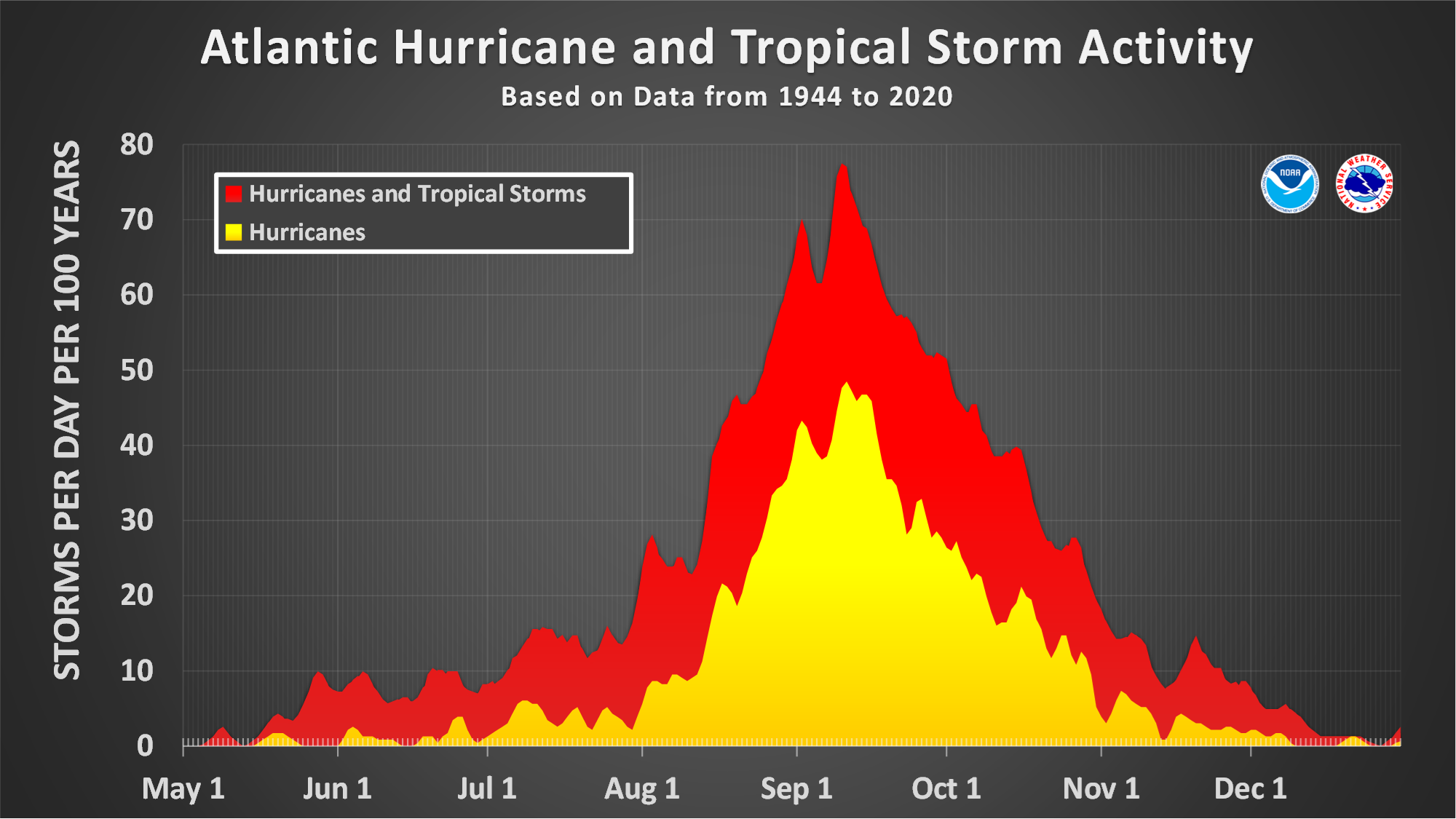
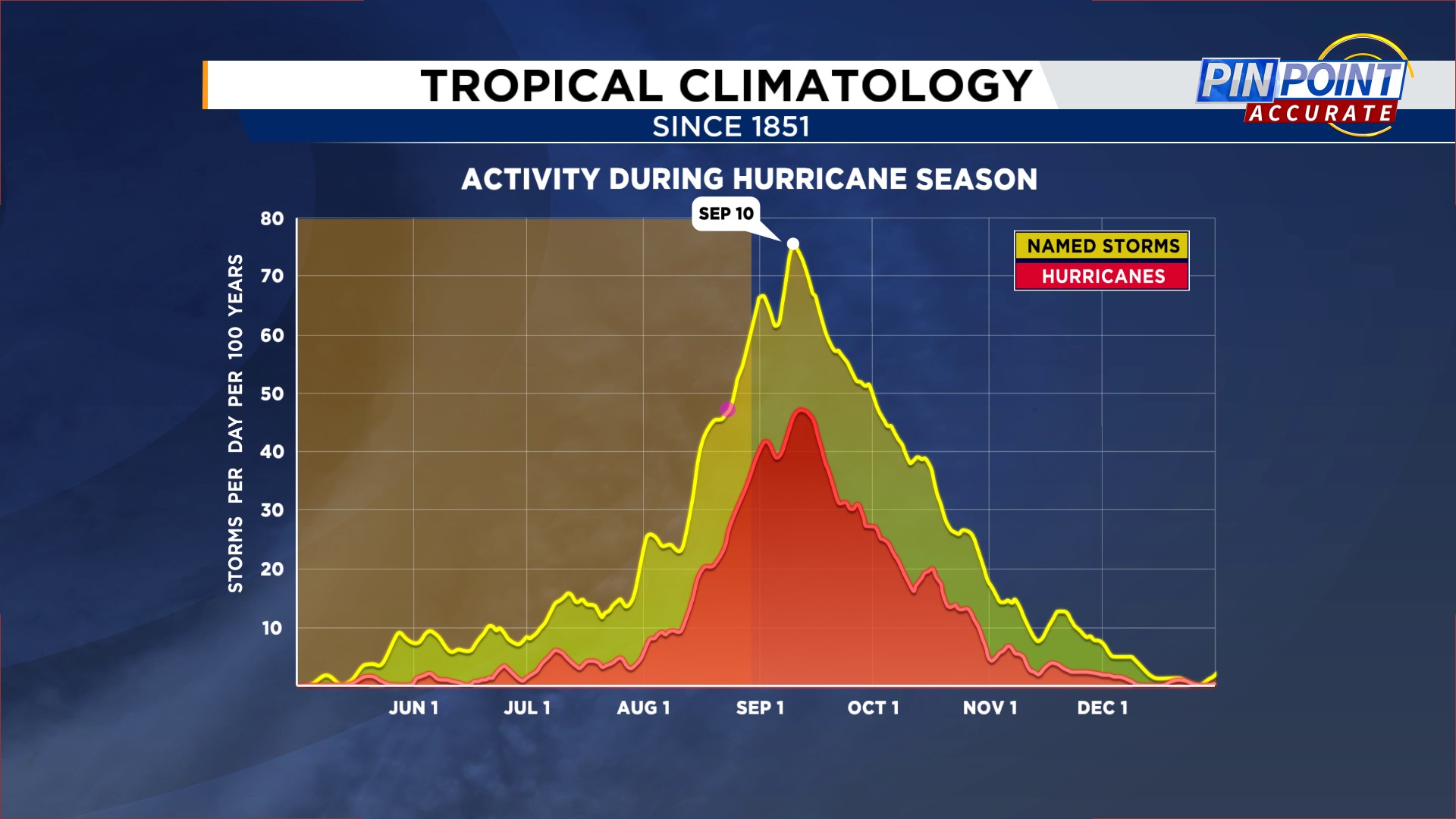
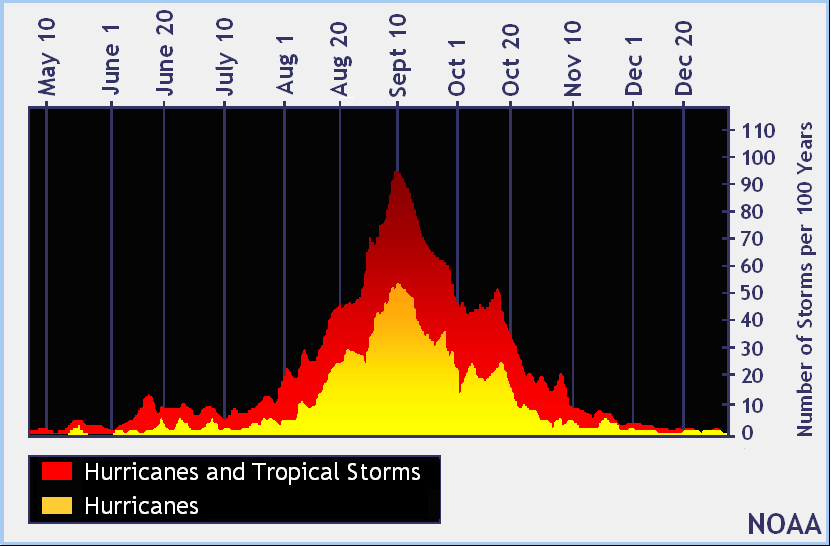
The Atlantic hurricane season officially runs from June 1st to November 30th each year. Within this broad timeframe, meteorologists and local authorities closely monitor for tropical storm and hurricane development. While the season spans six months, the peak of the activity typically occurs in the later months.
The Early and Mid-Season: June Through August
June marks the official start of the hurricane season, and while activity can begin, it’s generally less intense than later in the season. The early part of June often sees less frequent and less powerful storms. The warm waters of the Atlantic and Gulf of Mexico are beginning to heat up, providing the fuel for potential tropical systems. As July progresses, the likelihood of tropical cyclone formation increases. These storms can still impact Florida, but they tend to be more scattered and less predictable than those that form in the peak months.
August is when the intensity and frequency of tropical activity generally start to rise. The ocean temperatures are at their warmest, creating ideal conditions for hurricanes to form and strengthen. While hurricanes can occur at any point during the season, August serves as a transition into the most active period. Travelers might still find pleasant weather, but the risk of encountering a tropical storm or hurricane begins to become a more significant consideration. It’s during these months that travel insurance becomes particularly valuable, and flexible booking options are highly recommended for destinations like Orlando or Key West.
The Peak of the Season: September and October
September is historically the most active month for hurricanes in the Atlantic basin, and Florida is no exception. The combination of warm ocean waters and favorable atmospheric conditions creates a fertile ground for the development of powerful storms. Hurricanes that form during September can be intense and pose a significant threat to coastal communities and inland areas. Planning a trip to Tampa or the Florida Keys in September requires a heightened awareness of weather forecasts and a preparedness plan.
Following closely behind is October, which remains a critical month for hurricane activity. While the peak may have passed, strong storms can still develop and impact the state. The lingering warmth of the ocean waters and shifts in atmospheric patterns can lead to significant weather events. For those considering a visit to St. Augustine or the panhandle in October, staying informed about weather advisories is paramount. It’s during these months that many residents and businesses in cities like Fort Lauderdale and Jacksonville implement their hurricane preparedness strategies.
The End of the Season: November and Beyond
As November arrives, the hurricane season begins to wind down. Ocean temperatures start to cool, and atmospheric conditions generally become less conducive to hurricane formation. However, it’s important to remember that storms can still occur in November, and some of the most devastating hurricanes in Florida‘s history have occurred late in the season. Therefore, even as the official end date of November 30th approaches, vigilance is still advised. Once the season officially concludes, the risk of tropical cyclones dramatically decreases, making late November and December generally safer for travel to Florida from a hurricane perspective.
Preparing for Florida’s Hurricane Season
Even if you’re planning a trip outside the peak months, understanding hurricane preparedness is essential for anyone traveling to or living in Florida. The state has a robust system in place to alert residents and visitors about potential threats.
Staying Informed and Monitoring Forecasts
The primary resource for hurricane information is the National Hurricane Center (NHC). The NHC provides real-time updates, advisories, and forecasts for tropical systems. Familiarizing yourself with their website and understanding the different types of alerts – watches and warnings – is a crucial first step in preparedness. A hurricane watch means that hurricane conditions are possible within the specified area, while a hurricane warning indicates that hurricane conditions are expected.
For travelers, this means constantly checking weather forecasts leading up to and during your trip. Many hotels and resorts, such as the Ritz-Carlton or Four Seasons, have established protocols for informing guests about weather threats and may offer flexible rebooking or cancellation policies during severe weather events. Mobile apps from reputable weather services can also provide immediate alerts and updates. It’s wise to have a backup plan for your itinerary in case of severe weather, perhaps focusing on indoor attractions like museums or theme park shows if outdoor activities are impacted.
Travel Insurance and Flexible Bookings
When traveling to Florida during the hurricane season, particularly from August through October, investing in comprehensive travel insurance is highly recommended. Many policies offer coverage for trip cancellations or interruptions due to natural disasters, including hurricanes. This can protect your financial investment in flights, accommodations, and planned activities.
Additionally, opting for flexible booking options for flights and hotels can provide peace of mind. Airlines and hotel chains often have specific policies regarding weather-related disruptions, allowing for changes or cancellations without penalty. Always check the cancellation and rebooking policies of your chosen airlines and hotels before confirming your reservations. This foresight can be invaluable when unexpected weather events alter travel plans, ensuring you can adjust your trip to Naples or Clearwater Beach without significant financial loss.
Evacuation Procedures and Safety Measures
In the event of a hurricane warning for your specific location in Florida, following the guidance of local authorities is paramount. Understand the evacuation zones for the area you are visiting, such as Miami-Dade County or Broward County, and know your nearest designated shelter if an evacuation order is issued.
Many hotels provide guests with information on local evacuation routes and shelter locations. If you are staying in a vacation rental or a private residence, familiarize yourself with these procedures in advance. During a hurricane, it is crucial to stay indoors, away from windows, and follow any instructions provided by emergency management officials. Staying informed and prepared will ensure the safety of yourself and your travel companions, whether you are enjoying the Florida Keys or exploring the urban landscape of Orlando.
Beyond Hurricanes: Other Weather Considerations in Florida
While the hurricane season is the most significant weather concern for Florida, the state’s subtropical climate presents other weather phenomena to be aware of throughout the year.
Thunderstorms and Tropical Storms
Florida experiences frequent thunderstorms, especially during the warmer months. These can bring heavy rain, lightning, and strong winds, even outside of hurricane season. These storms are often localized and can develop rapidly, particularly in the afternoon. While not as severe as hurricanes, they can disrupt outdoor activities and, in some cases, cause flash flooding.
Tropical storms, which are weaker than hurricanes but can still bring significant rainfall and wind, are precursors to hurricanes and can occur independently. They are a common feature of the hurricane season and can cause considerable disruption. Understanding the difference between a tropical storm and a hurricane, and the associated safety measures for each, is vital for a well-rounded awareness of Florida‘s weather patterns.
Heat and Humidity
Throughout much of the year, Florida is characterized by high temperatures and humidity. During the summer months, particularly from May to September, the heat can be intense, making outdoor activities challenging during the peak midday hours. Staying hydrated, seeking shade, and utilizing indoor attractions are essential strategies for managing the heat, especially when visiting places like Everglades National Park or enjoying the beaches of Sarasota. The humidity can make the heat feel even more oppressive, so being prepared for these conditions is part of enjoying the Florida lifestyle.
Making the Most of Your Florida Trip
Despite the potential for severe weather during hurricane season, Florida remains a highly desirable travel destination. The key to a successful trip lies in informed planning and flexibility.
Choosing the Right Time to Visit
For travelers seeking the lowest risk of hurricane activity, the months of January, February, and March are generally considered ideal. This period falls outside the Atlantic hurricane season and offers pleasant temperatures, lower humidity, and fewer crowds. However, it’s also the peak season for tourism, so booking accommodations and attractions well in advance is crucial.
For those who don’t mind a slightly higher risk for potentially lower prices and fewer crowds, April, May, and late November can also be excellent times to visit. These shoulder months offer a good balance of favorable weather and a more relaxed atmosphere. Ultimately, with careful planning, Florida can be enjoyed year-round. Whether you’re visiting the theme parks of Orlando, exploring the natural beauty of Amelia Island, or enjoying the vibrant nightlife of South Beach, a little knowledge about the hurricane season can go a long way in ensuring a safe and memorable experience.