
Traveling to Florida, the Sunshine State, offers an allure of pristine beaches, vibrant cities, and world-class attractions. However, a significant consideration for any traveler, especially between June and November, is the state’s susceptibility to hurricanes. Understanding when a hurricane is expected to hit Florida is not just about meteorological curiosity; it’s a critical piece of information for travel planning, ensuring safety, and making informed decisions that safeguard your vacation and well-being. This guide delves into the nuances of hurricane season, how to monitor forecasts, and how to prepare for travel to or within Florida during these times.
Understanding Hurricane Season in Florida
Florida lies squarely within the Atlantic hurricane belt, making it a frequent point of interest for tropical weather systems. For travelers, comprehending the timing and nature of this season is paramount to stress-free planning.
The Annual Cycle and Peak Periods
The Atlantic hurricane season officially runs from June 1st to November 30th each year. While storms can form outside this window, this six-month period accounts for the vast majority of tropical cyclone activity. Within this season, there are distinct peak periods that travelers should be particularly aware of. August through October typically sees the most intense and numerous storms, with the statistical peak often occurring around September 10th. During these months, sea surface temperatures are warmest, and atmospheric conditions are most conducive to hurricane development and strengthening. Early season (June-July) storms often develop closer to Florida or in the Gulf of Mexico, while late-season (November) activity tends to be less frequent but can still pose a significant threat.
Why Florida is a Frequent Target
Florida’s unique geography—a peninsula jutting into both the Atlantic Ocean and the Gulf of Mexico—places it at high risk. Warm ocean waters provide the fuel for hurricanes, and both coasts, as well as the Florida Keys, are highly vulnerable. Storms can approach from the Atlantic, often tracking westward or curving northward, or they can emerge from the Caribbean and the Gulf of Mexico, sometimes making landfall in the western or southern parts of the state. This dual exposure means that different parts of Florida can be affected by different storm tracks, necessitating broad awareness for travelers regardless of their specific destination within the state. Understanding this geographical vulnerability is key to appreciating why constant vigilance during hurricane season is a necessity for anyone planning to visit.
Monitoring Official Hurricane Forecasts and Advisories
Accurate and timely information is your best defense against unexpected hurricane disruptions. Relying on official sources is crucial for making sound travel decisions.
Key Agencies and Reliable Information Sources
When a hurricane threatens Florida, several key agencies become the primary sources of information. The National Hurricane Center (NHC), a division of the National Oceanic and Atmospheric Administration (NOAA), is the authoritative source for hurricane forecasts, advisories, and discussions. Their website (nhc.noaa.gov) provides real-time updates, storm tracks, intensity forecasts, and potential impacts. Additionally, the Florida Division of Emergency Management offers state-specific guidance, evacuation orders, and recovery information. Local news channels and weather apps, when they cite these official sources, can also be helpful for localized updates. Avoid unverified social media rumors or sensationalized reporting, which can lead to unnecessary panic or, worse, complacency.
Interpreting Forecast Models and Cone of Uncertainty
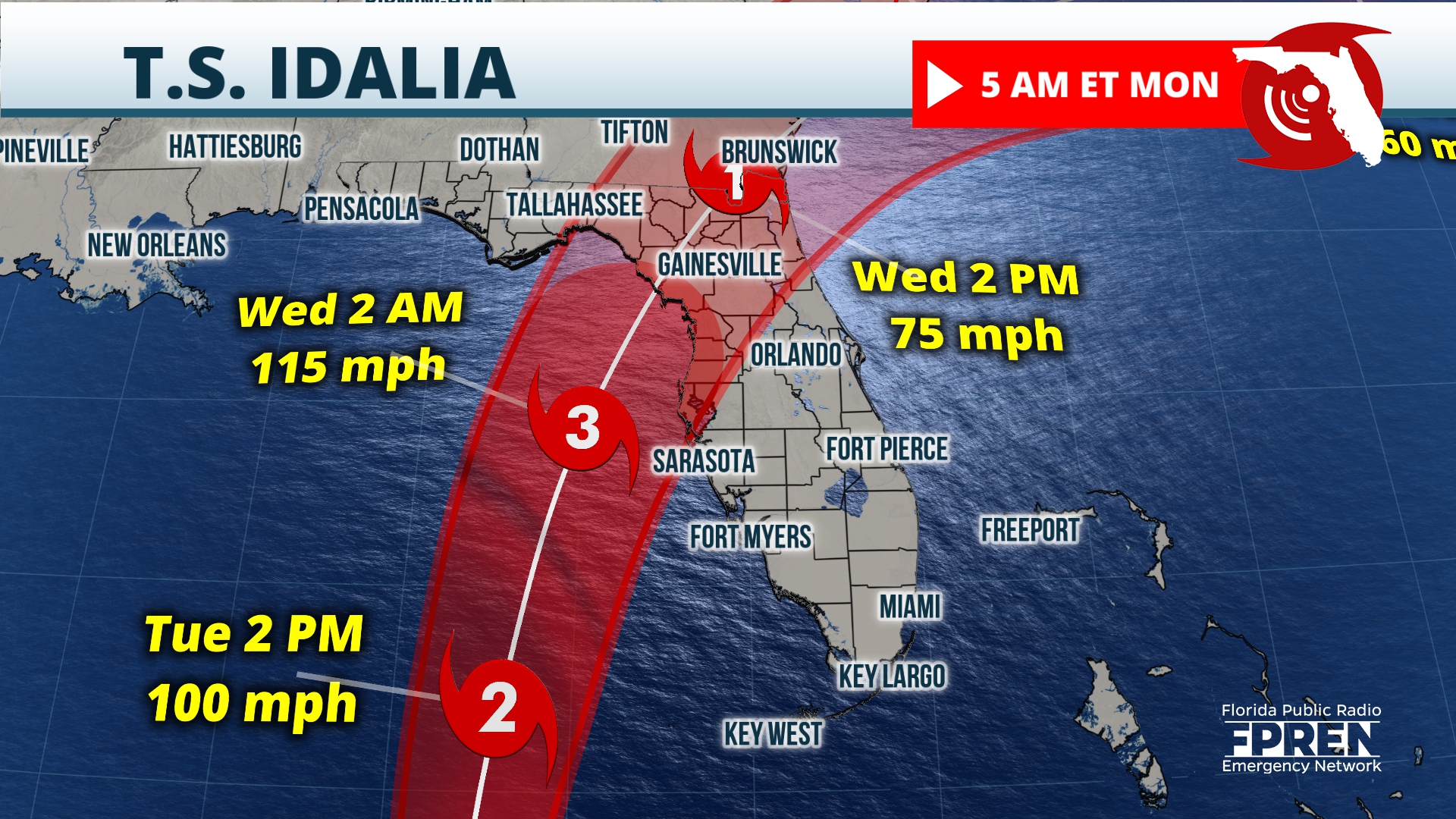
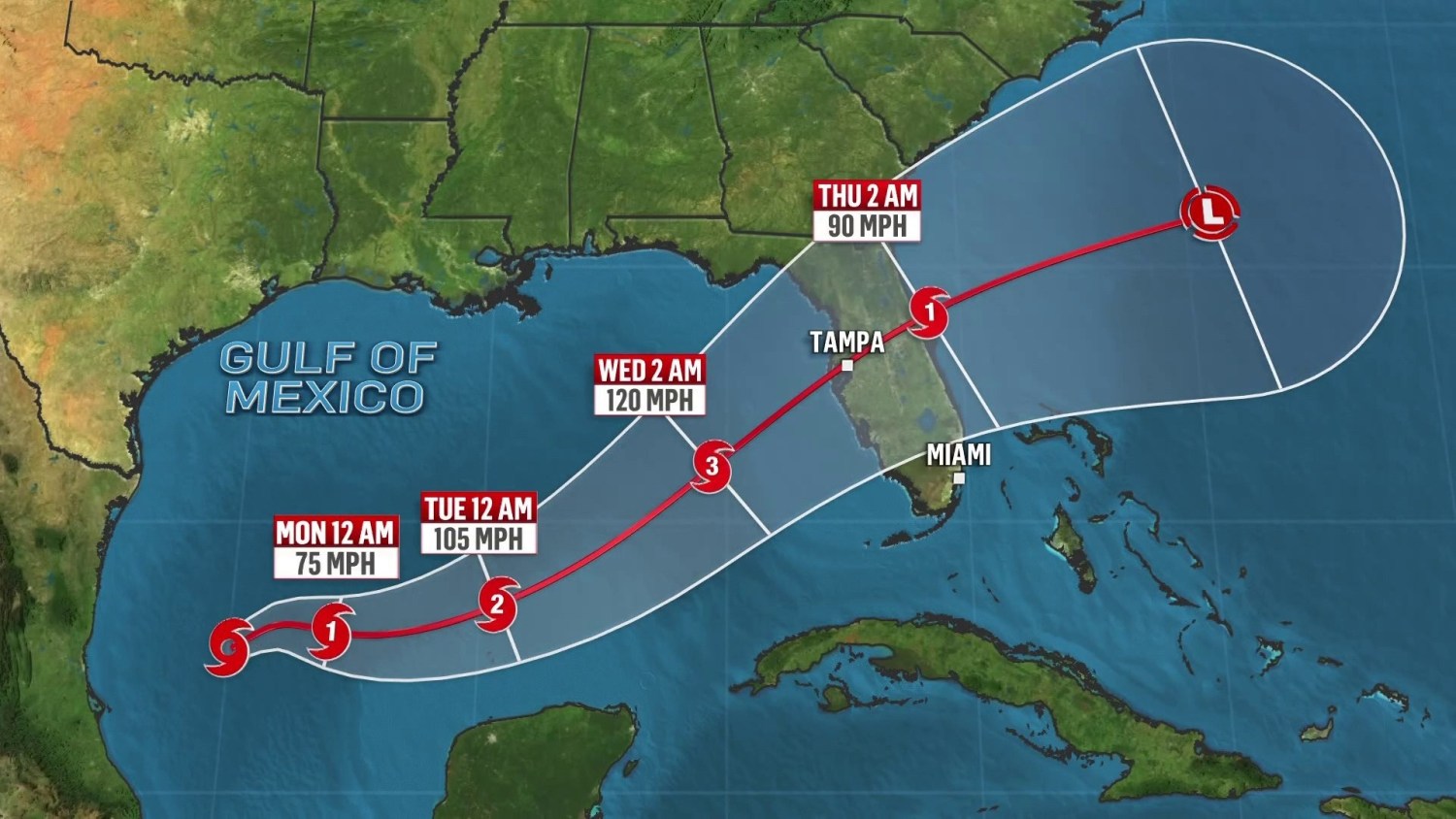
Hurricane forecasting involves complex atmospheric modeling, and travelers should understand how to interpret the information presented. The “cone of uncertainty” is a critical visual tool provided by the NHC. This cone represents the probable track of the center of a tropical cyclone, but it’s important to remember that the storm’s center is expected to remain within the cone about 60-70% of the time over the past 5 years. The forecast track can shift, and significant impacts (rain, wind, storm surge) can extend far outside the cone. Therefore, travelers should not focus solely on the centerline but consider the entire potential range of movement. As a storm approaches, the cone typically narrows, offering greater certainty. Early forecasts, while valuable, naturally carry more uncertainty, meaning travel plans should remain flexible.
Understanding Watches and Warnings
Official advisories are issued in two primary categories: watches and warnings. A Hurricane Watch means hurricane conditions (sustained winds of 74 mph or higher) are possible within the specified area, usually within 48 hours. This is the time for travelers to finalize preparations, check with airlines and accommodations, and be ready to alter plans. A Hurricane Warning means hurricane conditions are expected within the specified area, typically within 36 hours. At this stage, protective actions, including evacuations, should be rapidly completed. Similarly, Tropical Storm Watches and Warnings are issued for areas where tropical storm conditions (sustained winds of 39 to 73 mph) are possible or expected. Understanding these distinctions is vital for knowing when to act decisively to ensure your safety and avoid being stranded.
Travel Planning and Preparation for Florida-Bound Travelers
For those venturing to Florida during hurricane season, proactive planning can significantly mitigate potential disruptions and ensure a safer, smoother experience.
Pre-Trip Considerations: Travel Insurance and Flexible Bookings
One of the most essential pre-trip actions is securing comprehensive travel insurance. Policies that include “cancel for any reason” or specifically cover hurricane-related cancellations or interruptions can be invaluable. Carefully review the terms and conditions, paying close attention to deadlines for purchasing coverage relative to named storms. Many policies have blackout periods once a storm is named. When booking flights, hotels, or vacation rentals in destinations like Miami, Orlando, or Tampa, prioritize options with flexible cancellation or rebooking policies. Many airlines and hotels offer waivers during hurricane threats, but understanding these policies upfront can save considerable stress and expense. Consider having alternative plans, perhaps for destinations outside the potential impact zone, or even for postponing your trip entirely if a significant storm threat emerges.
During Your Trip: Essential Safety Measures and Evacuation Routes
If you are already in Florida when a hurricane threat develops, immediate action is critical. First, stay informed through official channels like the NHC and local emergency management. Know your accommodation’s hurricane plan and follow their instructions. Many hotels and resorts, particularly in coastal areas, have established procedures for guest safety. Prepare a “go bag” with essential documents, medications, chargers, and a change of clothes. If evacuation orders are issued for your area, comply immediately. Florida has designated evacuation routes, often involving contraflow on major highways, and these should be identified in advance. Fuel your vehicle, have cash on hand, and notify family or friends of your whereabouts. Do not delay evacuation, as roads can become congested, and services may shut down.
Post-Storm Travel: Assessing Conditions and Recovery
After a hurricane makes landfall, the immediate aftermath can be challenging, even for areas that were not directly hit. Roads may be impassable due to debris or flooding, power outages can be widespread, and communication systems might be down. Airports, like Miami International Airport or Orlando International Airport, may close for periods. Travelers planning to arrive immediately after a storm should expect significant delays and disruptions. It’s crucial to verify the operational status of your destination, accommodation, and transportation before attempting to travel. Many tourist attractions, especially theme parks like Walt Disney World Resort or Universal Studios Florida, have robust reopening plans but will only do so when it is safe. Patience and flexibility are paramount during the recovery phase, which can extend for days or weeks depending on the storm’s severity.
Impact on Florida Travel and Tourism
A hurricane’s impact extends far beyond the immediate weather event, significantly influencing the entire travel and tourism ecosystem in Florida.
Airline Policies and Flight Cancellations
When a hurricane approaches or impacts Florida, airlines are often among the first to react. Major airports in potential impact zones, such as those serving South Florida or the Gulf Coast, may experience significant flight cancellations, delays, or even temporary closures. Airlines typically issue travel waivers, allowing passengers to rebook flights without change fees or receive refunds, often before a storm is named. It is imperative for travelers to monitor their flight status directly with their airline and be prepared for potential disruptions. Rebooking can be challenging during peak travel times around a storm, as available seats quickly fill up. Travelers should consider flying out earlier or delaying their trip until the threat has passed and airports have resumed normal operations.
Hotel and Accommodation Procedures
Hotels, resorts, and vacation rentals in Florida have established hurricane preparedness plans. If a storm threatens, properties often activate emergency protocols, which may include securing outdoor furniture, boarding windows, and in extreme cases, ordering guest evacuations. Many will proactively contact guests with booking modifications or cancellations, often waiving cancellation fees if an official warning is issued. Travelers should confirm their reservation status and understand the property’s specific hurricane policy. During and immediately after a storm, amenities may be limited, and services such as dining or housekeeping might be reduced. If an evacuation is ordered, hotels are required to comply, and guests must follow suit. Understanding these procedures is vital for avoiding unexpected complications and ensuring personal safety.
Attraction Closures and Reopening Information
Florida’s world-renowned attractions, from the theme parks of Orlando to the historical sites of St. Augustine and natural wonders like Everglades National Park, also have specific hurricane protocols. Major theme parks, for instance, typically announce closures well in advance of a hurricane’s expected arrival, prioritizing guest and staff safety. Reopening schedules depend on damage assessment, power restoration, and the safety of the surrounding infrastructure. Travelers with plans to visit specific attractions should check their official websites or social media channels for the latest information on closures and reopening timelines. Keep in mind that even after a storm passes, some attractions may require extensive cleanup and repairs, leading to prolonged closures. Flexibility in your itinerary is crucial when planning a Florida vacation during hurricane season.
Making Informed Decisions: When to Postpone or Proceed
Ultimately, the decision to travel to Florida during hurricane season, particularly when a storm is brewing, rests on a balance of risk assessment, preparedness, and prioritizing safety.
Prioritizing Safety Over Plans
No vacation is worth risking your life or safety. If a significant hurricane threat is identified for your intended destination in Florida, the safest and most responsible decision is often to postpone or reroute your trip. While travel insurance and flexible bookings can mitigate financial losses, they cannot replace peace of mind or guarantee safety in the face of a severe natural disaster. Consider the potential for extended power outages, limited access to medical care, and the stress of navigating an unfamiliar area during an emergency. Prioritize the well-being of yourself and your travel companions above adhering to original plans.
The Role of Local Authorities and Emergency Services
Pay close attention to guidance from local authorities and emergency services in Florida. Their advisories, watches, warnings, and evacuation orders are based on expert assessments of the immediate threat and local conditions. These directives are designed to protect residents and visitors alike. Ignoring official warnings can put yourself, first responders, and emergency services at unnecessary risk. Respect the severity of these events and comply with all instructions issued by state and local officials. They are your most reliable guide during such critical times.

Supporting Florida’s Recovery Efforts
If your travel plans are impacted by a hurricane, consider how you might support Florida’s recovery efforts once it is safe to return. After the immediate crisis, tourism plays a vital role in economic recovery. When conditions normalize, revisiting Florida can help stimulate local businesses, from small shops in Key West to major resorts in Orlando. However, ensure that your post-storm travel is responsible and does not strain local resources or interfere with ongoing recovery operations. Check with local tourism boards for updates on which areas are open for visitors and how best to support the community. By being prepared, informed, and responsible, you can navigate Florida’s hurricane season safely, whether you’re traveling during it or planning a visit for the future.
LifeOutOfTheBox is a participant in the Amazon Services LLC Associates Program, an affiliate advertising program designed to provide a means for sites to earn advertising fees by advertising and linking to Amazon.com. Amazon, the Amazon logo, AmazonSupply, and the AmazonSupply logo are trademarks of Amazon.com, Inc. or its affiliates. As an Amazon Associate we earn affiliate commissions from qualifying purchases.