
For many, the mention of Florida conjures images of sun-drenched beaches, thrilling theme parks, and vibrant cultural experiences. It’s a dream destination for travelers worldwide, offering everything from luxury resorts to budget-friendly family adventures. However, like any tropical paradise, Florida exists within a natural environment that includes hurricane season. Understanding the dynamics of hurricanes, their potential impact on travel, and how to prepare is crucial for anyone planning a visit, especially those eyeing trips between June and November. This comprehensive guide aims to equip you with the knowledge needed to navigate the complexities of hurricane season while still enjoying the unparalleled beauty and excitement that the Sunshine State has to offer. We’ll delve into forecasting, preparation strategies, travel insurance considerations, and how to make the most of your Florida experience, rain or shine.
Whether you’re seeking a tranquil escape to the Florida Keys, an adrenaline rush at Orlando’s world-famous attractions, or a cultural immersion in Miami’s Art Deco Historic District, being informed is your best travel companion. Our focus here is not to deter you from visiting this incredible state, but rather to empower you with information to plan a safe, memorable, and stress-free trip, irrespective of the weather forecast. We’ll explore how hotels and accommodations adapt, what to expect from travel providers, and the resilience of Florida’s tourism infrastructure in the face of natural challenges.
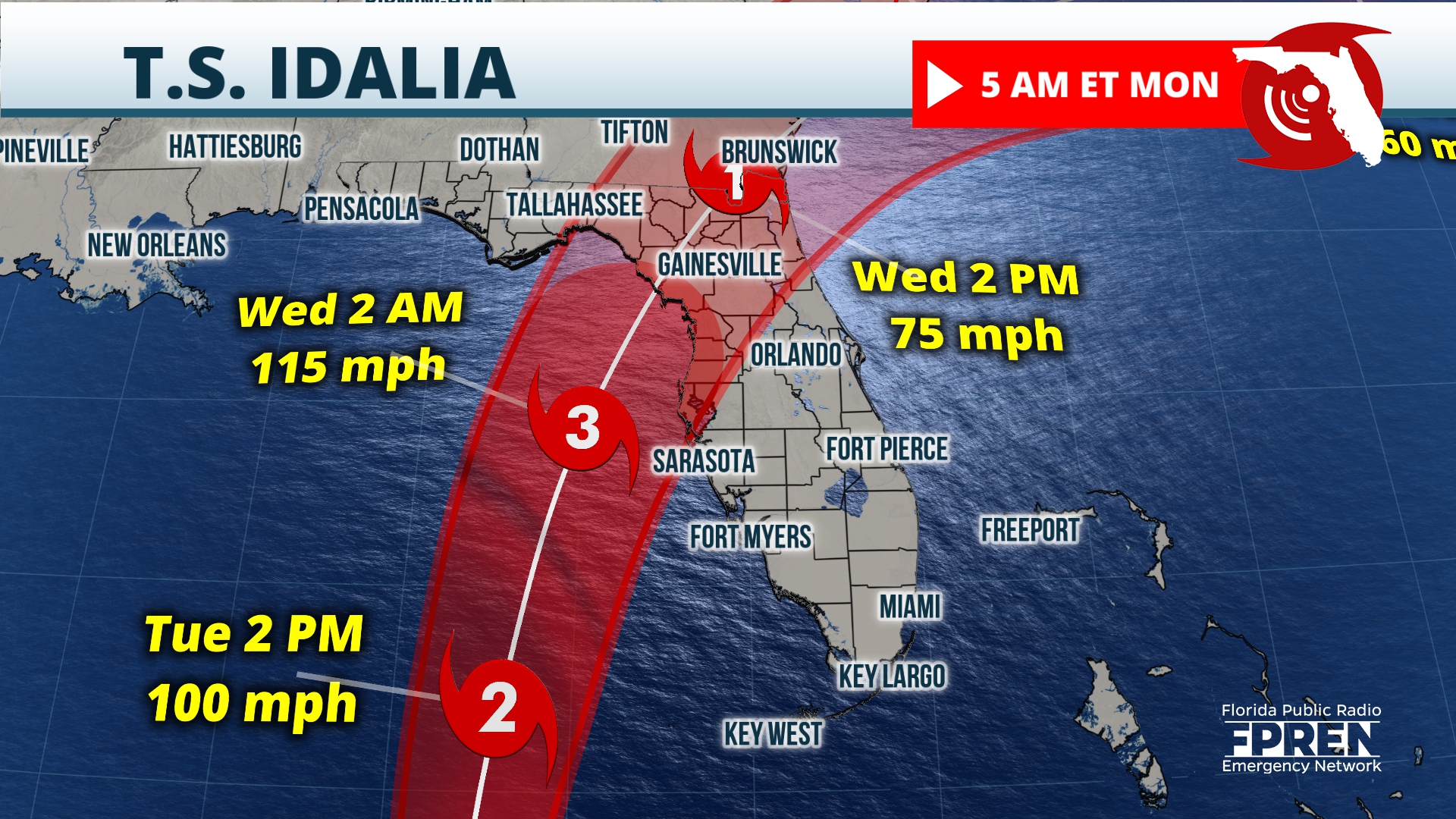
Understanding Florida’s Hurricane Season
Florida is uniquely positioned to experience tropical weather systems, given its long coastline bordering the Atlantic Ocean to the east and the Gulf of Mexico to the west. This geographical reality makes understanding hurricane season a fundamental aspect of planning any trip to the region.
What is Hurricane Season?
Hurricane season officially runs from June 1st to November 30th each year. This six-month window represents the period when conditions in the Atlantic Ocean, Caribbean Sea, and Gulf of Mexico are most conducive to the formation of tropical depressions, tropical storms, and hurricanes. While storms can occur outside these dates, they are less common. The peak of the season typically falls between mid-August and late October, with September historically being the most active month. During this peak, warm ocean waters provide the energy for these systems to develop and strengthen, sometimes rapidly.
For travelers, this means that trips planned during these months carry a higher, albeit still relatively low, risk of encountering a tropical weather event. It’s not about if a hurricane will hit Florida in a given season, but rather the probability of any single location experiencing a direct impact. Millions visit Florida during hurricane season without incident, but preparedness is key to a worry-free experience.
Why Florida is Prone to Hurricanes
Florida’s peninsular shape and extensive coastline make it particularly vulnerable to hurricanes. Storms forming in the Atlantic Ocean can track directly towards the state’s East Coast, impacting cities like Miami, Fort Lauderdale, and Jacksonville. Meanwhile, systems developing in the Gulf of Mexico or moving through the Caribbean Sea often pose a threat to the Gulf Coast cities such as Tampa, Sarasota, Naples, and the Panhandle region. The warm waters surrounding Florida act as fuel for these systems, allowing them to maintain or even intensify as they approach land.
The topography of Florida, being largely flat and low-lying, also makes it susceptible to storm surge and widespread flooding, which are often the most destructive aspects of a hurricane. Understanding these geographical factors helps explain why early warnings and evacuation orders are taken very seriously by local authorities and residents alike.
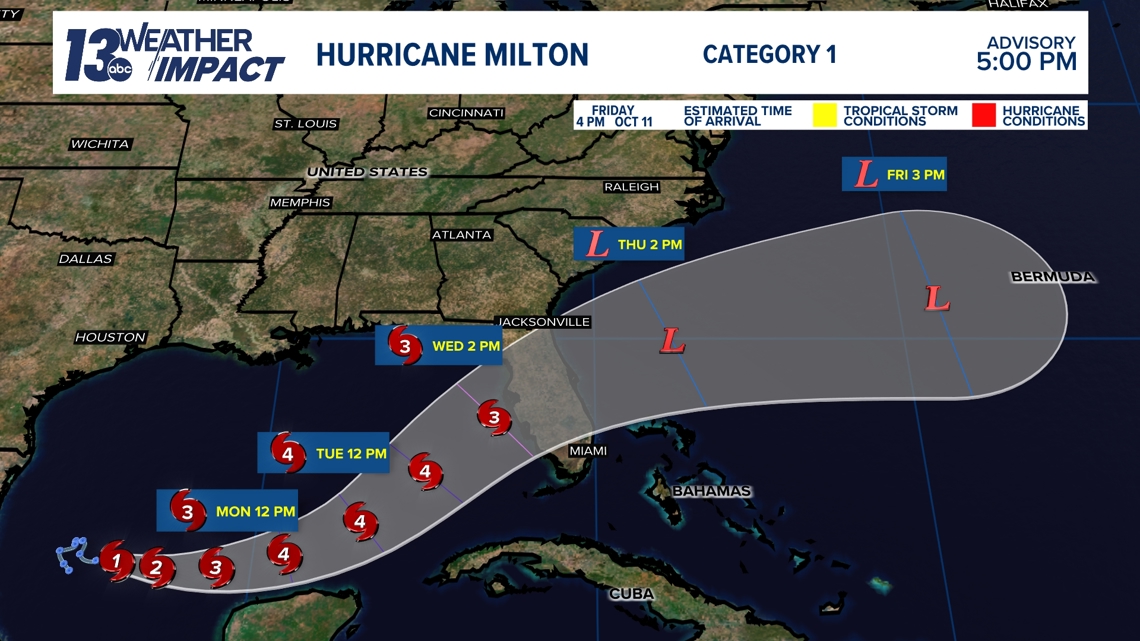
Decoding Hurricane Forecasts and Categories
When a tropical system forms, meteorologists at the National Hurricane Center (NHC) meticulously track its progress. They issue advisories that include crucial information such as the storm’s current location, predicted path (the “cone of uncertainty”), wind speeds, and potential rainfall. Hurricanes are categorized on the Saffir-Simpson Hurricane Wind Scale, which ranges from Category 1 (74-95 mph winds) to Category 5 (157 mph or higher).
- Category 1 & 2: Can cause significant damage to homes and infrastructure, lead to widespread power outages, and coastal flooding.
- Category 3, 4 & 5: Considered “major hurricanes” capable of causing devastating to catastrophic damage, rendering areas uninhabitable for weeks or months.
For travelers, understanding these categories helps gauge the potential impact. However, it’s vital to remember that a lower-category storm can still cause significant damage, particularly from water (storm surge and inland flooding), which is often more deadly than wind. Always defer to official warnings and evacuation orders, regardless of a storm’s category. Reliable sources like the National Hurricane Center and local news outlets are your best resources for real-time updates.
Preparing for Your Florida Trip Amidst Hurricane Concerns
While the thought of a hurricane can be daunting, careful planning significantly reduces stress and potential disruptions to your travel plans. proactive preparation is your best defense against the unexpected.
Pre-Trip Planning and Insurance Considerations
One of the most critical steps for anyone traveling to Florida during hurricane season is to secure comprehensive travel insurance. Not all policies are created equal, so it’s essential to read the fine print. Look for policies that cover:
- Trip Cancellation: If a hurricane makes your destination uninhabitable or impossible to reach.
- Trip Interruption: If you have to cut your trip short due to a storm.
- Travel Delay: For expenses incurred due to flight delays or cancellations.
- Medical Evacuation: Although less common with hurricanes, this can be crucial in other emergencies.
It’s important to purchase travel insurance before a storm is named or becomes a recognized threat, as most policies will not cover events that are “foreseeable” at the time of purchase. Additionally, consider booking accommodations and flights with flexible cancellation policies. Many airlines and hotels offer waivers during declared emergencies, but having flexible options upfront provides an extra layer of security. Check with your chosen hotel, whether it’s a sprawling resort like The Breakers Palm Beach or a quaint boutique hotel in Key West, about their specific hurricane policies well in advance.
Monitoring Weather Updates and Official Sources
Once your trip is booked, staying informed is paramount. Before and during your travel dates, make it a habit to check reliable weather sources. The National Hurricane Center website and apps from trusted meteorology services (e.g., AccuWeather, The Weather Channel) provide the most up-to-date information. Local news stations in Florida cities like Miami, Orlando, and Tampa are also excellent sources for specific local impacts and evacuation orders.
Pay close attention to hurricane watches (meaning conditions are possible within 48 hours) and hurricane warnings (meaning conditions are expected within 36 hours). If a warning is issued for your destination, it’s highly advisable to reconsider your travel plans or follow evacuation orders promptly. Never underestimate the power of these storms. Many tourism boards, such as Visit Florida, also provide hurricane preparedness resources tailored for travelers.
Essential Evacuation and Safety Kits for Travelers
Even if you don’t anticipate a direct hit, it’s prudent to have a basic emergency plan and kit ready. For travelers, this doesn’t mean a full survival kit, but rather key items that can make a difference if you’re delayed or need to evacuate:
- Important Documents: Keep passports, IDs, insurance policies, hotel reservations, and important contact numbers (including your travel insurance provider) in a waterproof bag that’s easily accessible.
- Medications: Ensure you have enough prescription medications for several extra days.
- Cash: ATMs and credit card systems may be down during power outages.
- Communication: A portable phone charger/power bank is essential. Consider a battery-powered radio for updates if cell service is lost.
- Basic Supplies: A small flashlight, bottled water, and non-perishable snacks can be invaluable.
- Contact Plan: Have a plan to check in with family or friends outside the affected area.
Hotels like the Ritz-Carlton, Amelia Island or Loews Portofino Bay Hotel at Universal Studios Florida often have emergency plans in place for guests, but personal preparedness complements their efforts.
Navigating Travel and Accommodation During a Hurricane Threat
Once a storm looms, the focus shifts from prevention to adaptation. Understanding how airlines, hotels, and attractions respond can help you make informed decisions and minimize disruption.
Hotel Policies and Rebooking Strategies
Hotels and resorts in Florida have well-established hurricane protocols. If a hurricane warning is issued for their area, many will offer guests the option to cancel or rebook without penalty. It’s crucial to contact your specific accommodation directly. For example, a stay at Hard Rock Hotel Orlando may have different policies than a beachfront rental in Naples.
Key things to clarify with your hotel:
- Cancellation Policy: What are the terms if a storm threatens your stay?
- Early Departure Policy: If you need to leave early, will you be charged for unused nights?
- Shelter-in-Place Options: Do they have generators, emergency food/water supplies, or designated safe areas if guests are unable to evacuate?
- Rebooking Incentives: Some hotels might offer discounts or incentives to rebook at a later date.
If you decide to evacuate, always follow official instructions. If you decide to shelter in place, ensure your accommodation is solid and that you have communicated your decision to hotel staff and your emergency contacts.
Airline Changes and Transportation
Airlines are generally proactive in issuing travel waivers when a hurricane threatens. These waivers allow passengers to change their flight dates or destinations without incurring change fees, provided the original travel dates fall within the affected period. Check your airline’s website frequently for updates. Flight cancellations are common during hurricane threats as airports close down for safety. Major hubs like Miami International Airport (MIA) and Orlando International Airport (MCO) can experience significant disruptions.
Regarding ground transportation:
- Rental Cars: If you have a rental car, ensure you have a full tank of gas if an evacuation is possible. Gas stations may be closed or run out of fuel.
- Public Transportation: Services like buses and trains will likely be suspended during a hurricane.
- Ride-Sharing: Uber/Lyft services may be limited or unavailable.
If you are already in Florida and an evacuation is ordered, leave as soon as possible to avoid traffic jams. Pay attention to contraflow lane reversals on major highways designed to speed up evacuations.

Impact on Tourist Attractions and Experiences
Virtually all major tourist attractions in Florida have hurricane contingency plans. Theme parks like Walt Disney World Resort, Universal Studios Florida, Busch Gardens Tampa Bay, and Legoland Florida Resort will close if a hurricane warning is issued for their area, prioritizing the safety of guests and staff. Similarly, beaches, state parks like Everglades National Park, and famous landmarks such as the Kennedy Space Center Visitor Complex will close and may remain closed for days or weeks depending on the damage.
Before heading to any attraction, always check their official website or social media for the latest operational updates. Tour operators, fishing charters, and other experience providers will also halt operations during severe weather. While it can be disappointing to have plans disrupted, these closures are for your safety. Many establishments will have policies for refunds or rebooking if your experience is canceled due to a storm.
Post-Hurricane Florida: Recovery and Resilient Tourism
While hurricanes can cause significant disruption, Florida has a robust system for recovery, and its tourism industry is remarkably resilient. The state is committed to rebuilding and welcoming visitors back as quickly and safely as possible.
When to Revisit Florida After a Storm
The timeline for recovery varies greatly depending on the severity and location of a hurricane’s impact. Some areas might be ready for tourists within days or weeks, while others, particularly those directly hit by a major hurricane like Hurricane Irma or Hurricane Andrew in the past, could take months or even years to fully recover.
Generally, the tourism industry in unaffected areas of Florida often bounces back quickly. Even in affected regions, efforts are usually made to restore essential services and tourism infrastructure as a priority. It’s crucial to consult official tourism websites and local news for guidance on specific destinations. For instance, St. Augustine might recover faster than a remote island in the Florida Keys that relies heavily on marine access. When you decide to revisit, you’re not just enjoying a vacation; you’re actively contributing to the local economy and recovery efforts.
Ethical Tourism After a Storm
Visiting a hurricane-affected area too soon can strain local resources and hinder recovery. However, once an area is declared open for tourism, your visit can be a powerful force for good. Ethical tourism after a storm involves:
- Patience and Understanding: Expect that some services might still be limited, and be patient with local staff who are likely working hard to restore normalcy.
- Supporting Local Businesses: Prioritize local restaurants, shops, and tour operators directly impacted by the storm. Your dollars help them rebuild.
- Respectful Engagement: Be mindful of the challenges locals have faced. Avoid “disaster tourism” and focus on respectfully enjoying the destination.
- Volunteering (Optional): If you have specific skills and are able to commit to genuine relief efforts, consider organizations that coordinate volunteer opportunities. Always go through reputable groups rather than self-deploying.
Traveling to places like Clearwater Beach or South Beach when they are ready helps generate the revenue needed for the communities to thrive again.
Florida’s Long-Term Resilience
Florida’s history is intertwined with hurricanes, and over decades, the state has developed an impressive level of resilience. Building codes are among the strictest in the United States, designed to withstand high winds. Infrastructure is continuously upgraded to improve storm readiness and recovery. Furthermore, the communities themselves demonstrate incredible strength and solidarity in the face of adversity. This resilience is a testament to the spirit of Florida and its people, ensuring that the Sunshine State remains a beloved destination for generations to come. From the bustling streets of Orlando to the tranquil waters of Lake Okeechobee, the commitment to preparedness and recovery is evident.
Making the Most of Your Florida Vacation, Rain or Shine
While hurricane season demands vigilance, it doesn’t mean you have to avoid Florida entirely. Strategic planning can allow you to experience its wonders with peace of mind.
Best Times to Visit Florida Outside Hurricane Season
To minimize any hurricane-related concerns, the ideal times to visit Florida are generally late fall (late November/early December) through spring (March/April). During these months, the weather is typically mild, humidity is lower, and the risk of tropical storms is minimal to non-existent.
- Winter (December-February): Perfect for escaping colder climates. Enjoy pleasant temperatures, especially in South Florida. This is peak tourist season, so expect higher prices and larger crowds at popular attractions like Walt Disney World Resort.
- Spring (March-May): Still excellent weather, warm but not excessively hot. May can start to see increased humidity but remains largely outside the peak hurricane risk.
- Early Summer (June): The official start of hurricane season, but major storms are less common in early June. Good weather for beaches, though humidity increases.
- Late Fall (November): As hurricane season winds down, November can be a beautiful time to visit, especially after Thanksgiving. The weather cools, and crowds thin out slightly.
Alternative Florida Destinations During Hurricane Season
If you’re determined to visit during hurricane season but want to reduce your risk, consider areas further inland or in parts of the state historically less impacted by direct hits. While no part of Florida is immune, certain regions might offer slightly lower risk or different types of experiences:
- Central Florida: While Orlando and its theme parks can be affected by heavy rain and wind, they are not typically subjected to the most destructive storm surge, which impacts coastal areas. Inland attractions and cities often recover faster.
- North Florida: Regions like the Panhandle and North Florida generally experience a different hurricane pattern than South Florida, sometimes encountering fewer direct hits from Atlantic storms, though Gulf storms remain a threat. Historic St. Augustine offers rich cultural experiences away from direct oceanfront vulnerabilities.
- Inland Nature Reserves: Explore Florida’s vast state parks and nature preserves, many of which are inland and offer different types of adventures, though flooding can still be an issue.
Always remember that “less prone” does not mean “immune.” Wherever you choose to go, the same preparedness principles apply.
Enjoying Florida’s Diverse Offerings, Regardless of Weather
Florida is far more than just its beaches and theme parks. If a hurricane threatens or if the weather is simply rainy, there’s still a wealth of activities to enjoy:
- Museums and Galleries: Explore world-class art collections in Miami, historical sites in St. Augustine, or the scientific wonders at the Kennedy Space Center Visitor Complex.
- Shopping: From luxury boutiques in Palm Beach to outlet malls in Orlando, Florida offers extensive retail therapy.
- Indoor Attractions: Beyond theme parks, consider aquariums, indoor entertainment complexes, or shows.
- Culinary Adventures: Florida’s diverse culinary scene, from fresh seafood to international cuisine, can be enjoyed in any weather. Many hotels and resorts, whether it’s the elegance of The Breakers Palm Beach or the family-friendly atmosphere of Walt Disney World Resort restaurants, offer fantastic indoor dining options.
- Spa and Wellness: Indulge in a luxurious spa day at one of Florida’s many wellness resorts.
Ultimately, visiting Florida during hurricane season requires an informed and flexible approach. With proper planning, comprehensive insurance, and an awareness of official weather advisories, you can still have an incredible and safe experience in this vibrant and resilient state.
LifeOutOfTheBox is a participant in the Amazon Services LLC Associates Program, an affiliate advertising program designed to provide a means for sites to earn advertising fees by advertising and linking to Amazon.com. Amazon, the Amazon logo, AmazonSupply, and the AmazonSupply logo are trademarks of Amazon.com, Inc. or its affiliates. As an Amazon Associate we earn affiliate commissions from qualifying purchases.