
The approaching Hurricane Milton is a topic of significant concern for residents and visitors across the Sunshine State. Understanding the projected timeline of its impact is crucial for making informed decisions regarding travel plans, securing accommodations, and ensuring personal safety. This article delves into the current forecasts, historical context, and preparedness measures related to severe weather events in Florida, offering guidance for navigating this challenging period.
Understanding Hurricane Milton’s Projected Path and Timing
The National Hurricane Center (NHC) is the primary source for official advisories and projections regarding tropical cyclones. As Hurricane Milton intensifies and moves across the Atlantic, its trajectory is meticulously tracked, with forecasts updated regularly. The timing of landfall is not an exact science and can shift based on numerous atmospheric factors.
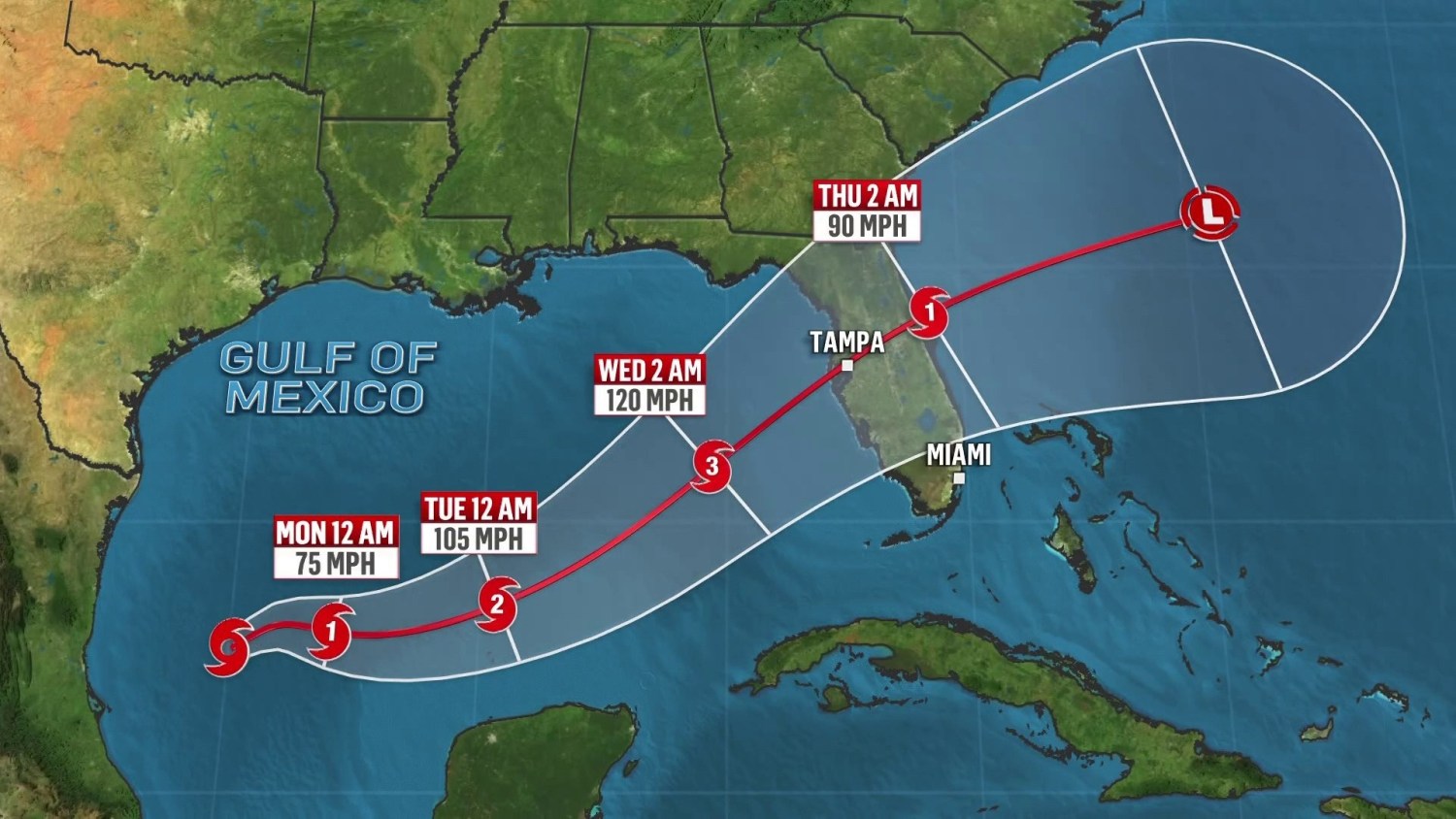
Current Forecast Models and Cone of Uncertainty
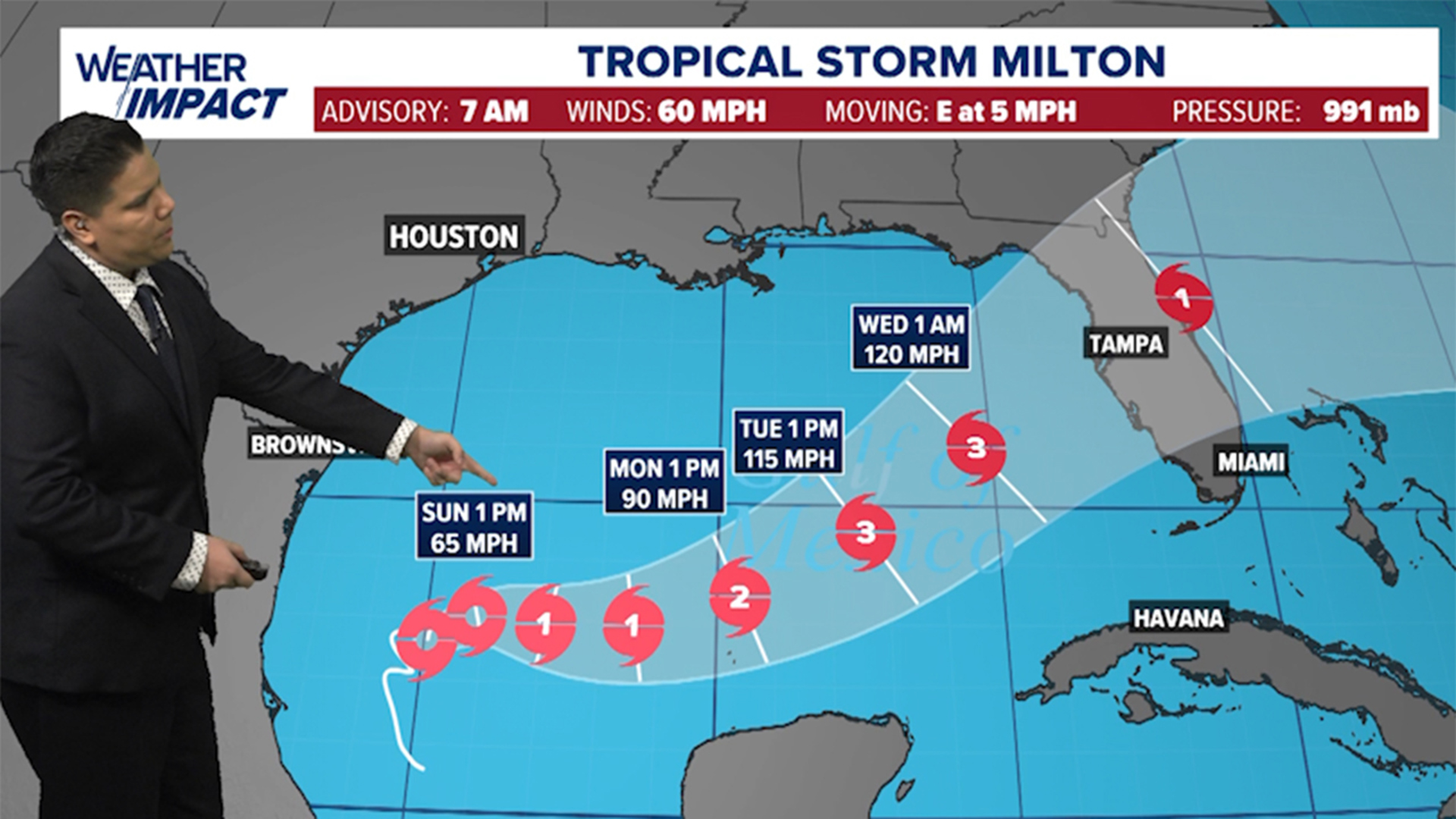
Meteorologists utilize a suite of sophisticated computer models to predict a hurricane’s path. These models, such as the European Centre for Medium-Range Weather Forecasts (ECMWF) and the Global Forecast System (GFS), provide varying but often converging insights. The NHC visualizes these projections through a “cone of uncertainty,” which represents the most probable track of the hurricane’s center. It’s vital to remember that the entire area within this cone is susceptible to hurricane-force winds, heavy rainfall, and storm surge.
Factors Influencing Hurricane Movement
Several key atmospheric steering currents influence a hurricane’s path. High-pressure systems, often referred to as “ridges,” can block or redirect storms, while troughs of low pressure can draw them northward. The presence and strength of these features, along with the storm’s internal structure and interaction with landmasses, all contribute to the dynamic evolution of its forecast track and timing. For Florida, its peninsular geography makes it vulnerable to storms approaching from both the Atlantic and the Gulf of Mexico.
Landfall Timing: A Moving Target
Predicting the exact hour and minute of landfall is exceptionally difficult. Forecasts typically provide a window of several hours, and even these can be adjusted as the storm nears the coast. Factors like the storm’s forward speed, which can fluctuate, play a significant role. A rapidly moving storm may make landfall sooner than anticipated, while a slower-moving one could linger, prolonging its impact. Travelers should consult the latest NHC advisories for the most up-to-date landfall estimates.
Implications for Travelers and Tourism
The impending arrival of Hurricane Milton has significant implications for the vibrant tourism industry in Florida and for individuals planning trips to the region. Understanding the potential impact on travel is paramount.
Advisories and Travel Disruptions
Airlines, cruise lines, and other transportation providers closely monitor hurricane activity. As a storm like Milton approaches, flight cancellations and diversions become increasingly common. Airports such as Miami International Airport and Orlando International Airport may experience widespread disruptions. Cruise ships may alter itineraries to avoid the storm’s path or to seek safe harbor. Visitors should stay in constant communication with their travel providers for the latest updates on their bookings.
Hotel and Accommodation Considerations
For those already in Florida or with reservations, understanding hotel policies and evacuation orders is critical. Many hotels have specific hurricane policies regarding cancellations, refunds, and rebooking. It is advisable to contact your hotel directly, such as the Ritz-Carlton, Naples or a smaller boutique establishment, to inquire about their protocols. In the event of mandatory evacuation orders issued by local authorities in areas like the Florida Keys or coastal communities near Tampa, guests will be required to leave their accommodations. These orders are issued for the safety of residents and visitors.
Re-routing and Alternative Destinations
Savvy travelers may consider re-routing their trips or seeking alternative destinations if Milton is projected to impact their intended location. For those who can be flexible, exploring inland cities or regions further north or west of the predicted storm track might be an option. However, it’s important to note that even inland areas can experience the secondary effects of a hurricane, such as heavy rainfall, flooding, and power outages. Always prioritize safety and heed local advisories.
Essential Preparedness and Safety Measures
When a hurricane threat is imminent, preparedness is the key to mitigating risks. This applies to both residents and tourists who find themselves in the potential path of the storm.
Staying Informed and Following Official Guidance
The most critical step is to stay informed through reliable sources. The National Hurricane Center (NHC), local news outlets, and emergency management agencies provide vital updates. Pay close attention to any evacuation orders issued by local authorities. These orders are not suggestions but mandatory directives to ensure public safety. Do not underestimate the power of a hurricane; they can cause widespread devastation.
Assembling a Disaster Preparedness Kit
A well-stocked disaster preparedness kit is essential. This should include:
- Water: One gallon per person per day for several days.
- Food: A three-day supply of non-perishable food items.
- First Aid Kit: Comprehensive and well-stocked.
- Medications: A supply of prescription and non-prescription medications.
- Flashlight and Batteries: Extra batteries are crucial.
- Radio: A battery-powered or hand-crank radio to receive emergency information.
- Sanitation and Personal Items: Wet wipes, garbage bags, and personal hygiene items.
- Tools: A wrench or pliers to turn off utilities if advised.
- Documents: Copies of important documents like insurance policies, identification, and bank records in a waterproof container.
- Cash: ATMs may not function during power outages.
For tourists, this may mean purchasing some of these items upon arrival if they were not able to pack them.
Evacuation Routes and Shelter Information
If an evacuation order is issued, it is imperative to leave immediately. Know your evacuation routes in advance. Local emergency management agencies provide detailed information on designated evacuation routes and public shelters. If you are a tourist and do not have a vehicle or a safe place to go, contact your hotel’s management or local authorities for assistance. Shelters are a last resort but can provide essential safety during the storm.
The Broader Context: Florida’s Hurricane Season
Hurricane Milton is not an isolated event but part of Florida’s annual hurricane season, which officially runs from June 1st to November 30th. Understanding the historical patterns and the potential for significant storm development can foster a proactive approach to preparedness.
Historical Hurricane Activity in Florida
Florida is the most hurricane-prone state in the United States. It has experienced more hurricanes than any other state, with a significant number making direct landfall. Notable hurricanes that have impacted the state include Hurricane Andrew in 1992, Hurricane Charley in 2004, and Hurricane Irma in 2017. Each of these storms brought widespread destruction and underscored the importance of rigorous preparation.
The Role of Climate Change
While pinpointing the exact influence of climate change on any single storm is complex, scientific consensus suggests that rising sea surface temperatures can fuel more intense hurricanes. Warmer oceans provide more energy for storms to develop and strengthen, potentially leading to stronger winds and heavier rainfall. This makes preparedness and mitigation efforts increasingly vital in the face of a changing climate.
Community Resilience and Recovery
Beyond individual preparedness, community resilience plays a crucial role in navigating hurricane impacts. This includes well-established emergency response plans, robust infrastructure, and strong social support networks. Following a storm, recovery efforts can be extensive, involving debris removal, power restoration, and rebuilding. Tourist destinations like Orlando and the coastal areas of South Florida often face significant recovery challenges. Supporting local businesses and adhering to community guidance during the recovery phase is an important aspect of resilience.
By staying informed, preparing adequately, and heeding official guidance, both residents and visitors can navigate the challenges posed by Hurricane Milton and other tropical cyclones, prioritizing safety and minimizing disruption in the beautiful yet vulnerable state of Florida.
LifeOutOfTheBox is a participant in the Amazon Services LLC Associates Program, an affiliate advertising program designed to provide a means for sites to earn advertising fees by advertising and linking to Amazon.com. Amazon, the Amazon logo, AmazonSupply, and the AmazonSupply logo are trademarks of Amazon.com, Inc. or its affiliates. As an Amazon Associate we earn affiliate commissions from qualifying purchases.