
Florida, the Sunshine State, beckons millions of travelers each year with its pristine beaches, vibrant theme parks, and rich cultural tapestry. From the bustling metropolis of Miami to the family-friendly attractions of Orlando, and the tranquil beauty of the Florida Keys, there’s a piece of paradise for everyone. However, any seasoned traveler planning a trip to this popular destination knows that understanding the ebb and flow of its weather patterns is crucial for a seamless experience. Among these patterns, one stands out for its potential impact on travel plans: hurricane season.
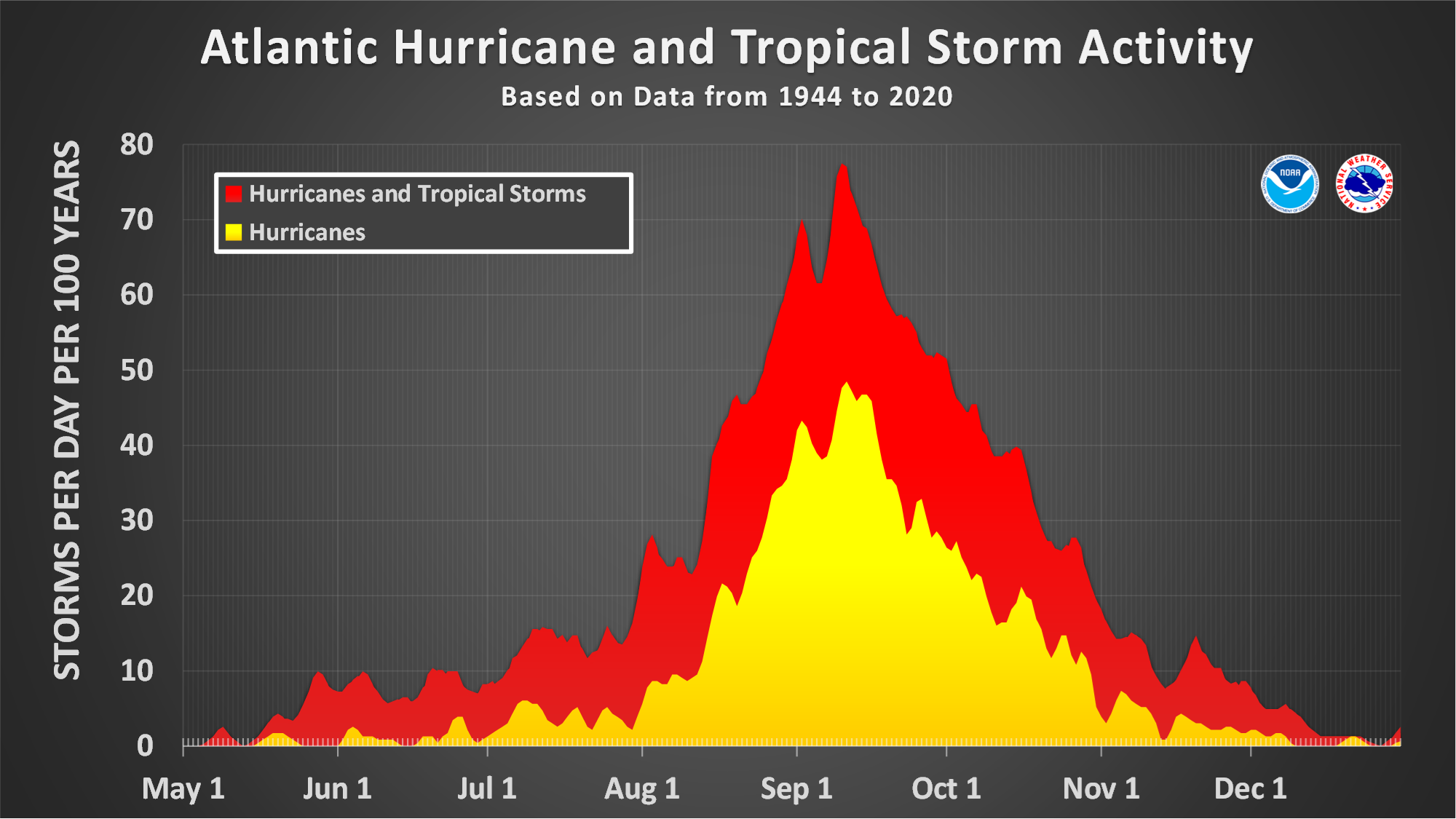
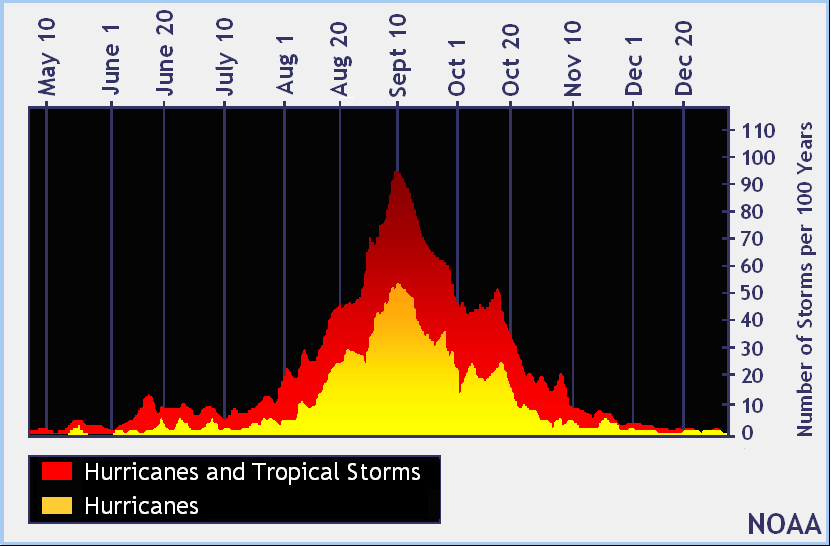
The Atlantic hurricane season officially runs from June 1st to November 30th each year. While this six-month period encompasses the entirety of the hurricane threat, the peak of the season, when the likelihood of storm development is highest, typically occurs from mid-August through late October. For Florida, a state with an extensive coastline bordering both the Atlantic Ocean and the Gulf of Mexico, this means that preparedness and awareness are key for both residents and visitors.
Navigating Florida’s tourism landscape during these months requires a nuanced approach. While the allure of off-season prices and fewer crowds can be tempting, understanding the potential risks associated with tropical storms and hurricanes is paramount. This article delves into the intricacies of Florida’s hurricane season, offering insights to help you plan your travels, choose the best time to visit, and make informed decisions for a safe and enjoyable vacation.
Understanding Florida’s Hurricane Season: Dates and Dynamics
The designation of the Atlantic hurricane season from June 1st to November 30th is a broad guideline established by the National Hurricane Center. This period is based on historical data and the meteorological conditions that favor storm development. The early and late parts of the season can still see activity, but the intensity and frequency of storms tend to ramp up as the months progress.
The Peak of the Storms: Mid-August to Late October
While the entire season warrants attention, the period between mid-August and late October is often considered the most critical for Florida. During these months, the Atlantic Ocean waters are at their warmest, providing the necessary fuel for tropical systems to form and strengthen. This is when the state is statistically most likely to experience direct impacts from hurricanes or significant tropical storm activity.
- August: While storms can and do form in August, the early part of the month is generally less active than the latter half. However, by mid-August, the conditions become more conducive to storm formation.
- September: This is historically the most active month for hurricanes in the Atlantic Basin, and Florida is often in the crosshairs. The warm ocean temperatures and favorable atmospheric patterns combine to create a high probability of tropical cyclone development.
- October: While the season technically extends through November, the intensity of hurricane activity typically begins to wane in October. However, significant storms can still occur, and Florida remains vulnerable, particularly its southern and eastern coasts.
Early and Late Season Activity: June, July, and November
The months flanking the peak also present their own set of considerations for travelers:
- June and July: These months mark the beginning of the hurricane season. While tropical activity is generally less frequent and intense compared to the peak months, storms can and have formed. Early-season storms are often less predictable in their formation and track. For travelers, this means that while the risk is lower, it’s not non-existent, and staying informed is always a good practice. Many popular attractions like Walt Disney World Resort and Universal Orlando Resort are fully operational during these months, offering a chance to visit with potentially fewer crowds than during peak times, but with the caveat of early-season storm potential.
- November: As the season draws to a close, tropical systems can still emerge. However, the cooler ocean temperatures and changing atmospheric conditions generally lead to a decrease in the frequency and intensity of storms. Nevertheless, the possibility of a late-season hurricane impacting Florida cannot be entirely discounted.
Understanding these nuances allows travelers to better gauge the potential risks and benefits of visiting Florida during different parts of the season. For instance, a visitor planning a trip to the Everglades National Park in early June might face a different set of weather considerations than someone planning a visit to Key West in late September.
Planning Your Florida Adventure: Navigating Hurricane Season
The prospect of a hurricane or tropical storm can understandably cause concern for travelers. However, with proper planning and awareness, it’s entirely possible to enjoy a fantastic Florida vacation, even during the hurricane season. The key lies in being informed, flexible, and prepared.
Choosing the Right Time to Visit: Balancing Risk and Reward
For many, the primary concern when visiting Florida during hurricane season is the risk of a storm disrupting their travel plans. However, it’s important to note that while the season is long, the actual occurrence of a direct hit by a significant storm on any given location is relatively infrequent.
- Off-Season Advantages: Traveling during the shoulder months of the hurricane season – June, early July, late October, and November – can offer several advantages. You might find lower prices on flights and accommodation at popular resorts like the Ritz-Carlton Orlando, fewer crowds at attractions like Busch Gardens Tampa Bay, and pleasant weather outside of any storm systems.
- Peak Season Considerations: If your heart is set on visiting during the prime vacation periods like summer break or fall foliage viewing in other parts of the country, understand that this coincides with the higher probability of tropical activity. Being prepared for this is essential.
- Flexibility is Key: Regardless of when you choose to travel within the hurricane season, maintaining flexibility in your plans is crucial. This might involve booking flexible flight and accommodation options or having a backup plan in case weather conditions necessitate a change of itinerary.
Travel Insurance and Accommodation Choices
When planning a trip to Florida during hurricane season, travel insurance becomes an invaluable tool.
- Comprehensive Travel Insurance: Look for policies that specifically cover weather-related cancellations, interruptions, and evacuations. This can provide a financial safety net if your trip is significantly impacted by a tropical storm or hurricane. Many travel providers and booking platforms, including those that list options for apartments and villas, offer various insurance packages.
- Accommodation Policies: When booking hotels, resorts, or vacation rentals, inquire about their hurricane policy. Many establishments offer flexible cancellation or rebooking options for guests whose travel is disrupted by named storms. This is particularly important when considering long-term stays in areas like St. Pete Beach or Fort Lauderdale. Understanding the amenities and evacuation procedures at your chosen accommodation, whether it’s a luxury suite at the Four Seasons Hotel or a family villa, is also wise.
Staying Informed: Essential Resources for Travelers
Knowledge is your greatest ally when navigating hurricane season. Staying updated on weather forecasts and advisories is paramount.
- The National Hurricane Center (NHC): This is the definitive source for tropical weather information. Their website provides forecasts, advisories, and discussions for all tropical cyclones in the Atlantic Basin.
- Local News and Emergency Management: Familiarize yourself with local news outlets and Florida’s Division of Emergency Management website for state-specific information and evacuation orders. This is crucial if you are staying in a specific city like Tampa or Jacksonville.
- Weather Apps and Alerts: Utilize reliable weather apps that provide real-time updates and push notifications for tropical storm warnings and watches.
By actively monitoring these resources, travelers can make informed decisions, whether it’s altering their travel dates, seeking shelter, or making necessary arrangements for their safety and peace of mind. This proactive approach ensures that your Florida experience, from exploring the historic architecture of St. Augustine to enjoying the nightlife in South Beach, remains enjoyable and secure.
Beyond the Storm: Embracing Florida’s Culture and Attractions
Even with the awareness of hurricane season, Florida offers a wealth of experiences that can be enjoyed throughout the year. The state’s vibrant culture, diverse activities, and stunning landmarks provide ample opportunities for exploration, regardless of the calendar.
Seasonal Activities and Local Charm
The hurricane season doesn’t diminish the allure of Florida’s rich local culture and diverse activities. Many of the state’s most beloved attractions continue to operate, often with fewer crowds and unique seasonal offerings.
- Theme Parks: Orlando’s world-renowned theme parks, including Walt Disney World Resort, Universal Orlando Resort, and SeaWorld Orlando, remain popular destinations. While weather can cause temporary closures or ride interruptions, comprehensive planning often allows for a full experience. The slightly cooler temperatures outside of the peak summer heat can even make navigating these expansive parks more comfortable.
- Beaches and Coastal Exploration: Florida’s coastline, from the serene shores of Sanibel Island to the bustling beaches of Miami Beach, offers endless opportunities for relaxation and water sports. While storm activity can impact beach conditions, there are often calm periods for enjoying the sand and surf. Exploring charming beach towns like Destin or Clearwater can be a delightful experience.
- Cultural and Historical Sites: Delve into Florida’s history by visiting landmarks like Castillo de San Marcos in St. Augustine, the oldest masonry fort in the continental United States. Explore the unique art deco architecture of Miami’s South Beach, or discover the vibrant Cuban influence in Ybor City, Tampa. These inland attractions are typically unaffected by coastal weather disturbances.
- Nature and Wildlife: Florida boasts incredible natural beauty. Explore the unique ecosystem of the Everglades National Park, go birdwatching in the numerous state parks, or enjoy a boat tour through the scenic waterways. The state’s diverse wildlife, from manatees to alligators, can be observed year-round.

Embracing Budget and Luxury Travel
Florida caters to every type of traveler, from those seeking budget-friendly adventures to those indulging in luxury experiences. The hurricane season can, in fact, present opportunities for significant savings.
- Budget Travel: Off-season travel during hurricane months often translates to lower prices on flights, accommodation, and even some attraction tickets. Travelers can find great deals on budget-friendly hotels, vacation rentals, and car hires, allowing them to stretch their travel funds further. Exploring less-visited but equally charming areas can also be a more economical choice.
- Luxury Stays and Experiences: For those seeking a more opulent escape, Florida offers world-class luxury resorts and exclusive experiences. Properties like the Don CeSar on St. Pete Beach or high-end hotels in Naples and Palm Beach provide unparalleled service and amenities. Even during hurricane season, these establishments are equipped to ensure guest comfort and safety, often offering special packages to attract visitors during the quieter months.
Ultimately, a trip to Florida during hurricane season can be just as rewarding, if not more so, than during other times of the year. By understanding the season’s dynamics, planning with flexibility and insurance, and staying informed, travelers can confidently embrace the diverse offerings of the Sunshine State, creating lasting memories in this captivating corner of the United States. Whether you’re drawn to the thrill of Gatorland or the tranquility of a private villa, Florida awaits with open arms.
LifeOutOfTheBox is a participant in the Amazon Services LLC Associates Program, an affiliate advertising program designed to provide a means for sites to earn advertising fees by advertising and linking to Amazon.com. Amazon, the Amazon logo, AmazonSupply, and the AmazonSupply logo are trademarks of Amazon.com, Inc. or its affiliates. As an Amazon Associate we earn affiliate commissions from qualifying purchases.