
California, a land of sun-kissed beaches, towering redwoods, bustling metropolises, and rugged mountains, holds an undeniable allure for travelers worldwide. Known as the Golden State, it offers a diverse tapestry of experiences, from the glamorous lights of Hollywood to the serene wilderness of Yosemite National Park. Yet, beneath this vibrant landscape lies a dynamic geological reality: California is earthquake country. This often raises a common question for prospective visitors and new residents alike: “When was the last earthquake in California?”
The simple answer is that the “last earthquake” in California likely happened mere minutes ago. The state experiences hundreds, if not thousands, of seismic events every year. The vast majority of these are minor tremors, often imperceptible to humans, detected only by sensitive instruments operated by organizations like the US Geological Survey (USGS). Therefore, the more pertinent question for travelers and those considering a lifestyle change in California is: “When was the last significant or damaging earthquake?” This article aims to address that question, offering a comprehensive look at California’s seismic activity within the context of safe and enjoyable travel, accommodation choices, and embracing the unique California lifestyle.
Understanding California’s Dynamic Landscape: A Traveler’s Perspective
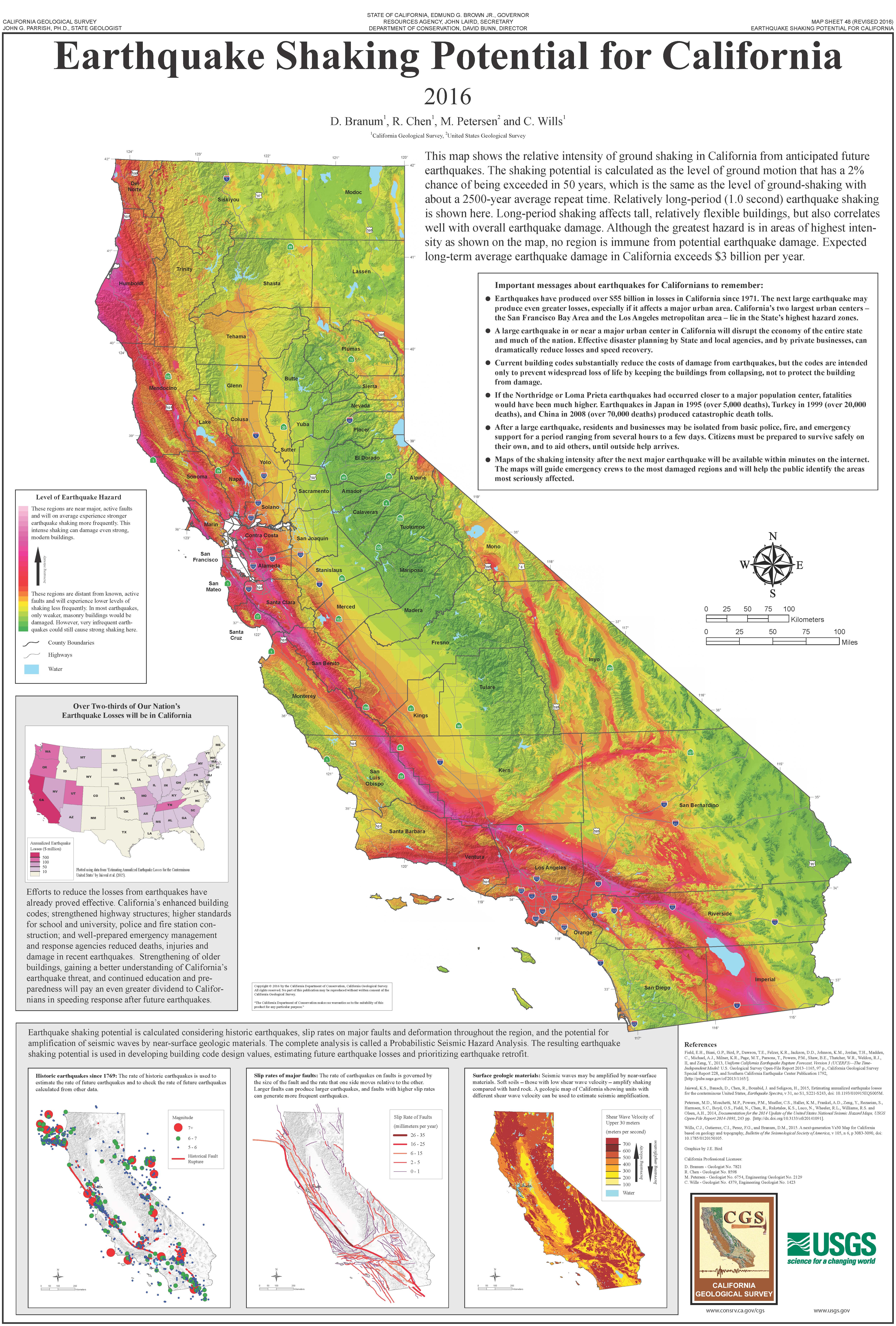
California’s position along the seismically active Pacific Rim is responsible for its dramatic and varied topography, but also its frequent seismic activity. Understanding this geological dance is crucial for anyone exploring or settling in the Golden State.
The Rhythmic Pulse of the Golden State: A Geologic Overview
At the heart of California’s seismic activity is the boundary between two colossal tectonic plates: the Pacific Plate and the North American Plate. These plates are constantly grinding past each other, primarily along the infamous San Andreas Fault, which stretches over 800 miles through the state. While the San Andreas Fault is the most well-known, California is crisscrossed by hundreds of other smaller, active fault lines, including the Hayward Fault in the San Francisco Bay Area and the Garlock Fault in Southern California.
The movement along these fault lines is rarely smooth. Instead, stress builds up over time and is periodically released in sudden bursts of energy – earthquakes. Most of these releases are small and harmless, often registering below magnitude 3.0 on the Richter scale, making them undetectable without specialized equipment. It’s these constant, minor adjustments that prevent larger, more catastrophic events from occurring more frequently. Think of it as the earth sighing and shifting, rather than constantly rumbling dramatically. This constant micro-activity is a fundamental part of the California experience, much like its sunshine or its tech innovation.
Tracking Recent Tremors: What Does “Last Earthquake” Really Mean?
When people ask about the “last earthquake,” they’re typically concerned about significant events – those strong enough to be felt widely, cause damage, or disrupt daily life. The good news is that such events are relatively infrequent, especially compared to the constant background hum of minor tremors.
As of my last update, a universally agreed-upon “last significant earthquake” is subjective, as what constitutes “significant” varies. However, one of the most recent widely felt and somewhat impactful earthquakes was the July 2019 Ridgecrest Earthquakes. This sequence included a magnitude 6.4 foreshock on July 4th, followed by a powerful magnitude 7.1 mainshock on July 5th, both centered near the town of Ridgecrest in Southern California’s Mojave Desert. While these quakes caused substantial damage in the immediate Ridgecrest area, including fires, broken water mains, and structural damage to older buildings, their impact was localized and largely in a sparsely populated region. They were felt across much of California, including Los Angeles and Las Vegas, but major urban centers experienced minimal disruption or damage thanks to modern building codes.
Before Ridgecrest, other notable earthquakes in recent memory include the 2014 South Napa Earthquake (magnitude 6.0) that caused significant damage in Napa Valley, impacting historic buildings and wineries, and the 1994 Northridge Earthquake (magnitude 6.7) in Los Angeles, which was a major urban earthquake causing widespread damage and fatalities. Going further back, the 1989 Loma Prieta Earthquake (magnitude 6.9) dramatically impacted the San Francisco Bay Area, famously causing damage to the Bay Bridge and collapsing a section of the Cypress Street Viaduct.
These events, while impactful, highlight a critical point: major, damaging earthquakes are relatively infrequent when considered over a traveler’s or resident’s typical timeframe. Decades can pass between truly devastating quakes in any given major urban center. The focus on safety in California is not about living in constant fear, but rather acknowledging geological reality and implementing robust preparedness measures that have made the state a remarkably resilient place to live and visit.
Exploring California Safely: Travel, Tourism, and Accommodation in Seismic Zones
For the millions who flock to California each year for tourism, business, or lifestyle changes, the question of earthquake safety naturally extends to practical concerns about accommodation and navigating attractions. The good news is that modern California is built with seismic resilience in mind.
Choosing Your Stay: Hotels, Resorts, and Earthquake Preparedness
When planning your trip to California, whether you’re looking for a luxury suite in Beverly Hills, a quaint bed-and-breakfast in Carmel-by-the-Sea, a family resort near Disneyland, or a long-term apartment stay in San Jose, rest assured that the state has some of the most stringent building codes in the world. These codes are continually updated, incorporating lessons learned from past seismic events and cutting-edge engineering.

Modern hotels, particularly those built in the last few decades, are designed with advanced seismic retrofitting, using flexible steel frames, base isolation systems, and other technologies that allow them to sway and absorb earthquake energy rather than resisting it rigidly. Iconic hotels in cities like San Francisco and Los Angeles, including grand establishments and boutique hotels, have undergone extensive retrofitting to ensure guest safety. When booking accommodation, especially in larger cities, you can generally trust that established properties meet or exceed current safety standards. Travelers seeking extra peace of mind can choose newer constructions or properties that explicitly mention recent renovations or seismic upgrades. For those considering long-term accommodation, similar principles apply to apartment buildings and rental properties in urban areas.
Resorts, often sprawling complexes with diverse amenities, also adhere to these strict standards, with safety protocols extending to pools, recreational facilities, and dining areas. The focus of the California hospitality industry is to provide a safe and comfortable experience, integrating preparedness into their operational fabric. From luxurious villas in Malibu to budget-friendly stays in Sacramento, the emphasis on structural integrity is paramount.
Navigating Destinations: Landmarks, Attractions, and Resilience
California’s most famous landmarks and tourist attractions are not just aesthetically pleasing; they are also designed or reinforced to withstand seismic events. Consider the engineering marvel of the Golden Gate Bridge, a symbol of San Francisco. This iconic structure has undergone extensive seismic retrofitting, making it robust against strong tremors. Similarly, attractions like Universal Studios Hollywood, Disneyland Park, the Santa Monica Pier, and the Griffith Observatory in Los Angeles have rigorous safety inspections and emergency plans in place. Their infrastructure is regularly evaluated and upgraded to ensure visitor safety.
Even natural wonders, while not “built,” are managed with safety in mind. National Parks like Yosemite National Park, Death Valley National Park, Joshua Tree National Park, and Sequoia National Park have park rangers and emergency services trained to respond to various natural hazards, including earthquakes and potential landslides. While hiking Big Sur or enjoying the serenity of Lake Tahoe, awareness of your surroundings and basic preparedness are always prudent, but the overall risk from a sudden, damaging earthquake during a typical visit remains low. The state’s dedication to maintaining its tourism infrastructure against seismic challenges means you can focus on enjoying the rich history of Alcatraz Island or snapping a photo with the Hollywood Sign with confidence.
Preparedness for the Prudent Traveler: Lifestyle and Peace of Mind
While the chances of experiencing a significant earthquake during your visit or stay in California are statistically low, being prepared is a hallmark of responsible travel and a prudent lifestyle choice. It’s about knowledge, not fear.
Simple Steps for Earthquake Safety: Before, During, and After
For visitors and residents alike, understanding basic earthquake safety protocols can provide immense peace of mind. The mantra for earthquake safety is “Drop, Cover, and Hold On.”
- Drop: As soon as you feel shaking, drop to your hands and knees. This position protects you from being thrown down and allows you to crawl to shelter.
- Cover: Get under a sturdy piece of furniture, like a strong table or desk. If no shelter is nearby, cover your head and neck with your arms. Stay away from windows, hanging objects, and tall furniture that could fall.
- Hold On: Stay put until the shaking stops. If you’re under a table, hold onto one of its legs so it doesn’t move away from you.
Before Your Trip/Stay:
- Familiarize yourself with the layout of your hotel room, apartment, or immediate surroundings. Identify exits.
- Note where heavy objects are located (e.g., bookshelves, TVs) and avoid positioning yourself directly beneath them.
- Consider downloading an earthquake early warning app, like the “MyShake” app in California, which can provide a few seconds of warning before shaking begins.
After the Shaking Stops:
- Take a moment to assess your surroundings.
- If you’re in a hotel, wait for instructions from staff.
- Check for injuries and administer first aid if necessary.
- Be prepared for aftershocks.
- If you’re in a car, pull over to a clear spot away from buildings, trees, overpasses, and power lines. Stay inside until the shaking stops.
- If you’re outdoors, move to an open area away from buildings, power lines, and anything that could fall.
The California Earthquake Authority (CEA) and local emergency services provide extensive resources and guidelines for preparedness. Integrating this knowledge into your travel tips and daily routine in California is a wise lifestyle choice, empowering you rather than creating anxiety.
Embracing the California Lifestyle: Beyond the Tremors
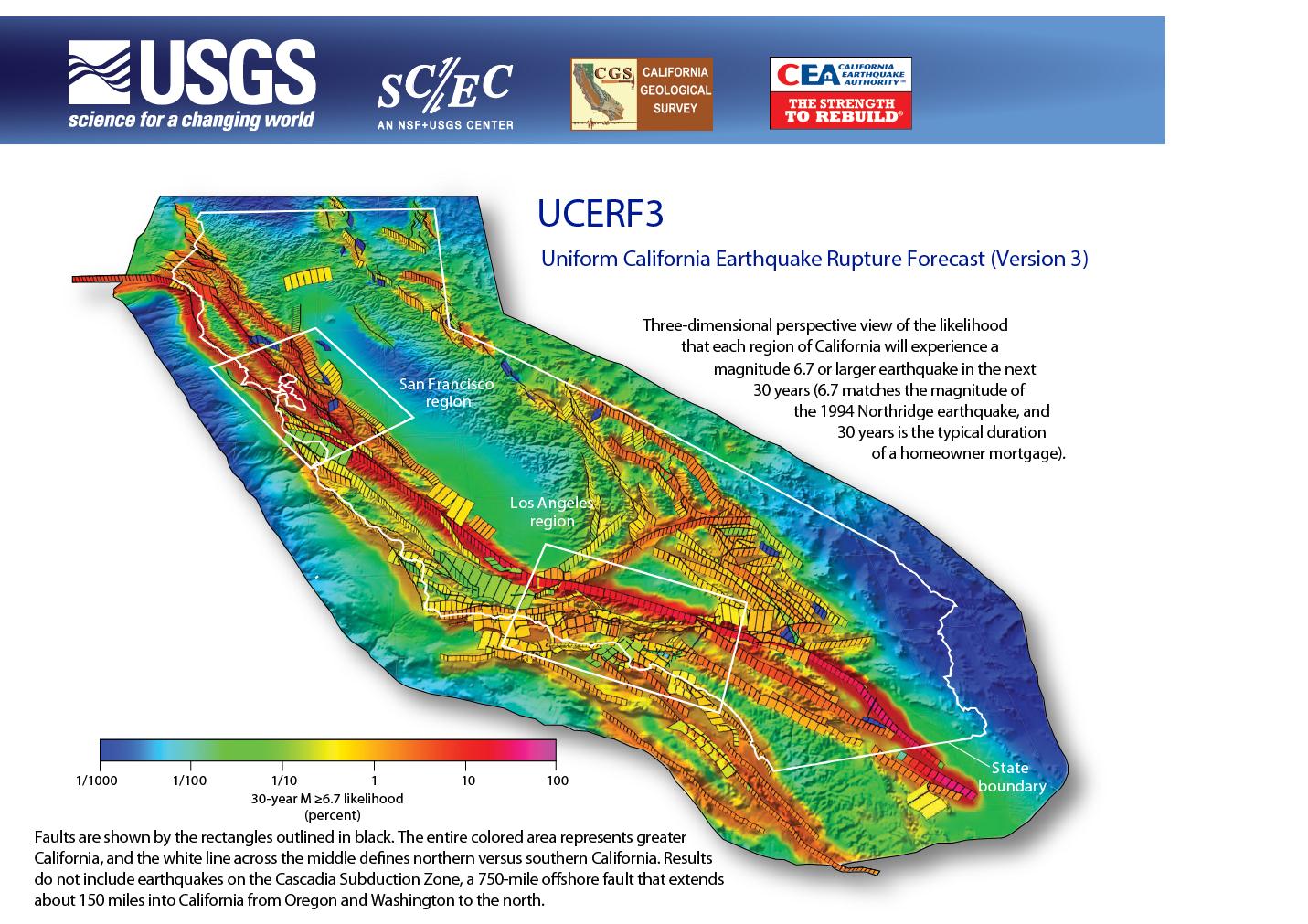
Ultimately, the vibrancy of California far outweighs the statistically low risk of experiencing a damaging earthquake during your visit. The state continues to thrive as a global hub for innovation, culture, culinary delights, and unparalleled natural beauty. Millions of people live, work, and travel here every day, largely unconcerned about the constant minor tremors that are simply a part of the landscape.
Embrace the lifestyle: savor the farm-to-table cuisine in San Diego, explore the art scene in Oakland, surf the waves in Huntington Beach, or discover the rich history of the Gold Country. California’s appeal lies in its dynamic energy – a characteristic reflected not just in its innovative spirit but also in its geological foundation.
While the “last earthquake” in California was likely very recent and insignificant, the state’s robust infrastructure, advanced building codes, and comprehensive preparedness strategies ensure that its residents and visitors can enjoy its abundant offerings with confidence. With a little understanding and basic preparation, your journey through the Golden State will be filled with unforgettable experiences, focusing on its countless wonders rather than its subterranean rumbles. So pack your bags, choose your adventure, and discover why California remains one of the world’s most captivating destinations.
LifeOutOfTheBox is a participant in the Amazon Services LLC Associates Program, an affiliate advertising program designed to provide a means for sites to earn advertising fees by advertising and linking to Amazon.com. Amazon, the Amazon logo, AmazonSupply, and the AmazonSupply logo are trademarks of Amazon.com, Inc. or its affiliates. As an Amazon Associate we earn affiliate commissions from qualifying purchases.