
New Orleans, the vibrant heart of Louisiana and one of the most unique cities in the United States, is renowned for many things: its intoxicating [Jazz](https://lifeoutofthebox.com/jazz music), its soulful Creole cuisine, its historic architecture, and the effervescent spirit of Mardi Gras. What it is decidedly not known for, however, is snow. The very idea of the French Quarter‘s wrought-iron balconies dusted in white, or the mighty Mississippi River banks transformed into a winter wonderland, seems like a whimsical dream, far removed from the city’s subtropical reality. Yet, this rare phenomenon does occur, albeit infrequently, making each snowfall a memorable event etched into the city’s collective memory. For travelers accustomed to chilly winters and snowy landscapes, the question of when the last snowflake graced New Orleans becomes a fascinating point of curiosity.

A Glimpse into New Orleans’ Rare Winter Wonderland
The allure of a city like New Orleans is intrinsically tied to its warmth, both in climate and character. Located close to the Gulf of Mexico, the city experiences mild winters, high humidity, and rarely sees temperatures dip low enough for precipitation to turn into snow. This makes every genuine snowfall a significant meteorological anomaly, often accompanied by widespread excitement and disbelief. When the weather gods do decide to sprinkle some white magic on the Crescent City, it’s a spectacle that halts daily routines and brings out the childlike wonder in even the most seasoned locals. The contrast between the typically verdant palms and oak trees draped in Spanish moss against a canvas of white is truly something to behold, offering a unique photographic opportunity for visitors lucky enough to be present. It transforms familiar landmarks into ethereal scenes, prompting residents and tourists alike to step outside and revel in the extraordinary moment.
The Most Recent Snowfall: December 8, 2017
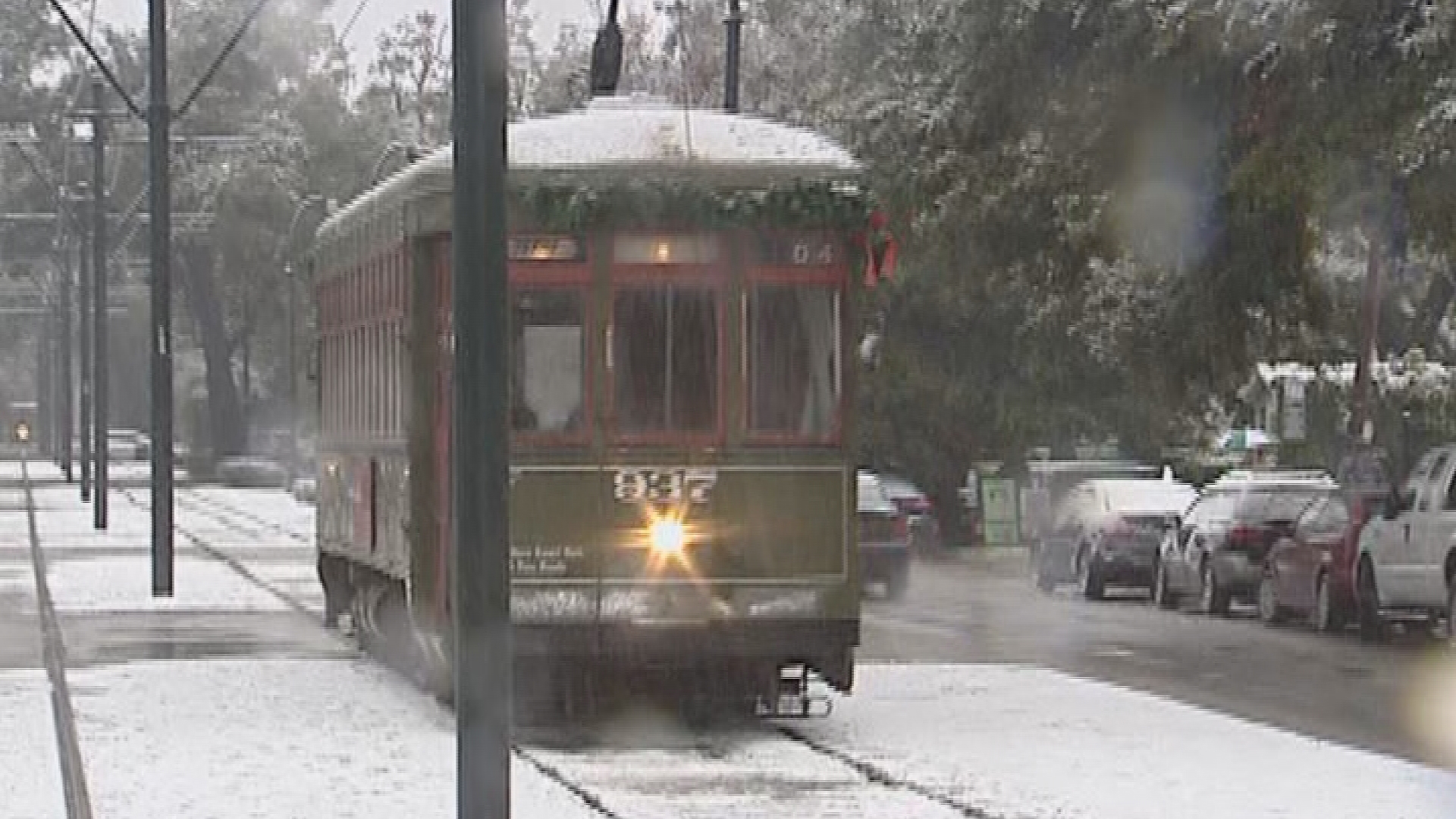
The most recent memorable snowfall in New Orleans occurred on December 8, 2017. While it wasn’t a blizzard by any stretch of the imagination, a light dusting blanketed parts of the metro area, creating a stunning and unexpected scene. Residents woke up to find rooftops, cars, and even some of the iconic antebellum homes in the Garden District adorned with a delicate layer of white. The event, though brief and mostly confined to a dusting, caused widespread delight. Social media buzzed with photos and videos of children attempting to build tiny snowmen and adults marveling at the unusual sight. For many younger residents, it was their very first encounter with snow in their hometown, an experience often reserved for distant mountain trips or holiday movies.
The snow that fell in 2017 was a cold-weather event driven by a strong cold front that pushed south, bringing temperatures down to freezing levels, coupled with sufficient moisture. This rare combination allowed for the formation of snow rather than the usual winter rain. Though the accumulation was minimal – mostly just a thin, picturesque covering – it was enough to spark joy and curiosity. It served as a stark, yet beautiful, reminder of how unique New Orleans’s climate truly is and how cherished these rare moments are. For travelers exploring the city, witnessing such an event would undoubtedly become a highlight of their trip, a story to tell that few others could replicate. Imagine sipping a warm chicory coffee and enjoying beignets at Café Du Monde while watching delicate snowflakes fall over Jackson Square – a truly once-in-a-lifetime experience.
Historic Snowfall Events: A Look Back
While December 2017 was the most recent, it wasn’t the first time snow graced the streets of New Orleans. The city has a fascinating, albeit sparse, history of winter precipitation, with some events being far more significant than others.
One of the most notable snowfalls in recent memory occurred on Christmas Day, 2004. This was a truly magical event, as a more substantial layer of snow (around 1 to 2 inches in some areas) fell, transforming the city into a genuine holiday card scene. For a city that celebrates the festive season with lights and cheer but rarely cold weather, a white Christmas was an extraordinary gift. Families ventured out to make snow angels, engage in impromptu snowball fights, and capture precious memories. The snow blanketed famous landmarks like St. Louis Cathedral and the sprawling grounds of Audubon Park, offering a breathtaking alternative perspective on these beloved spots. This particular snowfall resonated deeply with locals and added a unique chapter to the city’s already rich history.
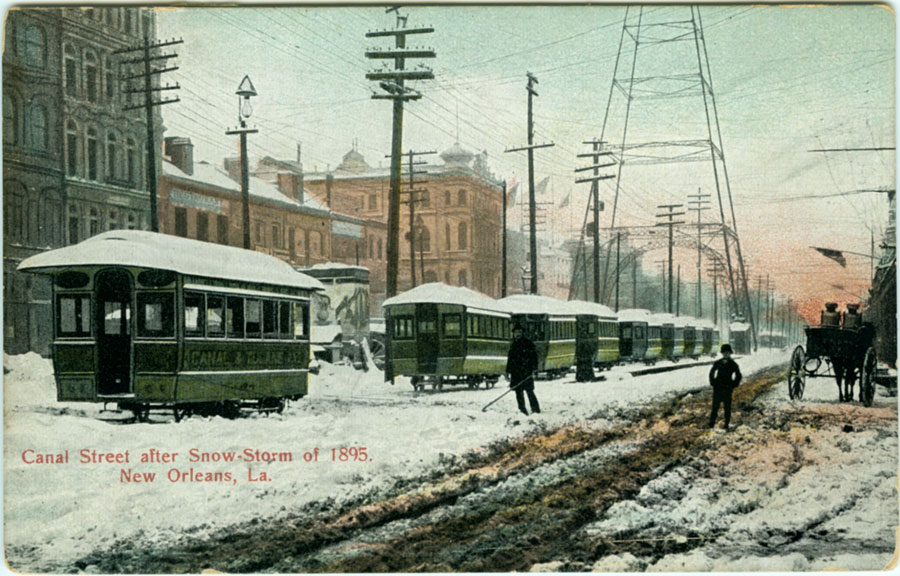
However, the “Great Snow” of February 14-15, 1895, remains the benchmark for heavy snowfall in New Orleans. During this unprecedented event, the city received a staggering 8.2 inches of snow, virtually shutting down all activity. It was a crippling event that shocked residents and brought the city to a standstill. Reports from that era describe snowdrifts, frozen pipes, and people navigating the streets on sleds. The 1895 snowfall serves as a powerful testament to just how much the city’s climate can occasionally deviate from its norm, albeit under very specific and rare atmospheric conditions. Other minor dustings and flurries have been reported throughout the 20th and 21st centuries, often barely accumulating but always generating buzz and excitement. These rare occurrences underscore the city’s unique position, a place where a fleeting glimpse of snow is cause for celebration and a truly memorable experience for any visitor.
The Allure of New Orleans Beyond the Winter Chill
While the prospect of snow in New Orleans is a captivating rarity, the city’s enduring charm lies in its consistent warmth and vibrant energy, regardless of the season. Travelers flock to the Crescent City year-round, drawn by its inimitable culture, historical richness, and unparalleled atmosphere. The true magic of New Orleans is found in its daily rhythms, its celebratory spirit, and its deep connection to its past. Understanding this daily vibrancy is key to appreciating why a city so rarely touched by snow remains one of the world’s most desirable destinations. From the rhythmic sounds of street musicians in the French Quarter to the tantalizing aromas wafting from acclaimed restaurants, New Orleans offers a sensory feast that far transcends mere weather patterns.
A Culinary Journey Through the Crescent City
No visit to New Orleans is complete without embarking on a comprehensive culinary journey. The city is a gastronomic paradise, famous for its distinct Cajun and Creole cuisine, a flavorful fusion of African, French, Spanish, and Caribbean influences. Staples like rich, savory gumbo, spicy jambalaya, and crispy po’boys are more than just food; they are an integral part of the city’s identity and heritage.
Visitors can indulge in world-class dining experiences at institutions like Commander’s Palace in the Garden District, renowned for its award-winning Creole dishes and legendary Jazz brunches. For a more casual yet equally iconic experience, a trip to Café Du Monde for powdery beignets and café au lait is mandatory, offering a taste of New Orleans’s sweet traditions. Beyond the famous names, countless local eateries, food trucks, and neighborhood joints offer authentic flavors, from hearty breakfast dishes to fresh seafood caught directly from the Gulf of Mexico. Exploring the food scene is not just about eating; it’s about connecting with the local culture, understanding its history, and savoring the vibrant “joie de vivre” that permeates every dish. Culinary tours are a popular way for visitors to delve deeper into these traditions, learning about the ingredients, techniques, and stories behind New Orleans’s cherished recipes.
Music, Culture, and Iconic Landmarks
Beyond its culinary delights, New Orleans is a living museum of music, art, and history. It is, after all, the birthplace of Jazz, and its streets constantly echo with melodies. A stroll down Bourbon Street offers a cacophony of sounds from various clubs, while a visit to Preservation Hall provides an intimate, authentic Jazz experience, preserving the traditional sounds of the genre. Live music pours out of countless venues in the French Quarter, Faubourg Marigny, and Bywater, inviting visitors to dance and celebrate into the early hours.
The city’s architectural grandeur is another major draw. The pastel-hued buildings and intricate ironwork of the French Quarter, the stately mansions of the Garden District, and the historic shotgun houses of neighborhoods like Treme each tell a unique story. Iconic landmarks like St. Louis Cathedral overlooking Jackson Square are must-sees, offering glimpses into the city’s rich past. Cultural events and festivals, most notably Mardi Gras and the New Orleans Jazz & Heritage Festival, draw millions annually, showcasing the city’s unparalleled ability to celebrate life with unmatched exuberance. Beyond these major events, smaller neighborhood festivals, art walks in the Arts District and Warehouse District, and the vibrant local arts scene ensure there’s always something engaging to experience. The rich tapestry of local culture, from Voodoo traditions to second-line parades, makes New Orleans a destination that constantly surprises and delights.
Planning Your New Orleans Escape: Accommodation and Experiences
For anyone planning a visit to this captivating city, understanding the diverse range of accommodation options and experiences available is key to crafting the perfect itinerary. New Orleans caters to every taste and budget, from opulent luxury to charming, historic stays. Whether you’re seeking a romantic getaway, a family adventure, or a solo exploration, the city’s offerings are as varied as its cultural heritage. Careful planning allows visitors to immerse themselves fully in the unique ambiance that only New Orleans can provide, ensuring a memorable experience long after the final notes of Jazz fade from memory.
Where to Stay: Hotels, Resorts, and Unique Stays
New Orleans boasts an impressive array of accommodation choices, each offering a distinct flavor of the city. For those seeking luxury and historic grandeur, establishments like The Roosevelt New Orleans, A Fairmont Hotel, on Canal Street, offer a blend of opulent amenities and a storied past. Another iconic choice is the Hotel Monteleone in the French Quarter, famous for its Carousel Bar and its literary connections. The Royal Sonesta Hotel, also on Bourbon Street, provides a luxurious retreat right in the heart of the action, with elegant courtyards and world-class dining.
Beyond the grand hotels, New Orleans excels in boutique accommodations and charming Bed and Breakfasts. These smaller, more intimate settings, often housed in beautifully preserved historic homes in neighborhoods like the Garden District or Faubourg Marigny, offer a personalized touch and a deeper immersion into the local culture. Travelers can find anything from quaint guesthouses with lush courtyards to modern apartments offering self-catering convenience. When choosing accommodation, consider the neighborhood’s vibe: the French Quarter for historical ambiance and nightlife, the Garden District for elegant tranquility, or the Central Business District for proximity to the National WWII Museum and contemporary attractions. Many hotels offer unique amenities such as rooftop pools, live Jazz clubs, and renowned restaurants, making your stay an integral part of your New Orleans experience.
Crafting Your Perfect Itinerary: Tips for Travelers
To make the most of your New Orleans adventure, strategic planning is essential. The best time to visit is typically during the cooler, drier months from February to May or October to December, avoiding the intense summer heat and the peak of hurricane season (June to November). While Mardi Gras and Jazz Fest offer unparalleled cultural experiences, they also bring massive crowds and higher prices, so booking well in advance is crucial if you plan to visit during these times.
Beyond the obvious attractions, consider diversifying your activities. Take a historic streetcar ride down St. Charles Avenue to admire the grand mansions, or embark on a relaxing Mississippi River steamboat cruise. Swamp tours offer a fascinating glimpse into Louisiana’s unique ecosystem, complete with alligators and diverse wildlife. For a dose of the macabre, ghost and cemetery tours delve into the city’s mysterious past. Don’t forget to explore neighborhoods beyond the French Quarter, such as the thriving art scene in the Warehouse District or the charming ferry ride to Algiers Point for stunning skyline views. Transportation within the city is relatively easy, with walkable districts, historic streetcars, and ride-sharing services readily available. Comfortable shoes are a must, as much of the city’s charm is best discovered on foot. Whether you’re interested in history, music, food, or just soaking in a unique atmosphere, New Orleans offers a wealth of experiences waiting to be discovered.
The Charm of New Orleans: A City of Enduring Warmth
Ultimately, the occasional, rare snowfall in New Orleans serves as a delightful anomaly, a fleeting moment of unexpected beauty in a city celebrated for its consistent warmth – both in climate and in spirit. While a white dusting might make for captivating photographs and stories, it is not what defines this extraordinary destination. New Orleans is a city that thrives on its unique blend of history, culture, and an undeniable zest for life. Its vibrant street scenes, the soulful notes of Jazz, the irresistible aromas of Creole cuisine, and the genuine hospitality of its people create an atmosphere that is perpetually inviting and unforgettable.
Whether you visit during the bustling season of Mardi Gras, the musical celebrations of Jazz Fest, or a quiet week exploring its historic neighborhoods, New Orleans promises an experience unlike any other. It’s a place where every corner holds a story, every meal is a celebration, and every moment is imbued with a distinctive magic. So, while snow might be a fascinating topic of conversation, the true enduring charm of New Orleans lies in its inherent warmth, its resilience, and its unwavering invitation to all who seek a truly authentic and enriching travel experience. Come discover the city that dances to its own beat, where the only thing more abundant than history is hospitality.
LifeOutOfTheBox is a participant in the Amazon Services LLC Associates Program, an affiliate advertising program designed to provide a means for sites to earn advertising fees by advertising and linking to Amazon.com. Amazon, the Amazon logo, AmazonSupply, and the AmazonSupply logo are trademarks of Amazon.com, Inc. or its affiliates. As an Amazon Associate we earn affiliate commissions from qualifying purchases.