
For many planning a trip to California, the question of seismic activity often arises, tinged with curiosity and perhaps a touch of apprehension. While no one can predict the precise timing of the next significant seismic event, understanding California’s geological reality is an essential part of responsible tourism planning. Rather than deterring visitors, this understanding can empower them to enjoy the Golden State’s unparalleled beauty, vibrant culture, and diverse attractions with confidence, equipped with practical knowledge and preparedness strategies. California remains one of the world’s most sought-after tourist destinations, a testament to its enduring appeal despite its dynamic geology.

Understanding California’s Seismic Landscape for Tourists
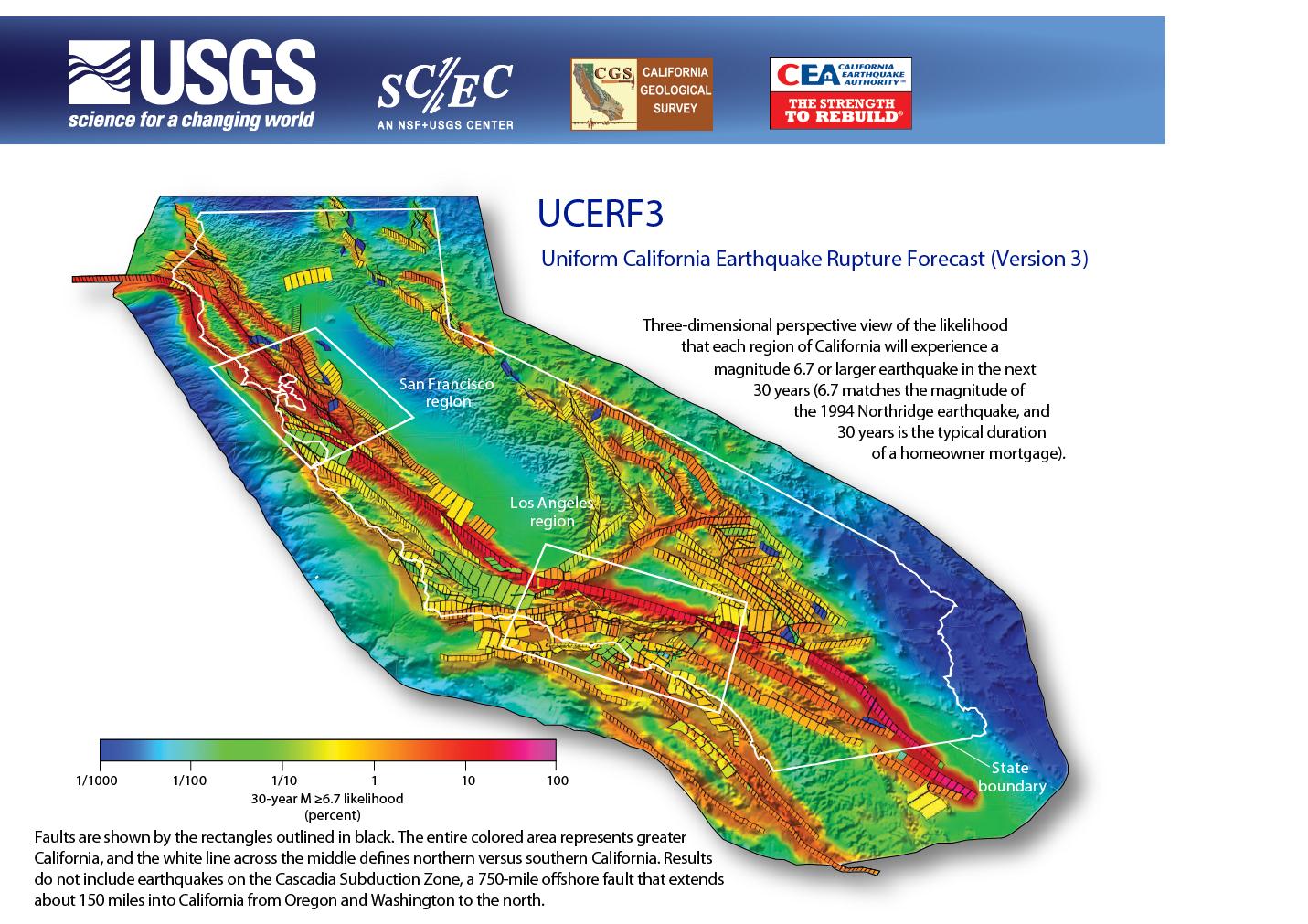
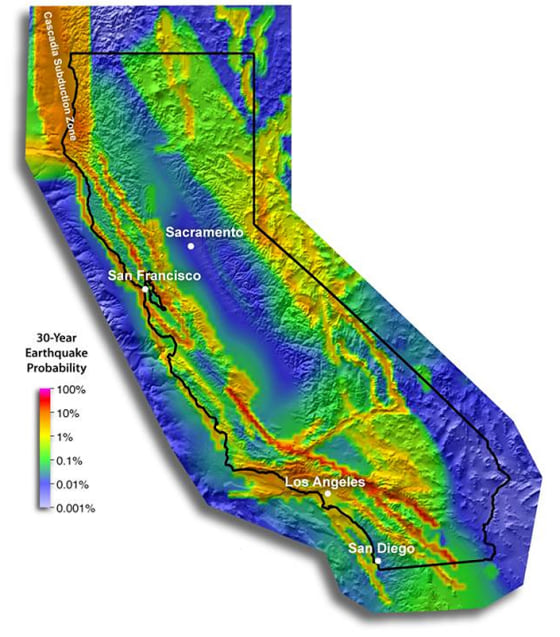
California sits on the eastern edge of the Pacific Ring of Fire, a horseshoe-shaped zone known for its intense seismic and volcanic activity. This geographical positioning means the state is crisscrossed by numerous fault lines, most famously the San Andreas Fault. While the idea of a “big one” often looms large in public consciousness, it’s crucial for tourists to grasp the nuances of seismic activity in the region.
The Pacific Ring of Fire and the San Andreas Fault
The San Andreas Fault is a continental transform fault that extends roughly 800 miles through California. It marks the tectonic boundary between the Pacific Plate and the North American Plate. The movement of these massive plates against each other is the primary cause of earthquakes in California. While the San Andreas is the most famous, many other active faults contribute to the state’s seismic profile. For tourists, this means that while the landscape is breathtaking, it’s also geologically active. Visitors interested in geology can even explore visible sections of the San Andreas Fault at various points, offering a unique educational experience.
The Reality of Tremors vs. Major Events
It’s important to differentiate between the frequent, minor tremors that are a daily occurrence in parts of California and the less frequent, but more significant, major earthquakes. Most earthquakes felt by residents and visitors are minor, causing little to no damage, often registering below a magnitude of 4.0. These smaller quakes are a regular part of life and usually pass without incident. The risk of experiencing a truly destructive earthquake during a typical tourist visit, which might last a week or two, is statistically low. However, being prepared for any eventuality is the cornerstone of responsible tourism, ensuring peace of mind while exploring. California’s building codes are among the strictest in the world, designed to ensure structures can withstand significant seismic forces, especially in major urban centers like Los Angeles and San Francisco.
Preparedness for Visitors: A Tourist’s Guide
For tourists, preparedness isn’t about fear; it’s about smart planning and awareness. Integrating simple safety measures into your travel itinerary can significantly enhance your sense of security and ability to react appropriately should a seismic event occur.
Pre-Trip Planning: Research and Resources
Before departing for California, take a few moments to familiarize yourself with basic earthquake safety protocols. Resources from the California Office of Emergency Services (CalOES) or organizations like the Earthquake Country Alliance offer invaluable tips. Know the “Drop, Cover, and Hold On” procedure, which is the immediate action to take during an earthquake. Consider downloading emergency alert apps specific to California that can provide warnings or post-event information. Inform family or friends of your travel plans and contact information, and ensure you have digital and physical copies of important documents. Checking travel insurance policies to understand coverage for natural disasters is also a prudent step.
During Your Stay: Immediate Actions and Safety Protocols
If an earthquake occurs while you are touring, remember “Drop, Cover, and Hold On.”
- Drop to your hands and knees.
- Cover your head and neck with your arms. If possible, crawl under a sturdy table or desk.
- Hold On to your shelter until the shaking stops.
If you are outdoors, move to an open area away from buildings, power lines, and trees. If driving, pull over to a clear spot and stay in your vehicle with your seatbelt fastened until the shaking stops. Most reputable hotels, resorts, and attractions in California, from the Disneyland Resort to museums in San Francisco, have established emergency procedures and trained staff. Pay attention to safety briefings and locate emergency exits and designated assembly points upon arrival at your accommodation.
Post-Event: What to Expect
After an earthquake, expect aftershocks, which can range from barely perceptible tremors to significant shakes. Remain calm and check for injuries. If you are safe, provide assistance to others if you are trained and it is safe to do so. Listen to local news, radio, or emergency alerts for instructions. Communications might be disrupted, so a pre-arranged out-of-state contact person can be helpful for checking in with family. Expect potential disruptions to travel, public transportation, and services. Following official guidance is paramount for your safety and to assist with recovery efforts. California’s emergency services are highly organized and experienced in responding to such events.
Exploring California Safely: Destinations and Resilience
California’s diverse tourism offerings span bustling metropolises and serene natural landscapes. Each presents unique considerations for seismic safety, yet all operate with an underlying commitment to resilience.
Urban Centers: Los Angeles and San Francisco
Cities like Los Angeles and San Francisco are engineering marvels, with infrastructure designed to withstand seismic activity. Iconic structures such as the Golden Gate Bridge have undergone extensive retrofitting to enhance their earthquake resistance. Modern buildings are constructed with flexible frames that allow them to sway rather than crack. When visiting attractions like the Hollywood Walk of Fame, the Getty Center, or exploring San Francisco’s vibrant neighborhoods, tourists are generally well-protected by robust building standards and city-wide emergency plans. Familiarize yourself with the layout of specific attractions you plan to visit, noting emergency exits and staff guidance.
Coastal Retreats and Natural Parks: Big Sur, Yosemite National Park
Beyond the cities, California’s natural wonders also factor seismic considerations into their management. Driving the scenic Highway 1 along Big Sur or hiking in Yosemite National Park, Sequoia National Park, or Death Valley National Park requires a slightly different approach to earthquake preparedness. In remote areas, the primary concern might be falling rocks, landslides, or access roads becoming impassable. Park services and local authorities regularly monitor conditions and provide safety advisories. Before embarking on wilderness excursions, check park websites for current conditions and alerts. Carry an emergency kit with water, food, and a first-aid kit, and let someone know your itinerary. For destinations like Catalina Island or along the shores of Lake Tahoe and Palm Springs, understanding local evacuation routes (especially for tsunamis in coastal areas, though a major tsunami from a California earthquake is rare) is beneficial.
Beyond the Quake: California’s Enduring Allure
The periodic reality of earthquakes does not diminish California’s status as a world-class tourist destination. Instead, it underscores the state’s dynamic nature and the resilience of its communities and infrastructure.
How Local Culture Embraces Resilience
Californians have long adapted to living with seismic activity. Preparedness is ingrained in local culture, from public service announcements to school drills. This resilience extends to the tourism sector, which is adept at managing potential disruptions and prioritizing visitor safety. Many locals can share stories of minor tremors with a shrug, showcasing a pragmatic acceptance of their natural environment. This collective preparedness means that, as a tourist, you are entering an environment where safety is a recognized and managed aspect of daily life.
California Tourism: Open for Business
Ultimately, the question of “when” the next big earthquake will strike in California is unanswerable. What is certain, however, is California’s unwavering commitment to safety and its continuous welcome to visitors from around the globe. From the beaches of San Diego to the vineyards of Napa Valley, and the towering redwoods of Northern California, the state offers an unparalleled array of experiences. By embracing a mindful approach to travel that includes basic preparedness, tourists can confidently immerse themselves in all that California has to offer, focusing on the joy of discovery rather than undue concern. The state’s vibrant tourism industry, supported by robust safety measures and resilient communities, eagerly awaits your visit.
LifeOutOfTheBox is a participant in the Amazon Services LLC Associates Program, an affiliate advertising program designed to provide a means for sites to earn advertising fees by advertising and linking to Amazon.com. Amazon, the Amazon logo, AmazonSupply, and the AmazonSupply logo are trademarks of Amazon.com, Inc. or its affiliates. As an Amazon Associate we earn affiliate commissions from qualifying purchases.