
Florida, the Sunshine State, is a beloved destination for millions, drawing visitors with its pristine beaches, vibrant theme parks, and lush natural landscapes. However, even in this tropical paradise, the weather can play a significant role in shaping your travel experience. One of the most common questions for those planning a trip to Florida is about its rainy season. Understanding when these wetter periods occur can help you pack appropriately, plan your activities, and make the most of your vacation, whether you’re seeking the thrill of Disney World or the tranquility of the Everglades National Park.
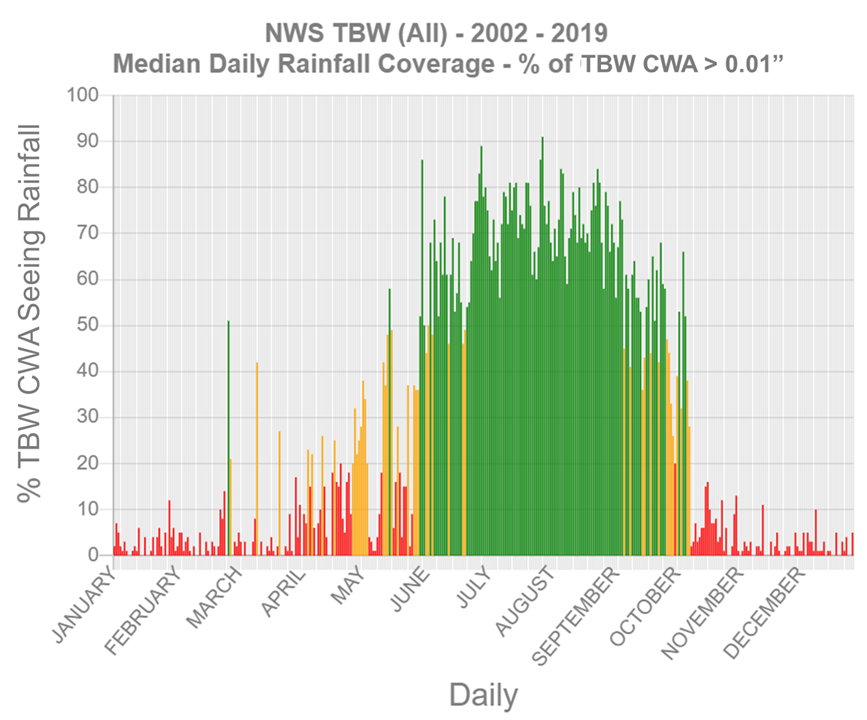
The concept of a “rainy season” in Florida isn’t quite like the monsoon seasons experienced in other parts of the world, where prolonged, heavy downpours are the norm for extended periods. Instead, Florida’s climate is characterized by a distinct shift in rainfall patterns, primarily influenced by its subtropical location and the proximity of the Atlantic Ocean and the Gulf of Mexico. For the most part, the Sunshine State enjoys pleasant weather year-round, but there’s a noticeable uptick in precipitation during certain months. This article will delve into the specifics of Florida’s rainy season, helping you navigate its nuances for a more enjoyable trip.
Understanding Florida’s Weather Patterns
Florida’s weather is largely dictated by its subtropical climate, which means it experiences warm temperatures year-round with distinct wet and dry seasons. The state is divided into several climate zones, from the panhandle with its more temperate influences to the tropical south. However, the general pattern of rainfall is fairly consistent across the state, with variations in intensity and duration.
The Summer Wet Season: A Daily Occurrence
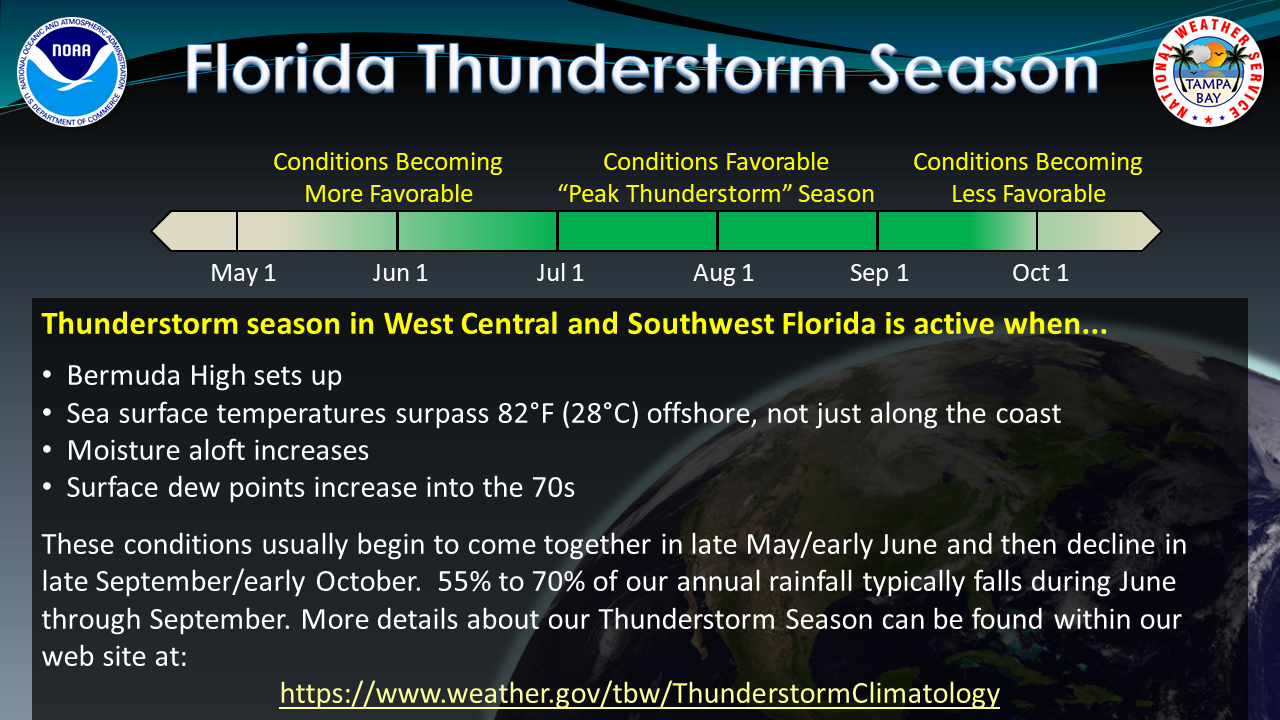
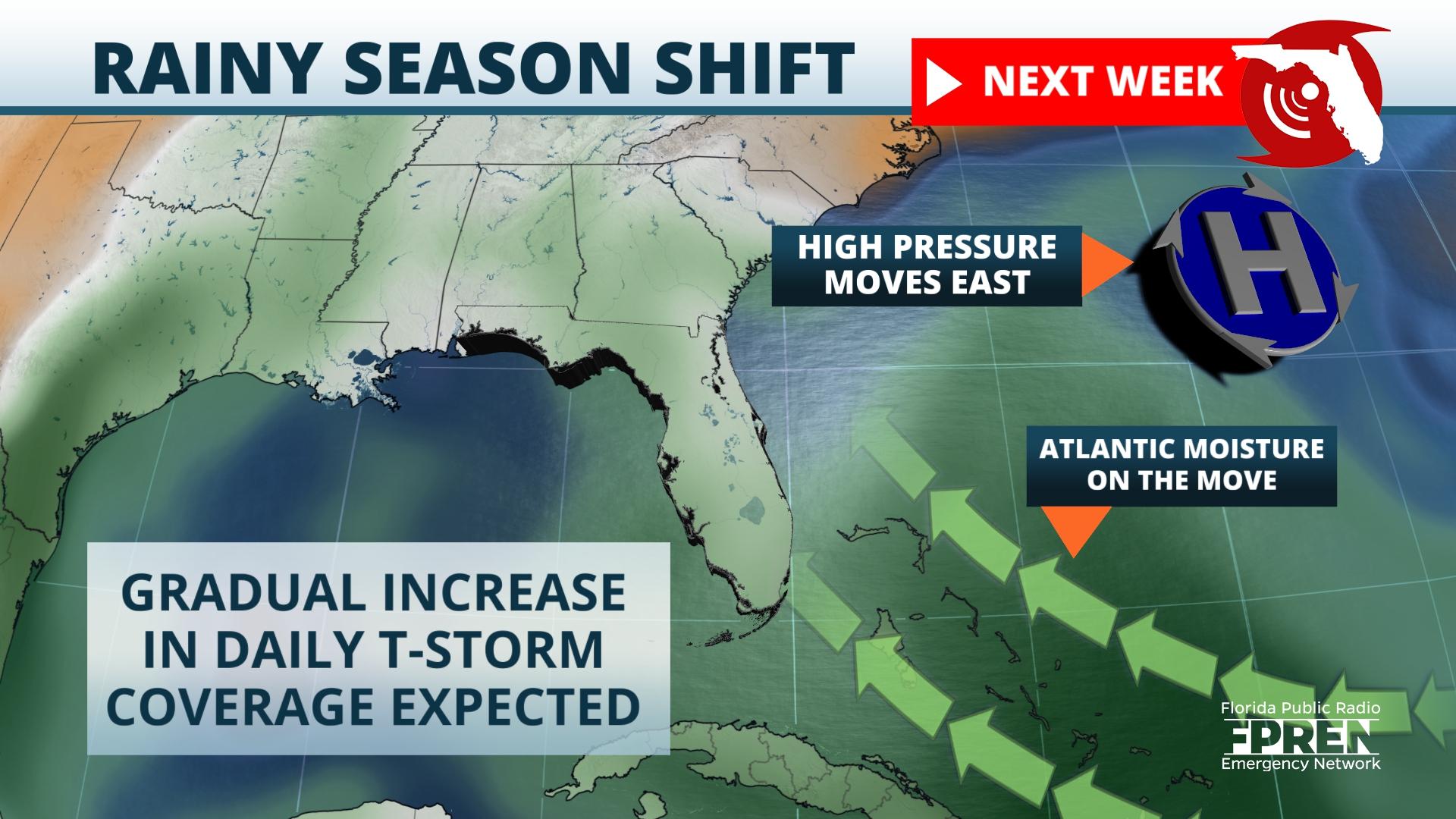
The most prominent period of increased rainfall in Florida is during the summer months, typically from June through September. This is often referred to as the “rainy season” or, more accurately, the “wet season.” During these months, the combination of high temperatures, humidity, and atmospheric moisture creates ideal conditions for convectional thunderstorms.
These thunderstorms are a hallmark of Florida’s summer weather. They tend to be localized and brief, though they can be intense. You’ll often notice a pattern: the day begins with sunshine, the humidity builds, and by the afternoon, towering cumulonimbus clouds form, leading to heavy downpours, lightning, and thunder. These storms are usually short-lived, often lasting anywhere from 30 minutes to a couple of hours, and are frequently followed by clearing skies and a return to warm, humid conditions.
- Timing of Thunderstorms: The most common time for these afternoon thunderstorms is between 2 PM and 5 PM. This is a crucial piece of information for anyone planning outdoor activities, such as visiting a theme park in Orlando, exploring the historic streets of St. Augustine, or enjoying a day at the beach in Miami.
- Intensity and Impact: While these storms can be intense, they rarely disrupt entire days. Often, the rain is so localized that one neighborhood might be experiencing a downpour while another just a few miles away remains dry. However, they can cause temporary flooding in low-lying areas and can be a significant concern for boaters and those engaged in water sports.
- Benefits of the Wet Season: Despite the inconvenience, these rains are vital for Florida’s ecosystem, replenishing freshwater sources and keeping its vegetation lush. The rain also provides a welcome respite from the heat, bringing down temperatures for a short while before the humidity climbs again.
The Dry Season: Winter and Spring Sunshine
In contrast to the summer months, Florida experiences a drier period from October through May. This is often referred to as the “dry season” or “winter and spring.” During these months, rainfall is significantly less frequent and the intensity of any precipitation is generally milder.
- Lower Humidity: One of the most appealing aspects of visiting Florida during the dry season is the lower humidity. The air feels drier and more comfortable, making outdoor exploration much more pleasant, whether you’re hiking in the Ocala National Forest or strolling along the waterfront in Key West.
- Pleasant Temperatures: Temperatures during the dry season are generally mild and pleasant, ranging from cooler in the northern parts of the state to comfortably warm in the south. This makes it an ideal time for a variety of activities, from exploring the charming towns of the Florida Panhandle to visiting historical sites like Fort Jefferson in the Dry Tortugas National Park.
- Occasional Fronts: While generally dry, occasional cold fronts can move through Florida during the winter months, bringing with them cooler temperatures and sometimes, brief periods of rain. However, these are usually short-lived and don’t constitute a “rainy season.”
Regional Variations and Considerations
While the general patterns hold true, there can be slight regional variations in Florida’s rainy season, largely influenced by geographical location and proximity to tropical systems.
South Florida: Tropical Influence
In South Florida, including cities like Miami, Fort Lauderdale, and the Florida Keys, the summer wet season is particularly pronounced. The region is more susceptible to tropical moisture and can experience heavier rainfall. It’s also the part of Florida most vulnerable to hurricanes.
- Hurricane Season: It’s crucial to note that Florida’s hurricane season officially runs from June 1 to November 30, with the peak typically occurring from August through October. While not every storm is a direct hit, the potential for significant weather disruptions, including heavy rains, strong winds, and storm surges, is higher during this period. Visitors planning trips during these months should stay informed about weather forecasts and have a contingency plan. Staying at a well-equipped resort like the Ritz-Carlton, Amelia Island can provide peace of mind during uncertain weather.
- Afternoon Deluges: Even without a hurricane, the afternoon thunderstorms in South Florida can be intense. It’s not uncommon for heavy downpours to occur for an hour or two, impacting traffic and outdoor plans.
Central Florida: Theme Park Hub
Central Florida, home to the world-renowned theme parks like Walt Disney World Resort and Universal Orlando Resort, experiences the typical summer wet season.
- Afternoon Showers at Parks: Visitors to the theme parks should be prepared for the possibility of afternoon rain showers. These can sometimes lead to temporary closures of outdoor attractions or parades being postponed. However, parks are well-equipped to handle the weather, and operations usually resume quickly once the rain subsides. Bringing a poncho or umbrella is a must.
- Crowd Management: Paradoxically, the rainy season can sometimes mean fewer crowds at popular attractions, as some tourists opt for drier destinations. If you don’t mind the occasional shower, you might find shorter wait times and a more relaxed experience.
North Florida: Panhandle Influences
The Florida Panhandle, including cities like Pensacola and Tallahassee, has a climate that is a bit more influenced by continental weather systems, though still largely subtropical.
- Milder Summer Rains: While the summer still brings increased rainfall, the thunderstorms might be slightly less intense or frequent compared to South Florida.
- Winter Cold Fronts: The Panhandle is more likely to experience cooler temperatures and occasional rain from winter cold fronts that move down from the north.
Tips for Traveling During Florida’s Rainy Season
Whether you’re booking a luxurious stay at the Four Seasons Resort Orlando at Walt Disney World Resort or a budget-friendly apartment in Tampa, being prepared for Florida’s rainy season can enhance your trip.
Packing Smart
- Rain Gear: A lightweight, waterproof jacket or poncho is essential. An umbrella is also a good idea, though it might be challenging to use in strong winds accompanying a thunderstorm.
- Waterproof Footwear: Quick-drying shoes or sandals are preferable to heavy boots.
- Quick-Dry Clothing: Opt for clothing made from synthetic materials that dry faster than cotton.
- Waterproof Bag: Protect your electronics and valuables with a waterproof bag or dry sack.
Planning Your Activities
- Embrace the Afternoon Storms: Don’t let the rain completely derail your plans. Use the afternoon showers as an opportunity to enjoy indoor attractions. Visit museums like the John and Mable Ringling Museum of Art in Sarasota, explore an aquarium, or enjoy a leisurely lunch at a local restaurant.
- Morning Activities: Schedule your most important outdoor activities for the morning, when the weather is typically most stable and sunny.
- Flexibility is Key: Be prepared to adjust your itinerary based on the weather. Have backup indoor activities planned for each day.
- Check the Forecast: While afternoon thunderstorms can be unpredictable, general weather forecasts can give you an idea of what to expect.
Accommodation Choices
- Resorts with Amenities: If you’re concerned about the rain, consider staying at a resort that offers plenty of indoor amenities. Many resorts in Naples and Palm Beach boast excellent spas, indoor pools, and diverse dining options that can keep you entertained even if you’re confined indoors.
- Vacation Rentals: For longer stays or families, a vacation rental with a good entertainment system or board games can be a lifesaver on a rainy day.
In conclusion, Florida’s “rainy season” is more accurately described as a wet season characterized by frequent, albeit often brief, afternoon thunderstorms during the summer months (June-September). The rest of the year, from October to May, offers a drier and often more pleasant climate. By understanding these patterns and preparing accordingly, you can ensure that a little bit of rain doesn’t dampen your spirits and you can still enjoy all that the Sunshine State has to offer, from the thrilling rides in Tampa’s Busch Gardens to the serene beauty of its natural reserves.
LifeOutOfTheBox is a participant in the Amazon Services LLC Associates Program, an affiliate advertising program designed to provide a means for sites to earn advertising fees by advertising and linking to Amazon.com. Amazon, the Amazon logo, AmazonSupply, and the AmazonSupply logo are trademarks of Amazon.com, Inc. or its affiliates. As an Amazon Associate we earn affiliate commissions from qualifying purchases.