
Planning a trip to the vibrant island of Puerto Rico? Understanding the climate, particularly the timing of its rainy season, is crucial for crafting the perfect itinerary, whether you’re dreaming of sun-drenched days on a sandy beach, exploring historic San Juan, or embarking on an adventure through its lush rainforests. While Puerto Rico enjoys a tropical climate year-round, distinct patterns emerge that can influence your travel experience. This guide aims to demystify the rainy season, helping you choose the optimal time to visit and make the most of your island escape.
Understanding Puerto Rico’s Tropical Climate
Puerto Rico boasts a delightful tropical marine climate, characterized by warm temperatures and a good amount of rainfall throughout the year. This consistent warmth makes it a desirable destination at any time, but the distribution of precipitation is what defines its “seasons.” Unlike temperate climates with four distinct seasons, Puerto Rico primarily experiences two main periods: a relatively drier season and a wetter season.
The average annual temperature hovers around a balmy 82°F (28°C), with minimal fluctuation between months. Humidity is a constant companion, contributing to the lushness of the landscape. However, the amount and intensity of rainfall can vary significantly, impacting everything from outdoor activities to the overall atmosphere of your vacation.
The Dry Season: Your Best Bet for Sunshine
The drier season in Puerto Rico typically runs from December to May. These months are generally characterized by lower humidity, less rainfall, and a higher probability of clear, sunny skies. This period coincides with the winter and spring months in North America and Europe, making it an incredibly popular time for travelers seeking to escape colder climates.
During the dry season, you can expect pleasant temperatures, making it ideal for a wide range of activities. Beach lovers will revel in extended periods of sunshine perfect for lounging on the shores of Flamenco Beach in Culebra or exploring the vibrant marine life while snorkeling off the coast of La Parguera. For those interested in history and culture, the dry season offers excellent conditions for wandering through the cobblestone streets of Old San Juan, visiting the imposing Castillo San Felipe del Morro, or exploring the colorful architecture of Ponce.
Outdoor adventures, such as hiking in the El Yunque National Forest, are also best enjoyed during these months. While El Yunque is a rainforest and does experience rain year-round, the dry season offers a higher chance of drier trails and more visibility for admiring its breathtaking waterfalls and diverse flora and fauna.
Accommodation options, from luxury resorts like the Dorado Beach, a Ritz-Carlton Reserve to charming boutique hotels and vacation rentals, tend to be in high demand during the dry season, especially during peak holiday periods like Christmas and Easter. It’s advisable to book your accommodation and flights well in advance to secure the best prices and availability. This period is perfect for those who prioritize predictable, sunny weather for their travel plans.
The Wet Season: When to Expect Showers
The wetter season in Puerto Rico generally spans from June to November. During these months, rainfall increases, and the island experiences higher humidity levels. This doesn’t necessarily mean continuous downpours; rather, it often translates to brief, intense showers, typically in the afternoon, followed by sunshine. These showers are what nourish the island’s verdant landscapes and contribute to its stunning natural beauty.
The term “rainy season” can sometimes be misleading, conjuring images of non-stop storms. In Puerto Rico, it’s more accurate to think of it as the “wetter season.” You can still enjoy plenty of sunshine and activities. However, it’s wise to build some flexibility into your travel plans. An afternoon shower is a great excuse to duck into a local restaurant for some authentic Puerto Rican food, explore a museum, or relax at your hotel with a good book.
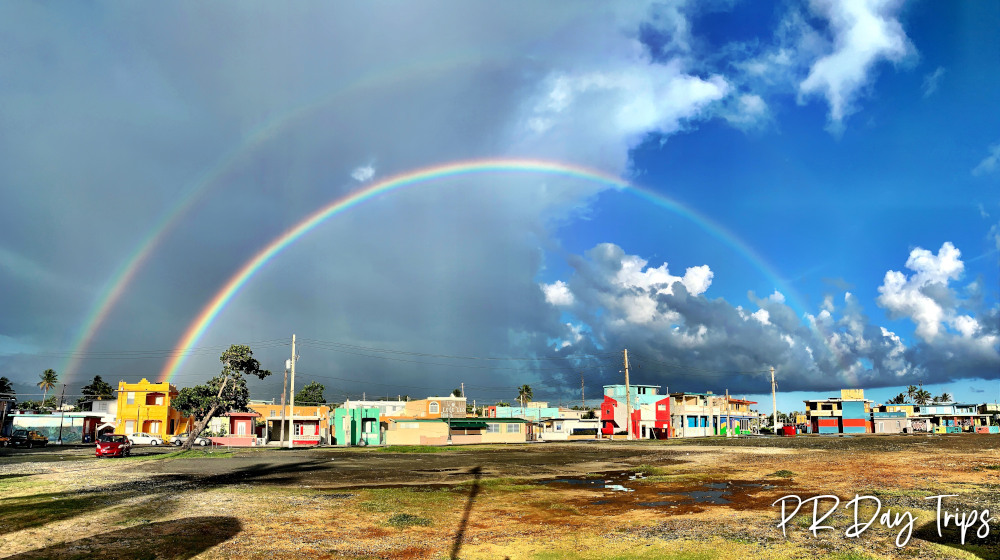
One significant aspect of the wet season is the increased possibility of tropical storms and hurricanes. The Atlantic hurricane season officially runs from June 1st to November 30th, with the most active period usually between August and October. While Puerto Rico is not always directly hit, the proximity of these systems can lead to increased rainfall, strong winds, and disruptions to travel and activities. It’s essential to stay informed about weather forecasts and emergency advisories if you are traveling during this time. Many travel insurance policies also offer coverage for weather-related disruptions.
Despite the potential for rain and storms, the wet season offers its own unique advantages. The lush greenery is at its most vibrant, and the fewer crowds can sometimes mean lower prices for flights and accommodation. It’s a fantastic time for budget travelers and those who prefer a more laid-back experience. You can still enjoy the beaches, though you might need to be more strategic with your timing, opting for morning or late afternoon beach sessions. The waterfalls in El Yunque are often at their most impressive after periods of rain.
Navigating the Shoulder Months: April-May and November
The shoulder months, specifically April to May and November, can offer a sweet spot for many travelers. These periods bridge the gap between the drier and wetter seasons, often presenting a good balance of favorable weather and fewer crowds.
From April to May, the tail end of the dry season, you can still expect plenty of sunshine and warm temperatures. The humidity might begin to creep up slightly as the island transitions, but significant rainfall is less common. This is an excellent time for enjoying outdoor attractions and water sports before the peak of the wet season arrives. Luxury travel experiences, such as staying at the St. Regis Bahia Beach Resort, are often more accessible in terms of pricing during these shoulder periods.
November marks the transition out of the wet season and the start of the drier months. While there’s still a chance of lingering showers, the frequency and intensity tend to decrease. The hurricane season is drawing to a close, making it a statistically safer time to visit. The island’s natural beauty is at its peak after receiving ample rainfall, and the pre-holiday season often means fewer tourists than the peak dry season. This is an ideal time for experiencing the local culture and festivals without the intense crowds.
Factors Influencing Rainfall: Geography and Microclimates
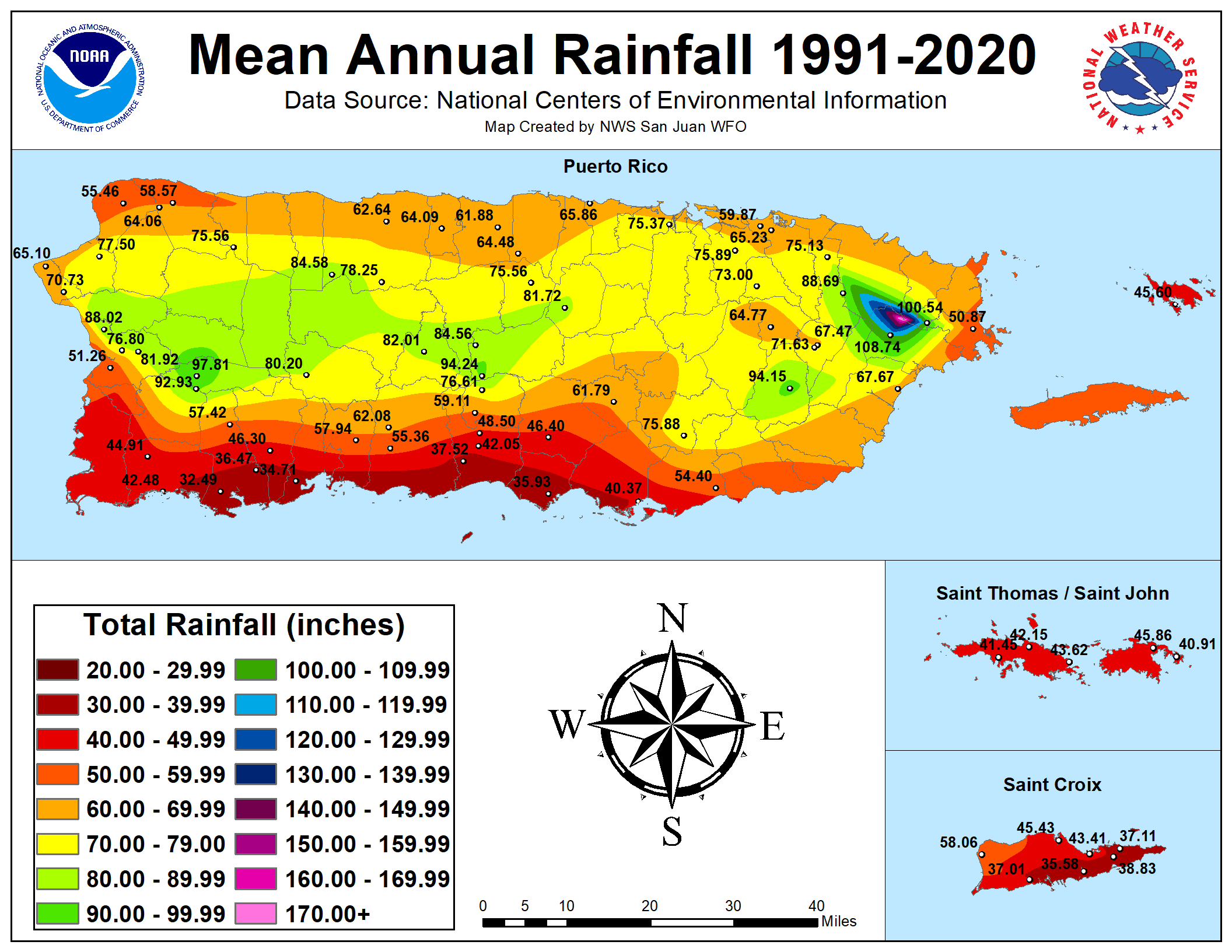
It’s important to note that Puerto Rico has diverse geography, leading to microclimates that can affect rainfall patterns even within the same region. The mountainous interior, for example, generally receives more rainfall than the coastal areas, especially the southern coast, which is often drier.
The Cordillera Central mountain range acts as a barrier, influencing precipitation. The northeastern slopes tend to be wetter due to the prevailing trade winds from the Atlantic Ocean. This means that if you are staying in a city like San Juan on the north coast, you might experience a different rainfall pattern than someone exploring the drier plains of Ponce on the south coast.
Even within a specific region, such as the El Yunque National Forest, rainfall can vary. The higher elevations within the rainforest will naturally receive more precipitation than the lower-lying areas. This variability is part of what makes Puerto Rico so ecologically rich and diverse. When planning your activities, it’s always a good idea to check local weather forecasts, as conditions can change rapidly.
What to Pack for Any Season
Regardless of when you visit Puerto Rico, packing for a tropical climate is essential. Lightweight, breathable clothing like cotton and linen is ideal. Don’t forget swimwear, sunscreen, a hat, and sunglasses. For the wet season, a lightweight, waterproof jacket or poncho is a wise addition, along with quick-drying footwear. Insect repellent is also a must, especially for evenings and visits to natural areas.
If your travel plans include visiting religious sites or more formal establishments, a light shawl or cover-up might be appropriate. For hiking, sturdy, comfortable walking shoes are recommended. And of course, a camera to capture the island’s beauty is indispensable.
In conclusion, while Puerto Rico does have a distinct wet season, it doesn’t necessarily mean your travel plans will be derailed. By understanding the patterns, being prepared for occasional showers, and embracing the island’s vibrant spirit, you can enjoy a fantastic Puerto Rican adventure any time of year. Whether you’re seeking sun-drenched beaches or the embrace of a tropical downpour, Puerto Rico offers an unforgettable lifestyle experience.
LifeOutOfTheBox is a participant in the Amazon Services LLC Associates Program, an affiliate advertising program designed to provide a means for sites to earn advertising fees by advertising and linking to Amazon.com. Amazon, the Amazon logo, AmazonSupply, and the AmazonSupply logo are trademarks of Amazon.com, Inc. or its affiliates. As an Amazon Associate we earn affiliate commissions from qualifying purchases.