
Florida, the Sunshine State, is renowned for its vibrant tourism, captivating landmarks, and diverse lifestyle offerings, from luxury escapes to family-friendly adventures. For travelers and residents alike, understanding the nuances of the state’s timekeeping is crucial for seamless planning, whether it’s booking a stay at a luxurious resort or charting a course through its many attractions. This article delves into the specifics of Florida’s time change, exploring its history, the current legislation, and practical implications for your travel plans.
Understanding Daylight Saving Time in Florida
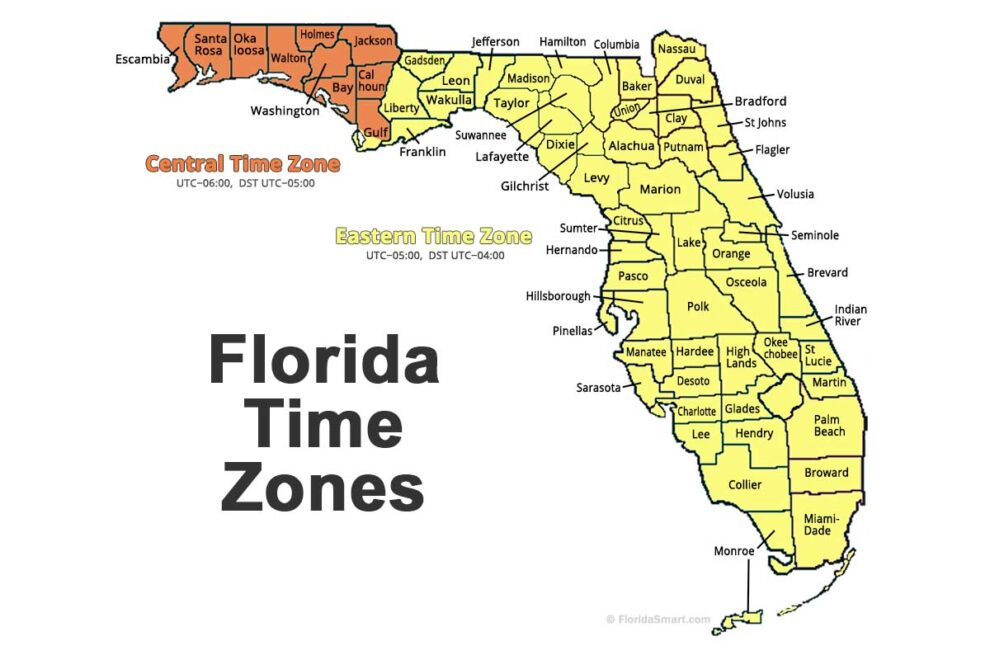
The practice of Daylight Saving Time (DST) has been a part of American life for decades, with its origins rooted in a desire to conserve energy and maximize daylight hours. In the United States, DST is generally observed from the second Sunday in March to the first Sunday in November. However, individual states have the option to opt out of DST and remain on standard time year-round. Florida, for the most part, participates in DST, leading to the familiar “spring forward” and “fall back” adjustments.
Historical Context and Current Legislation
The debate surrounding DST in Florida is not new. For many years, there has been a push to make DST permanent in the state, arguing for longer daylight hours in the evenings, particularly during the popular tourist seasons. In 2018, the Florida Legislature passed Senate Bill 856, which aimed to make DST permanent in the state. This bill, known as the Sunshine Protection Act, was a significant legislative step.
However, for DST to become permanent nationwide, or even within a state that opts in, federal approval is typically required. The Uniform Time Act of 1966 established a system of DST for the entire country, but it also allows states to opt out and remain on standard time. States that wish to adopt DST permanently, as Florida has attempted, must receive congressional approval. Despite the passage of the state-level bill, the permanent implementation of DST in Florida has not yet been enacted, primarily due to the need for federal legislation to allow for year-round DST.
This means that while the Sunshine State embraces the concept and has legislated for it, the practical application remains tethered to the federal calendar. Therefore, the time change in Florida aligns with the national observance of DST. The state officially observes the time change according to the federal schedule, meaning it “springs forward” in March and “falls back” in November.
When Does Florida Change Its Clocks?
For anyone planning a trip to Florida, or a local needing to adjust their schedule, knowing the precise dates for the time change is essential. The dates are dictated by the Uniform Time Act of 1966, as amended.
Spring Forward: The Beginning of Daylight Saving Time
In Florida, as in most of the United States, Daylight Saving Time begins on the second Sunday in March. On this day, clocks are moved forward by one hour at 2:00 AM local time. This means that when you wake up on that Sunday, the clock will read 3:00 AM. This transition effectively shortens the morning by an hour but extends daylight into the evening. This change is particularly noticeable for those who enjoy evening activities, such as exploring the vibrant nightlife of Miami or taking a sunset stroll along the beaches of Clearwater.
The second Sunday in March is a significant date for many. It marks a shift in the daily rhythm and can impact travel plans, flight schedules, and even wake-up times for early risers. For businesses operating across different time zones, this shift requires careful coordination. For example, hotels like the Fontainebleau Miami Beach will need to ensure all their systems and guest communications reflect the correct local time.

Fall Back: The End of Daylight Saving Time
Conversely, Daylight Saving Time concludes on the first Sunday in November. On this date, clocks are turned back by one hour at 2:00 AM local time. This means that when you wake up on that Sunday, the clock will read 1:00 AM, effectively giving you an extra hour of sleep. This transition brings back standard time, with earlier sunsets. This can be a welcome change for some, as it aligns with the natural shortening of daylight hours in the fall and winter months, making early evening activities, like visiting the historic St. Augustine Lighthouse, feel more natural.
The first Sunday in November signifies the end of the DST period. This is also a crucial date for the tourism industry, as it marks the beginning of the peak season in many parts of Florida, particularly Central Florida with its world-renowned theme parks like Walt Disney World Resort and Universal Orlando Resort. Visitors arriving around this time will find that the sun sets earlier, influencing their sightseeing and evening plans.
Practical Implications for Your Florida Experience
Understanding the time change in Florida is more than just a matter of knowing when to adjust your watch; it has tangible effects on various aspects of travel, accommodation, and lifestyle.
Impact on Travel and Tourism
For travelers, the time change can affect flight schedules, car rental pick-up and drop-off times, and the timing of pre-booked tours and excursions. It’s always advisable to double-check all travel arrangements closer to the date of your trip, especially if your travel dates fall around the DST transition periods. For instance, if you’re planning an early morning flight out of Orlando International Airport, ensuring you arrive at the correct time after the “spring forward” adjustment is critical.
The extended daylight hours during DST are a boon for Florida’s tourism sector. It allows visitors to enjoy attractions like Everglades National Park or the beaches of Siesta Key for longer into the evening. Many restaurants and entertainment venues in cities like Tampa and Fort Lauderdale extend their operating hours to take advantage of the extra daylight. Conversely, the earlier sunsets after the “fall back” adjustment might encourage more indoor activities, such as exploring the museums in St. Petersburg or enjoying the culinary scene in Jacksonville.
Accommodation and Lifestyle Considerations
When booking accommodation, whether it’s a quaint boutique hotel in Key West, a sprawling family resort in the Florida Keys, or a private villa for a long-term stay, understanding the local time is paramount. Most hotel booking platforms and reservation systems automatically adjust for DST, but it’s always wise to confirm the local time for check-in and check-out, especially if you are arriving from a different time zone or a country that does not observe DST. For example, if you’re staying at the Ritz-Carlton Orlando, confirming your check-in time post-DST shift is a small but important detail.
From a lifestyle perspective, the DST shift influences daily routines. For those who enjoy early morning workouts or late evening jogs, the change in daylight hours can necessitate adjustments. Families planning outings to attractions like Busch Gardens Tampa Bay will need to consider the daylight available for their activities, especially during the fall and winter months when daylight is shorter. The extended evenings during DST can be perfect for outdoor dining at waterfront restaurants in Naples or attending evening events.
The Ongoing Debate for Permanent DST
As mentioned, the push for permanent DST in Florida, championed by the Sunshine Protection Act, reflects a desire to enjoy longer daylight hours year-round. Proponents argue that it would boost tourism, reduce traffic accidents (due to better visibility in the evenings), and improve overall quality of life. However, the debate is complex, with some opposing permanent DST due to concerns about early morning darkness in the winter months, which could impact school children and morning commuters.
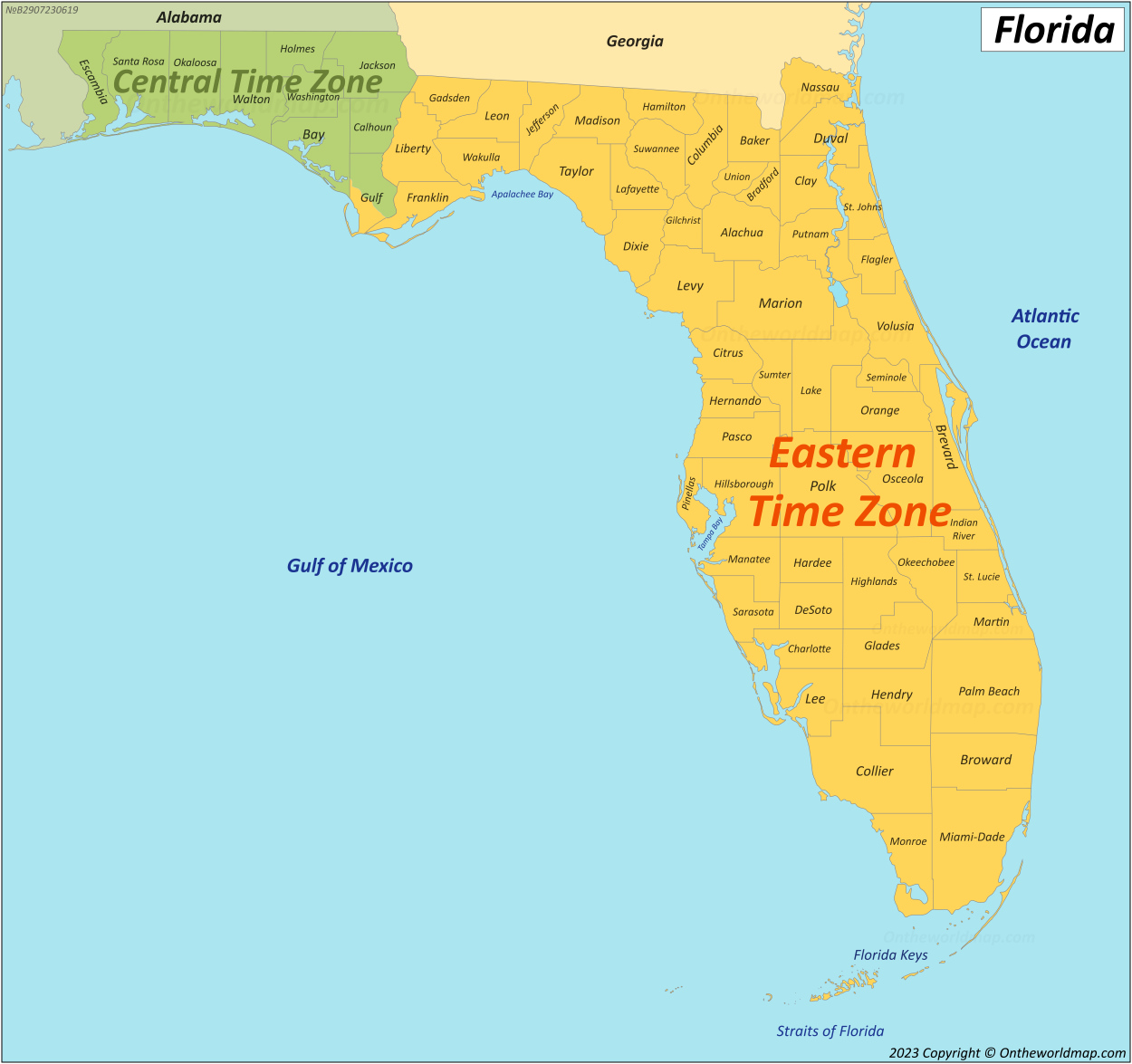
Until federal legislation changes, Florida will continue to observe DST according to the established national schedule. This means that for the foreseeable future, residents and visitors can expect the familiar twice-yearly clock adjustments. Whether you are planning a business stay, a luxury escape, or a budget-friendly family trip, staying informed about these time changes ensures a smoother and more enjoyable experience in the beautiful state of Florida. The Miami Heat‘s game schedule, the opening hours of attractions like Kennedy Space Center Visitor Complex, and even the timing of your favorite seafood dinner in Destin will all be subject to these temporal shifts. Understanding when the time changes in Florida is a small but significant piece of navigating this dynamic and exciting destination.
LifeOutOfTheBox is a participant in the Amazon Services LLC Associates Program, an affiliate advertising program designed to provide a means for sites to earn advertising fees by advertising and linking to Amazon.com. Amazon, the Amazon logo, AmazonSupply, and the AmazonSupply logo are trademarks of Amazon.com, Inc. or its affiliates. As an Amazon Associate we earn affiliate commissions from qualifying purchases.