
The Golden State, a land celebrated for its innovation, stunning natural beauty, and vibrant lifestyle, also participates in an annual ritual that impacts every aspect of daily life: the shift to and from Daylight Saving Time. For residents, businesses, and the millions of travelers drawn to its diverse offerings, understanding when and why the time changes in California is crucial. This recurring adjustment, more than just a simple clock alteration, weaves into the fabric of travel planning, tourism experiences, and the very rhythm of life in one of the world’s most dynamic destinations. From coordinating flight schedules to optimizing sightseeing itineraries and simply adjusting one’s internal clock, the implications of these biannual time shifts extend far beyond the tick of a clock.
Unraveling Daylight Saving Time in the Golden State
The concept of tweaking clocks to maximize daylight has a fascinating history, and California’s participation is part of a broader national and even global tradition. For visitors planning their adventures, or new residents settling into the California way of life, knowing the exact dates of these shifts is fundamental to seamless travel and daily routines.
The Rhythms of “Spring Forward” and “Fall Back”
In California, as in most of the United States, the time changes twice a year following a standard schedule. The first change, famously known as “Spring Forward,” occurs on the second Sunday in March. On this day, clocks are advanced by one hour at 2:00 AM local time. This effectively shifts the state from Pacific Standard Time (PST) to Pacific Daylight Time (PDT). The immediate consequence is that while you “lose” an hour of sleep, you gain an hour of daylight in the evening, making sunsets later and extending the perceived workday or leisure time.
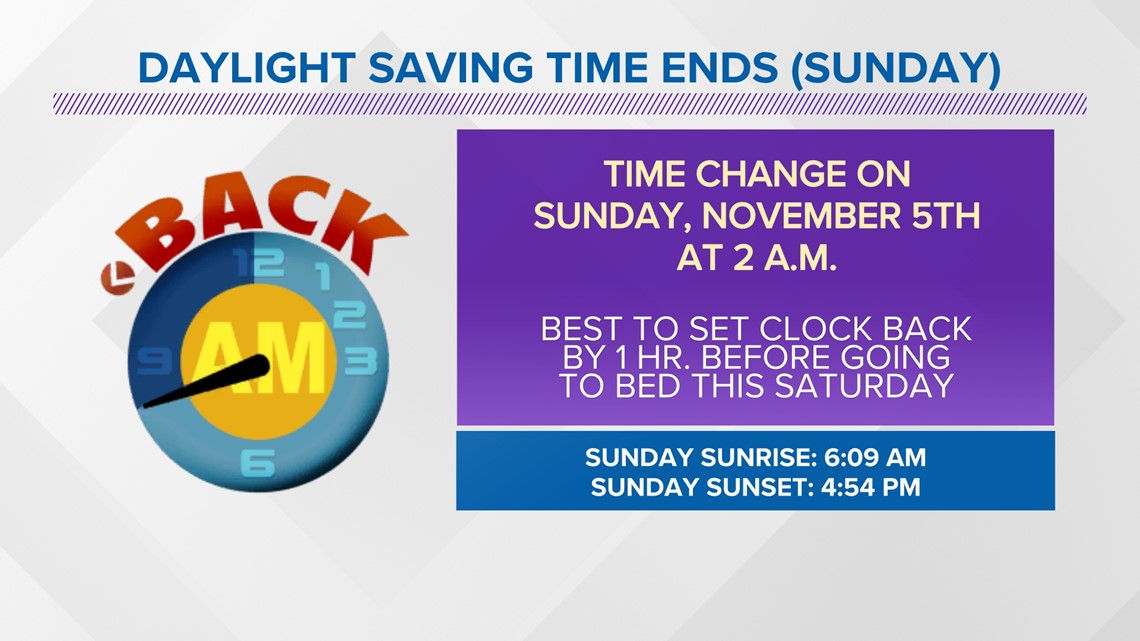
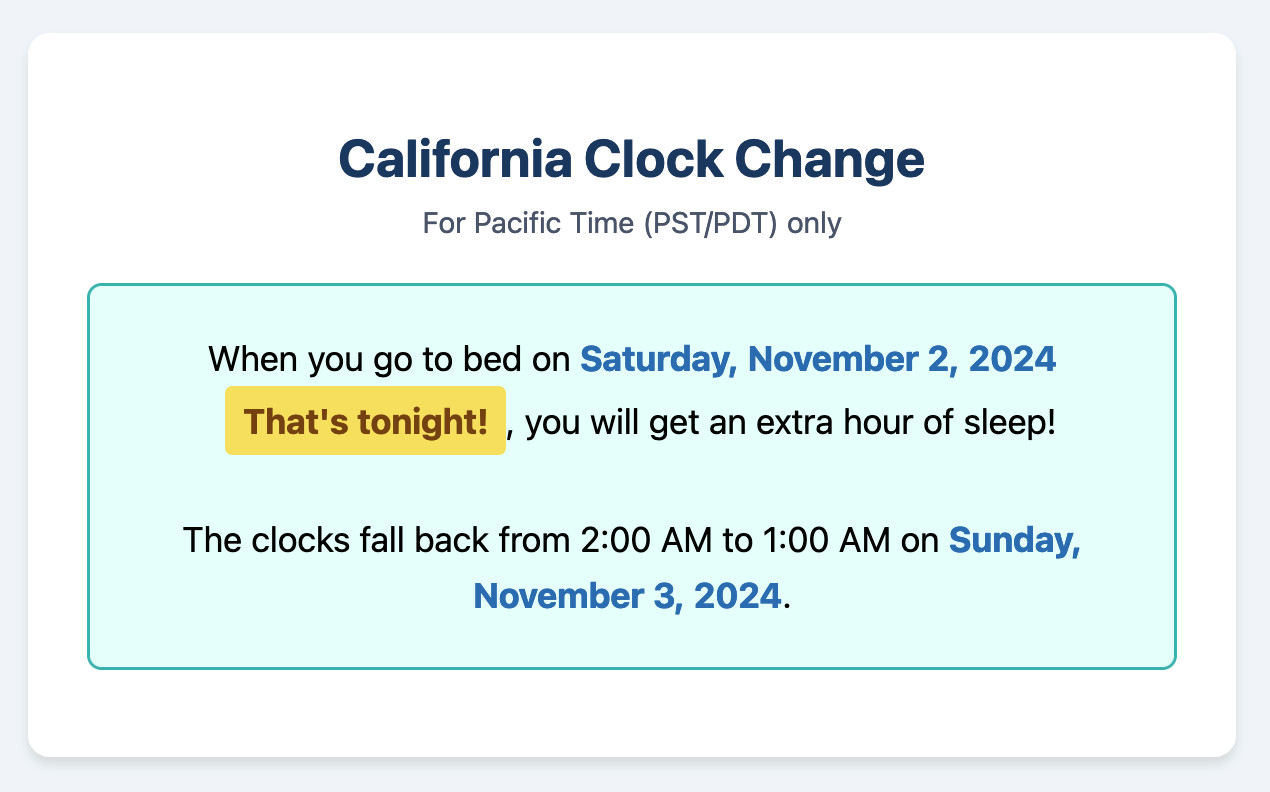
Conversely, the “Fall Back” transition takes place on the first Sunday in November. At 2:00 AM local time, clocks are moved back one hour, reverting from PDT to PST. This means you “gain” an hour of sleep, and mornings become brighter earlier, though evenings darken sooner. These shifts are pivotal for anyone with plans involving travel, appointments, or simply catching a sunrise hike in Yosemite National Park. For a traveler arriving from a different time zone, particularly around these dates, understanding which way the clock is moving is key to avoiding missed flights, early check-outs, or late arrivals at desired attractions.
A Brief History of Time in the United States
The concept of Daylight Saving Time (DST) wasn’t an original American idea, but rather gained traction during World War I in Europe as a measure to conserve energy. The USA first implemented it during wartime to save fuel and increase productivity. However, post-war, its application became sporadic and confusing, leading to a patchwork of local ordinances that made interstate travel and commerce a logistical nightmare.
To bring order to this chronological chaos, the United States Congress passed the Uniform Time Act of 1966. This landmark legislation established a nationwide system for Daylight Saving Time, standardizing the “spring forward” and “fall back” dates for states that chose to observe it. Critically, the Act allowed states to opt out of Daylight Saving Time entirely, provided they did so uniformly across the state. As a result, two USA states – Hawaii and most of Arizona (with the exception of the Navajo Nation) – do not observe Daylight Saving Time, remaining on Standard Time year-round. California, however, has consistently followed the Daylight Saving Time schedule, making it an integral part of its annual rhythm for decades.
California’s Ongoing Time Odyssey: Debates and Decisions
Despite the long-standing tradition of observing Daylight Saving Time, California has been at the forefront of a national discussion about its efficacy and future. The desire for a more consistent schedule reflects broader concerns about health, energy, and economic impact.
Proposition 7 and the Quest for Permanent Time
The debate around Daylight Saving Time reached a fever pitch in California with the passage of Proposition 7 in 2018. This ballot initiative, overwhelmingly approved by voters, aimed to give the state legislature the power to abolish DST permanently. The proposition’s success indicated a strong public sentiment for ending the biannual time shifts, fueled by arguments regarding potential health benefits, reduced energy consumption (though this is heavily debated), and overall convenience.
However, the passage of Proposition 7 did not immediately translate into year-round Standard Time or permanent Daylight Saving Time. The complexity lies with the aforementioned Uniform Time Act of 1966. While states can opt out of DST and remain on Standard Time year-round (as Arizona and Hawaii do), they cannot unilaterally adopt permanent Daylight Saving Time without an act of Congress. Subsequent legislative efforts in California, such as Assembly Bill 7, have sought to navigate these federal restrictions, but without federal action, the Golden State remains in a holding pattern. This situation mirrors similar movements in other states like Florida, Oregon, Washington, and Nevada, all of whom have expressed interest in adopting permanent Daylight Saving Time but are likewise constrained by federal law.

The Arguments: Energy, Health, and Lifestyle
The debate over Daylight Saving Time is multifaceted, touching upon energy conservation, public health, and the broader lifestyle implications for residents and visitors. Proponents of DST often cite the benefit of increased daylight in the evenings during warmer months. This extended daylight is perceived to encourage outdoor activities, stimulate retail sales, and boost tourism by providing more hours for sightseeing and recreation. Imagine more time to explore the beaches of San Diego, wander through the vineyards of Napa Valley, or enjoy an extra hour at Disneyland with the sun still high in the sky.
However, a growing body of evidence highlights significant drawbacks. The biannual time changes have been linked to various health issues, including increased risks of heart attacks, strokes, and car accidents in the days following the “Spring Forward” shift due to sleep deprivation. The disruption to circadian rhythms can affect productivity and overall well-being. Economically, while some sectors might benefit from extended daylight, others, like agriculture, face operational challenges. For those managing complex travel itineraries, especially across different time zones or to states like Arizona that don’t observe DST, the confusion can add unnecessary stress. The “lifestyle” aspect of [California](https://lifeoutofthebox.com/california] living – from early morning surfing in Malibu to late-night culinary experiences in Los Angeles – is subtly but profoundly affected by these shifts, making the discussion about a permanent time solution increasingly relevant for many.
Navigating the Time Shift: Essential Tips for Travelers and Residents
Whether you’re a lifelong Californian or planning your dream vacation, understanding and preparing for the time changes is key to a smooth experience. The logistical ripples of DST can impact everything from your flight schedule to your ability to fully enjoy the Golden State’s myriad attractions.
Impact on Travel and Tourism in the Golden State
For travelers, the most immediate and significant impact of Daylight Saving Time changes in California is on booking and itineraries. Flights, especially those departing or arriving around the 2 AM changeover, can be particularly susceptible to confusion. Always double-check your flight times with the airline and ensure your watch, phone, and hotel clocks are synchronized. The same goes for train schedules, bus services, and critical appointments like car rentals or tour departures. Hotel check-in and check-out times, while usually standardized, can also cause minor hiccups if you’re not aware of the change. It’s always wise to confirm these details directly with your accommodation in San Francisco, Sacramento, or wherever your stay takes you.
Beyond logistics, the time change also influences your experience of attractions and activities. When “springing forward,” you’ll find more daylight in the evenings, which is fantastic for extended sightseeing. Imagine taking more time to marvel at the Golden Gate Bridge, exploring the bustling streets of Hollywood, or enjoying a leisurely sunset cruise off the coast of Big Sur. Conversely, “falling back” means earlier sunsets, which might require adjusting your plans if you intend to visit outdoor attractions or participate in activities that are dependent on natural light. Always check the updated opening and closing hours for museums, parks, theme parks like Disneyland, and other popular destinations. The rhythm of local culture and dining can also shift, with restaurants adjusting dinner service hours or popular evening events starting slightly earlier or later. Being prepared ensures you maximize every moment of your California adventure, from the serene shores of Lake Tahoe to the vibrant urban centers.
Personal Adjustment and Well-being
Beyond the practicalities, the time changes can also impact personal well-being, particularly for those sensitive to shifts in their sleep cycle. For travelers crossing multiple time zones and dealing with DST, the cumulative effect can be significant. To mitigate the effects of the “Spring Forward” transition, try to gradually adjust your sleep schedule a few days in advance by going to bed 15-20 minutes earlier each night. Exposure to natural light in the morning can help reset your body clock. For “Fall Back,” enjoy the extra hour of sleep, but still try to maintain your regular routine as much as possible to avoid oversleeping and disrupting your rhythm too much.
Ensuring your accommodation supports a good night’s sleep is also vital. Whether you’re in a luxury resort, a cozy boutique hotel, or a vacation rental, a comfortable bed, blackout curtains, and a quiet environment can make a huge difference in adjusting. Business travelers, families with young children, and individuals with existing health conditions should be particularly mindful of these shifts, planning for extra rest or slower mornings if needed. Prioritizing well-being ensures that the time change doesn’t detract from the enjoyment of your California experience, allowing you to fully embrace its vibrant lifestyle and diverse offerings.
The Future of Time in California: What Lies Ahead?
The annual time changes remain a point of discussion and legislative efforts in California. While the state’s residents clearly voiced their preference to end the biannual shifts, the path to a permanent solution is not straightforward.
Awaiting Federal Green Light
As established by the Uniform Time Act of 1966, California cannot unilaterally adopt permanent Daylight Saving Time without federal approval. This means that despite voter approval of Proposition 7, the Golden State is currently dependent on an act of the United States Congress to make such a change. There have been several attempts at the federal level, most notably the “Sunshine Protection Act,” which aimed to make Daylight Saving Time permanent nationwide. While this bill passed the Senate in 2022, it ultimately stalled in the House of Representatives, reflecting the ongoing national debate and lack of consensus on the issue.
The possibility of a regional shift is also frequently discussed. States on the West Coast, including Oregon, Washington, and Nevada, have expressed similar desires to adopt permanent Daylight Saving Time. If these states were to align and collectively lobby for federal approval, it could present a more compelling case for Congressional action, potentially allowing the entire Pacific Time Zone to remain on permanent PDT. Meanwhile, countries like Mexico have largely abolished DST, and Canada continues its own regional variations and debates. These global trends underscore the complex and evolving nature of timekeeping in the modern world.
Maximizing Your California Experience, Regardless of the Clock
While the future of Daylight Saving Time in California remains uncertain, one thing is clear: the state’s allure as a premier travel destination is unwavering. Whether you find yourself “springing forward” or “falling back,” the key to an unforgettable experience lies in awareness and adaptable planning. Embrace the extra hour of evening daylight in summer for an extended hike, a longer beach day, or an al fresco dining experience under a fading golden sky. Utilize the brighter mornings in winter to catch an early surf session or beat the crowds to a popular landmark.
Ultimately, the magic of California transcends the clock. Its diverse landscapes, from the towering redwoods to the arid deserts, its vibrant cities, and its unparalleled cultural offerings, ensure that there’s always something incredible to discover. By staying informed about the time changes and approaching your visit with flexibility, you can fully immerse yourself in the rich tapestry of experiences that the Golden State offers, making every moment count, regardless of how the clocks are set.
In conclusion, for now, California continues to observe Daylight Saving Time, with the “Spring Forward” occurring on the second Sunday in March and the “Fall Back” on the first Sunday in November. While the debate for a permanent time solution persists, driven by both local and national sentiment, federal law currently dictates the state’s ability to make such a change. For travelers and residents alike, understanding these annual shifts is more than a trivial detail; it’s an essential part of planning and enjoying all that the Golden State has to offer, ensuring that your journey through its breathtaking landscapes and vibrant cities is as seamless and enriching as possible.
LifeOutOfTheBox is a participant in the Amazon Services LLC Associates Program, an affiliate advertising program designed to provide a means for sites to earn advertising fees by advertising and linking to Amazon.com. Amazon, the Amazon logo, AmazonSupply, and the AmazonSupply logo are trademarks of Amazon.com, Inc. or its affiliates. As an Amazon Associate we earn affiliate commissions from qualifying purchases.