
Texas, a state of vast landscapes and vibrant culture, beckons travelers with its diverse attractions, from bustling metropolitan centers to serene natural wonders. However, for those planning a visit, especially during certain times of the year, understanding the local weather phenomena, particularly tornado season, is crucial for a safe and enjoyable experience. While Texas offers year-round allure, being informed about the peak times for tornadoes allows for better planning, ensuring that your travel, accommodation, and leisure activities remain undisturbed.
The term “tornado season” often conjures images of intense storms, but it’s essential to contextualize this within the broader framework of travel and tourism. For adventurous souls or those seeking specific experiences, understanding these patterns doesn’t necessarily mean avoiding Texas altogether. Instead, it empowers visitors to make informed decisions about when to visit, where to stay, and what precautions to take. This guide aims to demystify Texas tornado season, offering practical advice for travelers, from booking the perfect hotel to exploring iconic landmarks with peace of mind.
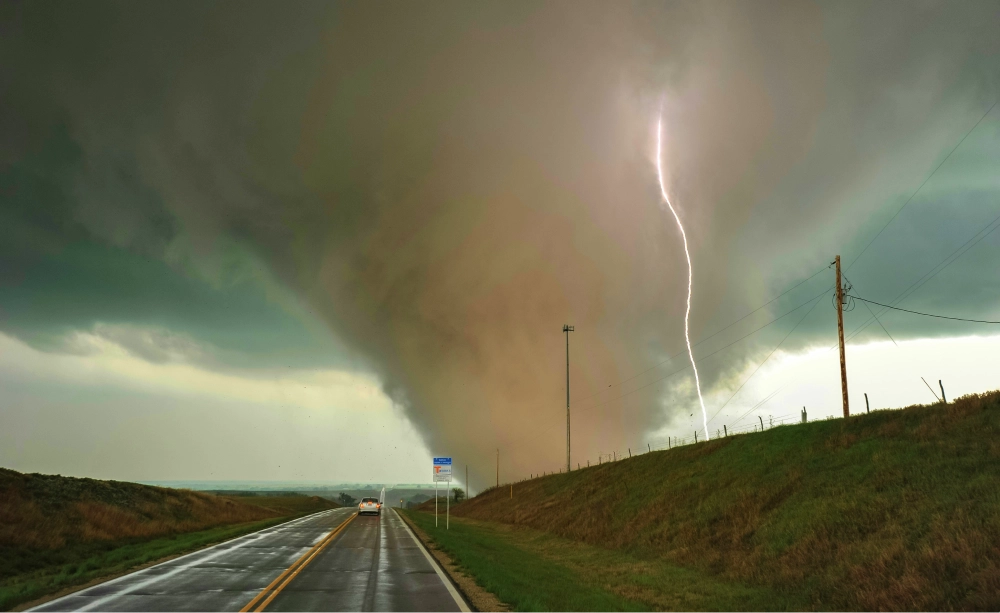
Understanding Texas Tornado Season: A Traveler’s Guide
While tornadoes can occur at any time of the year in Texas, there is a distinct period when their frequency and intensity typically peak. This understanding is the first step in planning a secure and pleasant trip, whether you’re eyeing a historical tour of San Antonio, a music-filled weekend in Austin, or a business trip to Dallas or Houston.
Peak Season and Geographic Considerations
The primary tornado season in Texas generally runs from April through June. During these months, atmospheric conditions are often ripe for severe weather, including thunderstorms that can spawn tornadoes. Warm, moist air from the Gulf of Mexico clashes with cooler, drier air from the west, creating the instability needed for these powerful storms.
While the entire state is susceptible, certain regions experience higher activity. The eastern half of Texas, particularly the northern and central parts, falls within what is often referred to as “Tornado Alley.” This includes major metropolitan areas like Dallas-Fort Worth, parts of Houston, and much of Central Texas. The Texas Panhandle also sees significant tornado activity, often extending into the later spring and early summer months, sometimes as late as July.
Travelers considering visiting destinations such as Grapevine for its wine tours and family attractions, or exploring the vibrant arts scene in Fort Worth during this peak period should be especially vigilant. It doesn’t mean these areas are off-limits, but rather that a heightened awareness of weather forecasts and local emergency protocols is advisable.
Beyond the Stereotype: Year-Round Preparedness
While spring marks the peak, it’s a misconception that tornadoes only occur then. Tornadoes can strike at any time of year in Texas, albeit less frequently. A secondary, less intense peak can sometimes be observed in the fall, typically in October and November, as cold fronts begin to push through the state, interacting with lingering warm, moist air. Even winter months can see isolated tornado events, especially along the Gulf Coast.
This year-round potential underscores the importance of general preparedness for any traveler to Texas. Rather than focusing solely on the “season,” it’s more beneficial to understand the mechanisms of severe weather and how to react, regardless of when you visit. This integrated approach aligns with smart travel planning and ensures a lifestyle of informed adventuring.
Navigating Travel and Accommodation During Tornado Season
Choosing the right time to visit Texas depends heavily on your comfort level with potential weather disruptions. However, if your travel plans necessitate a visit during the peak season, there are numerous strategies to minimize risks and ensure a smooth experience. This involves thoughtful consideration of your accommodation choices and a flexible approach to your itinerary.
Booking Your Stay: Hotels, Resorts, and Safety Features
When booking hotels, resorts, or apartments in Texas during spring, inquire about their severe weather protocols. Reputable establishments, especially in urban areas like Houston or Dallas, often have designated storm shelters, basements, or interior safe areas. Ask about:
- Emergency Plans: Does the hotel have a clear emergency plan in case of a tornado warning? How do they communicate this to guests?
- Designated Safe Areas: Are there specific areas within the building designated as safe spots during severe weather? These are usually interior rooms on the lowest floor, away from windows.
- Staff Training: Are staff members trained to guide guests during an emergency?
Choosing accommodations with these considerations in mind can provide an added layer of security. Many modern hotels and resorts in major cities like the JW Marriott Austin or the Hyatt Regency Dallas are built with robust construction standards that offer significant protection, but knowing their specific emergency procedures is always wise. For a unique experience, consider staying at a boutique hotel in the Texas Hill Country, but still confirm their safety measures. Even vacation rentals should have clear information about nearby public shelters or safe zones.
Travel Insurance and Flexible Itineraries
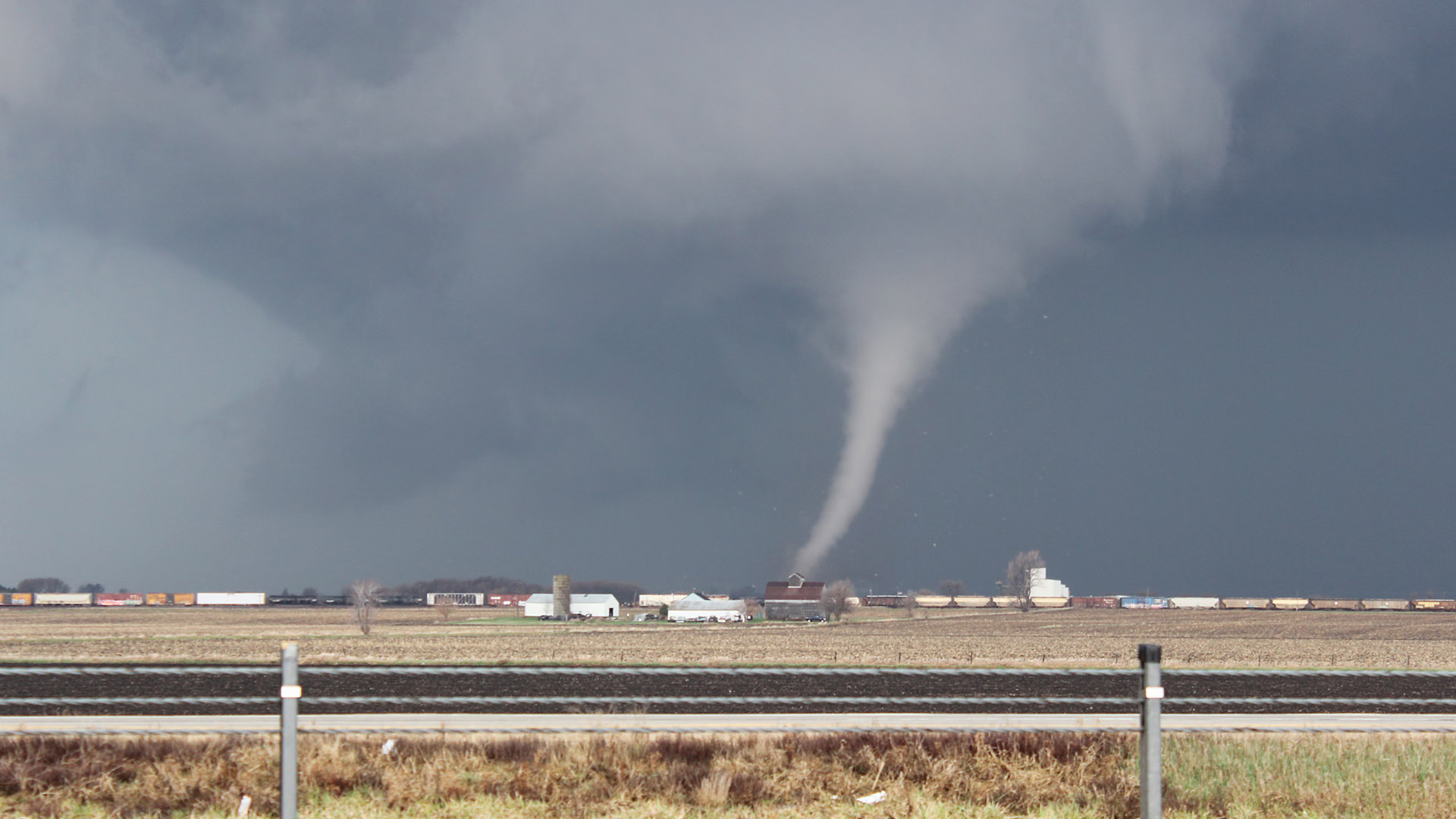
Investing in comprehensive travel insurance is highly recommended for any trip to Texas during spring. Look for policies that cover weather-related delays, cancellations, or interruptions, specifically severe weather events like tornadoes. This can provide financial protection for non-refundable bookings, missed flights, or unexpected accommodation costs should your plans be disrupted.
Furthermore, building flexibility into your itinerary is a smart travel tip. If you’re planning outdoor activities, have backup indoor options. For example, if you’re visiting Dallas, a planned day at Klyde Warren Park could become an afternoon exploring the Dallas Museum of Art or the Perot Museum of Nature and Science. In Houston, a visit to the Houston Zoo might be swapped for the Museum District or the Space Center Houston. This adaptability ensures that even if weather conditions change, your trip remains enjoyable and fulfilling.
Exploring Texas Safely: Attractions and Activities
Despite the potential for severe weather, Texas remains a captivating destination. Many of its most beloved attractions and experiences are perfectly enjoyable, provided you stay informed and adapt your plans as needed. This proactive approach allows you to fully immerse yourself in the local culture, savor the food, and create unforgettable memories.
Coastal Charms and City Sights
The Texas Gulf Coast, while not immune to severe weather, generally experiences different patterns, with hurricane season (June-November) being a more dominant concern. However, spring visits to coastal cities like Galveston can be delightful. Here, you can enjoy attractions such as the historic Strand District and Moody Gardens. Always check local forecasts, but these areas may offer a slightly different weather dynamic than inland regions during the peak tornado season.
Major cities across Texas boast an abundance of indoor attractions that are perfect for any weather conditions.
- In San Antonio, explore the historical depths of the Alamo or take a leisurely boat tour along the underground sections of the Riverwalk. The San Antonio Missions National Historical Park also offers significant indoor components in its visitor centers.
- Austin, the “Live Music Capital of the World,” offers countless indoor music venues, breweries, and museums like the Bullock Texas State History Museum.
- Houston is home to the world-renowned NASA Johnson Space Center, offering an immersive indoor experience, as well as an expansive Museum District filled with diverse cultural institutions.
- Dallas boasts impressive art galleries, the Sixth Floor Museum at Dealey Plaza, and vibrant shopping destinations like NorthPark Center.
These urban hubs are also where you’ll find a wide selection of accommodations, from luxury hotels to budget-friendly options, many of which are well-equipped to handle severe weather.
Inland Adventures and Cultural Hotspots
For those drawn to the natural beauty of Texas, areas like the Texas Hill Country offer stunning vistas, wineries, and charming small towns. While outdoor activities like hiking in State Parks might need to be adjusted based on weather, many wineries and small town attractions offer indoor experiences. For example, exploring the shops and art galleries in Fredericksburg or visiting distilleries in Dripping Springs can be enjoyed regardless of the weather outside.
Beyond the major cities, Texas offers a wealth of smaller towns with unique historical and cultural significance. Take Waco, for instance, home to the popular Magnolia Market at the Silos, which provides covered and indoor spaces, alongside the Dr Pepper Museum. Such destinations exemplify how Texas tourism can thrive even with the awareness of a tornado season, by focusing on resilient experiences.
Essential Safety Tips for Visitors
Being in a new place during severe weather can be daunting, but with a few simple precautions, you can ensure your safety and minimize stress. These tips are vital for anyone embarking on a Texas adventure during the spring months or indeed, at any time of year.
Staying Informed and Prepared
The key to navigating Texas tornado season is proactive awareness.
- Monitor Weather Forecasts: Before and during your trip, regularly check local weather forecasts. Use reliable sources like the National Weather Service (NWS) or local news channels. Many smartphone apps offer real-time weather alerts.
- NOAA Weather Radio: Consider downloading a NOAA Weather Radio app on your phone. These provide continuous broadcasts of weather information directly from the National Weather Service.
- Understand Alerts: Familiarize yourself with the difference between a Tornado Watch and a Tornado Warning.
- Tornado Watch: Means conditions are favorable for tornadoes to develop in or near the watch area. This is the time to review your safety plan and stay alert.
- Tornado Warning: Means a tornado has been sighted or indicated by weather radar, posing an imminent threat to life and property. This is when you should seek immediate shelter.
- Hotel Emergency Information: Upon arrival at your hotel or accommodation, locate the emergency exits and ask reception about their severe weather plan, including the location of designated shelters.
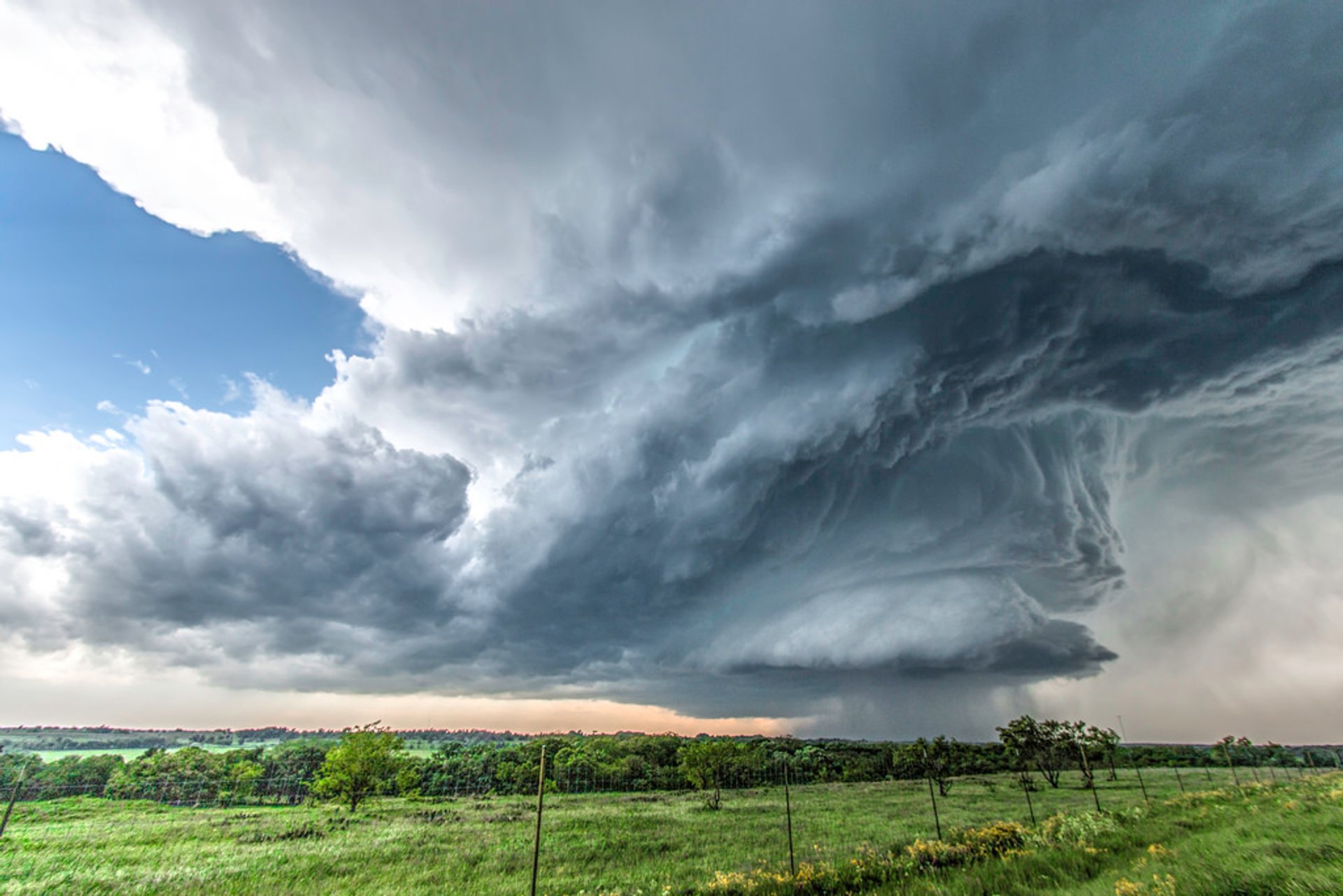
What to Do During a Tornado Warning
If a Tornado Warning is issued for your location, immediate action is necessary:
- Seek Shelter Immediately: Do not wait to see the tornado. Move to the lowest floor of your building, to an interior room, hallway, or a designated storm shelter.
- Avoid Windows: Stay away from windows, doors, and outside walls. These are the most vulnerable parts of a structure during a tornado.
- Protect Your Head: Get under a sturdy piece of furniture (like a table) or use your arms to protect your head and neck.
- Stay Informed: If possible, continue to monitor weather updates via your phone, but prioritize seeking shelter over staying glued to the screen.
- Vehicles and Mobile Homes: These offer little protection during a tornado. If caught in a vehicle or mobile home, seek sturdy shelter nearby. If no shelter is available, lie in a ditch or other low-lying area and cover your head with your arms.
By understanding the “when” and “where” of Texas tornado season, and by integrating these practical safety measures into your travel plans, you can embark on your Texas adventure with confidence. The vibrant culture, delicious food, and diverse landscapes of the Lone Star State await, ready to provide an enriching experience, regardless of the time of year. With a bit of informed planning, your journey through Texas can be as safe as it is memorable.