
Hawaii, a mesmerizing archipelago in the heart of the Pacific, beckons travelers with its dramatic volcanic landscapes, pristine beaches, vibrant coral reefs, and rich cultural heritage. Whether you’re dreaming of surfing legendary waves on the North Shore of Oahu or exploring the lush rainforests of the Big Island, understanding Hawaii’s climate is key to planning the perfect getaway. The question of “When is the wet season in Hawaii?” often arises, and while the islands enjoy a generally pleasant climate year-round, there are distinct periods of increased rainfall that can influence your travel decisions. This article will delve into the nuances of Hawaii’s weather patterns, focusing on its wet season, and how it can shape your island experience.
Understanding Hawaii’s Climate: A Tale of Two Seasons
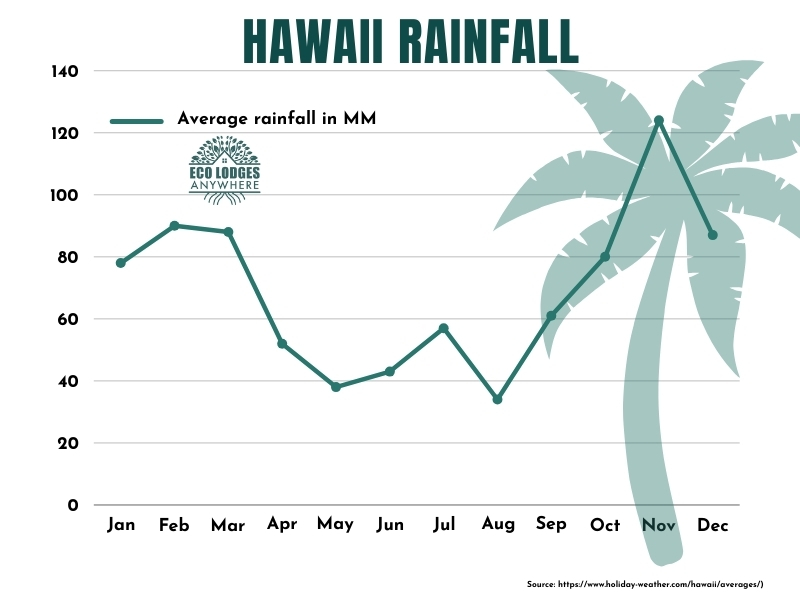
Hawaii experiences a tropical climate characterized by two primary seasons: a drier, warmer season and a wetter, cooler season. These seasons are not as pronounced as in temperate climates, but they are significant enough to impact visibility, activities, and the overall feel of the islands. The driest and warmest months typically run from April to October, while the cooler, wetter season generally occurs from November to March. However, it’s crucial to understand that “wet season” in Hawaii doesn’t equate to continuous downpours or a tropical monsoon. Instead, it signifies a period with a higher probability of rainfall, often in the form of brief, intense showers, particularly in the mountainous interior and on the windward (northeastern) sides of the islands.
The prevailing trade winds play a significant role in distributing rainfall across the islands. These winds blow consistently from the northeast, carrying moisture from the Pacific Ocean. As the moist air encounters the volcanic mountains, it is forced upward, cools, and condenses, leading to cloud formation and precipitation. This phenomenon is known as orographic rainfall. Consequently, the windward coasts of the islands tend to be wetter than the leeward (southwestern) sides, which are often in the rain shadow of the mountains.
For instance, the Hilo side of the Big Island is renowned for its lush, verdant rainforests due in large part to the abundant rainfall it receives, while the Kona coast, on the opposite side of the island, is significantly drier and sunnier, making it a popular choice for resorts and sun-seekers. Similarly, the north and east shores of Kauai, often referred to as the “Garden Isle,” experience more rainfall than the south and west coasts. This microclimate variation means that even within the wet season, you can find sunny pockets and dry areas for your vacation.
The Wet Season: November to March
The period from November through March is generally considered Hawaii’s wet season. During these months, the islands experience a noticeable increase in rainfall. However, it’s essential to dispel the myth of constant rain. While it is wetter, you can still expect plenty of sunshine, especially on the leeward coasts. The rain often comes in the form of passing showers, which can be refreshing and contribute to the vibrant greenery of the islands. These showers are frequently short-lived, clearing up to reveal sunny skies.
This period also coincides with the winter months in the Northern Hemisphere, which brings larger ocean swells to Hawaii, particularly to the north-facing shores of islands like Oahu. This makes it the prime season for experienced surfers to tackle the legendary waves of the Banzai Pipeline and Waimea Bay on the North Shore. For spectators, witnessing these incredible displays of athleticism is a must-do experience. However, for casual swimmers and families, these powerful waves can make certain beaches unsafe for swimming.
The increased rainfall during the wet season can also lead to more dramatic waterfalls, such as the Akaka Falls on the Big Island, becoming fuller and more spectacular. Hiking trails in rainforest areas can become more challenging due to muddy conditions, but the lush vegetation is at its most vibrant.
Impact on Travel Planning:
- Accommodation: During the wet season, you might find slightly better deals on hotels and accommodations, as it’s considered the “off-peak” season for some types of tourism. Resorts like the Grand Hyatt Kauai Resort and Spa or the Four Seasons Resort Maui at Wailea will still offer luxurious amenities and indoor activities for any rainy spells.
- Activities: While outdoor activities are still plentiful, it’s wise to have backup plans for indoor attractions like museums, cultural centers, or exploring local shops and restaurants. Consider visiting the Iolani Palace in Honolulu or the Bishop Museum. Driving tours through scenic areas are also a great way to experience the islands even if the weather is less than perfect.
- Packing: Light rain gear, including a waterproof jacket and umbrella, is advisable. Quick-drying clothing and waterproof footwear can also be beneficial.
The Dry Season: April to October
The dry season in Hawaii, running from April to October, is characterized by warmer temperatures and less frequent rainfall. This is often considered the peak tourist season, especially during the summer months when families are on vacation. The skies are generally clearer, and the ocean conditions are calmer, making it ideal for swimming, snorkeling, diving, and other water sports.
During the dry season, the leeward sides of the islands, such as the famous beaches of Waikiki on Oahu and the sunny shores of Maui, receive ample sunshine. This is the perfect time to relax on the sand, explore vibrant coral reefs, or take a boat tour to spot dolphins and whales. The trade winds, while still present, are often less intense, contributing to the warm and sunny atmosphere.
Impact on Travel Planning:
- Accommodation: Due to higher demand, accommodation prices can be higher during the dry season, especially for popular resorts and hotels. Booking well in advance is highly recommended. Consider popular destinations like Lahaina on Maui or the south coast of Kauai.
- Activities: This is the prime time for beach hopping, sunbathing, and enjoying the myriad of water activities. Snorkeling at Hanauma Bay or learning to surf in the gentle waves of Waikiki are classic experiences. Hiking in drier conditions is also more pleasant, allowing access to trails that might be muddy or inaccessible during the wet season.
- Packing: Lightweight, breathable clothing, swimwear, sunscreen, hats, and sunglasses are essential. You might still want a light jacket for cooler evenings, especially at higher elevations.
Island-Specific Rainfall Patterns
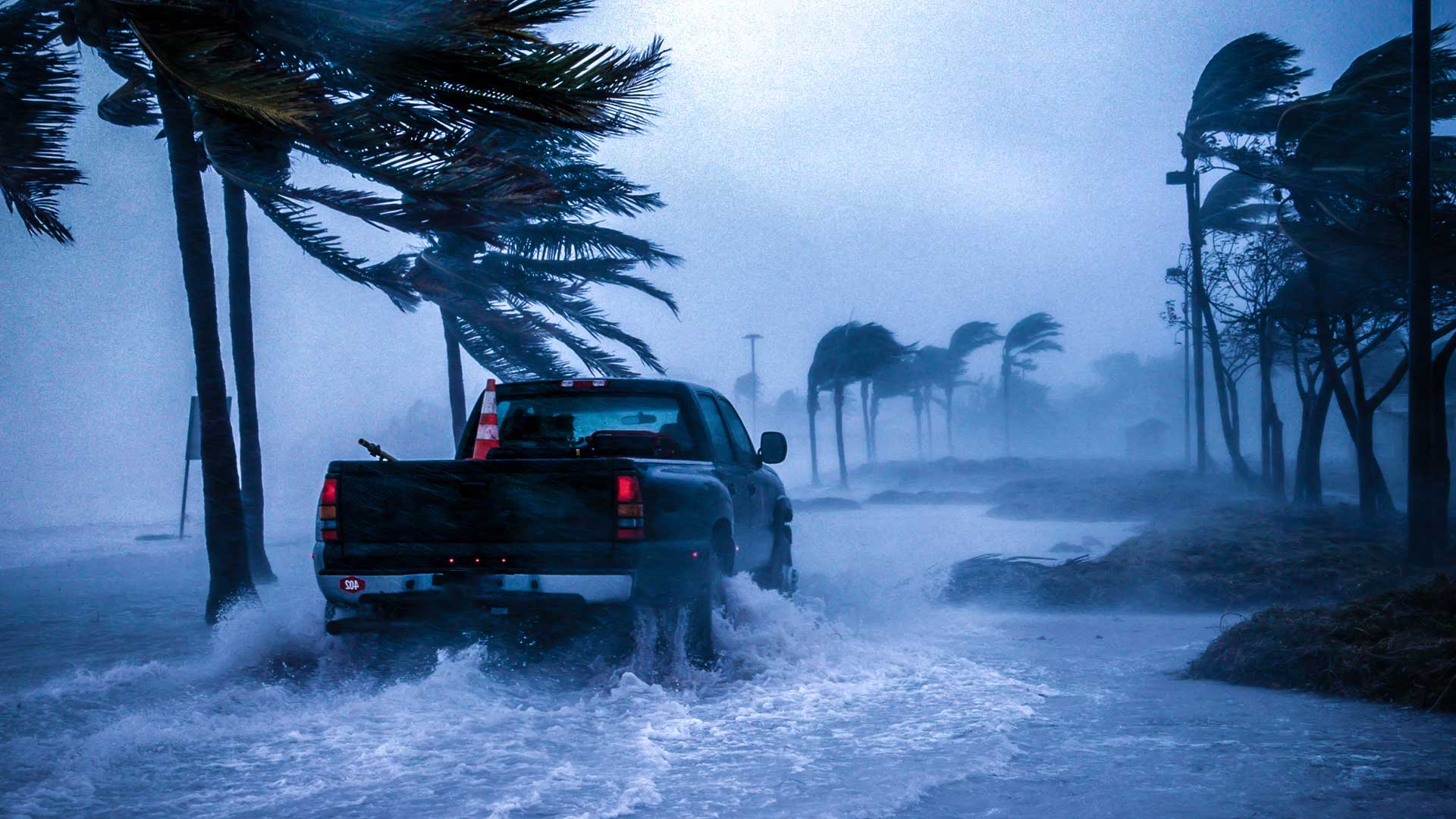
It’s important to remember that Hawaii is a chain of islands, and each island has its own unique climate and microclimates. This means rainfall can vary significantly from one island to another, and even within different regions of the same island.
Oahu
Oahu, the “Gathering Place,” has a distinct difference between its windward and leeward sides. The windward side, including areas like Kailua and Kaneohe, receives more rain throughout the year, with a noticeable increase during the November-to-March period. The leeward side, home to Honolulu and Waikiki, is considerably drier, with the wet season bringing more frequent, but usually brief, showers. The famous Pearl Harbor historical site is located on the leeward side and generally experiences sunny weather.
Maui
Maui, the “Valley Isle,” is known for its diverse landscapes. The central valley and the southwestern coast, including popular resort areas like Ka’anapali and Wailea, are typically dry and sunny year-round. The eastern side of the island, particularly the lush region of Hana, receives significantly more rainfall, even during the dry season. The wet season on Maui means more frequent rain showers on the windward slopes of the Haleakala National Park, but the popular tourist destinations on the west and south coasts generally remain pleasant.
Kauai
Kauai, the “Garden Isle,” lives up to its name with its incredibly lush vegetation, largely due to its high rainfall, especially on the north shore. The town of Hanalai and the famed Na Pali Coast experience substantial rainfall year-round, with a peak during the wet season. The south and west shores, including areas like Poipu and Waimea, are significantly drier, offering more sunshine and fewer rain interruptions for beach activities.
Big Island (Hawaii Island)
The Big Island is a land of dramatic contrasts. The Hilo side, on the northeastern coast, is one of the wettest places in the United States, with the wet season bringing even more substantial rainfall, contributing to its vibrant rainforests and cascading waterfalls. In contrast, the Kona coast on the western side is dry and sunny, making it a popular destination for resorts, coffee farms, and snorkeling. The Mauna Kea and Mauna Loa volcanoes, due to their high elevation, can experience snow and cold temperatures, especially during the wetter months.
Making the Most of Your Hawaiian Vacation, Rain or Shine
Regardless of when you choose to visit, Hawaii offers an abundance of experiences. The key is to be informed and adaptable.
Embracing the Wet Season: Opportunities and Considerations
While the term “wet season” might sound unappealing, it offers unique advantages. The landscape is at its most vibrant and verdant, waterfalls are at their most magnificent, and you might find better deals on flights and accommodations. For nature lovers, the increased rainfall paints the islands in brilliant shades of green.
- Wildlife Viewing: The wetter months can be excellent for whale watching, as humpback whales migrate to Hawaii’s warm waters to breed and calve. The season typically runs from December to May, with the peak often in January and February.
- Indoor Culture and Dining: Use any rainy spells to explore Hawaii’s rich cultural tapestry. Visit historical sites, art galleries, or indulge in the diverse culinary scene. From local plate lunches to fine dining, Hawaii’s food scene is a destination in itself. Consider trying some authentic Hawaiian food like poke or kalua pig.
- Photography: Rain can create dramatic lighting and atmospheric conditions, offering unique photographic opportunities. Rainbows are also a common sight during and after showers.
Maximizing Your Dry Season Experience
The dry season offers the quintessential Hawaiian vacation for many, with abundant sunshine and calm seas. This is the time to fully immerse yourself in beach life and ocean adventures.
- Water Sports Galore: From surfing lessons in Waikiki to snorkeling with sea turtles in Maui, the calm waters of the dry season are perfect for all skill levels. Diving excursions to explore shipwrecks or vibrant reef systems are also highly recommended.
- Hiking and Exploration: The drier conditions make hiking trails more accessible and enjoyable, allowing you to explore national parks and scenic vistas with ease. A sunrise or sunset viewing from the summit of Haleakala is an unforgettable experience.
- Festivals and Events: The dry season often coincides with major festivals and cultural events, providing opportunities to experience local traditions, music, and dance.
Ultimately, the “best” time to visit Hawaii depends on your personal preferences and what you hope to experience. While the wet season runs from November to March, the islands offer a unique charm and plenty of sunshine year-round. By understanding these climatic nuances and the specific characteristics of each island, you can plan a memorable Hawaiian adventure that perfectly suits your travel style. Whether you’re chasing epic surf or serene beach days, Hawaii awaits with its unparalleled beauty and aloha spirit.
LifeOutOfTheBox is a participant in the Amazon Services LLC Associates Program, an affiliate advertising program designed to provide a means for sites to earn advertising fees by advertising and linking to Amazon.com. Amazon, the Amazon logo, AmazonSupply, and the AmazonSupply logo are trademarks of Amazon.com, Inc. or its affiliates. As an Amazon Associate we earn affiliate commissions from qualifying purchases.