
Understanding California’s Tick Landscape
California, with its diverse geography ranging from sun-drenched beaches to dense redwood forests and rugged mountain ranges, is a prime destination for outdoor enthusiasts. However, this natural beauty also harbors a less appealing resident: ticks. Understanding when tick season truly is in California is crucial for anyone planning to explore its natural wonders, from hiking in Yosemite National Park to picnicking in Golden Gate Park. While many associate tick-borne illnesses with more temperate or humid climates, California’s varied environment means ticks can be active for significant portions of the year.
The Nuances of California Tick Activity
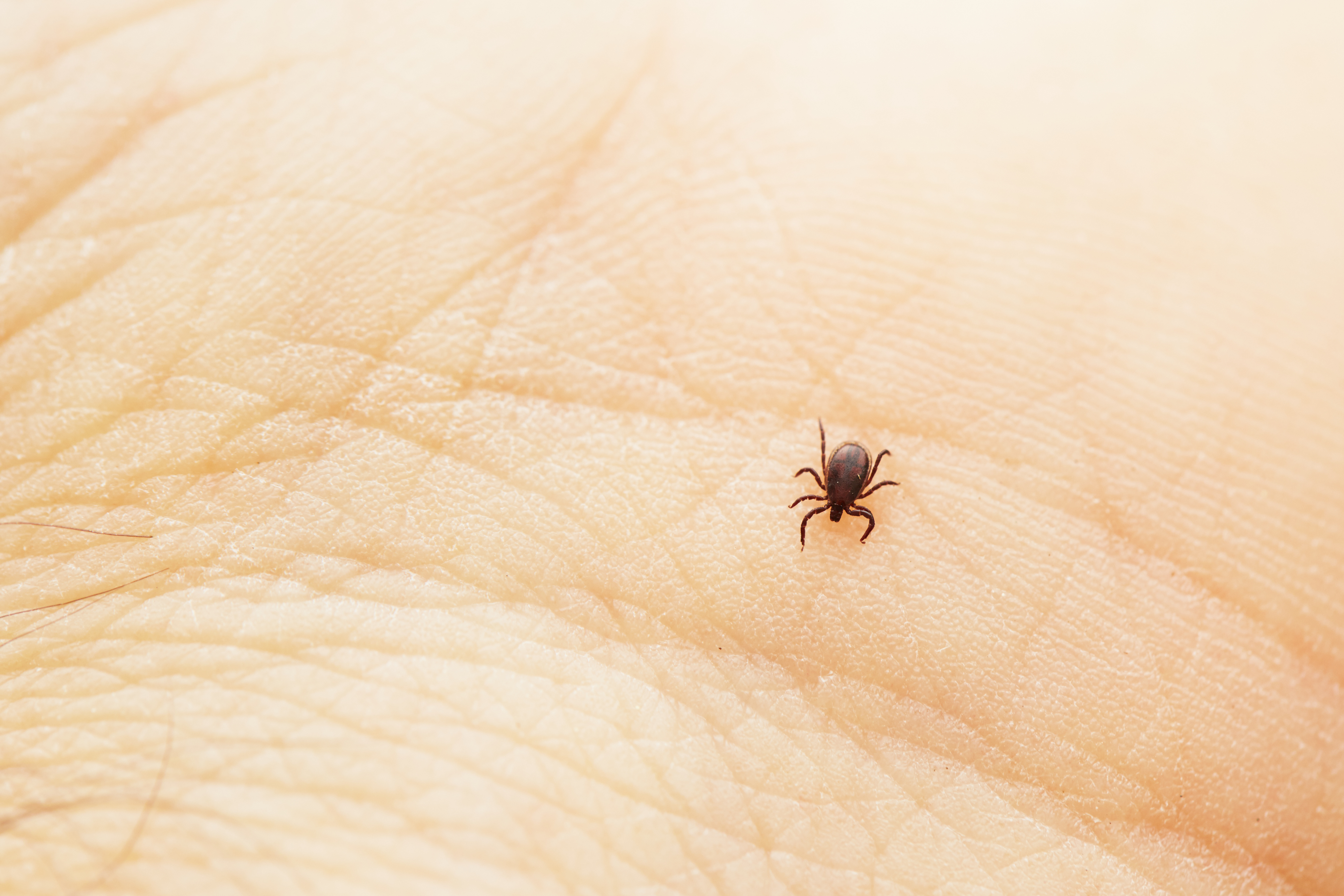
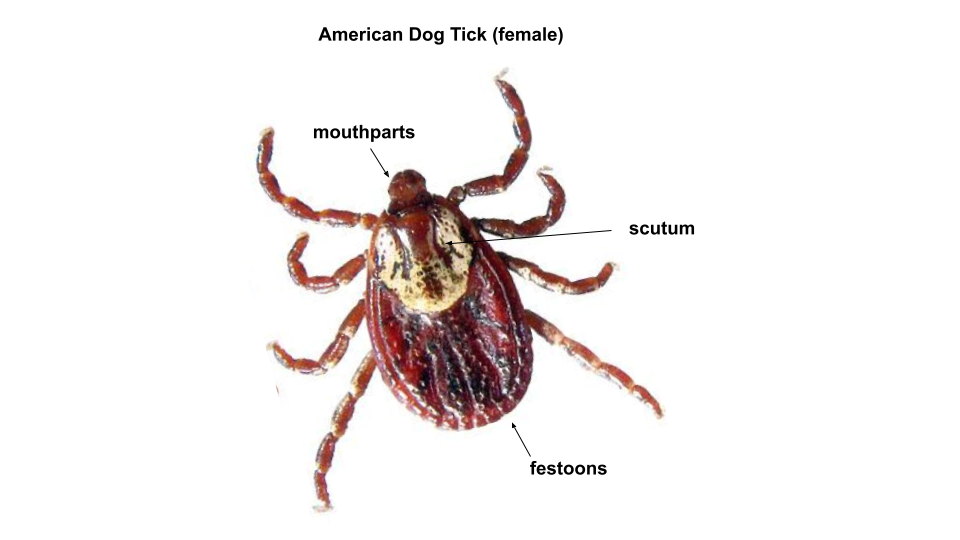
Unlike a single, universally defined “tick season,” California’s tick activity is more of a spectrum, influenced by microclimates, elevation, and precipitation. The most common ticks encountered in California include the Western black-legged tick ( Ixodes pacificus) and the American dog tick (Dermacentor variabilis). The Western black-legged tick is particularly concerning as it is a known vector for Lyme disease in California.
The perception of a distinct tick season often stems from the peak activity periods of these different tick species. Generally, the warmer, drier months tend to see a surge in tick populations, especially in their nymph and adult stages. However, this generalization can be misleading, as cooler, damper conditions in certain regions or at higher elevations can extend or even shift the active periods for ticks. This means that preparedness for tick encounters is not limited to a few summer months.
Factors Influencing Tick Activity
Several environmental factors play a significant role in determining when ticks are most active in California:
-
Temperature: Ticks are ectothermic, meaning their activity levels are directly tied to ambient temperature. They become more active as temperatures rise, seeking hosts to feed on. However, extreme heat and dryness can also limit their activity, as ticks need a certain level of humidity to survive. This creates a dynamic where peak activity might occur in the spring and fall in some areas, and during warmer, more humid spells within the summer in others.
-
Humidity and Moisture: Ticks are vulnerable to dehydration. Areas with higher humidity and consistent moisture, such as coastal fog belts, shaded forests, and areas with abundant leaf litter, can support tick populations for longer periods. This is why even in drier months, ticks might still be found in microhabitats that retain moisture.
-
Precipitation: Rainfall plays a crucial role in supporting tick habitats. Following periods of significant rain, especially in the fall and winter, the vegetation becomes lush, providing ideal conditions for tick survival and reproduction. This can lead to a subsequent increase in tick activity in the following spring and summer. Conversely, prolonged droughts can reduce tick populations.
-
Elevation and Habitat Type: Different elevations and habitat types in California support varying tick species and activity cycles. For instance, in the foothills and lower elevations, ticks might be more active during warmer periods. In higher, mountainous regions like the Sierra Nevada, the snowmelt and subsequent warmer temperatures dictate the start of the active season, which can be later than in coastal areas. Habitats such as tall grasses, brushy areas, and wooded environments are particularly favored by ticks.
Peak Tick Activity: When to Be Most Vigilant
While there isn’t a single, definitive “tick season” for the entire state, there are periods when vigilance is particularly advised. The general consensus among entomologists and public health officials points to a multi-phase activity cycle for ticks in California.
Spring: The Initial Surge
As temperatures begin to climb in the spring, typically from March or April onwards, ticks begin to emerge from their dormant states. This is when the adult stage of the Western black-legged tick becomes most active, seeking to feed and reproduce. Nymphs also become more active during this period. Spring often brings a combination of warming temperatures and increasing humidity from late winter rains, creating ideal conditions for these early-season tick activity. This makes hiking and exploring natural areas during spring a time when protective measures are highly recommended.
Summer: Continued Activity and Shifting Patterns
Throughout the summer months, tick activity continues, though it can be influenced by the intensity of the heat and the availability of moisture. In cooler coastal regions or at higher elevations, ticks can remain quite active. In hotter, drier inland areas, they might retreat to more shaded and humid microhabitats, but they are still present. The peak activity of the American dog tick, which prefers more open, grassy areas, often aligns with the warmer summer months. This means that even during peak summer vacation periods, the risk of encountering ticks remains.
Fall: A Second Wave
As summer heat subsides and autumn rains begin, the environment can become conducive to another surge in tick activity. The cooler, more humid conditions of fall often see a resurgence in the activity of adult and nymphal ticks. This “second wave” can extend well into November and sometimes even December in milder climates. Many people, assuming tick season is over after summer, may let their guard down during this period, making them more susceptible. Therefore, exploring autumn landscapes, whether in Big Sur or inland forests, still requires careful tick prevention.
Winter: Reduced but Not Absent Activity
While tick activity is significantly reduced during the colder winter months, it is rarely entirely absent, especially in the more temperate regions of California. In areas that do not experience hard freezes, ticks can remain active on warmer days, particularly if they are in sheltered locations with accessible hosts. Small mammals, which are often active year-round, can serve as hosts for ticks even in winter. Therefore, it is prudent to remain aware and take precautions if engaging in outdoor activities during milder winter periods.
Identifying High-Risk Areas and Activities
Understanding where ticks are likely to be found and what activities increase exposure is paramount for effective prevention.
Habitat Preferences
Ticks thrive in environments that offer a combination of host animals and suitable conditions for survival. In California, these include:
- Wooded Areas and Forests: Dense tree cover provides shade and humidity, creating ideal tick habitats. This is particularly true for forests in Northern California and the mountainous regions.
- Tall Grasses and Brushy Areas: Ticks are often found in the undergrowth of meadows, along the edges of trails, and in areas with dense vegetation. They wait for hosts to brush past, a behavior known as “questing.”
- Leaf Litter and Undisturbed Vegetation: Decomposing leaves and damp undergrowth can offer protection and moisture, allowing ticks to survive when not actively seeking a host.
Activities with Higher Risk
Certain outdoor pursuits naturally increase the likelihood of tick exposure:
- Hiking and Backpacking: Venturing into wilderness areas, especially on trails that pass through wooded or brushy terrain, significantly elevates the risk.
- Camping: Setting up camp in natural environments, particularly in forested or grassy areas, places individuals in close proximity to tick habitats.
- Gardening and Yard Work: Even in residential settings, maintaining gardens, especially those bordering natural areas, can expose individuals to ticks.
- Walking Pets: Dogs and cats frequently traverse areas where ticks are present, picking them up and potentially bringing them into the home.
Practical Prevention Strategies for Travelers and Locals
Being informed about tick season in California is only the first step. Implementing effective prevention strategies is key to enjoying the state’s natural beauty safely.
Personal Protective Measures
- Insect Repellents: Use EPA-registered insect repellents containing DEET, picaridin, IR3535, oil of lemon eucalyptus, para-menthane-diol, or 2-undecanone. Apply to exposed skin and clothing according to product instructions. For clothing and gear, consider products containing permethrin, which repels and kills ticks.
- Protective Clothing: Wear long-sleeved shirts and long pants. Tuck pants into socks and shirts into pants to create a barrier. Light-colored clothing can make it easier to spot ticks.
- Tick Checks: Conduct thorough tick checks on yourself, your children, and your pets after spending time outdoors, paying close attention to areas like the scalp, ears, armpits, groin, and behind the knees. Showering soon after coming indoors can help wash off unattached ticks.
- Properly Dispose of Clothing: If you’ve been in a tick-infested area, put your outdoor clothing in the dryer on high heat for at least 10 minutes before washing to kill any ticks.
Tick-Borne Disease Awareness
Understanding the risks associated with tick bites, such as Lyme disease and Rocky Mountain spotted fever, is crucial. Prompt removal of ticks and monitoring for symptoms are vital. If a tick is found attached, remove it promptly using fine-tipped tweezers. Grasp the tick as close to the skin’s surface as possible and pull upward with steady, even pressure. Avoid crushing the tick’s body or using folk remedies like petroleum jelly or heat. Disinfect the bite area and your hands.

Staying Informed
Public health agencies, such as the California Department of Public Health, often provide updated information on tick activity and tick-borne disease risks. Staying informed through these resources can help tailor prevention strategies to specific regions and times of year. While the concept of a singular “tick season” is an oversimplification for California, recognizing the periods of heightened activity and understanding the influencing factors allows for a more informed and safer engagement with the state’s magnificent outdoors. Whether you are planning a trip to the Anza-Borrego Desert State Park or exploring the Redwood National and State Parks, preparedness is key to a healthy and enjoyable experience.
LifeOutOfTheBox is a participant in the Amazon Services LLC Associates Program, an affiliate advertising program designed to provide a means for sites to earn advertising fees by advertising and linking to Amazon.com. Amazon, the Amazon logo, AmazonSupply, and the AmazonSupply logo are trademarks of Amazon.com, Inc. or its affiliates. As an Amazon Associate we earn affiliate commissions from qualifying purchases.