
For anyone planning a visit, considering a move, or simply residing in the Golden State, understanding the intricacies of California’s time change is more than just a matter of setting your clocks. It impacts everything from travel itineraries and hotel bookings to the rhythm of daily life and the enjoyment of the state’s countless attractions. California observes Daylight Saving Time (DST), a practice that shifts clocks forward by one hour in spring and back by one hour in fall, ostensibly to make better use of daylight. While its origins and efficacy are often debated, its presence significantly shapes the travel and lifestyle landscape across the state.
This guide delves into the specifics of California’s time change, exploring its schedule, implications for travelers and locals alike, and the ongoing discussions about its future. Whether you’re flying into Los Angeles, exploring the culinary scene in San Francisco, or planning an outdoor adventure in Yosemite National Park, knowing when and how the time shifts is crucial for a seamless experience.
Understanding Daylight Saving Time in California
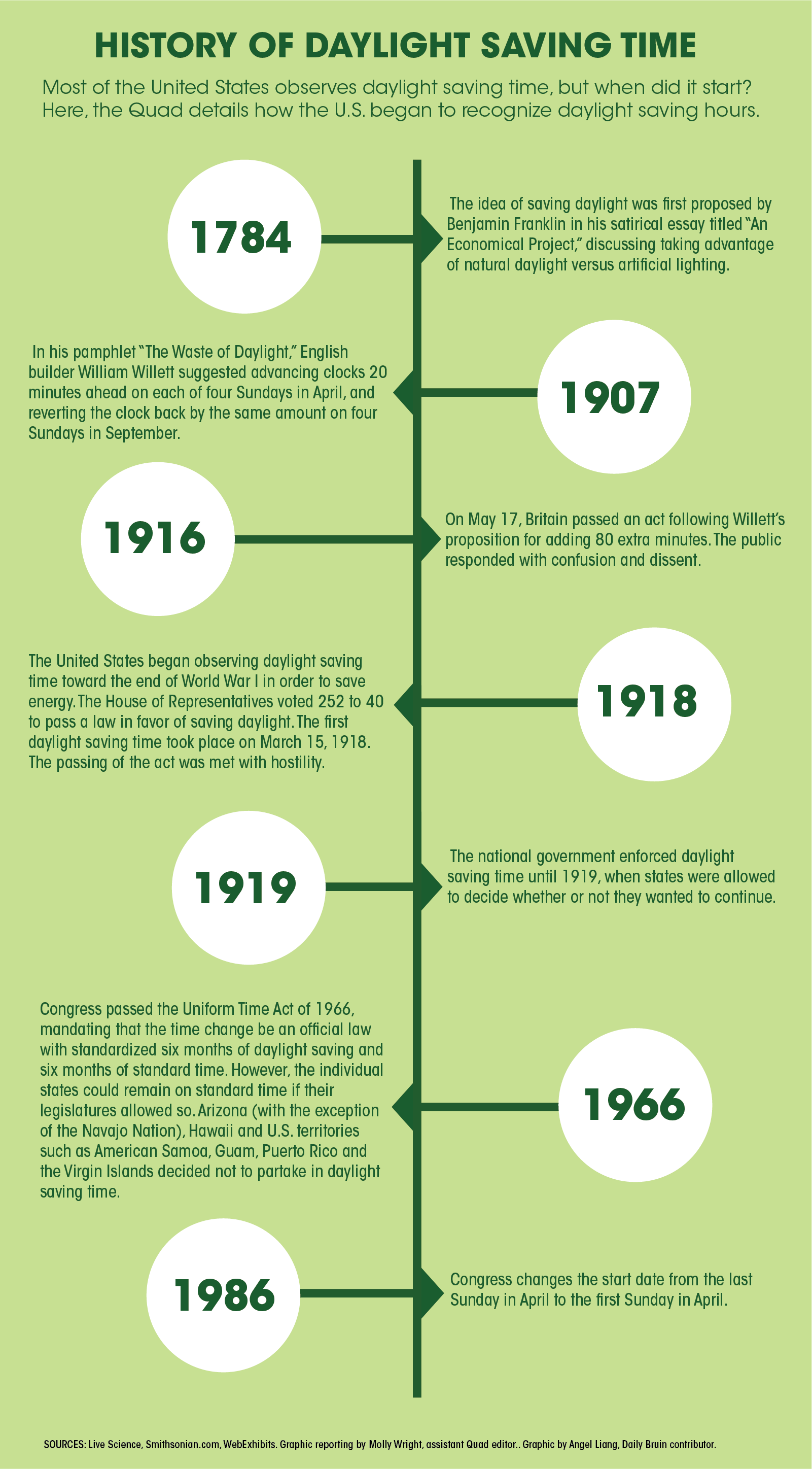
Daylight Saving Time is a perennial topic in many parts of the world, and California is no exception. While a ballot measure once sought to abolish it, the state continues to observe DST according to federal law. This means two distinct shifts occur each year, marking the official “spring forward” and “fall back” moments.
The Annual Shift: Spring Forward, Fall Back
The mechanism of Daylight Saving Time is straightforward: clocks move forward an hour in the spring and back an hour in the fall. The primary aim is to extend daylight into the evening hours during the warmer months, allowing for more outdoor activities and potentially saving energy. For travelers, this extra hour of daylight can be a significant bonus, perfect for exploring California’s diverse landmarks and destinations after a full day of sightseeing. Imagine catching a sunset view from the Golden Gate Bridge or enjoying an evening stroll along Santa Monica Pier with an extra hour of natural light.
Conversely, the “fall back” period means earlier sunsets, which can shorten the effective daylight hours for afternoon excursions. While this might feel like a drawback to some, it also heralds the beginning of cozy evenings, perhaps perfect for enjoying Napa Valley wine tastings or indulging in San Diego’s vibrant nightlife.
Key Dates to Remember
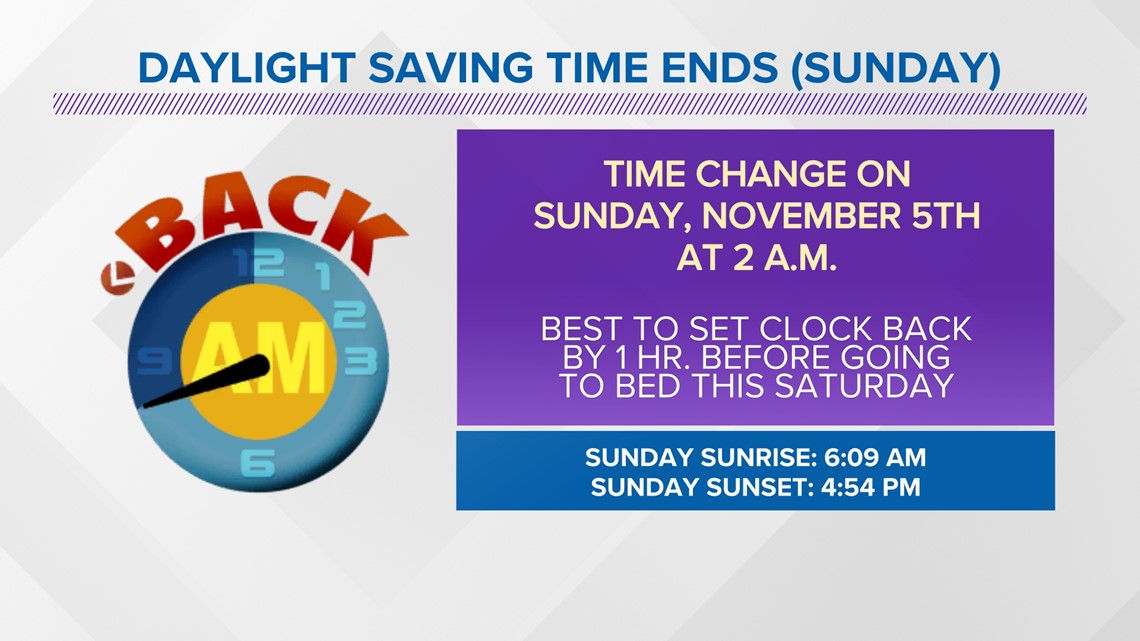
In California, as across most of the United States, Daylight Saving Time begins on the second Sunday in March and ends on the first Sunday in November.
- Spring Forward: On the second Sunday in March, at 2:00 AM Pacific Standard Time (PST), clocks are advanced one hour to 3:00 AM Pacific Daylight Time (PDT). This effectively means losing an hour of sleep, but gaining an hour of daylight in the evening. For anyone arriving in California on this particular weekend, it’s vital to adjust watches and devices accordingly to avoid missed flights, hotel check-ins, or tour departures.
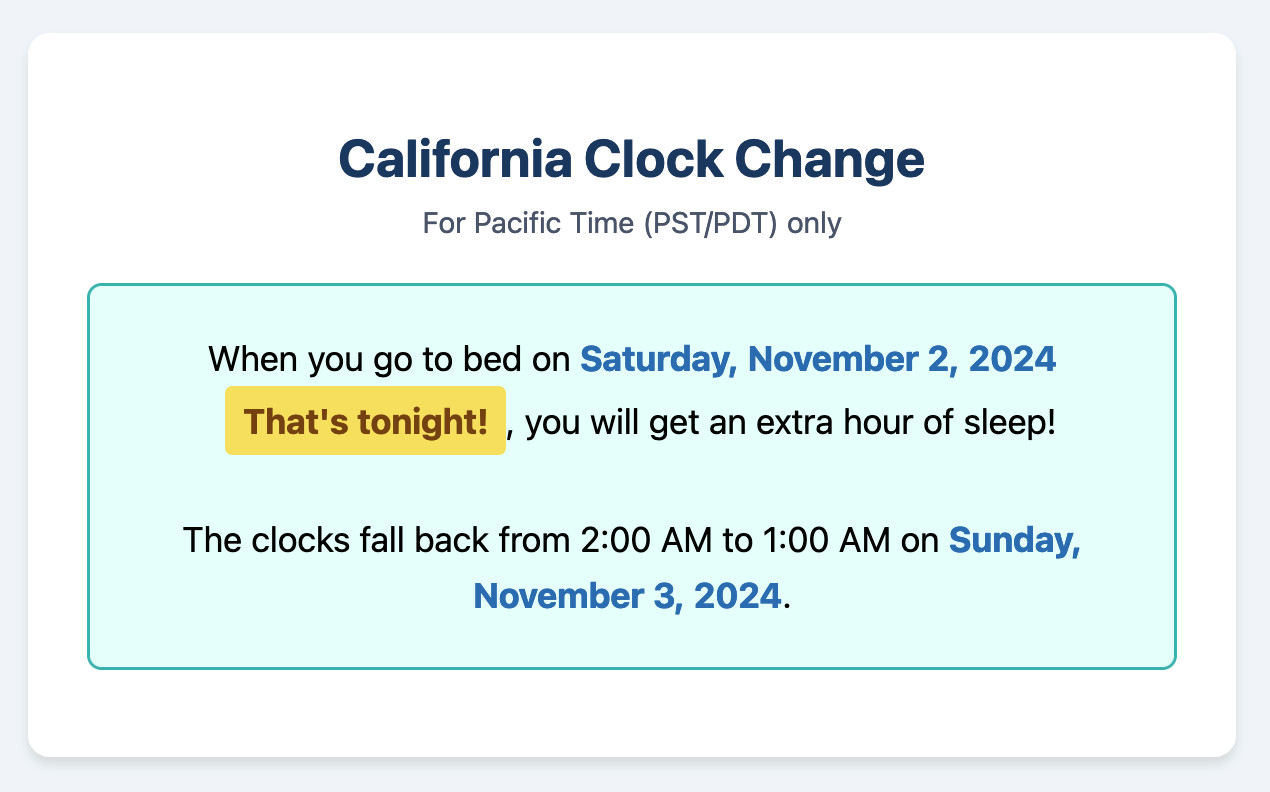
- Fall Back: On the first Sunday in November, at 2:00 AM Pacific Daylight Time (PDT), clocks are moved back one hour to 1:00 AM Pacific Standard Time (PST). This grants an extra hour of sleep (or an extra hour for late-night entertainment), and marks the return to standard time. This change can sometimes feel less disruptive, but still requires careful attention to schedules, especially for early morning activities.
For travelers, especially those crossing multiple time zones, these dates are critical. A slight miscalculation can lead to confusion, potentially impacting carefully planned itineraries, transportation, and rendezvous points. Most modern smartphones and digital devices will automatically adjust, but it’s always wise to double-check, particularly with analog clocks or when dealing with international travel arrangements.
Why the Controversy? A Look at Proposition 7
The debate around Daylight Saving Time isn’t new, and California has been at the forefront of this discussion. In 2018, California voters passed Proposition 7, a ballot initiative that granted the state legislature the power to change DST. The proposition aimed to allow California to either observe DST year-round or revert to year-round standard time, pending federal approval.
The arguments against DST often cite disruptions to sleep patterns, potential health impacts, and the actual energy savings being negligible or even negative. Businesses, particularly those reliant on precise scheduling like airlines and logistics, face operational challenges. Conversely, proponents argue that extended daylight hours boost retail sales, reduce traffic accidents and crime, and offer more opportunities for outdoor recreation, which aligns perfectly with California’s active lifestyle and vibrant tourism industry. Despite Proposition 7’s passage, federal law currently requires states to either observe DST or opt for year-round standard time. Remaining permanently on DST would require an act of Congress, a hurdle that has so far kept California in its current cycle of time changes. This ongoing legislative uncertainty adds another layer to understanding time in the Golden State.
Navigating Time Changes as a California Traveler
For travelers, the time change in California isn’t just an abstract concept; it has tangible effects on their journey. From booking accommodation to catching flights and tours, awareness is key to a smooth and enjoyable experience.
Planning Your California Itinerary: Pre- and Post-Change Considerations
When planning your California adventure, particularly around the March and November time changes, consider these points:
- Flight Schedules: Airlines always operate on local time. If your flight arrives or departs on the day of the time change, confirm the exact local time with your airline. An early morning flight scheduled for 7:00 AM PST might suddenly become 7:00 AM PDT (effectively 6:00 AM your internal clock), or vice versa. Missing a flight due to time confusion is a traveler’s worst nightmare.
- Tour and Activity Bookings: Many popular California attractions and experiences, from Disneyland tours to Napa Valley wine tours, operate on strict schedules. Always double-check your booking confirmations and be aware of the local time change. A morning tour that starts at 9:00 AM might feel an hour earlier or later than anticipated, impacting your ability to get there on time or enjoy breakfast beforehand.
- Driving Times and Appointments: If you have business appointments, medical visits, or specific reservation times for activities like visiting Universal Studios Hollywood or exploring Joshua Tree National Park, factor in the time change. Travel times between cities like San Francisco and Los Angeles remain constant, but your internal clock’s perception might shift.
Impact on Hotel Stays and Accommodation Bookings
For those staying in California hotels, resorts, or apartments, the time change can have subtle but important effects:
- Check-in/Check-out: While most hotels automatically adjust their internal clocks, the perception of time for guests can be tricky. If you’re checking out on the “spring forward” Sunday, you might feel rushed, having effectively lost an hour. Conversely, “fall back” can feel like an extra hour in bed, potentially leading to a more relaxed departure. Always confirm exact check-out times with the front desk.
- Hotel Amenities and Services: Dining hours, spa appointments, and shuttle services at your accommodation will all follow the new local time. If you have an early breakfast reservation or a spa treatment scheduled for the morning of the time change, ensure you’ve adjusted your personal clock to match.
- Long-Term Stays: For digital nomads or those on extended stays in California, adjusting to the shift becomes part of their temporary lifestyle. It’s an ideal opportunity to embrace the local rhythm and plan leisure activities accordingly.
Adjusting to the New Time: Tips for Visitors
Even a one-hour shift can throw off your internal clock, especially if you’re already dealing with jet lag from a long-haul flight. Here are some tips to help visitors adjust:
- Pre-Adjust: If possible, start adjusting your sleep schedule by 15-30 minutes a few days before the time change. For “spring forward,” try going to bed earlier; for “fall back,” stay up a little later.
- Embrace Natural Light: Upon arrival and after the time change, expose yourself to natural light, especially in the morning. This helps reset your circadian rhythm. Take an early morning walk along the beach in San Diego or explore the vibrant streets of Hollywood as soon as you wake up.
- Stay Hydrated and Eat Well: Good hydration and balanced meals can mitigate the effects of minor sleep disruption. Avoid heavy meals close to bedtime.
- Limit Caffeine and Alcohol: Especially in the evenings, these can interfere with your sleep cycle, making adjustment harder.
- Utilize Hotel Blackout Curtains: Ensure a dark sleeping environment in your hotel room to promote restful sleep, regardless of the sun’s position.
- Be Patient: Your body will eventually adjust. Don’t stress too much about the lost or gained hour; focus on enjoying your California adventure.
California Lifestyle and the Time Shift
Beyond the logistical challenges for travelers, the time change subtly weaves itself into the fabric of daily life and leisure in California. The state’s renowned outdoor-oriented lifestyle and vibrant social scene are both influenced by the changing hours of daylight.
Enjoying California’s Attractions with More Daylight
The “spring forward” change is often welcomed for the extended evening daylight it brings. This is particularly beneficial in a state like California, where outdoor activities are central to the culture and tourism appeal.
- Outdoor Exploration: With sunsets occurring an hour later, there’s more time to hike trails in Muir Woods National Monument, surf at Malibu, or cycle along coastal paths after work or sightseeing. This extra hour can transform a quick visit to a landmark into a more relaxed experience, allowing for lingering photos and deeper appreciation.
- Theme Parks and Entertainment: Theme parks like Disneyland and Six Flags Magic Mountain often extend their hours into the evening during peak seasons, perfectly aligning with the later sunsets. This provides ample opportunity for visitors to enjoy more rides, shows, and parades under the evening sky.
- Dining Al Fresco: California’s climate is ideal for outdoor dining. The extended daylight means more opportunities to enjoy sunset dinners overlooking the Pacific Ocean in Carmel-by-the-Sea or sipping cocktails on rooftop bars in Downtown Los Angeles well into the evening. This enhances the overall luxury travel and lifestyle experience that California is known for.
Dining and Entertainment Schedules
For both residents and tourists, the time change can affect dining and entertainment patterns.
- Restaurant Reservations: During “spring forward,” diners might find themselves making earlier reservations to catch the sunset, or simply adjusting to the new perception of time. During “fall back,” dinner reservations might feel later as darkness sets in earlier. Fine dining establishments in Beverly Hills or San Francisco will still operate on their set schedules, but your body clock might need a slight recalibration.
- Nightlife: The change can influence when people start their evenings out. With later sunsets, social gatherings and happy hours might naturally shift later in the spring and summer. In the fall, earlier darkness might prompt earlier starts to evening activities or a greater focus on indoor entertainment options.
- Local Culture: California’s diverse local culture often adapts to the changing seasons and daylight. Festivals, outdoor concerts, and community events will schedule their timings to best utilize the available light, whether it’s a late summer evening market or an early autumn harvest celebration.
The Pros and Cons for Residents and Businesses
While tourists experience the time change for a limited period, California residents and businesses live with its effects year-round.
- For Residents: Many residents appreciate the extended daylight for outdoor recreation, sports, and spending time with family after work. The darker mornings in spring can be a drawback, especially for those commuting or getting children ready for school. Health impacts, such as disrupted sleep cycles, are also frequently cited concerns.
- For Businesses: Retail and tourism sectors often benefit from more daylight, as it encourages people to stay out longer and spend more. Hotels, restaurants, and attractions might see increased patronage during these extended evening hours. However, industries dependent on strict scheduling or international coordination (like finance in Silicon Valley or trade through the Port of Los Angeles) face operational complexities due to different time standards across states or countries. For example, Arizona and Hawaii do not observe DST, creating a greater time difference during certain months, which can complicate interstate business stays and communication.
The Ongoing Debate: Will California Keep DST?
The passage of Proposition 7 in 2018 highlighted the strong sentiment in California for re-evaluating Daylight Saving Time. While the state still observes the biannual clock change, the legislative power to alter this tradition remains.
Proposition 7 and Legislative Efforts
Proposition 7 didn’t immediately change California’s time policy but gave the state legislature the authority to make such changes, provided they obtain federal approval. Since 2018, several legislative attempts have been made to implement the spirit of Proposition 7, primarily focusing on either adopting permanent Daylight Saving Time or permanent Standard Time.
These efforts reflect a broader national conversation. The desire to “lock the clock” and eliminate the biannual change stems from various concerns: reducing health impacts, improving public safety, and simplifying logistics for industries. The tourism industry, for example, could benefit from the stability of a consistent time, making it easier for international visitors to plan their trips without needing to account for an unpredictable time shift mid-vacation.
Potential Scenarios: Permanent DST or Standard Time?
Should California succeed in changing its time policy, two main scenarios are on the table:
- Permanent Daylight Saving Time: This would mean clocks would remain on PDT year-round. This option is popular among those who enjoy the extended evening daylight for outdoor activities and socializing. For the tourism sector, this could mean more consistent opportunities for evening attractions and events, enhancing the visitor experience and potentially boosting local economies. Imagine consistent late sunsets for beach trips in San Clemente or exploring the vineyards of Temecula Valley. The downside would be darker winter mornings, which could impact commutes and school schedules.
- Permanent Standard Time: This would mean clocks would remain on PST year-round, effectively abolishing DST entirely. This scenario is favored by those who advocate for consistency and argue against the health and safety impacts of the time changes. While it would mean earlier sunsets in the summer, it would also provide brighter winter mornings. For the tourism industry, it would simplify scheduling and potentially align California with neighboring states or Mexico in a more consistent manner, reducing confusion for cross-border travelers.
The path forward for California remains uncertain, contingent on further legislative action and, crucially, federal approval from the United States Congress. Until then, the biannual time change remains a fixed, albeit debated, aspect of life and travel in the Golden State.
In conclusion, understanding when the time change occurs in California is essential for anyone interacting with the state, whether as a resident, a short-term visitor, or someone planning a long-term stay. The “spring forward” in March and “fall back” in November are key dates that influence travel planning, hotel bookings, and the overall rhythm of California lifestyle. While debates continue and legislative efforts seek to potentially alter this tradition, for now, being prepared for the time change ensures a smoother, more enjoyable experience in one of the world’s most dynamic destinations. Always remember to adjust your clocks, confirm your schedules, and embrace the vibrant culture and breathtaking scenery that California has to offer, regardless of the time on the clock.
LifeOutOfTheBox is a participant in the Amazon Services LLC Associates Program, an affiliate advertising program designed to provide a means for sites to earn advertising fees by advertising and linking to Amazon.com. Amazon, the Amazon logo, AmazonSupply, and the AmazonSupply logo are trademarks of Amazon.com, Inc. or its affiliates. As an Amazon Associate we earn affiliate commissions from qualifying purchases.