
Florida, the Sunshine State, is renowned for its vibrant attractions, from the dazzling theme parks of Orlando to the pristine beaches of the Florida Keys. Millions flock to its shores annually, seeking sun-drenched vacations, thrilling adventures, and a taste of the unique Floridian lifestyle. For any traveler planning a trip to this popular destination, understanding the rhythm of daily life, including when clocks shift, is crucial. This leads to a fundamental question for many: “When is time change in Florida?”
While the concept of Daylight Saving Time (DST) might seem straightforward, Florida’s relationship with it has a history and nuances that are worth exploring. This guide delves into the current practices, historical context, and the implications for your travel plans, ensuring you’re always on time for your Florida adventures.
Understanding Daylight Saving Time in Florida
Daylight Saving Time is a practice of advancing clocks during warmer months so that darkness falls at a later hour of the clock. The primary goal is to make better use of daylight. In the United States, DST is observed by most states, typically beginning on the second Sunday in March and ending on the first Sunday in November. However, there are exceptions, and Florida, despite its sunny disposition, has had its own deliberations regarding this practice.
The Current Standard: Observing DST
As of the current federal law, Florida observes Daylight Saving Time. This means that for the majority of the year, clocks in Florida are set forward by one hour. The state aligns with the national schedule for starting and ending DST.
- Spring Forward: On the second Sunday in March, at 2:00 AM local time, clocks are advanced to 3:00 AM. This marks the beginning of DST. For travelers, this means losing an hour of sleep but gaining an extra hour of daylight in the evening. This extra daylight is a boon for those looking to extend their sightseeing, enjoy beach activities after dinner, or explore the vibrant nightlife of cities like Miami or Tampa.
- Fall Back: On the first Sunday in November, at 2:00 AM local time, clocks are set back one hour to 1:00 AM. This signifies the end of DST and the return to Standard Time. This change offers an extra hour of sleep and brings the sun to its more traditional setting times for the winter months.
This schedule affects all major tourist hubs and destinations across the state, from the theme park complexes in Orlando to the historic streets of St. Augustine and the luxurious resorts of Palm Beach. Whether you’re booked into a charming boutique hotel, a sprawling resort, or a cozy villa, this time shift will be a factor in your daily schedule.
The Historical Debate: A Permanent Daylight Saving Time?
Florida’s relationship with Daylight Saving Time hasn’t always been as straightforward as simply observing the national schedule. For years, there have been discussions and legislative efforts to make DST permanent in the state. The primary argument for permanent DST revolves around maximizing daylight hours, particularly during the winter months, which are a peak tourist season for Florida.
Proponents of permanent DST argue that:
- Economic Benefits: More daylight in the evenings could encourage more outdoor activities, leading to increased tourism revenue. Restaurants, shops, and attractions could potentially stay open longer, benefiting from extended daylight.
- Energy Savings: The original rationale for DST was to save energy by reducing the need for artificial lighting in the evenings. While the extent of these savings is debated, it remains a consideration.
- Safety and Well-being: Some studies suggest that more daylight in the evenings can lead to reduced traffic accidents and lower crime rates, as visibility is improved. Additionally, it can offer more opportunities for exercise and recreation.
In 2018, the Florida Legislature passed a bill to observe year-round DST, but for this to take effect, it would require congressional approval. Federal law currently allows states to opt out of DST and remain on Standard Time permanently, but it does not grant states the authority to enact permanent DST without federal consent. This means that despite the state’s legislative actions, Florida continues to switch its clocks twice a year, in alignment with the rest of the nation that observes DST.
This ongoing debate highlights the unique position of Florida as a state deeply connected to outdoor activities and tourism, where every hour of daylight can feel precious. For travelers, it’s a reminder that while the time change is a predictable event, its potential permanence has been a topic of much discussion within the state.

Navigating Time Changes for Your Florida Travel
Understanding when time changes occur in Florida is essential for seamless travel planning. Whether you’re booking flights, scheduling tours, or arranging transportation, being aware of these shifts can prevent confusion and ensure you don’t miss out on any of your planned activities.
Packing and Planning: What to Consider
The twice-yearly time change might seem minor, but it can have practical implications for your trip:
- Flight Schedules: Airlines adjust their schedules to accommodate DST. While most booking systems automatically account for these changes, it’s always wise to double-check your flight times, especially if you’re booking well in advance or during the transition periods. A few hours of daylight can make a big difference when arriving at an airport like Miami International Airport or Tampa International Airport.
- Activity Bookings: If you’ve booked tours, restaurant reservations, or tickets to attractions like Walt Disney World or Universal Studios Florida, confirm the times. A 7:00 PM dinner reservation during Standard Time will feel like 6:00 PM during DST, and vice versa. This is especially relevant for evening entertainment and sunset cruises along the coast.
- Jet Lag and Adjustment: For international travelers, the time change in Florida might add another layer to managing jet lag. Be prepared for a slight adjustment period as your body adapts to the new time. Staying hydrated and sticking to a consistent sleep schedule can help.
- Communication: If you’re traveling with others or coordinating with local contacts, ensure everyone is on the same page regarding the current time. A quick confirmation message can prevent misunderstandings.
Accommodations and Local Life
Your choice of accommodation and the activities you engage in can also be influenced by the time change.
- Resorts and Hotels: Many resorts and hotels in Florida, such as the Ritz-Carlton Orlando or the Fontainebleau Miami Beach, have extensive activity schedules. Be mindful of how DST might affect the timing of pool hours, guided tours, or evening entertainment. The extra daylight during DST is particularly beneficial for enjoying the extensive amenities offered by these establishments.
- Local Culture and Tourism: Florida’s tourism thrives on its outdoor appeal. From exploring the Everglades National Park to enjoying the nightlife in Ybor City, the longer evenings during DST can offer more opportunities for exploration. Conversely, during Standard Time, you might find yourself adjusting to earlier sunsets, which can be a pleasant change for those who prefer cooler evening temperatures for their activities.
- Long-term Stays: For those considering a long-term stay or a seasonal residence in Florida, understanding the annual rhythm of DST is key to integrating into the local lifestyle. It affects daily routines, social activities, and even the timing of local events.
The Unique Case of the Florida Panhandle
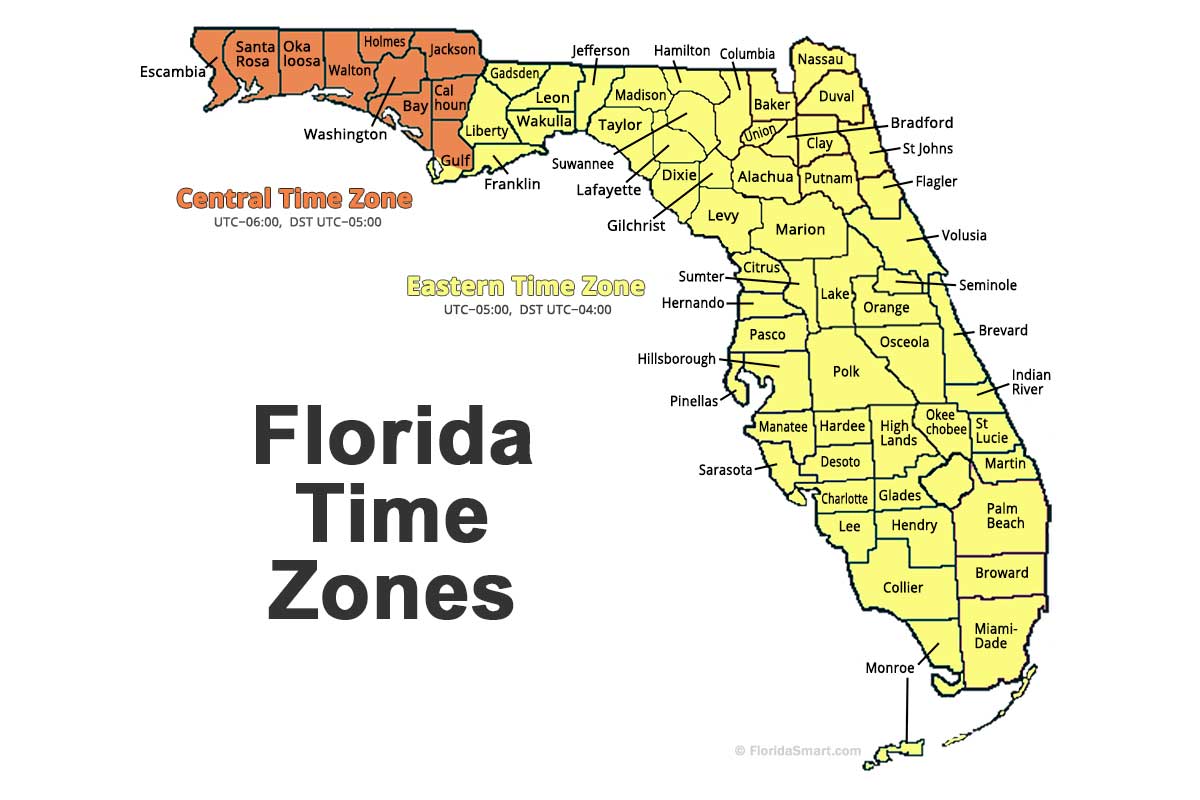
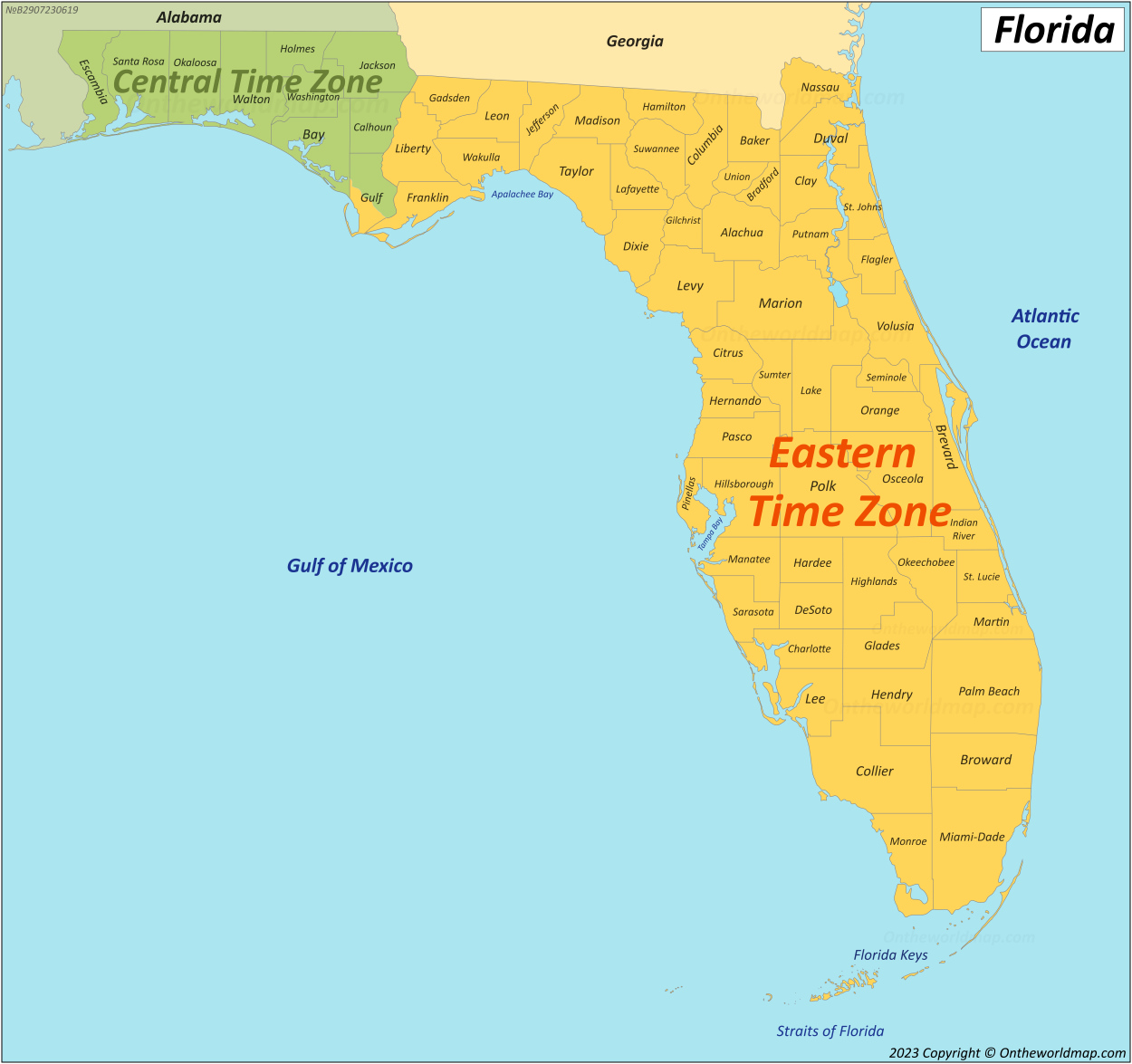
It’s important to note a geographical quirk that sometimes causes confusion regarding time in Florida. While the majority of the state operates on the Eastern Time Zone, a small portion of the western Florida Panhandle, near the border with Alabama, observes the Central Time Zone. This includes areas like Pensacola.
When Daylight Saving Time is in effect, the Eastern Time Zone is UTC-4, and the Central Time Zone is UTC-5. During Standard Time, the Eastern Time Zone is UTC-5, and the Central Time Zone is UTC-6. This means that while the entire state flips clocks forward or backward simultaneously according to its respective time zone, there will always be a one-hour difference between the Eastern and Central parts of the state.
- During DST: If it’s 3:00 PM in Miami (Eastern Daylight Time), it’s 2:00 PM in Pensacola (Central Daylight Time).
- During Standard Time: If it’s 3:00 PM in Miami (Eastern Standard Time), it’s 2:00 PM in Pensacola (Central Standard Time).
This distinction is crucial for travelers heading to or from the western Panhandle, as it impacts flight schedules, rental car returns, and any appointments scheduled in the region. Always verify the specific time zone for your destination within the Florida Panhandle.
Embracing Florida’s Time and Sunshine
The question “When is time change in Florida?” is more than just a query about clock adjustments; it’s about aligning with the rhythm of a state that celebrates its sunshine and outdoor lifestyle. By understanding the current practices of observing Daylight Saving Time, the historical context of the debate, and the practical implications for your travels, you can better plan your Florida vacation.
Whether you’re seeking luxury travel in a beachfront resort, a budget-friendly family trip exploring the natural wonders, or a cultural immersion in one of Florida’s charming towns, being aware of the time changes will ensure a smoother and more enjoyable experience. From the theme parks of Orlando to the historic forts of St. Augustine and the vibrant art deco district of Miami Beach, the Sunshine State awaits, and being on time will help you make the most of every sun-drenched moment.
LifeOutOfTheBox is a participant in the Amazon Services LLC Associates Program, an affiliate advertising program designed to provide a means for sites to earn advertising fees by advertising and linking to Amazon.com. Amazon, the Amazon logo, AmazonSupply, and the AmazonSupply logo are trademarks of Amazon.com, Inc. or its affiliates. As an Amazon Associate we earn affiliate commissions from qualifying purchases.