
Alabama, a state renowned for its vibrant history, stunning natural beauty, and warm Southern hospitality, offers an array of compelling experiences for travelers. From the sun-kissed beaches of the Gulf Coast to the majestic Appalachian foothills, and from bustling metropolitan hubs like Birmingham and Huntsville to charming historic towns such as Fairhope, there’s truly something for every visitor. However, for those planning a trip, understanding the state’s climate—especially its tornado season—is crucial for both safety and optimal trip enjoyment. While the weather rarely deters the intrepid traveler, being informed allows for better planning, ensuring a smooth and memorable journey.
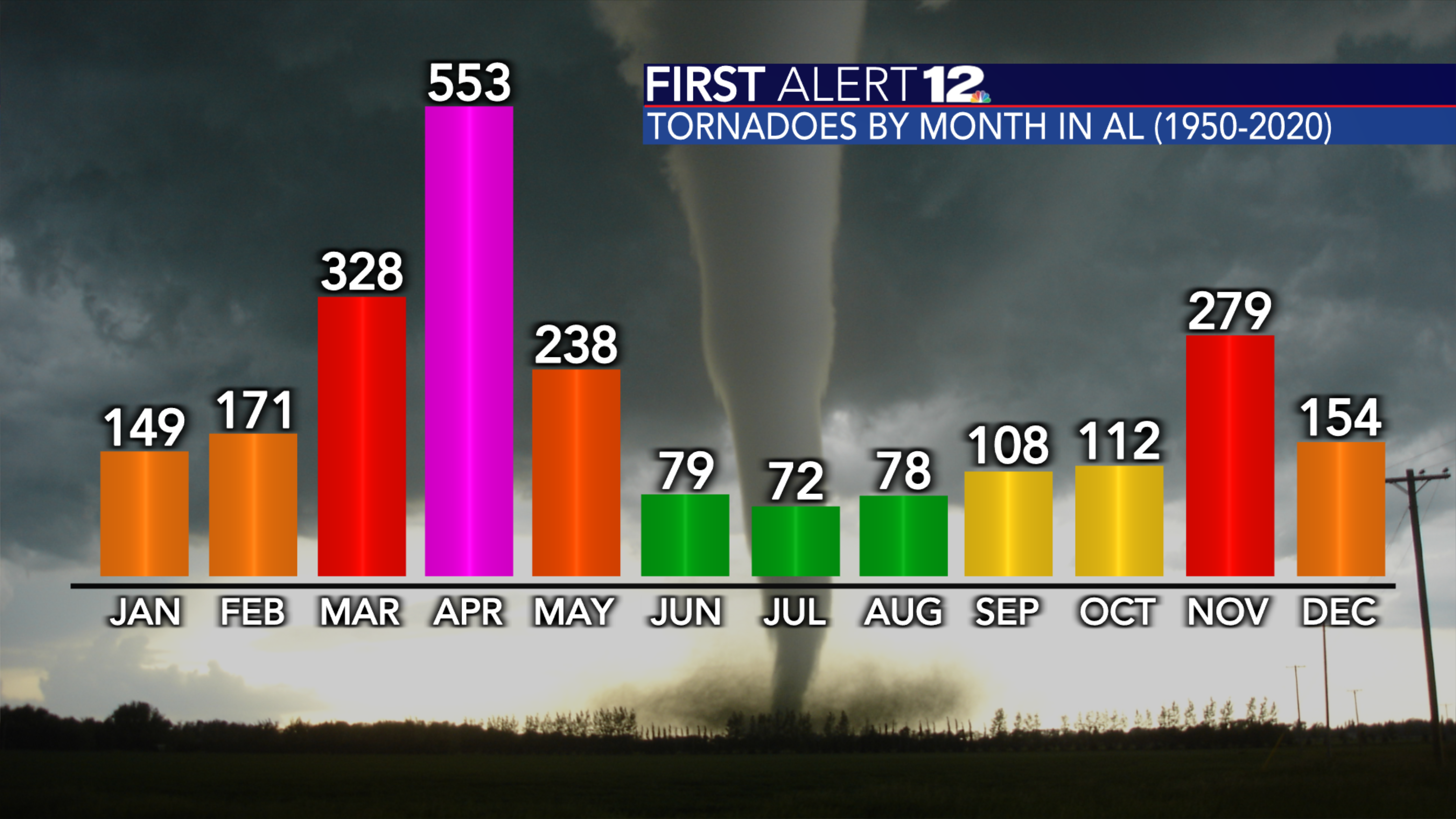
Alabama is unfortunately situated in what meteorologists often refer to as “Dixie Alley,” a region in the Southeast United States particularly susceptible to severe weather, including significant tornado outbreaks. Unlike the more commonly known “Tornado Alley” in the Great Plains, Dixie Alley experiences tornado events that can occur with less visibility, often in forested terrain, and sometimes even at night, posing unique challenges. Therefore, knowing when these seasons peak and how to prepare is an essential aspect of responsible travel and tourism in the state.
Understanding Alabama’s Tornado Seasons
Alabama’s tornado activity isn’t confined to a single, easily defined period. Instead, the state experiences a distinct bimodal pattern, meaning there are two primary seasons when the risk of tornadoes significantly increases. This characteristic sets Alabama apart from many other tornado-prone regions and necessitates a nuanced understanding for anyone planning a visit, considering accommodation, or exploring local attractions.
The Primary Spring Threat
The most active and historically significant tornado season in Alabama occurs during the spring months. This period typically spans from March through May, reaching its peak in April. During these months, the atmospheric conditions in the Southeast become highly conducive to severe thunderstorm development, often leading to tornadoes.
What drives this spring surge? It’s a combination of clashing air masses. Warm, moist air from the Gulf of Mexico pushes northward, meeting cooler, drier air descending from the continental interior. At the same time, strong jet stream dynamics provide the necessary wind shear—changes in wind speed and direction with height—that can cause storms to rotate and potentially produce tornadoes. The result is often intense supercell thunderstorms, capable of spawning long-track, powerful tornadoes. Historical data underscores the severity of this season, with numerous significant outbreaks having occurred during these months, impacting cities such as Tuscaloosa, Birmingham, and Huntsville. Travelers eyeing spring break or early summer vacations in Alabama should pay particular attention to weather forecasts during this window.
The Secondary Autumnal Surge
While spring captures most of the attention, Alabama also experiences a secondary, often underappreciated, tornado season in the fall. This period generally runs from November through early December. Though typically less intense and frequent than the spring season, the autumn tornadoes can still be quite dangerous.
The atmospheric ingredients for fall tornadoes are somewhat similar to those in spring. Cold fronts begin to push south from the northern latitudes, interacting with residual warm, moist air lingering over the Gulf Coast and inland Alabama. This clash, combined with strengthening upper-level winds as winter approaches, can generate severe weather. One of the distinguishing and more perilous aspects of fall tornadoes in Alabama is their tendency to occur after sunset. Nighttime tornadoes are notoriously more dangerous because they are harder to spot, and many people are asleep, making it challenging to receive and act on warnings. For visitors exploring Alabama’s scenic parks or enjoying its vibrant city life during the cooler autumn months, vigilance regarding weather updates remains key.
Why Alabama Is a Tornado Hotspot
Understanding the “when” is important, but grasping the “why” Alabama is so susceptible to tornadoes further enhances awareness for travelers. The state’s geographical position and meteorological conditions create a perfect storm, so to speak, for severe weather development.
Geographic Factors and Storm Dynamics
Alabama’s unique geography plays a significant role in its vulnerability. The state is situated directly north of the warm, moisture-rich Gulf of Mexico, which provides an abundant supply of humid air—a critical ingredient for severe thunderstorms. This moist air often streams northward, unrestricted by major mountain ranges, deeply into the state.
To the west and north, cold, dry air masses frequently descend from the interior of the United States. When these contrasting air masses collide over Alabama, it creates an unstable atmosphere. Furthermore, the topography of Alabama, which ranges from coastal plains to the foothills of the Appalachian Mountains, can influence storm development and movement. The presence of the Appalachians to the north and east can sometimes trap warm, moist air over the state, enhancing instability.
Crucially, the upper-level atmospheric conditions frequently align to produce strong wind shear over Alabama during both spring and fall. The jet stream often dips southward, bringing strong winds at higher altitudes that can twist and tilt rising air within thunderstorms, facilitating the formation of supercells and, consequently, tornadoes. The combination of ample moisture, atmospheric instability, and powerful wind shear makes Alabama a prime location for significant tornado activity, positioning it firmly within the infamous Dixie Alley alongside parts of Mississippi, Georgia, Tennessee, and Louisiana.
Navigating Travel and Tourism During Tornado Season
While awareness of tornado seasons is essential, it shouldn’t deter travelers from experiencing the charm of Alabama. With proper preparation and a proactive approach, visitors can safely enjoy the state’s myriad attractions and hospitality. This is where understanding safety protocols and smart travel planning come into play, especially when considering accommodation options and local activities.
Safety First: Preparedness for Visitors
For any traveler in Alabama during the spring or fall, safety should be paramount. The key is to stay informed and know what to do if severe weather strikes.
- Stay Informed: The most critical step is to monitor local weather forecasts. Use reliable sources like the National Weather Service (NWS) through its website, local TV news channels, or weather apps on your smartphone. Consider purchasing a NOAA Weather Radio for your car or hotel room if you plan an extended stay in a more rural area.
- Understand Alerts: Familiarize yourself with the difference between a “Tornado Watch” and a “Tornado Warning.” A Tornado Watch means conditions are favorable for tornadoes to develop in or near the watch area – this is a time to stay alert and have a plan. A Tornado Warning means a tornado has been sighted or indicated by radar, posing an imminent threat – this requires immediate action to seek shelter.
- Know Your Shelter: Upon checking into any accommodation—be it a hotel, resort, vacation rental, or a cozy bed and breakfast—ask staff about their severe weather plan and designated shelter areas. Most reputable establishments, especially in tornado-prone regions, will have procedures in place, often directing guests to interior hallways, basements, or specific designated safe rooms. If you are staying in a vacation rental or RV, identify the safest interior room (bathroom, closet) on the lowest floor, away from windows.
- Emergency Kit: While not strictly necessary for short-term travelers, it’s prudent to have essentials like a fully charged phone, a portable charger, and potentially a small flashlight.
- Evacuation Routes: If you’re staying in a coastal area prone to hurricanes, which can also spawn tornadoes, understand that hurricane evacuation routes are different from tornado shelter procedures. Tornado shelter is about immediate, localized protection.
By taking these precautions, travelers can significantly mitigate risks and maintain peace of mind while exploring Alabama.
Planning Your Alabama Adventure
Despite the bimodal tornado seasons, Alabama remains a fantastic travel destination year-round. Strategic planning, especially concerning timing and location, can enhance your experience.
- Optimal Travel Times: If you wish to entirely avoid the peak tornado seasons, the best times to visit Alabama are during the summer months (June through September) or the heart of winter (January and February).
- Summer: While hot and humid, summer offers consistently good weather for beach destinations like Gulf Shores and Orange Beach, water activities, and enjoying indoor attractions. Hurricane season is a consideration for coastal areas during this time, but typically the immediate threat from tornadoes is lower.
- Winter: Generally mild with fewer severe weather events, winter is excellent for exploring cities, historical sites, and cultural attractions without the crowds or extreme heat. Mountainous regions like those around Cheaha State Park offer crisp air and beautiful scenery.
- Flexibility: If your travel dates fall within the tornado seasons, build some flexibility into your itinerary. Have backup indoor activities planned, or be prepared to adjust plans slightly if severe weather is forecast. Many attractions have robust indoor offerings, from museums to aquariums.
- Accommodation Choices: When booking hotels or resorts, especially during peak seasons, consider properties that emphasize their safety measures. Larger, modern hotels often have robust construction and designated shelter areas that are clearly communicated. If booking through platforms for villas or apartments, don’t hesitate to inquire about severe weather plans with the host.
By keeping these factors in mind, you can enjoy all that Alabama has to offer, from its diverse landscapes to its rich cultural tapestry, without undue concern about the weather.
Exploring Alabama: Attractions and Accommodation Beyond the Weather
Alabama’s appeal extends far beyond its climate patterns. The state is a treasure trove of experiences, catering to various interests, from history buffs and nature lovers to foodies and luxury seekers. Integrating knowledge of tornado seasons into your travel plans allows you to fully immerse yourself in these experiences with confidence.
Iconic Landmarks and Cultural Experiences
Alabama boasts a wealth of landmarks and cultural institutions that are must-sees for any visitor. Whether you’re interested in the struggle for civil rights, the wonders of space exploration, or simply breathtaking natural beauty, Alabama delivers.
In Huntsville, the U.S. Space & Rocket Center offers an out-of-this-world experience, showcasing America’s journey to space and housing one of the world’s largest collections of space artifacts. It’s an ideal indoor activity, perfect for any weather conditions. Birmingham is home to the poignant Birmingham Civil Rights Institute and the historic 16th Street Baptist Church, essential stops for understanding a pivotal chapter in American history. In the state capital, Montgomery, visitors can explore the Rosa Parks Museum, the Dexter Avenue King Memorial Baptist Church, and the Legacy Museum, all contributing to a profound journey through civil rights history.
For those drawn to the natural world, Alabama presents diverse options. The USS Alabama Battleship Memorial Park in Mobile offers a historical maritime experience, while the pristine beaches of Gulf Shores and Orange Beach provide relaxation and water sports. Inland, Cheaha State Park, Alabama’s highest point, offers stunning vistas and hiking trails. The Little River Canyon National Preserve near Fort Payne is a marvel of deep canyons, waterfalls, and abundant wildlife. Golf enthusiasts can enjoy the renowned Robert Trent Jones Golf Trail, which spans across multiple locations, including Prattville, Point Clear, and Opelika, offering world-class courses regardless of the season.

Choosing Your Stay: Hotels, Resorts, and More
Alabama’s accommodation landscape is as varied as its attractions, ranging from luxurious resorts to charming boutique hotels and practical vacation rentals. When planning your stay, especially during the state’s tornado seasons, it’s wise to consider not just comfort and amenities, but also safety infrastructure.
In coastal areas like Gulf Shores and Orange Beach, you’ll find numerous upscale resorts such as the Grand Beach Resort or multi-story condominiums, many of which have robust construction and clear emergency procedures. In cities like Montgomery, Birmingham, or Huntsville, major hotel chains and independent properties like the Historic Downtown Inn often have reinforced structures and well-trained staff ready to guide guests to designated safe areas during a severe weather event. Don’t hesitate to check reviews for mentions of safety or inquire directly with the hotel about their tornado preparedness plans.
For those seeking a more secluded or unique experience, such as a cabin in Desoto State Park or a historic home rental in Mobile, ensure you have a way to receive weather alerts and understand the local recommendations for shelter. Some luxury lodges, like the hypothetical Luxury Mountain Lodge in the northern part of the state, might offer concrete-reinforced basements or dedicated safe rooms, providing an added layer of security. Regardless of your choice, ensuring your accommodation aligns with your safety needs is a critical aspect of responsible tourism.
In conclusion, while Alabama does experience distinct tornado seasons, particularly in spring (March-May) and fall (November-early December), this fact should not deter you from exploring this incredible state. With informed planning, vigilance regarding weather forecasts, and an understanding of local safety protocols, you can confidently immerse yourself in Alabama’s rich culture, diverse landscapes, and warm hospitality. The secret to a successful trip lies in preparation, ensuring that your Alabama adventure is not only unforgettable but also safe and secure.