
Alaska, the Last Frontier, offers a spectacle of nature that draws visitors from across the globe: the awe-inspiring presence of whales. Witnessing these magnificent marine mammals in their natural habitat is an experience that etches itself into the memory of any traveler. Understanding the nuances of whale season is paramount for planning an unforgettable Alaskan adventure, ensuring you maximize your chances of encountering these gentle giants.
The Prime Time for Whale Watching in Alaska
While specific whale species have their preferred timings, the overarching “whale season” in Alaska generally spans from late spring through early fall. This period coincides with the whales’ feeding grounds, as they migrate to the nutrient-rich Alaskan waters to take advantage of the abundant krill, plankton, and fish.
Spring Awakening: April to June
As the ice begins to recede and the waters warm slightly, the first whale sightings often commence in April. This is typically when the great migrations begin, with various species heading north.
- Early Migrators: Humpback whales are among the earliest to arrive, often seen in waters off Southeast Alaska and the Gulf of Alaska. These intelligent creatures are known for their elaborate breaching and tail-slapping displays, making for incredibly dynamic viewing opportunities.
- Gray Whale Passage: While the majority of gray whales pass by the coast of California earlier in their migration, a smaller contingent can be seen along the Alaskan coast during their journey northward. By late May and June, their presence becomes more noticeable, particularly in areas like Icy Strait Point and Glacier Bay National Park.
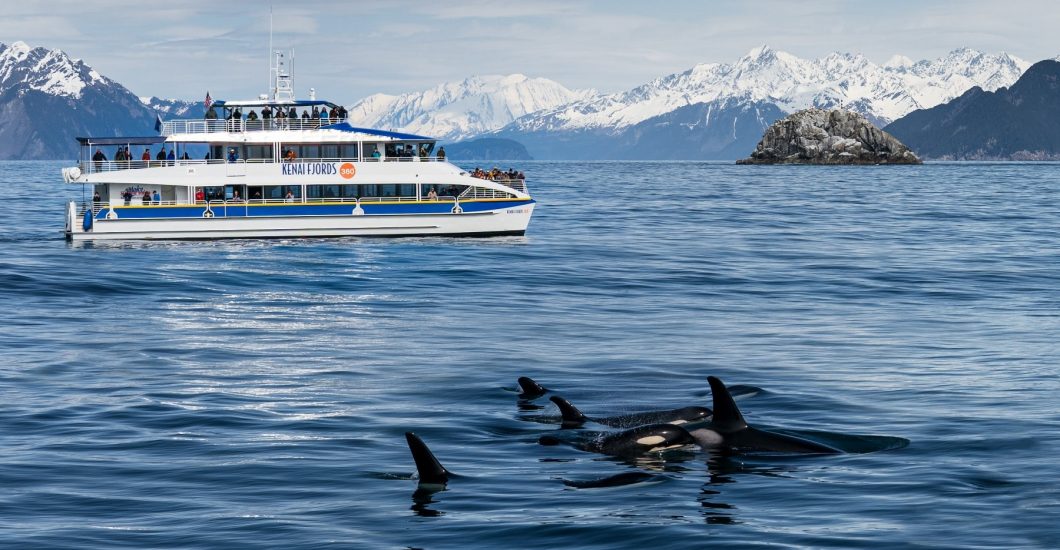
- Killer Whales (Orcas): While not strictly seasonal in the same way as baleen whales, killer whales are often spotted year-round, but their activity can increase in the spring as they follow prey such as seals and sea lions. Sightings are more frequent in areas where salmon runs are strong.
Summer’s Bounty: July to September
The heart of Alaskan whale season pulsates through the summer months. This is when the whale populations are at their peak, and the most diverse array of species can be observed. The long daylight hours of summer also provide ample time for exploration and whale watching tours.
- Humpback Dominance: July and August are arguably the best months for observing humpback whales. They are actively feeding, engaging in complex behaviors like bubble-net feeding, where they work cooperatively to corral prey. Locations like Juneau, Ketchikan, and the waters around Whittier become hotspots for these acrobatic feeders.
- Fin Whale and Minke Whale Sightings: These smaller baleen whales are also common during the summer. Fin whales, the second-largest cetaceans, and the more elusive minke whales are frequently seen in the same feeding grounds as humpbacks, offering a broader spectrum of whale encounters.
- Sperm Whales: While less commonly encountered than humpbacks or orcas, sperm whales can be seen in deeper offshore waters during the summer months, particularly in areas like the Bering Sea or the deep trenches off the Aleutian Islands.
- Dolphins and Porpoises: Beyond the larger cetaceans, summer is also the prime time to spot various species of dolphins and porpoises, which often travel in pods and are a delight to watch as they play in the boat’s wake or feed near the surface.
Autumn’s Farewell: September to October
As the weather begins to cool and the daylight hours shorten, whale activity starts to wind down. However, there is still a window for excellent whale watching in early autumn.
- Last Feedings: Many whales continue to feed in Alaskan waters well into September. This is a great time for a more intimate experience, as some of the summer crowds begin to disperse.
- Southward Migration: By late September and October, the majority of whales will have begun their southward migration to warmer breeding grounds. While sightings become less frequent, dedicated watchers may still encounter late-season visitors.
- Orca Encounters: Orcas remain a possibility throughout this period, especially if they are following salmon runs or other prey species that are still abundant.
Key Locations for Alaskan Whale Watching
Alaska’s vast coastline offers numerous prime locations for whale watching, each with its unique appeal and likelihood of specific species encounters.
Southeast Alaska: The Whale Watching Hub
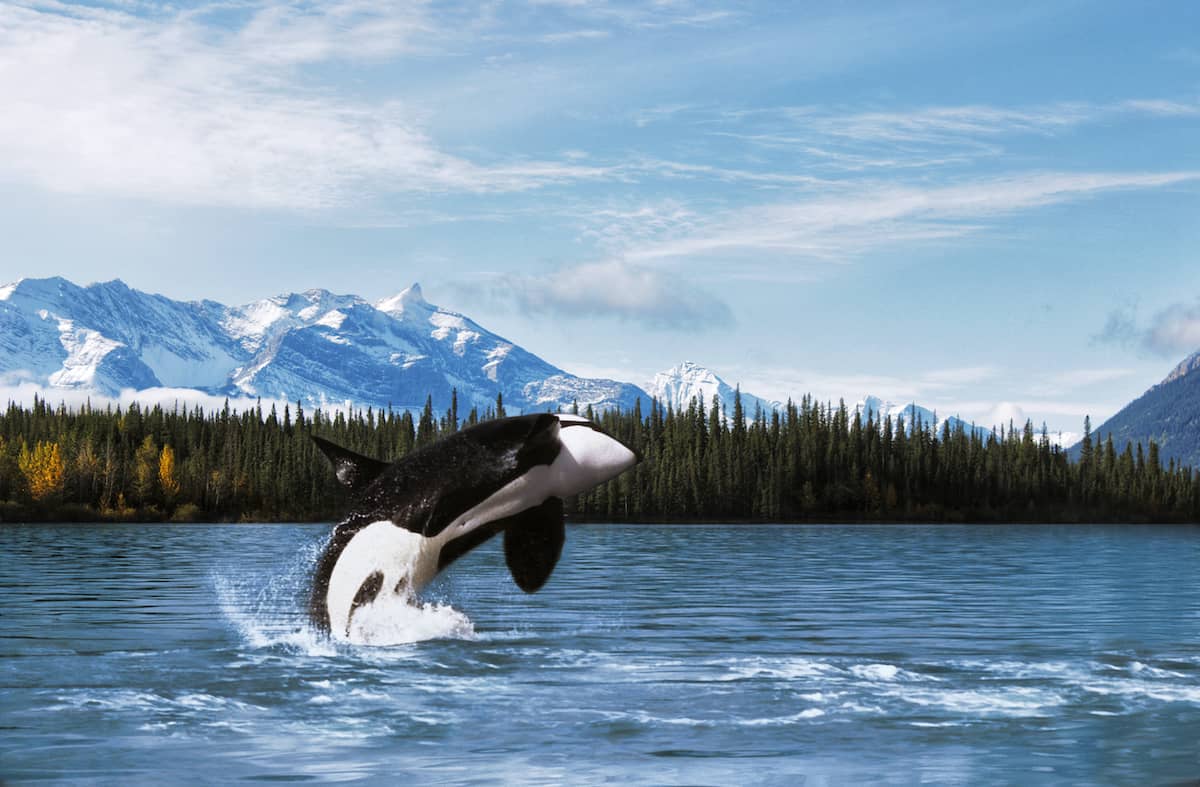
Southeast Alaska, also known as the Alaska Panhandle, is the undisputed king of Alaskan whale watching. The sheltered waters, abundant food sources, and accessibility make it a top destination.
- Juneau: As the state capital, Juneau is a popular cruise ship port and a gateway to incredible whale watching. Numerous charter companies operate from Auke Bay, offering excursions into Stephen’s Passage and Frederick Sound, renowned for their high concentration of humpback whales. The protected waters ensure a smoother ride and excellent viewing conditions.
- Ketchikan: Known as the “Salmon Capital of the World,” Ketchikan also boasts abundant marine life. Whale watching tours here often explore Revillagigedo Channel and nearby waters, where humpbacks, orcas, and sometimes minke whales are sighted.
- Glacier Bay National Park: This UNESCO World Heritage Site is a pristine wilderness offering an unparalleled natural experience. Glacier Bay is a critical feeding ground for humpback whales, and visitors on cruise ships or day tours have a high probability of seeing them, often at close range, amidst stunning glacial landscapes. The park’s rangers provide invaluable insights into the wildlife.
- Icy Strait Point: Located near Gustavus, Icy Strait Point is a lesser-known but exceptionally rewarding whale watching destination. Its waters are teeming with humpback whales, and the opportunities for both on-water tours and land-based viewing are exceptional. The area is also known for its sea otters and brown bears.
Southcentral Alaska: Dramatic Coastlines and Wildlife
The coastline of Southcentral Alaska offers a different, yet equally spectacular, whale watching experience, often characterized by dramatic fjords and the majestic presence of glaciers.
- Whittier: This small port town serves as a departure point for tours into Prince William Sound. The sound is a vital ecosystem, supporting a diverse marine population. Humpback whales, orcas, and various seabirds are frequently encountered here, often with glaciers as a stunning backdrop.
- Seward: Nestled on the Kenai Peninsula, Seward is a hub for marine adventure. Excursions from Seward venture into Resurrection Bay and beyond, offering opportunities to see humpback whales, orcas, ** Dall’s porpoises**, and puffins. The area is also famous for its sea otters.
- Homer: Situated on Kachemak Bay, Homer is known for its laid-back atmosphere and artistic community, but it’s also a gateway to fantastic wildlife viewing. Tours from Homer explore the bay and the surrounding waters, where humpback whales, sea otters, and seals are commonly seen.
Planning Your Alaskan Whale Watching Adventure
To make the most of your whale watching trip to Alaska, careful planning is essential.
Choosing the Right Tour
- Vessel Size: Consider the type of vessel. Larger, stable boats are good for comfort and can accommodate more people. Smaller, faster zodiac-style boats offer a more intimate and thrilling experience, getting you closer to the water and potentially the whales, but can be bumpier.
- Tour Duration: Tours range from a few hours to full-day expeditions. Longer tours generally offer a higher chance of multiple sightings and allow for exploration of a wider area.
- Expert Guides: Look for tours with knowledgeable naturalists or marine biologists on board. Their expertise enhances the experience, providing insights into whale behavior, identification, and conservation.
- Responsible Tourism: Choose operators committed to responsible whale watching practices, maintaining safe distances and minimizing disturbance to the animals.
What to Pack
The Alaskan weather can be unpredictable, even in summer. Layering is key.
- Warm Clothing: Fleece jackets, thermal layers, waterproof and windproof outer shells are essential.
- Headwear and Gloves: A warm hat and gloves will be appreciated, especially on deck.
- Sun Protection: Even on cloudy days, the sun’s rays can be strong, especially reflecting off the water. Sunscreen, sunglasses, and a hat are advisable.
- Binoculars: To enhance your viewing experience and spot distant whales or other marine life.
- Camera: To capture memories, but remember to stay present and enjoy the moment. Waterproof bags are recommended.
- Seasickness Medication: If you are prone to motion sickness, bring appropriate medication as a precaution.
Understanding Whale Behavior
Educating yourself about whale behavior can significantly enrich your viewing experience.
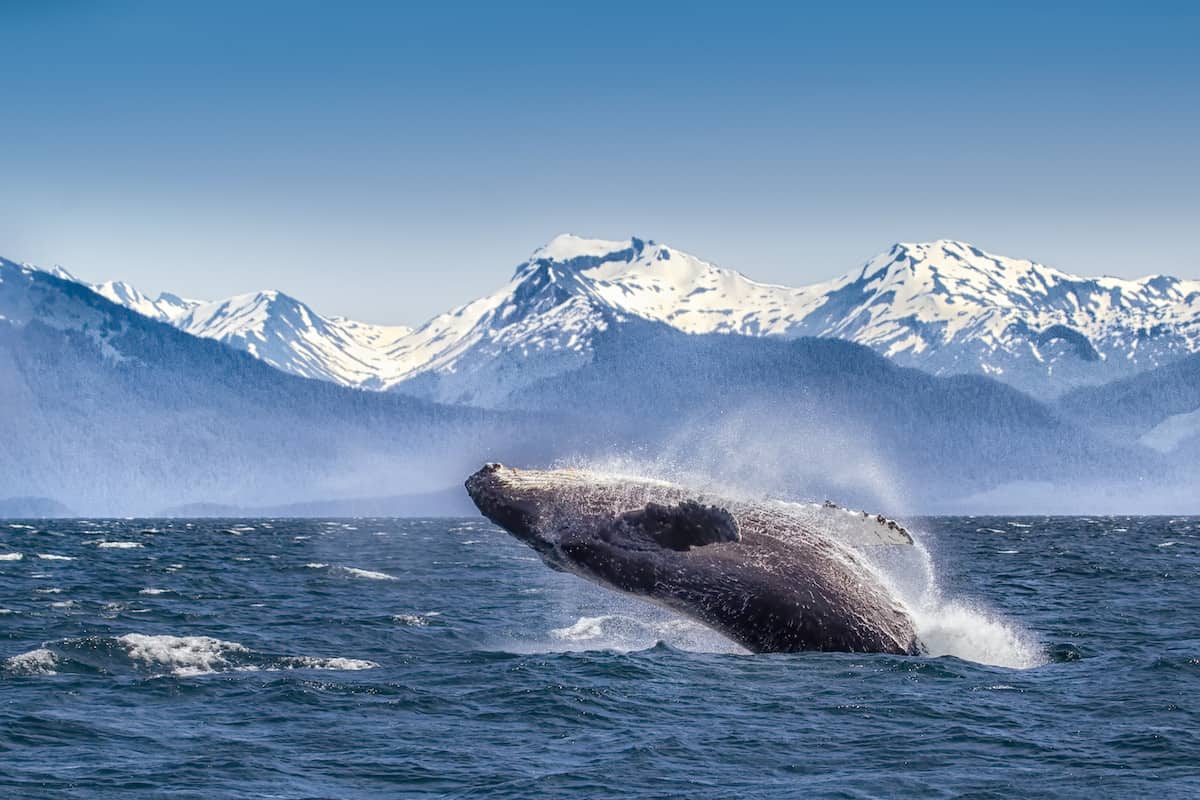
- Breaching: When a whale leaps out of the water, it’s a spectacular sight. The reasons for breaching are debated, possibly for communication, to remove parasites, or simply for play.
- Tail Slapping: A powerful splash made by a whale’s fluke. This can be a sign of agitation, a warning, or a form of communication.
- Spyhopping: When a whale raises its head vertically out of the water, appearing to look around. This behavior is often observed near shore or when whales are curious about boats.
- Bubble-Net Feeding: A cooperative feeding strategy primarily used by humpback whales, where they blow bubbles in a circle to corral fish.
By understanding the best times to visit and the prime locations, you can plan an Alaskan whale watching expedition that promises encounters with some of the planet’s most magnificent creatures in their breathtaking natural environment. The majestic dance of the whales in the pristine Alaskan waters is an experience that truly defines travel to this incredible state.
LifeOutOfTheBox is a participant in the Amazon Services LLC Associates Program, an affiliate advertising program designed to provide a means for sites to earn advertising fees by advertising and linking to Amazon.com. Amazon, the Amazon logo, AmazonSupply, and the AmazonSupply logo are trademarks of Amazon.com, Inc. or its affiliates. As an Amazon Associate we earn affiliate commissions from qualifying purchases.