
Whale watching in Alaska is an unparalleled experience, drawing countless visitors to its pristine waters each year. The sheer scale and raw beauty of the state, coupled with the magnificent marine life that thrives in its cold, nutrient-rich seas, create an unforgettable spectacle. Understanding the optimal timing for these expeditions is crucial for maximizing your chances of witnessing these gentle giants in their natural habitat. While some whales can be spotted year-round, the prime whale watching season in Alaska is distinctly seasonal, largely dictated by migration patterns and feeding habits.
The Prime Season for Alaskan Whale Watching
The vast majority of whale watching opportunities in Alaska occur from late spring through early fall, typically spanning from May to September. This window aligns perfectly with the warmer months when wildlife is most active and accessible, and tourist infrastructure is fully operational.
Late Spring: May to Early June
May marks the official start of the whale watching season in many parts of Alaska. During this period, Gray Whales are a prominent sight as they complete their epic 10,000-mile migration from the warm calving lagoons of Baja California to the abundant feeding grounds of the Bering Sea and Chukchi Sea. While their primary route takes them along the outer coast, some can be observed in the Gulf of Alaska. Humpback Whales also begin to arrive in significant numbers, returning from their breeding grounds in Hawaii and Mexico to feast on the burgeoning krill and small fish populations. The cooler temperatures and often calmer seas of late spring offer a serene backdrop for these initial encounters. Water clarity can be exceptional, and the longer daylight hours allow for extended tour durations, maximizing your time on the water.
Peak Season: Mid-June to August
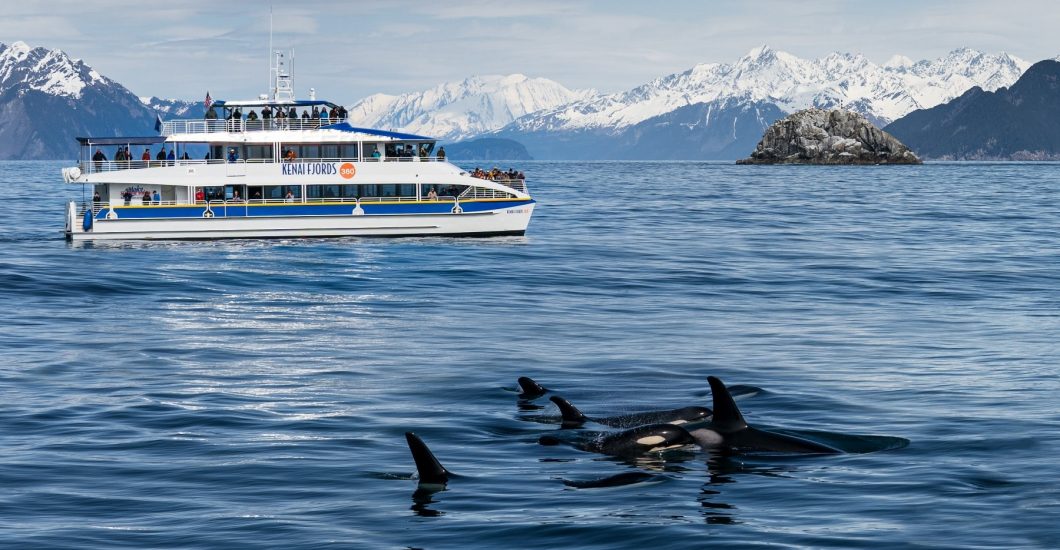
This is undoubtedly the absolute best time for whale watching in Alaska. By mid-June, the waters are teeming with life, and the whale populations are at their highest concentrations. Humpback Whales are ubiquitous, engaging in their spectacular feeding behaviors, including the famous “bubble-net feeding” which is a truly unforgettable sight. Orca (killer whales) are also frequently sighted, often hunting seals, sea lions, and even other whales. These apex predators, known for their distinctive black and white markings and intelligent social structures, provide a thrilling element to any tour.
The long daylight hours of the Alaskan summer mean more opportunities for tours, with many operators offering multiple departures daily. The weather is generally at its warmest and most stable, though coastal Alaska can always be unpredictable, so layers are essential. This period also coincides with the salmon runs, attracting not only whales but also bears and eagles, adding to the overall wildlife viewing experience. While popular, and therefore potentially busier, the sheer abundance of marine life during these months makes it well worth planning ahead to secure your spot.
Late Season: September
As summer transitions to autumn, the whale watching season begins to wind down. While numbers may start to slightly decrease as some whales begin their southbound migration, September can still offer excellent viewing opportunities. Humpback Whales are still present and actively feeding, often preparing for their long journey south. The crowds thin out, leading to a more intimate experience on the water, and the changing foliage on the surrounding landscapes adds a beautiful, dramatic element to the scenery. Photography enthusiasts often favor September for its softer light and stunning autumnal backdrops. However, the weather can become more unpredictable, with cooler temperatures and a higher chance of rain or wind.
Key Whale Species and Their Seasonal Presence
Alaska’s waters are home to a diverse array of cetaceans, each with its own migratory patterns and peak viewing times.
Humpback Whales
The stars of the show, Humpback Whales are the most commonly sighted whales in Southeast Alaska and the Gulf of Alaska. They arrive in May and remain through September, with peak sightings from June through August. Known for their acrobatic breaches, fluke-slaps, and intricate bubble-net feeding, they are truly captivating to watch. Their long pectoral fins, unique tail flukes, and powerful blows make them easily identifiable.
Orcas (Killer Whales)
Orca can be spotted year-round in Alaskan waters, particularly around the Inside Passage and Prince William Sound. However, their presence is more frequent and predictable during the summer months (June-August) when they follow their prey, primarily salmon, seals, and sea lions. There are both “resident” pods that tend to stay in certain areas and “transient” pods that travel more widely. Spotting a pod of Orca hunting cooperatively is an awe-inspiring experience.
Gray Whales

While their main migration occurs in spring (March-May), passing through the Gulf of Alaska on their way to the Arctic, some Gray Whales do linger in Alaskan feeding grounds during the summer. Early season tours in specific areas, such as around Kodiak Island and near Seward, offer the best chance to see these baleen whales with their mottled gray skin and barnacle-covered bodies.
Minke Whales
Minke Whales are present in Alaskan waters from late spring through fall, though they are generally more elusive and harder to spot than Humpback Whales. They are the smallest of the baleen whales commonly seen in Alaska and tend to be solitary. While not a primary target for whale watching tours, lucky visitors may catch a glimpse of them throughout the summer months.
Beluga Whales
Beluga Whales are unique to certain areas of Alaska and have very distinct viewing seasons. The most reliable place to see them is in Cook Inlet near Anchorage from July to August, though their population here is endangered and tours specifically targeting them are rare. They are distinguishable by their pure white color and “smiling” faces. They are typically found in shallower, estuarine waters.
Top Destinations for Whale Watching in Alaska
While Alaska is vast, several key regions and cities stand out for their exceptional whale watching opportunities.
Southeast Alaska & The Inside Passage
This region, accessible primarily by cruise ship or ferry on the Alaska Marine Highway System, is a powerhouse for marine wildlife.
- Juneau: As the capital, Juneau is a prime hub for Humpback Whale tours. Its proximity to rich feeding grounds ensures frequent sightings from May to September. Many tours combine whale watching with visits to Mendenhall Glacier.
- Sitka: On Baranof Island, Sitka offers excellent chances to see Humpback Whales and Orca, especially during the summer.
- Glacier Bay National Park and Preserve: A protected marine sanctuary, Glacier Bay is renowned for its high concentration of Humpback Whales, offering some of the most consistent and spectacular viewing in Alaska. Access is restricted, typically via cruise ship or authorized tour operators, ensuring a pristine environment.
- Ketchikan: While perhaps more known for its salmon fishing and totems, Ketchikan also offers good opportunities to spot Orca and Humpback Whales in its surrounding waters.
Southcentral Alaska & The Kenai Peninsula
This region provides more land-based access points and breathtaking scenery.
- Seward: Gateway to Kenai Fjords National Park, Seward is famous for its wildlife cruises that often guarantee whale sightings, primarily Humpback Whales and Orca, along with sea lions, puffins, and glaciers. The season runs from May through September.
- Homer: Situated on Kachemak Bay, Homer is a picturesque fishing town offering tours that often encounter Humpback Whales, Orca, and occasionally Gray Whales, especially in the early season.
- Valdez: In Prince William Sound, Valdez is an excellent starting point for cruises to see Orca, Humpback Whales, and even Minke Whales against a backdrop of towering glaciers and rugged fjords.
Planning Your Alaskan Whale Watching Adventure
A successful whale watching trip requires a bit of foresight and preparation to ensure an enjoyable and responsible experience.
Booking Tours and What to Expect
It is highly recommended to book your whale watching tour in advance, especially if you plan to visit during the peak summer months. Reputable tour operators adhere to strict marine wildlife viewing guidelines to minimize disturbance to the animals. Most tours range from 2 to 6 hours, providing ample time to locate and observe whales. Expect vessels to range from large catamarans with indoor and outdoor viewing areas to smaller, more intimate zodiac boats.

Essential Gear and Tips
- Layered Clothing: Even on a sunny day, it can be significantly cooler on the water. Bring waterproof and windproof outer layers, warm mid-layers, hats, and gloves.
- Binoculars: Essential for getting a closer look at distant spouts or subtle movements.
- Camera: A camera with a good zoom lens will help capture those once-in-a-lifetime moments. Don’t forget extra batteries and memory cards.
- Sun Protection: Sunglasses, sunscreen, and a wide-brimmed hat are important, as glare off the water can be intense.
- Seasickness Medication: If you are prone to motion sickness, take preventative measures before boarding.
- Patience: While tour operators work hard to find whales, nature is unpredictable. Enjoy the journey, the scenic beauty, and the other marine life you encounter.
- Responsible Tourism: Choose operators committed to ethical whale watching practices, maintaining safe distances, and respecting the whales’ natural behaviors.
By timing your visit correctly and preparing appropriately, your Alaskan whale watching experience will undoubtedly be a highlight of your travel adventures, connecting you deeply with the raw, untamed beauty of this incredible state.
LifeOutOfTheBox is a participant in the Amazon Services LLC Associates Program, an affiliate advertising program designed to provide a means for sites to earn advertising fees by advertising and linking to Amazon.com. Amazon, the Amazon logo, AmazonSupply, and the AmazonSupply logo are trademarks of Amazon.com, Inc. or its affiliates. As an Amazon Associate we earn affiliate commissions from qualifying purchases.