
Every year, the azure waters of Hawaii transform into a theater for one of the natural world’s most magnificent spectacles. The arrival of the North Pacific humpback whales—known locally as Kohola—is a highly anticipated event that marks a seasonal shift in the archipelago. These gentle giants travel thousands of miles from the nutrient-rich feeding grounds of Alaska to the warm, protected shallows of the Pacific Ocean surrounding the islands. For travelers planning a visit to the United States only tropical paradise, understanding the nuances of the whale watching season is essential to witnessing these 40-ton creatures breaching, tail-slapping, and singing beneath the waves.

Understanding the Migration Cycle of Humpback Whales
The presence of humpback whales in Hawaii is dictated by a rigid biological clock. Unlike resident marine life, these whales are migratory visitors that follow a strictly defined schedule based on their reproductive needs.
The Journey from Alaska to Hawaii
The migration of the humpback whale is one of the longest journeys undertaken by any mammal. Spending their summers in the North Pacific Ocean near Alaska, the whales feast on massive quantities of krill and small fish to build up a thick layer of blubber. As the Arctic waters begin to freeze and food sources become scarce, the whales begin their 3,000-mile trek south. They do not eat during their time in Hawaii; instead, they rely entirely on their fat reserves. The journey takes approximately four to eight weeks, with the first scouts usually appearing in the waters off Maui or the Big Island as early as October.
Breeding and Calving in the Warm Pacific
The primary reason these whales choose the Hawaiian Islands is for safety and warmth. The shallow, crystal-clear waters, particularly in the sheltered areas between islands, provide a sanctuary from predators like orcas. These conditions are ideal for mothers to give birth to calves, which lack the blubber necessary to survive the frigid northern temperatures. Furthermore, the warm environment is conducive to the complex social behaviors associated with mating. Male humpbacks engage in spectacular displays of physical prowess, known as “heat runs,” where they compete for the attention of a female, creating an incredible sight for those on a travel excursion.
The Peak Months for Sightings
While the official whale watching season in Hawaii is generally cited as running from November through May, the density of the whale population fluctuates significantly during this window. Travelers looking for the highest probability of sightings should aim for the midpoint of this timeframe.
December to February: The Early Arrivals
By mid-December, whale watching operators across Oahu and Kauai begin their daily tours in earnest. During this early phase, the population is still growing as more individuals arrive daily from the north. You are likely to see adult males and competitive groups first. This is a thrilling time to be on the water because the energy is high. On the Big Island, particularly along the Kona coast, sightings become frequent enough that many shore-based observers can spot spouts from the balcony of a resort or a coastal hiking trail.
February to March: Peak Season and Surface Activity
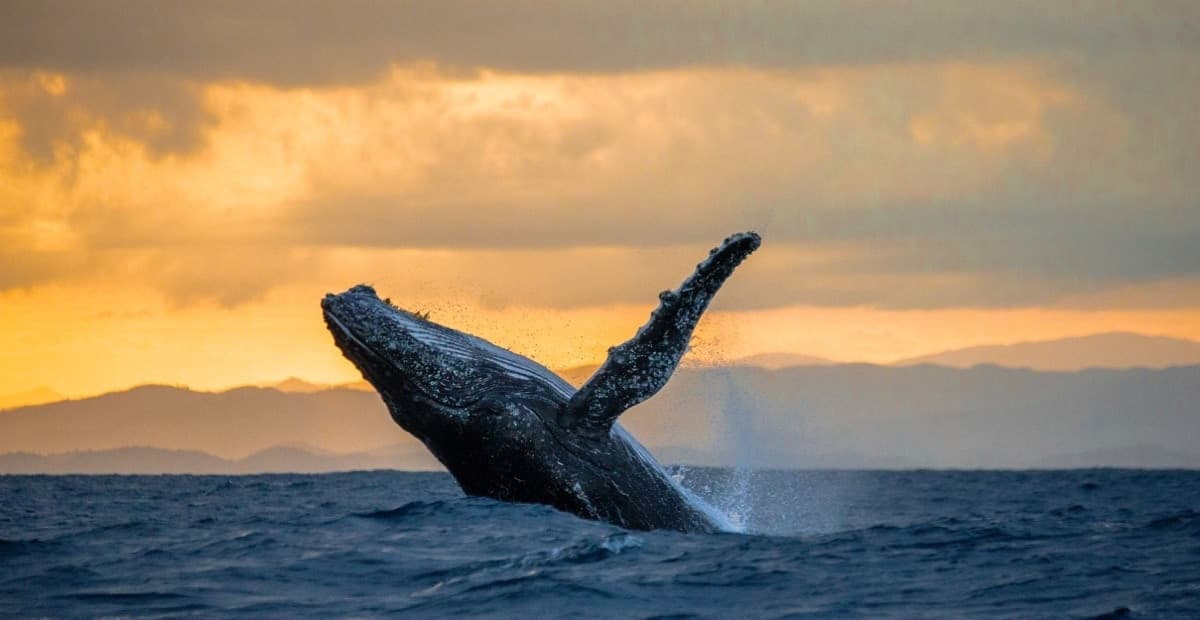
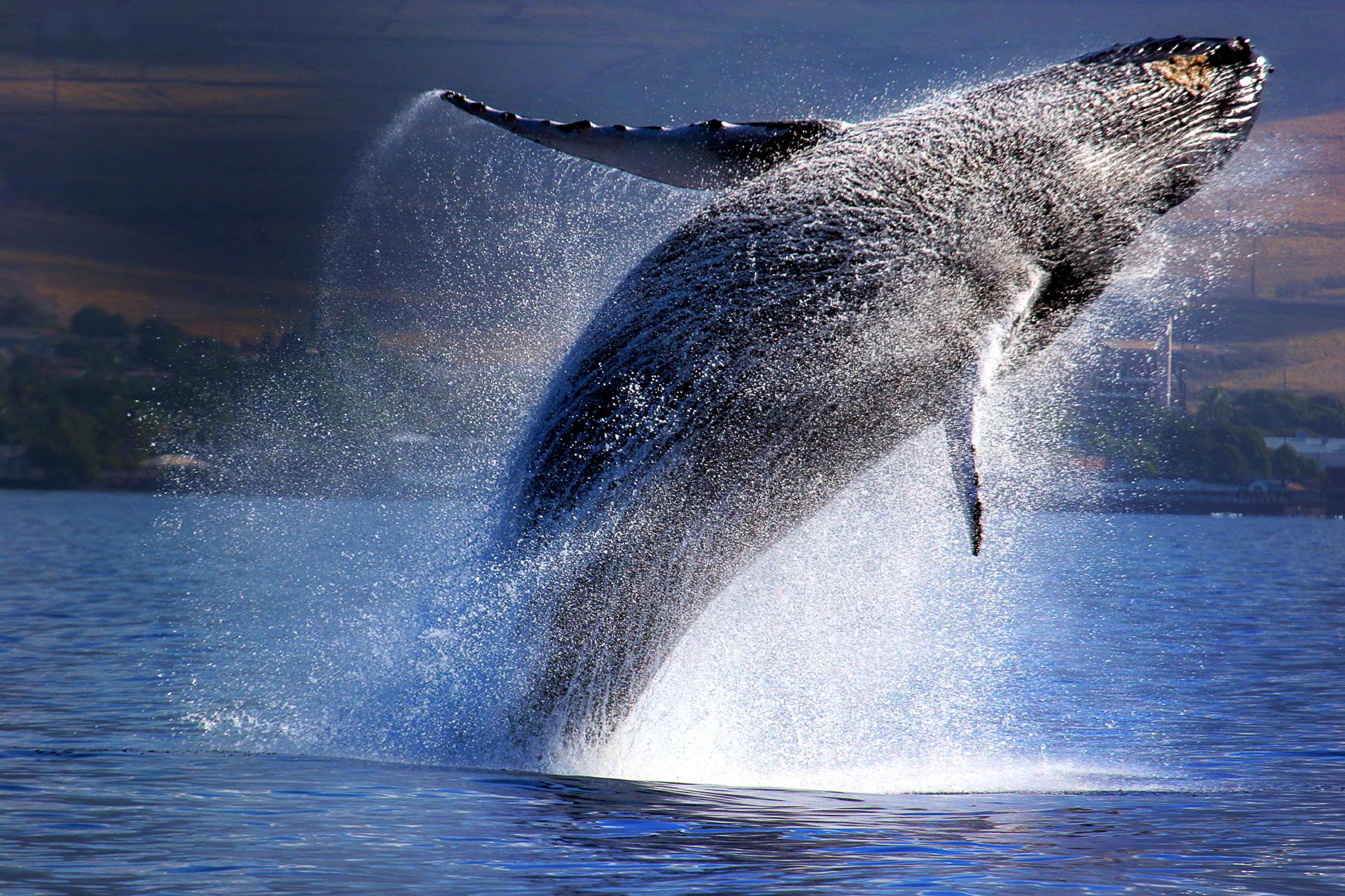
February is widely considered the “peak” of the season. At this time, it is estimated that over 10,000 humpback whales are congregated in the Hawaiian Islands Humpback Whale National Marine Sanctuary. During these months, it is almost impossible to look at the horizon for more than a few minutes without seeing a “blow” (the mist from a whale’s exhale) or a “breach” (a full-body leap out of the water). This is also the best time to hear the famous whale songs. If you go snorkeling at Hanauma Bay on Oahu or Molokini Crater off Maui, you can often hear the eerie, melodic pulses of the males singing through the water.
April to May: The Farewell Departure
As spring progresses, the whales begin their long journey back to the North Pacific Ocean. The mothers with newborn calves are usually the last to leave, as the calves need as much time as possible to grow strong and build up blubber for the cold trek. By late April, the numbers begin to dwindle. While tours still operate out of Honolulu and Lahaina, the encounters become less frequent. By mid-May, the season draws to a close, leaving the waters quiet until the following autumn.
Best Islands and Locations for Whale Watching
While whales can be seen from almost any coastline in the state, certain geographical features make some islands better than others for whale watching.
Maui: The Heart of Whale Watching
Maui is undisputed as the premier destination for whale watching in Hawaii. This is due to the Maui Nui Basin, a shallow channel of water protected by the surrounding islands of Maui, Lanai, and Molokai. The Auau Channel is particularly famous for its high concentration of whales. Many visitors choose to stay in Kihei or Lahaina to be close to the primary departure points for boat tours. A drive along the coast toward Kaanapali Beach offers numerous pull-off points where the West Maui Mountains provide a stunning backdrop to the offshore activity.
Oahu, Kauai, and the Big Island
On Oahu, whale watching is most popular on the south and west coasts. Tours departing from Waikiki Beach allow travelers to see whales with the iconic skyline of Honolulu and the silhouette of Diamond Head in the distance. For those preferring a shore-based experience, the Makapuu Point Lighthouse trail is an excellent vantage point.
Kauai offers a different perspective, where the rugged beauty of the Na Pali Coast meets the deep sea. Boat tours here often combine whale watching with sightseeing of the towering sea cliffs. On the north side, Kilauea Point National Wildlife Refuge is a fantastic spot for spotting whales from land.
The Big Island features deep waters very close to the shore, particularly along the Kohala Coast. This allows for unique viewing opportunities where whales can sometimes be seen remarkably close to the volcanic coastline. While Hilo on the east side sees some activity, the calmer waters of the Kona coast are preferred for boat excursions.
Planning Your Experience: Tours and Viewing Methods
To make the most of the season, travelers should consider how they want to experience these marine mammals. Hawaii offers a range of options catering to different adventure levels and budgets.
Boat Tours and Specialized Charters
The most immersive way to see humpbacks is by boat. Most tours depart from Maalaea Harbor in Maui or various points around Oahu. Travelers can choose between large, stable catamarans with multiple viewing decks and smaller, faster Zodiac rafts that sit lower in the water. The larger vessels often provide educational commentary from onboard marine biologists, which is excellent for families. The smaller rafts offer a more intimate, “eye-to-eye” experience but can be a bumpier ride.
Federal regulations in Hawaii are very strict regarding whale safety. It is illegal for any boat to approach within 100 yards of a humpback whale. However, whales are naturally curious, and it is common for a “mugging” to occur, where a whale chooses to swim toward a stationary boat and linger, providing an unforgettable close-up encounter that follows all legal guidelines.
Shore-Based Viewing and Coastal Trails
For those who prefer to stay on land, Hawaii has no shortage of elevated viewpoints. In addition to Makapuu Point Lighthouse on Oahu, the North Shore near Turtle Bay Resort is a prime location. On Kauai, the southern area of Poipu offers several parks with unobstructed ocean views. Even beaches like Barking Sands Beach can yield sightings during the peak of February.
When viewing from land, bring a pair of high-quality binoculars and look for the “blow.” The mist from their exhale can shoot up to 20 feet in the air and is the easiest way to locate them from a distance. If you see a large splash that looks like a white explosion against the blue water, you have likely just witnessed a breach or a pectoral fin slap.
Beyond the logistical timing, experiencing whale watching season in Hawaii is about connecting with a piece of the islands’ living heritage. Whether you are watching from the deck of a boat in the Auau Channel or from the heights of the Kalalau Lookout, the presence of the humpbacks serves as a powerful reminder of the deep connection between the land and the sea in this remote corner of the world. Planning your trip between late January and early March ensures that you will be there for the height of the action, making for a travel experience that stays with you long after the whales have returned to their northern home.
LifeOutOfTheBox is a participant in the Amazon Services LLC Associates Program, an affiliate advertising program designed to provide a means for sites to earn advertising fees by advertising and linking to Amazon.com. Amazon, the Amazon logo, AmazonSupply, and the AmazonSupply logo are trademarks of Amazon.com, Inc. or its affiliates. As an Amazon Associate we earn affiliate commissions from qualifying purchases.