
California, a land renowned for its sun-kissed beaches, towering ancient forests, and vibrant cities, captivates millions of travelers each year. From the iconic golden gate of San Francisco to the glamorous boulevards of Los Angeles, and from the majestic peaks of the Sierra Nevada to the serene vineyards of Napa Valley, the Golden State offers an unparalleled array of experiences. However, beneath this allure lies an increasingly significant consideration for both residents and visitors: the state’s wildfire season. Understanding when and why wildfires occur, along with their potential impact on travel, tourism, and daily life, is paramount for anyone planning to explore or reside in this beautiful, yet vulnerable, region.
Wildfires are a natural, albeit often devastating, part of California’s ecosystem. Decades of fire suppression, coupled with the state’s Mediterranean climate—characterized by hot, dry summers and mild, wet winters—have created conditions ripe for large-scale blazes. More recently, the undeniable effects of climate change, including prolonged droughts and rising temperatures, have exacerbated the situation, transforming what was once a predictable “season” into a near year-round concern. For those seeking unforgettable travel experiences, booking idyllic accommodations, or immersing themselves in the local culture, a comprehensive understanding of California’s wildfire dynamics is no longer optional—it’s essential for ensuring safety, flexibility, and a truly enjoyable trip.
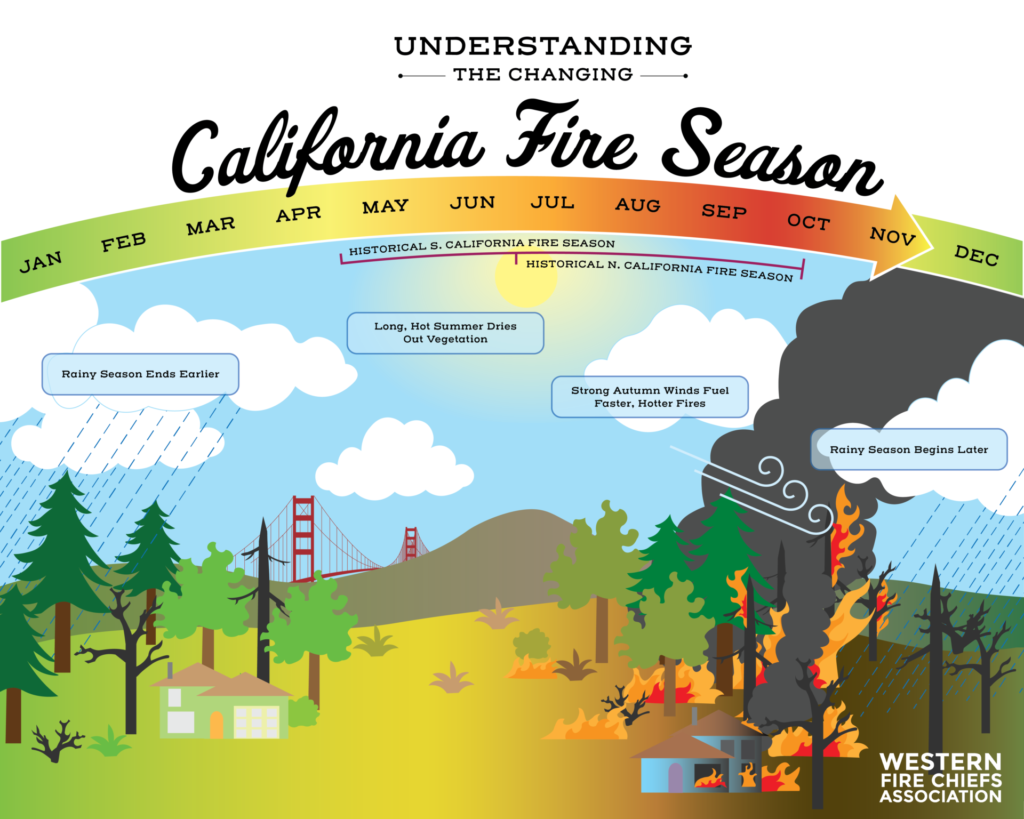
Understanding California’s Wildfire Season
To truly grasp the implications of wildfires for travel and lifestyle in California, it’s crucial to first understand their traditional timing and the complex factors that fuel them. While the term “wildfire season” evokes a specific period, the reality is increasingly complex and subject to climatic shifts.
The Traditional Calendar and Contributing Factors
Historically, California’s wildfire season has been understood to run from late spring through late autumn, typically peaking in the hot, dry months of summer and early fall. This period, roughly from June to November, is when the state experiences its highest temperatures, lowest humidity, and often, strong, dry winds.
Several key factors converge to create this seasonal vulnerability:
- Mediterranean Climate: California’s climate is defined by wet winters that promote lush vegetation growth, followed by long, dry summers that effectively transform this greenery into highly flammable fuel.
- Drought Conditions: Persistent and severe droughts, which have become more frequent and intense due to climate change, significantly dry out vegetation, making it more susceptible to ignition and rapid spread. When the ground is parched and reservoirs are low, the entire landscape becomes a tinderbox.
- Fuel Accumulation: Over a century of aggressive fire suppression policies, while well-intentioned, has led to an unnatural accumulation of dead trees, underbrush, and other plant matter in forests. When a fire does break out, this excessive “fuel load” can lead to more intense and uncontrollable blazes.
- Topography: California’s diverse and rugged terrain, including steep canyons and mountain ranges like the Sierra Nevada and coastal ranges, can accelerate fire spread. Fires move rapidly uphill, and terrain can create natural chimneys, funneling winds and intensifying flames.
- Wind Events: Powerful wind events, such as the infamous Santa Ana winds in Southern California and Diablo winds in Northern California, are critical drivers of large, destructive wildfires. These winds are hot, dry, and strong, fanning flames and carrying embers long distances, enabling fires to jump barriers and spread at astonishing speeds. They often occur in late summer and fall, coinciding with peak dryness.
- Human Activity: While lightning can ignite fires, the vast majority of wildfires in California are human-caused, stemming from everything from downed power lines and faulty equipment to unattended campfires, discarded cigarettes, and even arson.
Beyond the Calendar: A Year-Round Threat?
The traditional definition of wildfire season is rapidly becoming outdated. Climate change is fundamentally altering the state’s fire landscape, extending the period of high risk. Warmer temperatures are leading to earlier snowmelt in the mountains, prolonging the dry season. Droughts are becoming more severe and persistent, further drying out vegetation. The result is that conditions conducive to wildfires now exist for more months of the year.
What was once a distinct season can now feel like a continuous threat. Even during traditionally “wet” months, if rainfall is insufficient or followed by periods of warmth and wind, the risk can quickly escalate. This year-round potential necessitates a constant state of vigilance and adaptation for residents, emergency services, and the tourism industry alike. Travelers must increasingly consider wildfire risks not just in summer and fall, but potentially at any time of year, especially when venturing into wildland-urban interface areas.
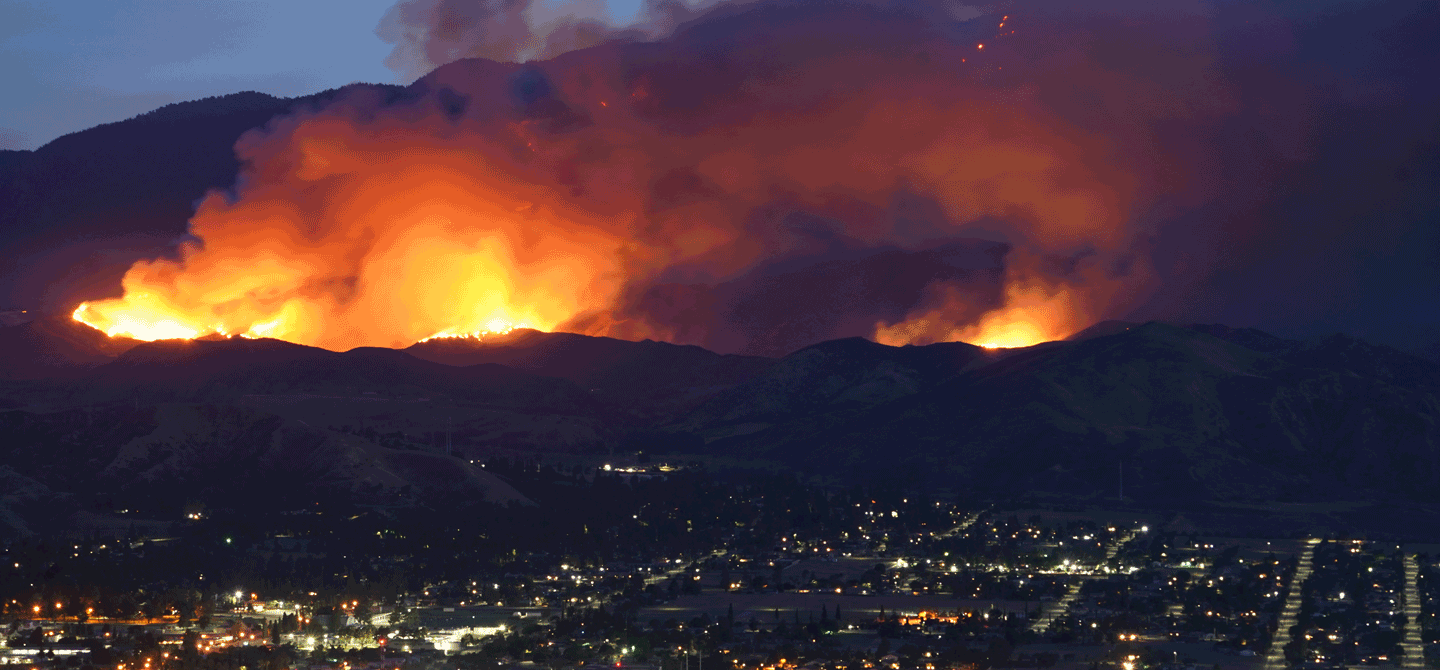
Impact on Travel and Tourism in California
The pervasive nature of wildfires significantly impacts California’s travel and tourism sectors. From altering iconic landscapes to forcing last-minute cancellations, understanding these effects is crucial for any potential visitor.
Navigating Travel Plans During Wildfire Season
Wildfires can introduce a considerable degree of uncertainty into travel plans, particularly for those aiming to explore California’s stunning natural landmarks and outdoor attractions.
- Access to Natural Landmarks: Beloved destinations like Yosemite National Park, Lake Tahoe, Redwood National and State Parks, Joshua Tree National Park, and Death Valley National Park are frequently at risk. Parks and forests may issue temporary closures or restrictions on activities like camping and hiking to ensure public safety and aid firefighting efforts. Road closures are also common, making access impossible or requiring lengthy detours. Travelers planning visits to these natural wonders should closely monitor park advisories and local news before and during their trip.
- Air Quality Concerns: Even if a fire is miles away, smoke can travel vast distances, significantly degrading air quality in populated areas and popular tourist destinations. Poor air quality can lead to respiratory issues, obscure scenic views, and generally diminish the outdoor experience. This affects not just wilderness areas but also urban centers and coastal regions. Monitoring air quality indices (AQI) via reliable sources is advisable, as unhealthy air can impact all outdoor activities, from wine tasting in Sonoma County to strolling along the beaches of San Diego.
- Impact on Wineries and Agriculture: Regions like Napa Valley and Sonoma County, famous for their vineyards, are particularly vulnerable. Beyond the direct threat of fire, smoke can taint grapes, leading to “smoke taint” in wines, which can have long-term economic impacts on the industry. This might affect winery tours and tastings during and after significant fire events.
- Event Cancellations: Festivals, concerts, marathons, and other large gatherings, especially outdoor events, may be canceled or postponed due to fire threats, poor air quality, or resource allocation for emergency services. Travelers attending specific events should always check their status in advance.
- Psychological Impact: The visible presence of smoke, the sound of sirens, and the constant news reports about wildfires can create an underlying sense of anxiety, which can detract from the relaxed atmosphere many seek on vacation.
Accommodation and Hotel Considerations
For hotels, resorts, apartments, and villas, wildfires present unique challenges related to operations, guest safety, and booking management.
- Booking Flexibility and Cancellation Policies: When booking accommodations during or near wildfire season, travelers should prioritize flexibility. Many hotels, especially those in areas frequently impacted, have adapted their cancellation and rebooking policies. It’s wise to choose accommodations that offer generous cancellation windows or travel insurance that covers wildfire-related disruptions. Always read the fine print regarding “acts of God” or natural disaster clauses.
- Location, Location, Location: When planning, consider the proximity of your chosen accommodation to known high-risk wildfire zones, often referred to as the wildland-urban interface (WUI). While no area is entirely immune, properties deep within dense forests or remote canyon regions might carry a higher immediate risk. Coastal areas, while not immune to smoke, generally face a lower direct threat from flames due to the Pacific Ocean‘s influence. Urban centers like Los Angeles, San Francisco, and San Diego tend to be safer from direct fire threats, though they are still susceptible to smoke.
- Resort and Hotel Amenities/Services: Even if an accommodation is not directly threatened, wildfire activity nearby can affect the availability of amenities. Outdoor pools, patios, and recreational facilities might be closed due to poor air quality. Staffing could also be an issue if local residents are affected by evacuations or road closures. Inquire about the hotel’s emergency protocols and communication plans.
- Evacuation Preparedness: Hotels and resorts in fire-prone areas often have detailed evacuation plans. Guests should familiarize themselves with these upon check-in. This includes understanding assembly points, exit routes, and how they will be notified in an emergency. Selecting accommodations with robust safety protocols is key.
- Choosing Different Accommodation Types: For those seeking a long-term stay or a more secluded experience, villas or cabins in forested areas might seem appealing. However, during wildfire season, these options require an even greater degree of awareness and preparedness due to their often remote locations and potential for limited access to immediate emergency services. Urban apartments or hotels offer a different set of risks and benefits.
Staying Safe and Prepared: A Guide for Visitors and Residents
Whether you’re visiting for a week or calling California home, safety during wildfire season must be a top priority. Informed decisions and proactive measures can make all the difference.
Essential Safety Tips for Travelers
Travelers often arrive in California unaware of the specific risks posed by wildfires. Adopting a proactive mindset is vital for a safe trip.
- Stay Informed and Monitor Alerts: Before and during your trip, consistently check official sources for wildfire information. Websites like CalFire, the National Weather Service, and the U.S. Forest Service provide up-to-date fire maps, air quality alerts, and closure notices. Many local county emergency services also have alert systems you can sign up for temporarily. Use reliable news sources, social media accounts of official agencies, and local radio stations.
- Know Your Evacuation Routes: If you are staying in an area susceptible to wildfires, take a moment upon arrival to identify primary and secondary evacuation routes. In an emergency, roads can become congested, so knowing alternatives is crucial. Follow all evacuation orders promptly; they are issued for your safety.
- Pack an Emergency Go-Bag (Even for Tourists): While not exhaustive, having a small bag ready with essentials can be beneficial. This might include copies of important documents, medications, a phone charger, a basic first-aid kit, a change of clothes, and some non-perishable snacks and water. If you’re traveling by car, ensure your fuel tank is at least half full.
- Practice Fire Safety: Be extremely careful with any potential ignition sources. Avoid campfires, barbecues, or any open flames during high fire danger periods. If camping is allowed, always check local restrictions. Never discard cigarettes from a vehicle. Ensure your vehicle’s exhaust system is in good repair, as hot catalytic converters can ignite dry roadside vegetation.
- Respect Closures and Warnings: If a park, road, or area is closed due to fire risk or active fires, do not attempt to bypass these closures. They are in place for your safety and to allow emergency personnel to work unimpeded. Ignoring warnings not only endangers yourself but also puts first responders at unnecessary risk.
- Have Communication Plans: Ensure your travel party has a plan for how to communicate if separated, especially if cell service is unreliable in remote areas.
Responsible Tourism and Community Support
Beyond personal safety, responsible tourism during wildfire season extends to supporting the communities that are impacted.
- Support Local Businesses: After a wildfire, communities often face significant economic hardship. Even if you cancel a trip to a fire-affected area, consider rescheduling for a later date or donating to local relief efforts. When you do visit California, make an effort to support local businesses, especially those in regions that have been recovering.
- Be Mindful of Resources: Water and emergency services are precious resources during wildfire events. Be conservative with water usage and avoid placing unnecessary strain on local emergency infrastructure.
- Educate Yourself: Learn about California’s fire ecology and the efforts being made towards prevention and mitigation. Understanding the challenges fosters empathy and encourages responsible behavior.
- Leave No Trace: Always adhere to “Leave No Trace” principles, ensuring you do not contribute to potential fire hazards by leaving behind trash, especially glass which can magnify sunlight and ignite dry brush.
Exploring California Beyond Wildfire Season
While the risks of wildfire season are real, they shouldn’t deter anyone from experiencing the unparalleled beauty of California. Strategic planning can help you enjoy the Golden State with peace of mind.
Best Times to Visit for Optimal Experience
To minimize the chances of encountering wildfire-related disruptions, consider planning your trip outside the peak fire months.
- Spring (March to May): This is arguably one of the best times to visit California. The landscape is lush and green from winter rains, wildflowers are in bloom, temperatures are generally mild, and the risk of large-scale wildfires is typically lower, though it can start to increase towards late spring in some areas. Major attractions are less crowded than in summer.
- Early Summer (June): Early June can still be a good time, especially in coastal areas and higher elevations before the full heat of summer sets in. However, the drying trend accelerates quickly, and wildfire risk can begin to climb, especially inland.
- Late Fall/Early Winter (November to February): While some mountain passes might experience snow, many parts of California, particularly the coast and desert regions, offer pleasant temperatures and significantly reduced fire risk. Popular destinations like Death Valley National Park and Joshua Tree National Park are best enjoyed in the cooler months. Cities like San Francisco and Los Angeles have their unique charm during the holidays and off-season.
Alternative Destinations and Activities
If your travel dates coincide with higher wildfire risk, or if a particular natural area is impacted, California still offers a wealth of incredible experiences that are less susceptible to direct fire threats or smoke.
- Coastal Escapes: The 840 miles of California’s coastline, kissed by the cool breezes of the Pacific Ocean, often provide a respite from the inland heat and smoke. Explore iconic drives like Highway 1 through Big Sur, enjoy the beaches of San Diego, or charming towns like Carmel-by-the-Sea.
- Urban Adventures: California’s major cities offer world-class attractions largely unaffected by wildfires.
- In Los Angeles, immerse yourself in museums like The Getty Center, explore Universal Studios Hollywood, or visit Disneyland Resort in nearby Anaheim.
- San Francisco boasts Alcatraz Island, Fisherman’s Wharf, and a vibrant arts and food scene.
- San Diego offers the San Diego Zoo, Balboa Park, and historic Old Town.
- Even the state capital, Sacramento, provides rich history in Old Sacramento and a burgeoning farm-to-fork culinary scene.
- Indoor Attractions: Museums, aquariums, art galleries, theaters, and shopping centers throughout the state provide excellent refuge from any potential smoke or heat. Plan your itinerary to include these indoor options as a backup or primary focus.
- Consider the Central Valley: While hot in summer, the Central Valley, California’s agricultural heartland, offers a different experience with its vast farms, local produce, and often clearer skies than mountainous regions during wildfire season.
In conclusion, while California’s wildfire season has evolved from a predictable period into a more extended, year-round concern, the state remains an extraordinary travel destination. By understanding the risks, prioritizing safety, staying informed, and exercising flexibility with travel plans, both visitors and residents can continue to enjoy the Golden State’s diverse landscapes, vibrant culture, and world-class attractions. Responsible tourism, coupled with preparedness, ensures that the allure of California can be safely experienced, even as we collectively adapt to a changing climate. Embrace the beauty, but always respect the power of nature.
LifeOutOfTheBox is a participant in the Amazon Services LLC Associates Program, an affiliate advertising program designed to provide a means for sites to earn advertising fees by advertising and linking to Amazon.com. Amazon, the Amazon logo, AmazonSupply, and the AmazonSupply logo are trademarks of Amazon.com, Inc. or its affiliates. As an Amazon Associate we earn affiliate commissions from qualifying purchases.