
Decoding California’s Winter Calendar
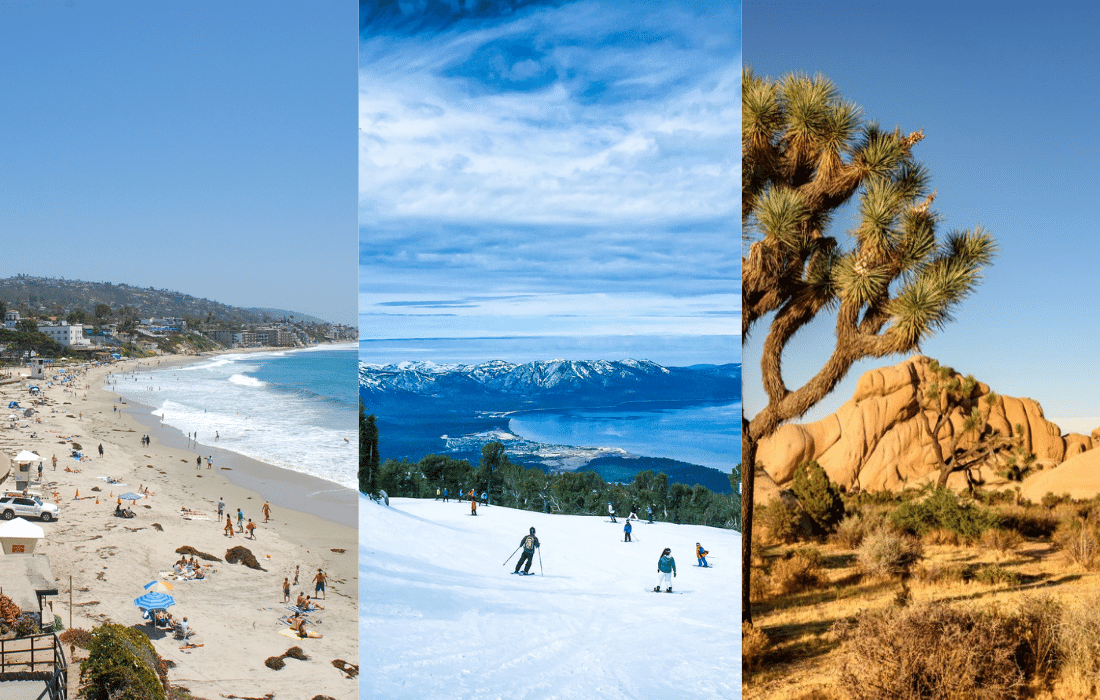
California’s winter is less about a universal chill and more about regional shifts, dictated by its unique geography encompassing coasts, mountains, valleys, and deserts.
The Official Versus Experiential Winter
Meteorologically, winter in California typically spans from December through February. These months mark the period when temperatures are at their lowest and precipitation, primarily rain along the coast and snow in the mountains, is most prevalent. However, the experiential winter for travelers can extend slightly beyond these dates, especially in the mountains where ski seasons often begin in late November and can last well into April or even May, depending on snowfall. Along the coast, “winter” might feel more like an extended autumn, with cooler, often wet, but still temperate days. The deserts, conversely, experience their most pleasant weather during these cooler months, making them prime destinations for outdoor activities.
Regional Climate Variations
The sheer topographical diversity of California means that winter presents entirely different characteristics depending on where you are.
- Coastal California (Southern and Northern): From [San Diego] in [Southern California] to the rugged shores of [Northern California], winter typically brings mild temperatures, ranging from the mid-40s to mid-60s Fahrenheit. This is the “rainy season,” characterized by green hillsides and fewer crowds. While it can be overcast and wet, clear, crisp days are also common, offering stunning ocean views without the summer haze.
- Mountain Ranges (Sierra Nevada, Cascades, Transverse Ranges): The state’s majestic mountain ranges, most notably the [Sierra Nevada], transform into a winter wonderland. Here, traditional winter reigns supreme, with heavy snowfall from December through March. Temperatures frequently drop below freezing, creating ideal conditions for winter sports. Resorts in areas like [Lake Tahoe] and [Mammoth Lakes] thrive during this period.
- Deserts (Low and High Deserts): Areas such as [Palm Springs], [Death Valley National Park], and [Joshua Tree National Park] experience a welcome respite from scorching summer heat. Winter days are pleasantly cool, often in the 60s and 70s Fahrenheit, with nights dropping considerably. This season offers the perfect climate for hiking, stargazing, and exploring the unique desert flora and fauna.
- Central Valley: The vast [Central Valley] experiences cool, often foggy, and sometimes rainy winters. Temperatures generally range from the 30s to 50s Fahrenheit, with dense Tule fog being a common atmospheric phenomenon, particularly in the mornings.
Coastal Charms: Mild Winters by the Pacific
For those seeking a mild winter escape, California’s extensive coastline offers a refreshing alternative to traditional cold-weather destinations.
Southern California’s Sun-Drenched Winter
Even in winter, [Southern California] largely lives up to its sunny reputation, albeit with cooler temperatures and a higher chance of rain.
- Los Angeles: The sprawling metropolis of [Los Angeles] remains vibrant. Visitors can explore world-class museums, enjoy theme parks with shorter lines, or hike the Santa Monica Mountains without the summer heat. Beaches are less crowded, offering peaceful strolls.
- San Diego: Known for its consistently pleasant climate, [San Diego] in winter is still very inviting. Explore the lush gardens and Spanish colonial architecture of [Balboa Park], visit the famous [San Diego Zoo], or embark on a thrilling whale-watching excursion. Gray whales migrate past the coast from December to April, making winter prime viewing season.
- Santa Barbara: This picturesque coastal city, often called the “American Riviera,” boasts beautiful beaches and a charming downtown. Winter is an excellent time to visit the historic [Old Mission Santa Barbara], explore the Funk Zone’s wineries, or simply enjoy the mild weather.
Northern California’s Emerald Season
Winter in [Northern California] is characterized by its “emerald season”—the landscape turns a vivid green from the rains, creating a dramatic and beautiful backdrop.
- San Francisco: [San Francisco] in winter offers a more intimate experience. The crowds thin out, and iconic sights like the Golden Gate Bridge or Alcatraz can be enjoyed with fewer people. Cozy cafes and renowned restaurants provide perfect retreats from the crisp air, and the city’s vibrant arts and culture scene is in full swing.
- Big Sur: The dramatic cliffs and redwood forests of [Big Sur] take on an ethereal beauty in winter. While some roads or trails might be subject to closures due to rain, the moody skies and crashing waves offer a truly awe-inspiring spectacle. It’s a time for quiet reflection and connecting with nature’s raw power.
- Mendocino Coast: Further north, the [Mendocino Coast] is perfect for storm watching. Cozy up in a charming inn, watch the Pacific storms roll in, and explore the quaint towns with their Victorian architecture and art galleries.
Mountain Majesty: Winter Sports and Snowy Retreats
For many, winter means snow, and California’s mountains deliver this in abundance, creating a paradise for winter sports enthusiasts and those seeking a snowy escape.
Sierra Nevada’s Winter Playground
The [Sierra Nevada] range is California’s premier winter sports destination, offering everything from world-class skiing to tranquil snowshoeing.
- Lake Tahoe: Straddling the California-Nevada border, [Lake Tahoe] is a renowned winter playground. Its surrounding mountains host numerous ski resorts like Heavenly, Squaw Valley, and Northstar, offering diverse terrain for skiing and snowboarding. Beyond the slopes, visitors can enjoy ice skating, snowshoeing, snowmobiling, and vibrant après-ski scenes.
- Mammoth Lakes: Home to [Mammoth Mountain Ski Area], one of the highest ski resorts in California, [Mammoth Lakes] offers an extended ski season and a wide array of winter activities. Cross-country skiing, backcountry touring, and soaking in natural hot springs are popular options here.
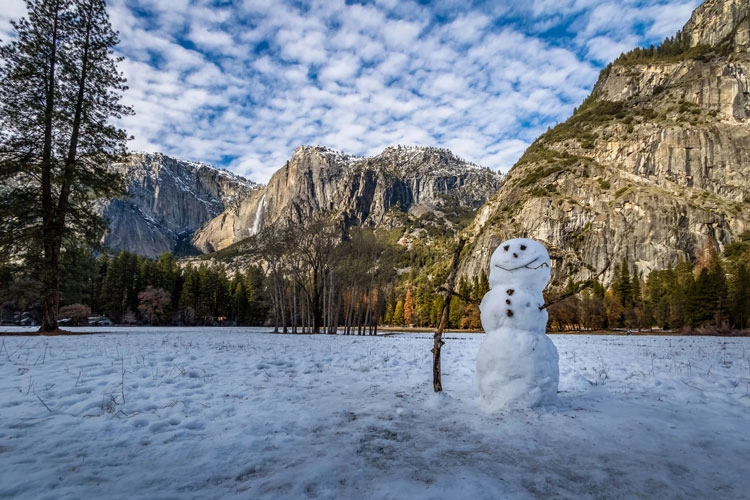
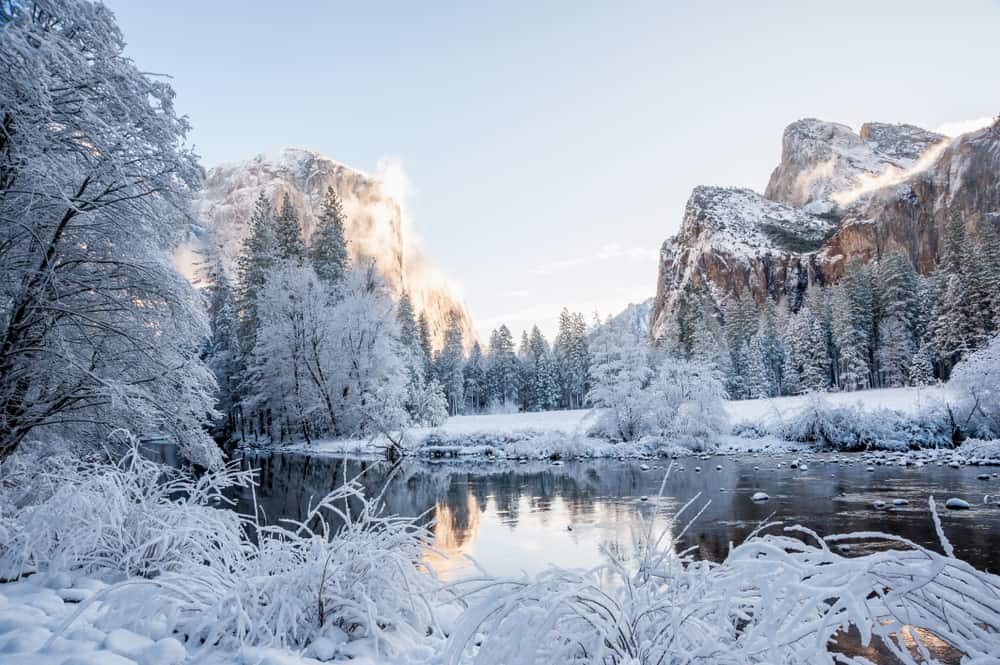
- Yosemite National Park: While parts of [Yosemite National Park] may be less accessible due to snow, the Valley remains open and transforms into a serene, snow-dusted wonderland. Cross-country skiing, ice skating at Curry Village, and tranquil winter hikes offer unique perspectives of iconic landmarks like El Capitan and Half Dome, often cloaked in snow.
Other Mountain Adventures
Beyond the Sierra, other mountain areas provide distinct winter experiences.
- Mount Shasta: In [Northern California], [Mount Shasta] offers a spiritual and scenic winter retreat. While less developed for resort skiing, it attracts backcountry skiers, snowshoers, and those seeking its serene, majestic beauty.
- Big Bear Lake: A popular drive-to destination from [Southern California], [Big Bear Lake] offers two main ski resorts—Snow Summit and Bear Mountain—making it a family-friendly choice for skiing, snowboarding, and general snow play.
Desert Oases: Unexpected Winter Escapes
California’s deserts, often avoided in summer due to extreme heat, become inviting and comfortable havens during the winter months.
Warm Days in the Low Desert
The low deserts of California offer surprisingly pleasant winter weather, perfect for outdoor pursuits.
- Palm Springs: [Palm Springs] truly shines in winter. Its mid-century modern architecture, vibrant art scene, and abundant golf courses are best enjoyed under clear, sunny skies and mild temperatures. Hiking in the nearby Indian Canyons or riding the Aerial Tramway for cooler mountain views are popular activities.
- Joshua Tree National Park: With daytime temperatures comfortably in the 60s and 70s Fahrenheit, [Joshua Tree National Park] is ideal for hiking, rock climbing, and exploring its unique desert flora. Winter nights offer unparalleled stargazing opportunities due to the park’s dark skies.
Exploring the High Desert
The high deserts also present a distinct winter charm, with unique landscapes to explore.
- Death Valley National Park: During winter, [Death Valley National Park] experiences its most agreeable temperatures, making it the perfect time to explore its otherworldly landscapes, from Badwater Basin to Zabriskie Point. While still cool at night, daytime hiking is a joy, and if there’s been sufficient rain, a rare wildflower bloom can occur in late winter.
- Anza-Borrego Desert State Park: California’s largest state park, [Anza-Borrego Desert State Park], becomes a haven for hikers and stargazers in winter. Its unique badlands, slot canyons, and palm oases are best explored when temperatures are mild.
Planning Your California Winter Getaway
Successfully navigating a California winter requires mindful planning to fully embrace its diverse offerings.
Packing Essentials
Layering is crucial regardless of your destination. For coastal and desert areas, bring lightweight layers, a waterproof jacket, and comfortable walking shoes. For mountain regions, heavy-duty waterproof and insulated clothing, snow boots, gloves, hats, and ski gear (or rental plans) are essential. Even in winter, sun protection (sunscreen, sunglasses, hats) is important, especially at higher elevations or in the desert.
Transportation & Road Conditions
If traveling to the mountains, be prepared for winter driving conditions. Carrying snow chains is often legally required or highly recommended, and checking road conditions (especially for passes like Tioga Pass in Yosemite, which closes for winter) before departing is paramount. For popular destinations, booking flights, accommodation, and rental cars in advance is always wise, particularly around holidays.
Festivals and Events
California’s winter calendar is dotted with unique events. The iconic [Pasadena Rose Parade] on New Year’s Day is a global spectacle. Many towns host holiday light festivals, ice skating rinks pop up in city centers, and cultural events abound. Checking local tourism boards for event listings can enhance your trip.
Best Time to Visit Each Region
- For Snow Sports: December to March, with peak conditions often in January and February.
- For Mild Coastal Exploration: December to February, enjoying fewer crowds and greener landscapes.
- For Desert Hiking and Warmth: November to March, escaping the summer heat.
Ultimately, “When is winter in California?” is a question with many answers, each revealing a unique facet of this incredible state. Whether you dream of pristine powder, serene beaches, or vibrant desert landscapes, California offers a winter experience tailored to every traveler’s desire. Embracing its diversity is the key to unlocking its seasonal magic.
LifeOutOfTheBox is a participant in the Amazon Services LLC Associates Program, an affiliate advertising program designed to provide a means for sites to earn advertising fees by advertising and linking to Amazon.com. Amazon, the Amazon logo, AmazonSupply, and the AmazonSupply logo are trademarks of Amazon.com, Inc. or its affiliates. As an Amazon Associate we earn affiliate commissions from qualifying purchases.